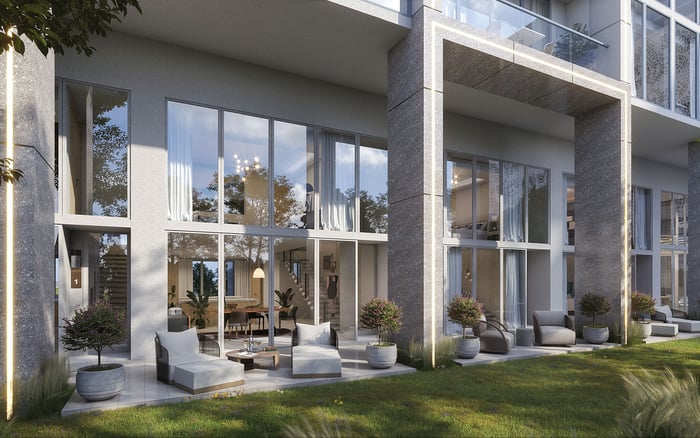
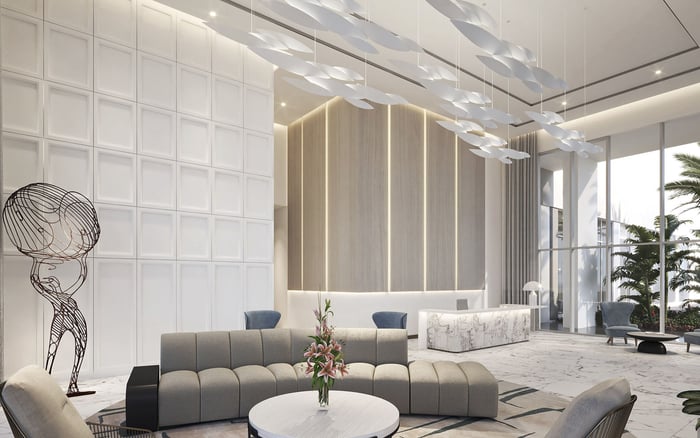
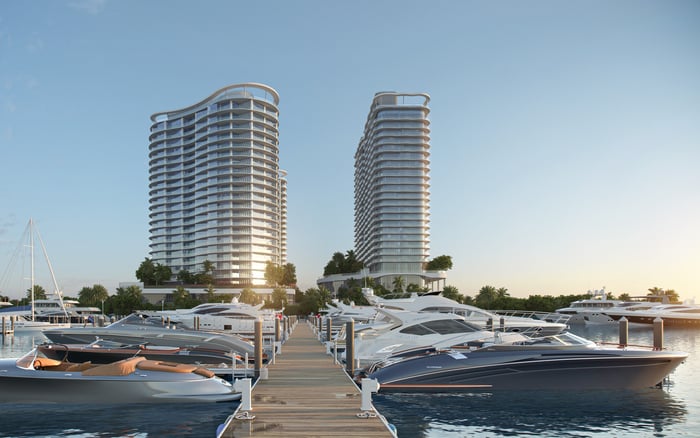
Las Olas can be a compelling long-term South Florida base when buyers look beyond finishes and evaluate the operating culture, governance, staffing, privacy, maintenance, and service rhythm of the building itself.
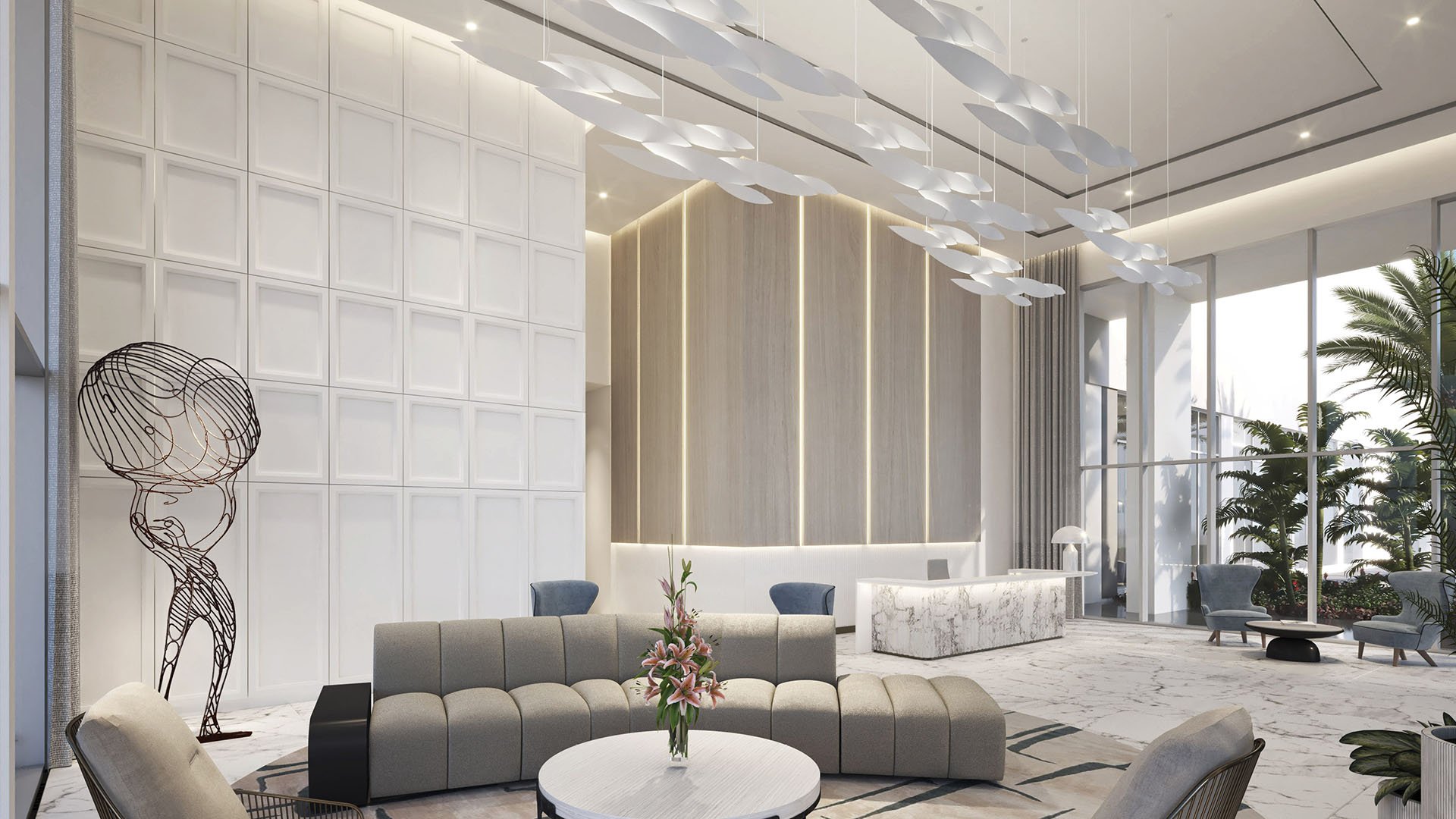
Las Olas can be compelling for buyers who want a durable South Florida base rather than a one-season indulgence. It offers connection, familiarity, and a distinctly Fort Lauderdale sensibility without requiring the owner to live inside a resort script. But the title question carries the essential condition: Las Olas works when the building operations are right.
For the ultra-premium buyer, the real asset is not simply a floor plan, a view, or a finish package. It is the reliability of ownership. A long-term base must perform when the owner is in residence, when the owner is traveling, when guests arrive, when service providers need access, and when the building is under pressure. The best buildings make that performance feel effortless.
That is why a Las Olas purchase should be evaluated less like a short visit and more like a private operating platform. The address may create desire, but management, governance, staffing, security, maintenance, and discretion determine whether the home becomes a trusted South Florida anchor.
A true base has three obligations. Arrival should feel simple. Absence should feel secure. Daily life should feel predictable.
Arrival is not only about proximity. It is about the choreography from car to lobby to elevator to residence. Is the entry sequence calm? Does the staff recognize residents without becoming intrusive? Are guests handled with polish? Does the building feel composed at busy hours? These details may seem minor during a tour, but they define the lived experience over years.
Absence matters just as much. Many South Florida owners travel extensively, divide time among homes, or keep a residence ready for family use. In that context, building operations become part of the home itself. The right team notices what should be noticed, communicates without drama, and maintains consistent standards when the owner is not present.
Daily predictability is the final measure. Elevators, parking, deliveries, housekeeping access, maintenance requests, amenity scheduling, and front-desk judgment all shape the owner’s sense of ease. A beautiful residence inside a poorly run building becomes a management burden. A well-run building turns ownership into a pleasure.
The most important questions are rarely answered by a rendering or a sales presentation. They are revealed in how the property is run.
Buyers should study the rhythm of the lobby, the confidence of the staff, the clarity of procedures, and the condition of shared spaces. A high-functioning building usually has a quiet consistency: uniforms are crisp, access control is firm but gracious, service areas are orderly, and the atmosphere feels residential rather than transactional.
Governance is equally important. Long-term owners should understand how the building approaches budgets, reserves, insurance planning, capital maintenance, and vendor oversight. These are not glamorous topics, but they protect the asset. In a luxury residence, deferred maintenance is not merely a financial issue. It is a lifestyle issue, because it eventually interrupts privacy, comfort, and resale confidence.
Operational culture also affects neighbor quality. Buildings that enforce rules fairly tend to preserve calm. Buildings that lack clarity can become inconsistent, especially around guests, deliveries, rentals, pets, noise, and amenity use. For a buyer building a South Florida base, consistency is often more valuable than novelty.
Las Olas has a particular appeal because it can support a sophisticated, repeat-use lifestyle. The buyer may be coming for dinners, meetings, boating invitations, cultural evenings, family weekends, or a longer seasonal stay. The address works best when the building buffers the owner from friction while keeping the surrounding experience close at hand.
That is the balance to underwrite. A lively setting requires stronger operations, not weaker ones. The more desirable the environment, the more important it becomes to manage access, arrivals, guest flow, service movement, and noise transfer with precision. Privacy is not created only by walls. It is created by policy, staffing, design, and judgment.
For Broward buyers comparing options across South Florida, Las Olas can be attractive because it feels established without needing to mimic Miami Beach, Palm Beach, or a purely suburban enclave. This is why a Fort Lauderdale search should not be reduced to price per square foot or amenity count. The right question is whether the building can sustain the owner’s preferred cadence year after year.
A buyer considering Sixth & Rio Fort Lauderdale should use the tour to test more than design. How does the arrival feel? Where do deliveries go? How are guests received? What happens when the owner is away? Those answers clarify whether the residence can function as a true base.
The same discipline applies when comparing broader Fort Lauderdale options. Riva Residenze Fort Lauderdale may prompt a waterfront-oriented lifestyle conversation, while Four Seasons Hotel & Private Residences Fort Lauderdale invites buyers to think carefully about service expectations, privacy, and the distinction between hospitality energy and residential calm.
For buyers drawn to a more destination-minded ownership profile, St. Regis® Residences Bahia Mar Fort Lauderdale can be evaluated through the same operating lens. Brand, architecture, and amenities matter, but the decisive question remains: will the building protect the owner’s time?
Las Olas is particularly relevant for buyers who are not trying to disappear completely. They want access, but not chaos. They want dining, services, and social possibility, but not a building that feels public. They may use the residence as a seasonal home, a primary base, a family landing point, or a flexible South Florida address that remains useful through different life stages.
This buyer should prioritize practical elegance. A deep terrace may matter, but so does how outdoor furniture is protected and maintained. A dramatic lobby may impress, but so does the handling of contractors. A generous amenity floor may photograph well, but its value depends on booking policies, cleanliness, staffing, and resident etiquette.
Over a long holding period, the most successful purchase is usually the one that reduces decisions. The owner should not have to wonder whether a guest was cleared, whether a package is secure, whether maintenance will be handled properly, or whether the building’s standards shift from season to season.
Before contract, buyers should ask direct, operational questions. Who manages the building day to day? How are staff trained? What is the communication protocol for absent owners? How are service providers screened? What are the rules for guest access, pets, deliveries, private events, and amenity reservations? How does the building handle preventive maintenance?
The answers should be specific and calm. Vague assurances are not enough for a long-term base. A strong building can explain its procedures without sounding defensive. It can also distinguish between luxury as décor and luxury as performance.
Buyers should also revisit the property at different times if possible. Morning, evening, weekday, and weekend impressions can vary. The goal is not to find perfection. It is to understand the operating temperament of the building before the residence becomes part of the owner’s life.
When operations are right, Las Olas can deliver an unusually usable form of South Florida ownership. The home becomes a place to arrive without friction, entertain without overexposure, leave without concern, and return without re-entry stress.
That quiet advantage is difficult to quantify, but sophisticated buyers recognize it immediately. It appears in the way staff handle names, the way common areas age, the way policies are enforced, and the way residents feel protected without being managed. For long-term ownership, that is the difference between a beautiful purchase and a reliable base.
Las Olas can work. The building simply has to be worthy of the role.
Is Las Olas better for a primary home or a seasonal base? It can work for either, provided the building offers consistent access control, maintenance, communication, and resident services.
What matters most in a Las Olas condo for long-term ownership? Operational consistency matters most, including staffing, governance, maintenance discipline, privacy standards, and service execution.
Should buyers prioritize amenities or management quality? Amenities are valuable only when management quality supports them. Poor operations can diminish even the most impressive amenity package.
How can an absent owner evaluate a building? Ask how the building communicates with owners, handles access for approved vendors, manages deliveries, and monitors maintenance concerns.
Are branded residences automatically better operated? Not automatically. Branding can set expectations, but buyers should still examine staffing, policies, service culture, and governance.
Why is privacy such a central issue near Las Olas? Connected locations require stronger control of guest flow, service access, lobby activity, and resident-only spaces.
What is a warning sign during a tour? Inconsistent front-desk procedures, unclear answers about rules, worn shared spaces, or visible disorder in service areas deserve attention.
Should buyers compare Las Olas with other Fort Lauderdale areas? Yes, but the comparison should focus on lifestyle fit and building performance, not only views, finishes, or headline amenities.
Can a smaller building be better for long-term use? Sometimes. Scale matters less than whether the building can deliver privacy, maintenance, staffing, and governance at a high level.
What should buyers ask before making an offer? Ask who operates the building, how decisions are made, what rules shape daily life, and how the property protects absent owners.
To compare the best-fit options with clarity, connect with MILLION.
If branded residences are on your mind — as a home or as an allocation — we would be glad to share what we are seeing, privately.
Begin a quiet conversation