For yacht owners in South Florida, the choice between a large amenity deck and lower-density living is less about spectacle than fit. The best residence supports the way an owner actually arrives, departs, entertains and recovers after time on the water.
For South Florida yacht owners, the debate between a large amenity deck and lower-density living is often framed too narrowly. One side promises resort-scale energy: pools, terraces, lounges, wellness spaces and social settings. The other offers a quieter proposition: fewer neighbors, calmer elevators, more predictable service and a degree of privacy that can be difficult to replicate in a more active tower.
The better question is not which concept is objectively superior. It is which one protects the owner’s daily rhythm. A yacht owner lives by arrivals and departures, by weather windows, by guests who may appear with little notice and by the need to move between residence, car, dock, beach club, airport and dinner without friction. In that context, the residence is not just a home. It is a land-based extension of the vessel’s operating style.
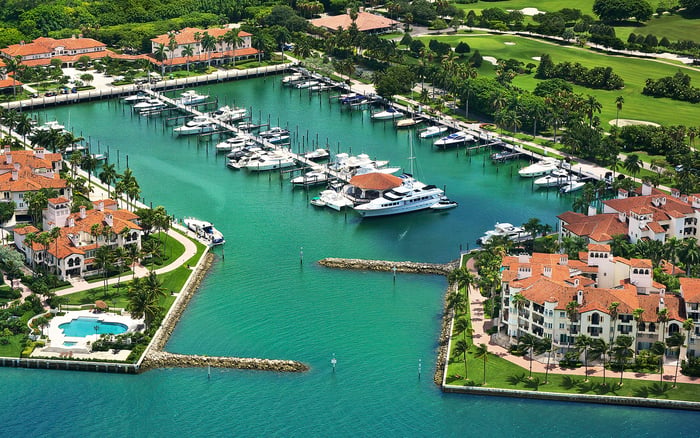
For buyers comparing Miami Beach, Fort Lauderdale, Bay Harbor and Fisher Island, the conversation often starts with marina and boat-slip access, but it should not end there. A building’s density, staff culture, vertical circulation, parking experience, guest handling and post-boating privacy can matter as much as the glamour of the amenity plan.
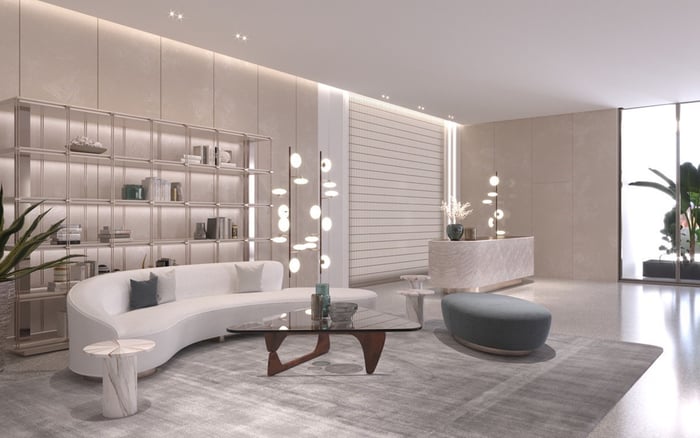
A large amenity deck is most valuable when it functions as an extension of the owner’s lifestyle rather than a brochure centerpiece. Yacht owners who regularly host family, friends and visiting guests may appreciate generous outdoor spaces that do not require every gathering to take place inside the residence. A pool terrace, shaded seating, wellness areas and social rooms can absorb the spontaneous nature of waterfront living.
This matters for owners who split time across several homes. If the South Florida residence is used as a seasonal base, a large amenity deck can create immediate convenience. Guests can spread out. Children or grandchildren can have somewhere to go. Owners can entertain without turning the private residence into the only stage for every visit.
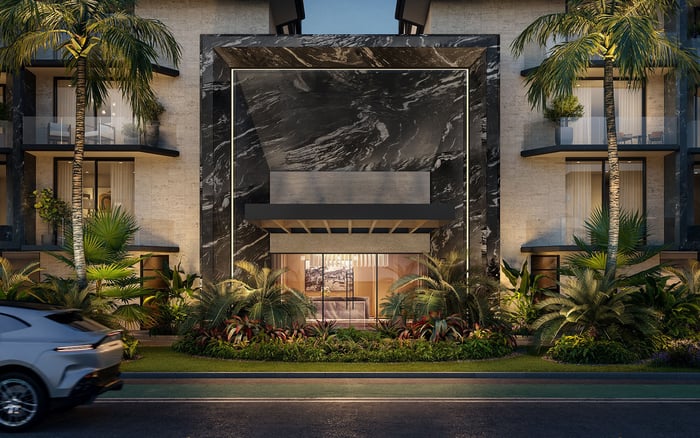
In urban waterfront settings, this is especially relevant. A buyer considering Una Residences Brickell may be thinking about a lifestyle that bridges the bay, the city and private entertaining. In that setting, the appeal of shared amenities is not simply leisure. It is flexibility, particularly when owners want the energy of Miami close at hand without giving up a polished residential environment.
The strongest amenity decks also support recovery. After a day offshore, owners may want a swim, a treatment, a quiet lounge or sunset drinks without additional logistics. If the building’s amenity spaces are designed and operated with restraint, they can save time and reduce the need to leave the property.
The risk is not amenities themselves. It is congestion. A vast deck that feels crowded at peak hours can undermine the reason many yacht owners choose premium residential living in the first place. If every arrival feels public, every elevator ride feels busy and every pool area feels programmed, the residence begins to operate more like a hotel than a private home.
For some owners, that energy is welcome. For others, it becomes fatigue. The more frequently an owner moves between boat, residence and social obligations, the more important it becomes to preserve quiet transitions. A yacht owner may spend the day surrounded by crew, guests, tenders and dock activity. Returning home should not feel like entering another performance space.
This is where design and operations matter. A large amenity deck can still feel private if circulation is thoughtful, service is attentive and the building culture is calm. Conversely, a lower-density property can feel inconvenient if it lacks the service depth to support real-world ownership needs. The right choice is not determined by the size of the amenity plan, but by whether the property understands discretion.
Lower-density living appeals to yacht owners because it tends to align with control. Fewer residences can mean a more measured pace, more familiar staff relationships and a stronger sense of residential continuity. For owners who travel often, host selectively and value anonymity, the absence of constant movement can become the defining luxury.
The attraction is psychological as much as practical. A yacht is a private world, curated down to the smallest operational detail. Owners accustomed to that environment often want the same feeling ashore: a lobby that recognizes them, an arrival sequence that does not feel exposed and a residence that remains composed even during the busiest parts of the season.
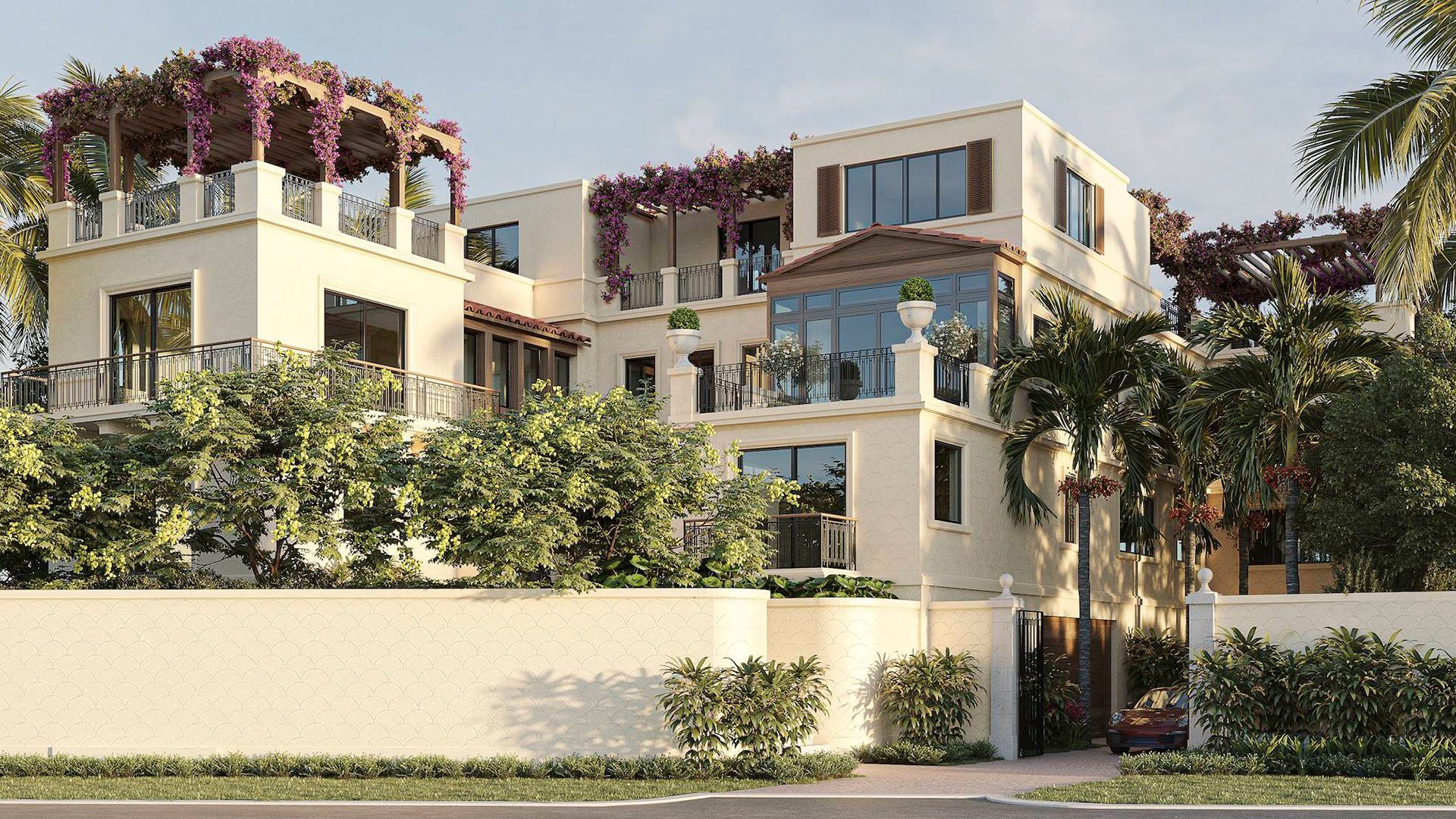
This is why boutique and island settings can carry particular appeal. A buyer evaluating Onda Bay Harbor may be drawn to a more intimate residential mood, while someone considering The Residences at Six Fisher Island may be focused on privacy, separation and a slower cadence of daily life. The value proposition is not merely exclusivity. It is the ability to move through the day with less exposure.
Lower density can also simplify the ownership experience. If the household has staff, visiting relatives, drivers or marine professionals in its orbit, a calmer building may make coordination easier. The best low-density residences feel less like an escape from amenities and more like a refinement of them.
The calculus can shift as buyers look north along the coast. Fort Lauderdale and Pompano Beach often attract owners who think deeply about boating culture, waterfront proximity and the practical details of moving between home and vessel. The property still needs elegance, but it must also make sense operationally.
A buyer exploring St. Regis® Residences Bahia Mar Fort Lauderdale may be weighing the relationship between branded residential service and a boating-oriented lifestyle. Farther north, The Ritz-Carlton Residences® Pompano Beach places the decision in another coastal context, where the oceanfront lifestyle, residential services and day-to-day ease all factor into the equation.
For these buyers, the question is rarely whether amenities are attractive. It is whether they support how the household actually uses South Florida. Does the residence make it easy to return from the water and reset? Can guests be hosted without compromising the owner’s privacy? Is there a calm place to spend the late afternoon, away from the bustle of the marina or beach?
Start with frequency. If the vessel is used often, friction becomes more visible. Parking, elevators, staff responsiveness, package handling, guest access and route planning all begin to matter. A spectacular deck cannot compensate for a building that makes daily movement inefficient.
Then consider hosting style. Owners who entertain frequently may place a premium on amenity scale, especially if guests include extended family. Owners who prefer private dinners, quiet mornings and controlled social exposure may find lower density more valuable than another lounge or pool.
Next, consider residence size and outdoor space. A home with substantial private terraces may reduce dependence on shared amenities. A more compact residence may benefit from a richer common amenity program, provided the spaces remain elegant and well managed.
Finally, consider service culture. Yacht owners understand that luxury is operational. The best residence is not the one with the longest amenity list. It is the one where people, spaces and movement align seamlessly. Large amenity decks can be excellent. Lower-density living can be exceptional. The winner is the property that makes life before and after the water feel effortless.
Should yacht owners prioritize a large amenity deck? Only if the amenity deck supports real use, such as hosting, wellness, guest overflow and post-boating relaxation, without creating congestion.
Is lower-density living usually better for privacy? It can be, especially for owners who value quieter arrivals, more familiar staff interactions and fewer shared-space encounters.
What is the biggest mistake yacht owners make when choosing a condo? Focusing on visible amenities while underestimating circulation, service consistency, parking, guest access and daily transitions.
Do branded residences make sense for yacht owners? They can, particularly when the service culture is polished and the building supports frequent travel, hosting and lock-and-leave ownership.
How important is marina proximity? It is important, but proximity alone is not enough. The full route between residence, car, dock and private spaces should feel efficient.
Can a large building still feel private? Yes, if its design, staffing and resident culture reduce crowding and protect discreet movement through the property.
Can a boutique building lack enough amenities? Yes. Lower density is only an advantage when the residence still provides the services and spaces the owner actually uses.
What should seasonal yacht owners value most? Seasonal owners should prioritize ease of arrival, guest readiness, trusted service and amenities that work immediately upon return.
Are oceanfront and bayfront buyers looking for different things? Often, yes. Oceanfront buyers may prioritize beach and resort atmosphere, while bayfront buyers may focus more on boating rhythm and views.
What is the best overall choice for a yacht owner? The best choice is the residence that balances privacy, service, access and lifestyle without forcing the owner to compromise daily ease.
For a confidential assessment and a building-by-building shortlist, connect with MILLION.
If branded residences are on your mind — as a home or as an allocation — we would be glad to share what we are seeing, privately.
Begin a quiet conversation