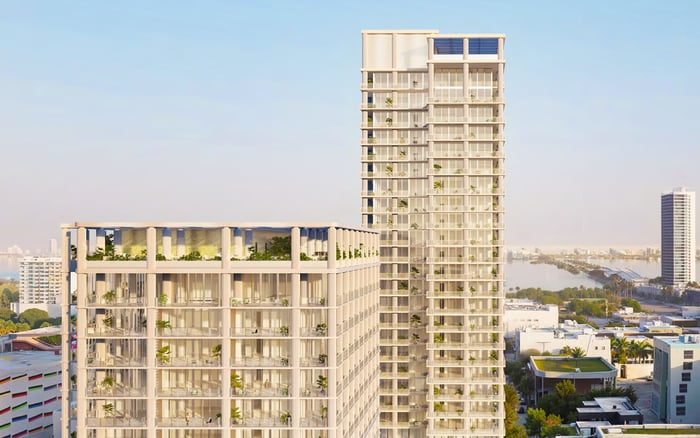
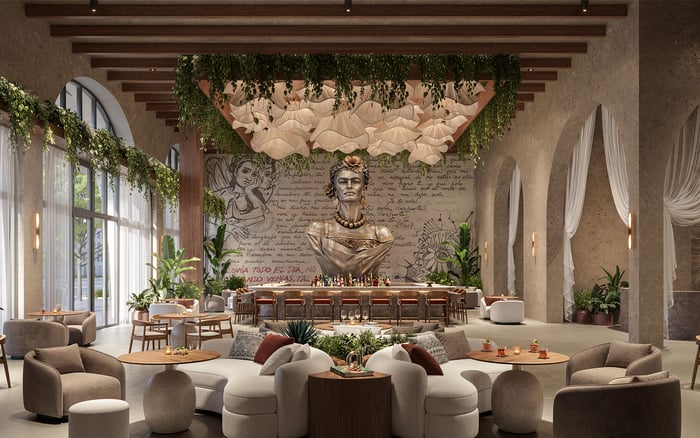
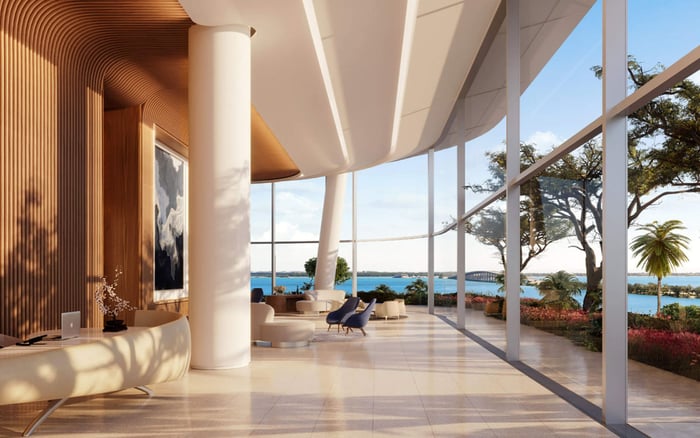
A buyer-focused look at how discerning purchasers should evaluate commercial-tenant noise risk at Frida Kahlo Wynwood Residences in 2026, with emphasis on document review, acoustic diligence, resale discipline, and lifestyle fit.
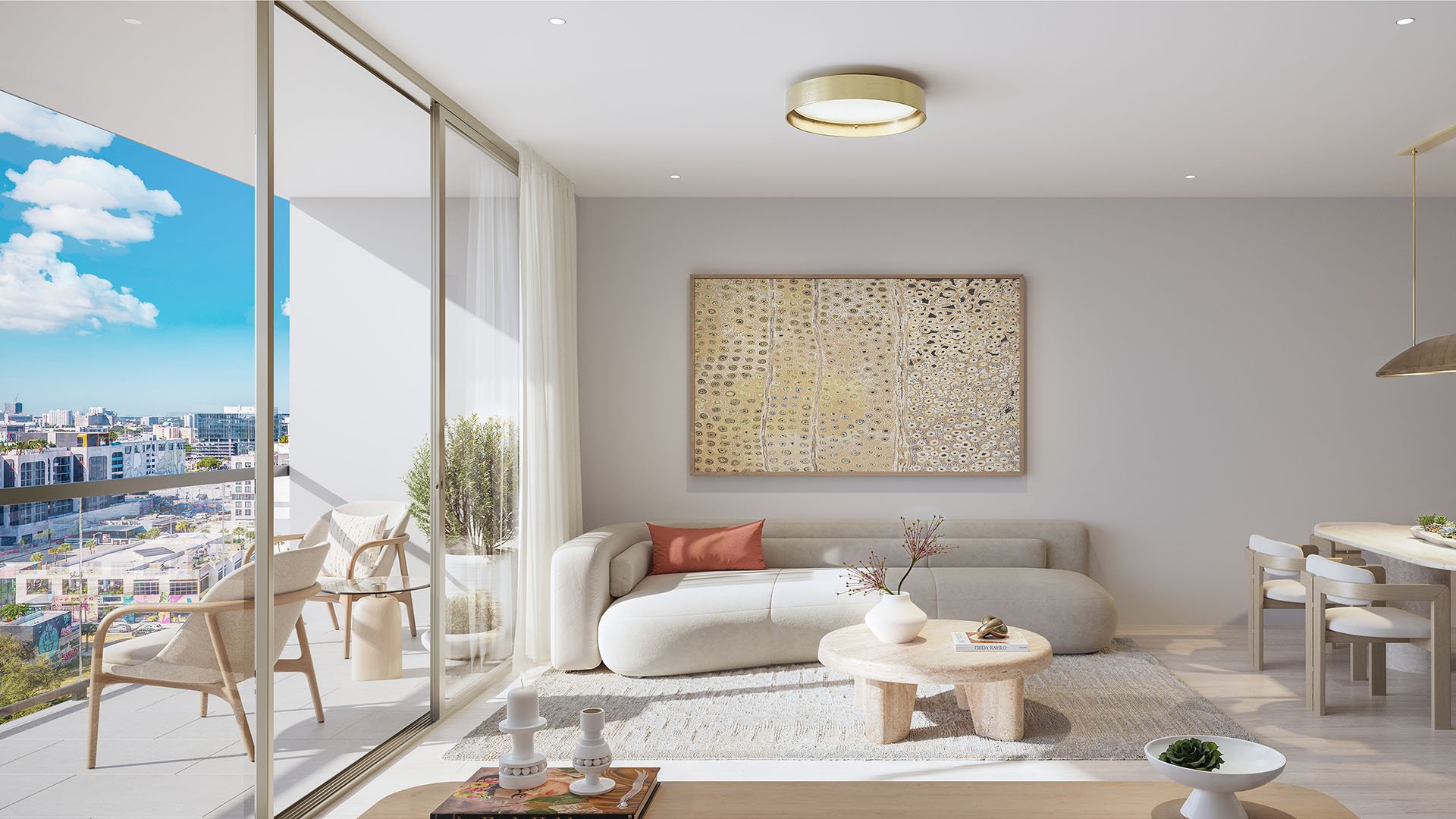
Frida Kahlo Wynwood Residences asks a sharper question than most lifestyle-driven launches: how should a luxury buyer underwrite the sound of culture when the residential experience sits near active commercial uses? In 2026, this is not a niche concern. It is a buyer test for any purchaser drawn to an art-forward district, a walkable restaurant scene, and the convenience of living close to energy rather than removed from it.
The most sophisticated buyers are not asking whether Wynwood has movement. They already understand that the neighborhood’s appeal is inseparable from its creative pace. The better question is whether that movement has been anticipated in the building, disclosed in the documents, managed through the association structure, and reflected in the final purchase decision. Noise is not simply a decibel issue. It is a governance issue, a resale issue, and, for some residents, a daily quality-of-life issue.
A serious review begins with the type of commercial tenant contemplated for the property or its immediate setting. Retail is not a single risk category. A gallery, cafe, wellness studio, restaurant, lounge, or late-night venue can create very different sound patterns. Bars may introduce music, patron movement, ride-share congestion, closing-time conversations, and service activity that does not follow the rhythm of a typical residential day.
For buyers considering Frida Kahlo Wynwood Residences, the key is to separate ambient urban sound from recurring operational sound. Ambient sound is the normal texture of a district: traffic, pedestrians, deliveries, and weekend activity. Operational sound is more specific: music systems, kitchen exhaust, trash removal, loading, mechanical equipment, outdoor seating, and crowd behavior. The first can be expected in an urban neighborhood. The second should be studied, documented, and controlled.
The buyer test is simple in principle: if the commercial use changes, if its hours expand, or if its customer volume increases, does the residence remain desirable? A home that works only under the quietest version of the commercial plan has not been fully underwritten.
Pre-construction buyers often focus on view corridors, floor height, finishes, deposit schedules, and amenity programming. Those remain important, but a mixed-use setting demands a second layer of questions before contract comfort sets in. What commercial spaces are planned? Are any outdoor areas associated with those spaces? How are speakers, ventilation systems, loading areas, and waste rooms positioned relative to residences? Are there building rules that restrict amplified sound, late operations, or exterior events?
The answers matter most before a buyer becomes emotionally anchored to a preferred line. A higher floor may reduce some street-level exposure, but it does not automatically solve sound transmission. Corner units, balcony depth, glazing specifications, mechanical placement, and the orientation of amenity decks may all influence the lived experience. New-construction buyers should treat acoustics as part of the specification review, not as an afterthought.
The correct posture is not suspicion. It is precision. Wynwood buyers often want proximity to restaurants, galleries, design, and nightlife. The goal is to confirm that the residence has been designed and governed with that proximity in mind.
An art-led residential identity can be compelling, but documents carry the value. The purchase agreement, condominium declaration, association rules, commercial covenants, and any available design descriptions should be reviewed for how residential and nonresidential uses coexist. Buyers should look for the mechanics of control: who regulates commercial behavior, what remedies exist if sound becomes intrusive, and whether the residential association has a meaningful voice.
The words “mixed-use” can sound elegant in marketing and complex in practice. If commercial tenants are governed under separate ownership or separate rights, residents may have less direct influence than they assume. If rules exist but enforcement is vague, buyers should understand that gap before closing. If the building contemplates events, hospitality-style uses, or active street frontage, the residential experience should be judged with those realities included.
Luxury buyers are accustomed to evaluating marble, millwork, terraces, and private amenities. In this context, quiet enjoyment belongs in the same conversation. It is not less refined to ask about loading schedules or music limitations. It is simply more complete.
Investment quality in Wynwood is not only about entry basis or neighborhood trajectory. It is also about the next buyer’s objections. A residence exposed to avoidable sound friction may still be desirable, but it may require a narrower buyer pool, more patient marketing, or price adjustment. Conversely, a residence that offers the district’s energy while preserving interior calm can become more compelling over time.
This is where the buyer’s private tolerance and the market’s resale tolerance must be separated. One owner may enjoy being close to dining and nightlife. Another may accept weekend sound but not late-week patterns. A future buyer may have children, remote work needs, or a different sleep schedule. The best acquisition decisions account for all three: personal lifestyle, rental or holding strategy, and eventual resale.
The internal file should label the issue as investment, commercial, and pre-construction diligence, not as a minor lifestyle preference. Noise does not always appear in a spreadsheet, but it can influence days on market, negotiation strength, and buyer confidence.
A single daytime visit rarely reveals enough. Buyers should experience the area at different hours, especially evening, late evening, and weekend windows. The point is not to conduct a scientific survey. It is to understand rhythm. Does the block feel pleasant, intense, transitional, or unpredictable? Where do cars gather? Where do people linger? Which corners carry sound? How does the atmosphere change after dinner?
For a residence under construction or not yet accessible, buyers can still study the surrounding pattern. If possible, they should stand near anticipated entrances, commercial frontages, loading zones, and amenity-facing areas. They should also consider how sound travels vertically. Urban noise can behave unexpectedly, and a higher floor may capture sound that feels less noticeable at street level.
The most useful walkthrough note is not “quiet” or “loud.” It is more specific: music audible from the east, crowd noise near closing, delivery activity in the morning, mechanical hum near the frontage, or calm after midnight. Specific observations can then be compared against the unit’s orientation and the building’s governing documents.
It would be unrealistic to expect a Wynwood residence to behave like a secluded waterfront estate. That is not the promise of the neighborhood. The luxury standard here is not silence. It is control, predictability, and informed consent. Buyers should know what kind of energy they are buying into, how the building attempts to manage it, and whether the residence can remain restorative when the district is fully alive.
Frida Kahlo Wynwood Residences, by name alone, speaks to buyers who value art, identity, and place. Those qualities can be powerful when paired with rigorous residential planning. The strongest urban luxury homes do not deny their setting. They frame it, buffer it, and make it livable.
For 2026 purchasers, the winning approach is neither fear nor romance. It is disciplined enthusiasm: embrace the cultural value of Wynwood, then verify the acoustic, legal, and operational conditions that protect daily life.
Is commercial-tenant noise always a deal breaker? No. It becomes a concern when the likely use, hours, enforcement structure, or unit exposure does not match the buyer’s lifestyle or resale plan.
What should buyers ask first at Frida Kahlo Wynwood Residences? Ask what commercial uses are contemplated, where they sit relative to residences, and what rules govern hours, music, deliveries, and outdoor activity.
Do higher floors automatically reduce noise risk? Not always. Elevation can help with some street noise, but sound may travel vertically depending on building geometry and surrounding conditions.
Why does this matter for Wynwood buyers in particular? Wynwood is valued for cultural energy, dining, design, and nightlife, so buyers should confirm that the building experience supports that lifestyle without constant friction.
Should acoustics be reviewed before signing a contract? Yes. Buyers should ask about glazing, wall assemblies, mechanical placement, and any available acoustic planning before their position becomes fixed.
Can condo rules control noise from commercial spaces? They may help, but the strength of control depends on the governing documents, ownership structure, and enforcement rights granted to the association.
Are bars different from other retail tenants? They can be. Music, late hours, crowds, outdoor seating, and closing-time activity may create a different residential impact than quieter daytime uses.
How should a buyer compare lifestyle appeal with resale risk? The buyer should consider personal tolerance, the likely expectations of future purchasers, and whether the unit offers enough calm to broaden its market.
Is new-construction safer than resale for noise concerns? New-construction can offer modern materials and planning, but buyers still need to review documents, orientation, and the surrounding commercial environment.
What is the best practical test before committing? Visit the area at multiple times, study the unit’s exposure, and have counsel review how residential and commercial uses are governed.
If you'd like a private walkthrough and a curated shortlist, connect with MILLION.
If branded residences are on your mind — as a home or as an allocation — we would be glad to share what we are seeing, privately.
Begin a quiet conversation