A buyer-oriented look at Miami Design Residences Midtown Miami as a potential primary-residence choice, focused on daily convenience, neighborhood positioning, ownership planning, and disciplined comparisons across Miami’s luxury condo market.
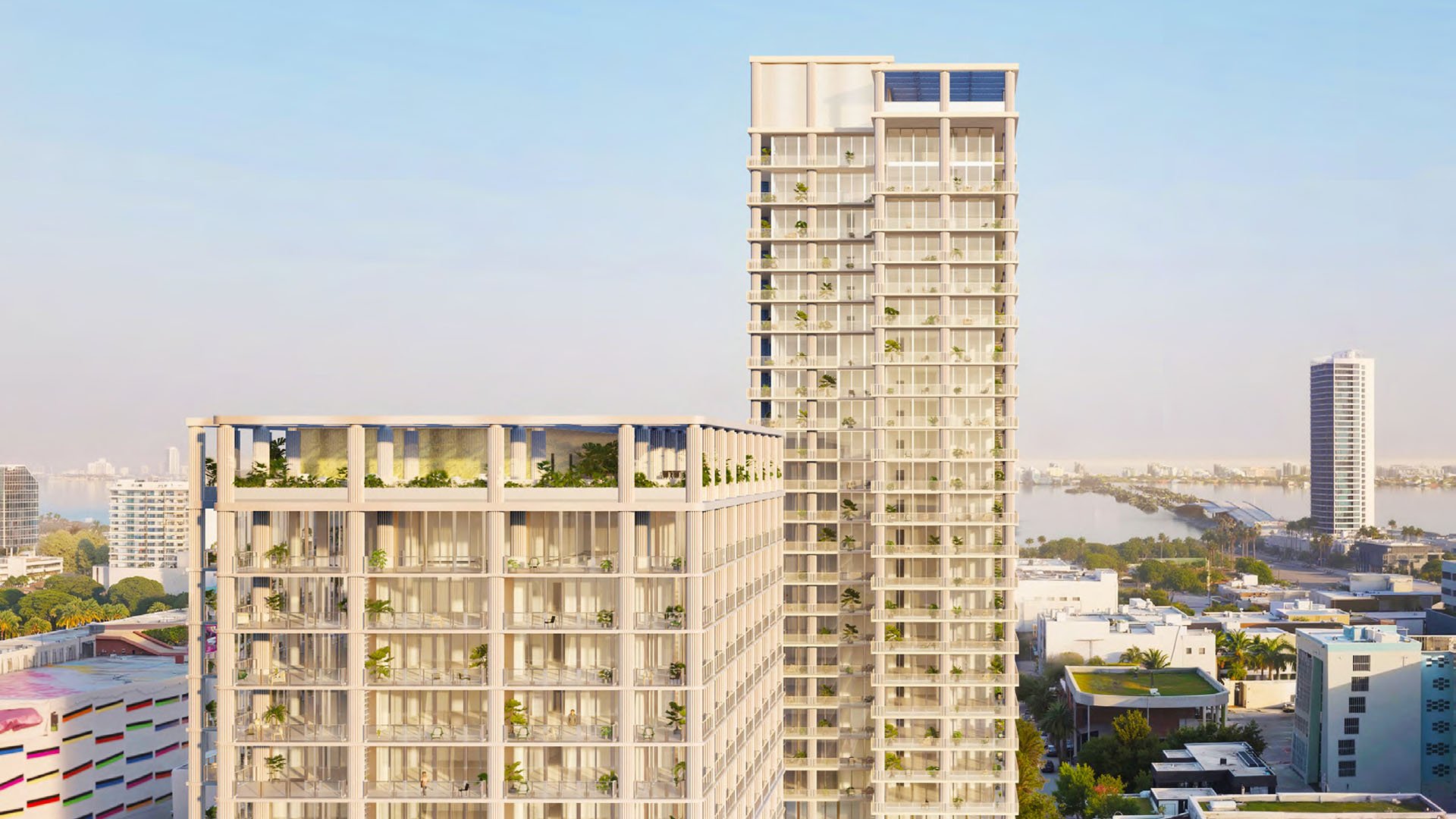
Miami Design Residences Midtown Miami is best understood through a practical question: can the address support the rhythm of full-time living, not just the optics of a Miami purchase? For affluent buyers, that distinction matters. A second home can be judged by drama, view, and arrival. A primary residence has to perform every morning, through every errand, every return from dinner, and every workweek.
That is where Midtown Miami enters the conversation with unusual clarity. The area sits within the gravitational pull of Miami’s design, dining, arts, and retail corridors, while offering a more residential daily cadence than some of the city’s most intensely vertical districts. For buyers evaluating Miami Design Residences Midtown Miami, the strategic appeal is less about any single feature than about how the address may organize a life.
In this context, the primary-residence decision is not merely emotional. It is a blend of access, privacy, building culture, financial planning, and long-term usability. The right Miami home should make the city feel close without making the household feel exposed to constant event energy.
Luxury buyers often begin with finishes, views, and brand language. Those elements matter, but they do not replace the discipline of location analysis. A primary residence needs to reduce friction. That means thinking through grocery runs, fitness routines, work access, school or family obligations, dining habits, airport movement, and how often a resident wants to use the car.
Midtown Miami can appeal to a buyer who values proximity to multiple lifestyle districts rather than a single oceanfront identity. It is not the same proposition as Miami Beach, and it is not the same proposition as Brickell. Its strength is connective. The buyer is not choosing isolation, nor necessarily choosing the most formal business core. The buyer is choosing an address positioned between cultural, commercial, and creative energy.
This is why the comparison set matters. A household looking at Midtown may also examine Frida Kahlo Wynwood Residences if Wynwood is central to its cultural routine, or Kempinski Residences Miami Design District if the Design District profile feels more aligned with its social and retail patterns. These comparisons are not simply about which building is more glamorous. They are about which address best supports actual use.
The most refined buyers tend to slow down precisely when the marketing becomes most seductive. They test the building like owners, not visitors. They ask how the lobby feels at different times of day, how intuitive the parking sequence is, how easily guests can arrive, and whether the surrounding streets feel comfortable for their personal habits.
They also consider the building’s likely social character. A primary residence should not feel transient if the buyer wants consistency, staff familiarity, and neighborly discretion. Conversely, a buyer who enjoys a more fluid, design-forward atmosphere may welcome an address with energy and movement. Neither preference is inherently superior. The mistake is buying one lifestyle while expecting the other.
For new-construction and pre-construction buyers, this analysis requires additional discipline. The finished product may differ in subtle but important ways from the imagined experience. Floor plan efficiency, elevator behavior, amenity placement, storage, pet logistics, and service protocols can become more meaningful than renderings once the residence is occupied full time.
Midtown’s strategic value becomes clearer when placed beside neighboring luxury submarkets. Edgewater often appeals to buyers who want water orientation and a residential tower environment near the urban core. A comparison with The Cove Residences Edgewater may help clarify whether the buyer prioritizes bayfront sensibility or Midtown’s more land-based urban adjacency.
Brickell, by contrast, is typically considered by buyers who want a financial-district rhythm, dense restaurant access, and a more formal high-rise lifestyle. A household also reviewing 2200 Brickell may be weighing a different kind of everyday convenience, one anchored more directly to the city’s business spine.
Wynwood adds another comparison point. Its appeal can be creative, social, and visually expressive. For some buyers, proximity to that energy is enough. For others, living directly within it may feel too active for a primary residence. Midtown can be attractive when the goal is access without total immersion.
A primary-residence strategy should include ownership planning from the outset. Florida residency, homestead considerations, property taxes, insurance, financing structure, and estate planning should be reviewed with qualified advisers before a buyer treats the purchase as settled. The point is not to reduce a home to a spreadsheet. It is to ensure the lifestyle decision is supported by the ownership structure.
Investment thinking also belongs in the conversation, but it should not dominate it. A primary home must first function as a home. Resale logic matters, particularly in a market where buyers compare neighborhoods carefully, but the strongest decision is usually one that balances future liquidity with present livability.
Buyers should ask whether the residence has enough storage for real life, whether the kitchen can support everyday use, whether the bedrooms offer separation, and whether terraces or outdoor areas are genuinely usable. The more time one spends in a residence, the less tolerant one becomes of compromises that looked minor during a showing.
Miami Design Residences Midtown Miami is likely to resonate with a buyer who wants an urban Miami base with design proximity, neighborhood optionality, and a lifestyle that can move easily between dining, culture, work, wellness, and home. It may appeal to a relocator who wants to understand Miami from the inside rather than retreat to a purely resort context.
It may also suit an owner who already knows the city and wants a residence that feels current without being narrowly seasonal. That is an important distinction. The best primary residences in Miami do not only entertain guests. They absorb routines gracefully. They make weeknights easier, weekends more flexible, and the city feel legible.
The decision ultimately turns on fit. A buyer should compare Midtown with Edgewater, Brickell, Wynwood, Miami Beach, and other relevant neighborhoods before deciding. Each offers a different version of Miami luxury. Midtown’s argument is that proximity, design culture, and everyday practicality can be part of the same residential thesis.
Is Miami Design Residences Midtown Miami better suited to full-time living or seasonal use? It can be evaluated as a full-time option because the central question is daily convenience. Seasonal buyers may also consider it, but the primary-residence lens is especially useful here.
What should a buyer focus on first when evaluating Midtown Miami? Start with routine: commuting patterns, dining habits, grocery access, parking flow, guest arrivals, and comfort at different times of day.
How does Midtown differ from Brickell for a primary residence? Brickell generally presents a more business-core lifestyle, while Midtown is often considered for its connective position near creative and design-oriented districts.
Why compare Midtown with Wynwood? Wynwood can be central to a buyer’s cultural and social routine. Comparing both areas helps determine whether direct immersion or nearby access is the better fit.
Should buyers consider Edgewater as an alternative? Yes, especially if water orientation and a bayfront residential feel are priorities. Edgewater and Midtown answer different lifestyle questions.
Do amenities matter less for a primary residence? Amenities still matter, but daily functionality matters more. Storage, floor plan efficiency, service, privacy, and parking can outweigh spectacle.
What does investment mean in a primary-residence context? It means considering resale logic and long-term demand while still prioritizing whether the home genuinely works for daily life.
Are new-construction residences different to evaluate? Yes, because buyers must look beyond presentation materials and study practical details such as layouts, operations, maintenance, and building culture.
Should tax and homestead issues be reviewed before purchase? Yes. Buyers should consult qualified advisers so residency goals, ownership structure, and carrying costs are aligned before closing.
What is the main strategic appeal of Midtown Miami? The appeal is optionality: access to several important Miami lifestyle zones while preserving a practical base for everyday living.
If you'd like a private walkthrough and a curated shortlist, connect with MILLION.
If branded residences are on your mind — as a home or as an allocation — we would be glad to share what we are seeing, privately.
Begin a quiet conversation