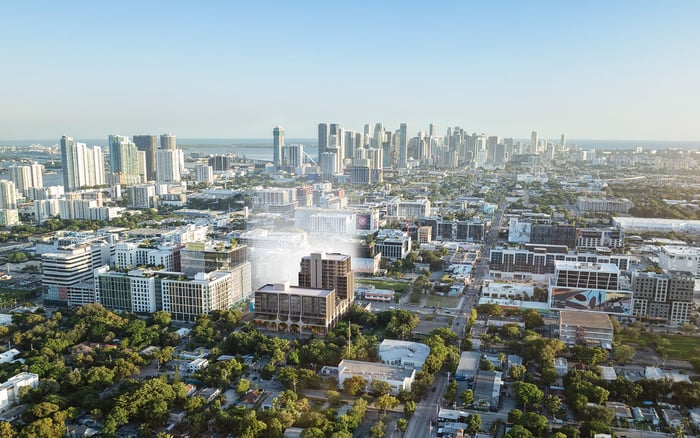
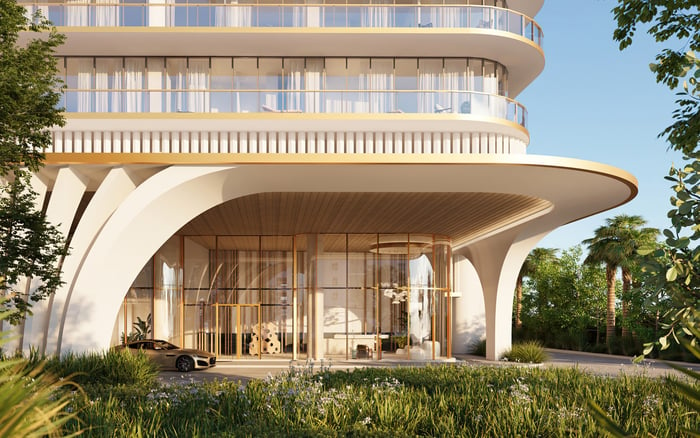
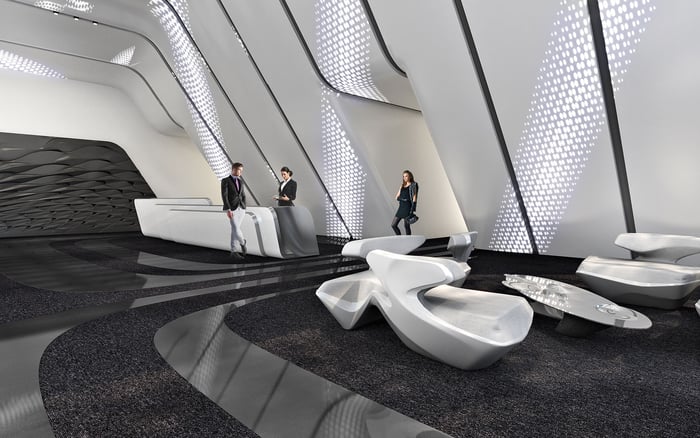
A discreet buyer’s guide to reading building culture in Miami’s luxury market, using One Thousand Museum as the controlled Downtown case study and Wynwood as the more public-facing counterpoint.
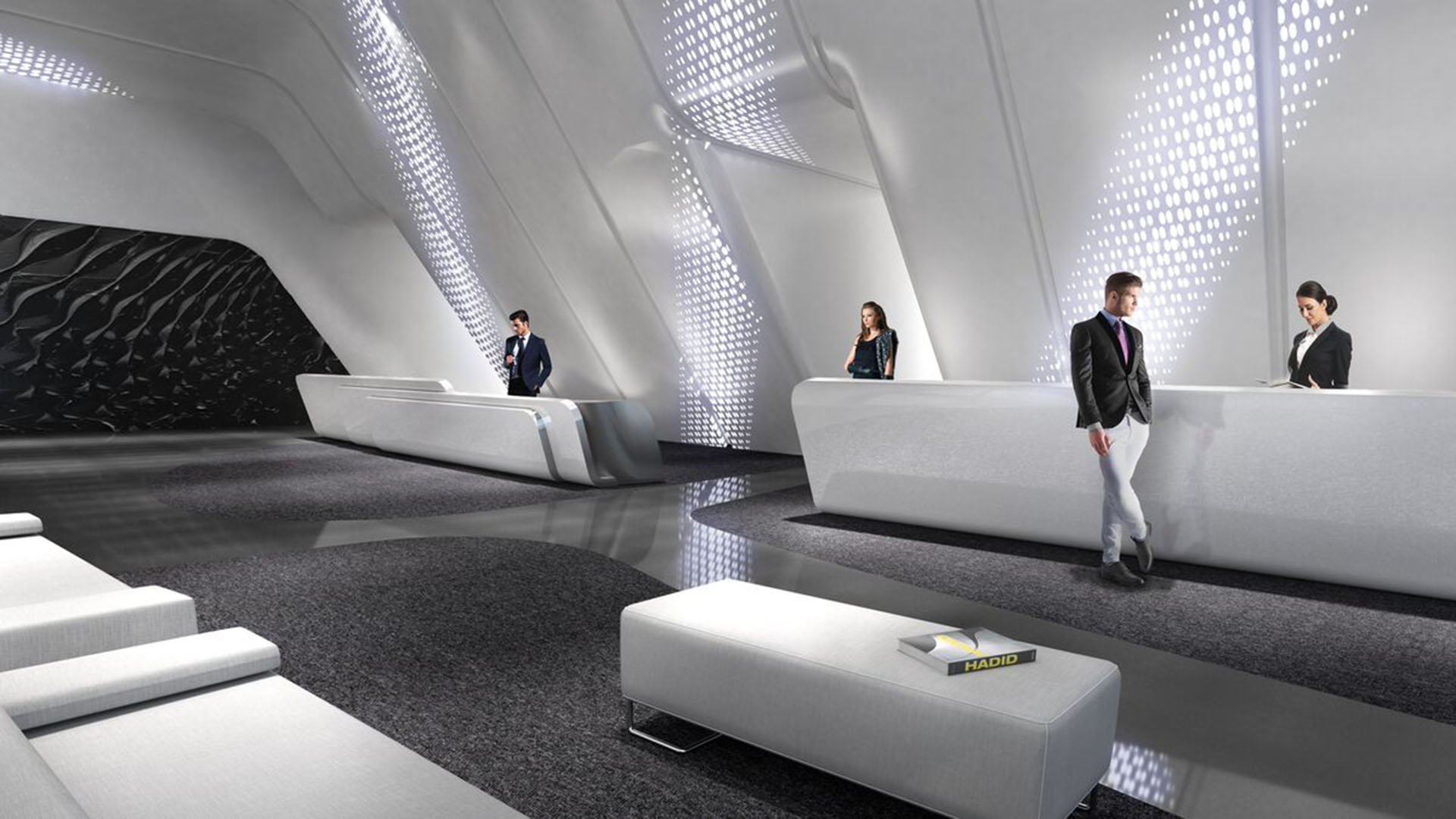
In South Florida’s most rarefied residential market, the first meaningful amenity is not the pool, the lounge, or the view. It is the way a resident arrives, is recognized, is protected, and moves from the public city into a private interior world. That sequence reveals the true culture of a building.
The comparison between One Thousand Museum Downtown Miami and Frida Kahlo Wynwood Residences is useful because the two names speak to very different buyer expectations. One Thousand Museum is defined by architectural exclusivity, controlled privacy, and a design identity that signals global ultra-luxury. Wynwood, by contrast, carries the language of art, visibility, movement, and neighborhood energy. For a buyer, the question is not which culture is better. It is which culture is safer, quieter, and more aligned with the way life is actually lived.
One Thousand Museum reads as a vertical enclave in Downtown, with a culture shaped by seclusion, service, and sanctuary-like separation from the surrounding city. Its identity is not casual condominium living. It is a controlled environment designed for residents who expect discretion to be embedded in the building’s daily operations.
That culture begins before the front door. A tightly choreographed arrival sequence changes the psychology of coming home. The experience positions the resident as a principal, not simply a customer. Circulation, greeting, access, and handoff all become part of the privacy architecture. For certain buyers, especially those with public profiles, family offices, security details, or frequent guests, that sense of being shielded is not decorative. It is practical.
This is why One Thousand Museum remains a useful reference when discussing Downtown privacy. It demonstrates how signature architecture can do more than produce an iconic skyline object. It can create a social contract among residents, staff, and guests: access is limited, service is personalized, and the building’s interior world is protected.
Wynwood is read differently by luxury buyers. Its appeal is tied to public life, creative identity, galleries, restaurants, design energy, and the pleasure of living close to cultural motion. That makes the Wynwood conversation around Frida Kahlo Wynwood Residences especially interesting. The name belongs to a district where residential value is often connected to neighborhood presence rather than withdrawal from it.
For buyers, this creates a different type of diligence. In a public-facing arts district, discretion depends less on pure separation and more on how intelligently a residence manages the threshold between street energy and private life. The best question is not whether the building feels exciting. It is whether arrival, package handling, visitor processing, service circulation, and resident movement can remain calm when the neighborhood is active.
This is the central distinction. Downtown’s ultra-prime privacy model tends to favor controlled access and enclosure. Wynwood’s cultural model asks whether a residence can preserve discretion without denying the district’s character.
Security posture should match the buyer’s lifestyle, not merely the price point. A closed, fortress-like posture suits residents who value invisibility, predictable access, and minimized friction with the public realm. One Thousand Museum’s culture points in that direction: controlled, club-like, and service-led.
Other Downtown comparisons show how buyers increasingly evaluate buildings by both identity and operations. Someone considering Aston Martin Residences Downtown Miami or Waldorf Astoria Residences Downtown Miami may be drawn first by architecture, brand, or skyline position, but the deeper question remains operational. Who sees the guest arrive? How much interaction is required at the entrance? Can a family member, driver, advisor, or private chef move through the building without creating exposure?
For some owners, total invisibility is less important than ease. For others, it is the entire point. A building that feels too public may become exhausting, while one that feels too sealed may feel emotionally distant. The right answer is personal.
Guest discretion is often misunderstood. It is not only about hiding names or limiting access. It is about preserving dignity, reducing unnecessary contact, and allowing residents to host without turning every visit into a visible event. In the highest tier of the market, that can matter as much as floor height or finishes.
At One Thousand Museum, the guest model is best understood through the lens of private-principal treatment. The building culture suggests that the resident’s world is managed with restraint. Visitors are not merely processed. They are absorbed into a service environment that protects the resident’s social and professional boundaries.
In Wynwood, guest discretion may require a more nuanced reading. The neighborhood’s energy can be an asset for collectors, founders, creatives, and second-home owners who want cultural proximity. But the building must still answer the same questions: where does the guest wait, who observes the exchange, how direct is the elevator path, and how consistently does staff execute the protocol?
Investment in ultra-luxury Miami is no longer only a view, brand, or square-footage calculation. Building culture can influence long-term desirability because it shapes whether residents feel protected, recognized, and at ease. A residence may photograph beautifully, but if the arrival feels exposed or the guest protocol feels improvised, the buyer pool narrows.
This matters in both established and new-project conversations. In Downtown, controlled arrival can strengthen the perception of permanence and asset quality. In Wynwood, the opportunity is different: a residence must translate district energy into livability without losing privacy. That balance can be compelling, but it deserves careful inspection.
Buyers looking across Miami may also compare the discretion of One Thousand Museum with the branded-service cultures of Faena Residences Miami Downtown Miami or the urban lifestyle orientation of ORA by Casa Tua Brickell. None of these decisions should be reduced to a logo. The real test is whether the building’s daily rituals match the owner’s risk profile, entertaining style, and appetite for visibility.
Before falling in love with a lobby, study the arrival sequence as if it were a private residence. Arrive at different hours. Notice whether the threshold feels calm or performative. Ask how guests are announced, where drivers wait, how deliveries are separated, and how staff manages unexpected arrivals.
Then consider the emotional tone. Does the building make you feel protected or watched? Does it create ease for family members? Does it suit a principal who wants low visibility? Does it suit a buyer who wants cultural proximity and a more expressive setting? These questions are especially important when comparing Downtown with Wynwood.
The most sophisticated buyers understand that ultra-modern design is only part of luxury. The lasting value is in the choreography of daily life. In Miami, that choreography now begins at the curb.
Why is arrival sequence important in a luxury condominium? It shows how the building manages privacy, recognition, access, and the transition from the public realm to the resident’s private world.
What makes One Thousand Museum a strong privacy case study? Its culture is centered on architectural exclusivity, controlled access, personalized service, and sanctuary-like separation within Downtown.
Is Wynwood less private than Downtown? Not automatically. Wynwood is more public-facing culturally, so buyers should study how a building manages thresholds, guests, and circulation.
What should buyers ask about guest discretion? Ask how visitors are announced, where they wait, who can observe arrivals, and whether service routes reduce unnecessary exposure.
Does signature architecture affect security expectations? Yes. In a building such as One Thousand Museum, architectural identity can raise expectations for privacy, exclusivity, and operational control.
Is a fortress-like security posture always better? No. It suits some principals, but other buyers may prefer a softer, more social building culture with less formality.
How should investors evaluate building culture? They should consider whether the building’s daily operations support lasting desirability for the specific buyer pool it aims to serve.
Can an arts-district residence still feel discreet? Yes, if arrival, access control, staffing, and resident circulation are designed to protect privacy without erasing neighborhood energy.
What is the key difference between Downtown and Wynwood in this discussion? Downtown emphasizes controlled enclosure, while Wynwood introduces a stronger relationship with public culture and street-level vitality.
What is the simplest buyer test before choosing between them? Decide whether you want your home to function primarily as a private enclave or as a discreet base within a culturally active district.
For a confidential assessment and a building-by-building shortlist, connect with MILLION.
If branded residences are on your mind — as a home or as an allocation — we would be glad to share what we are seeing, privately.
Begin a quiet conversation