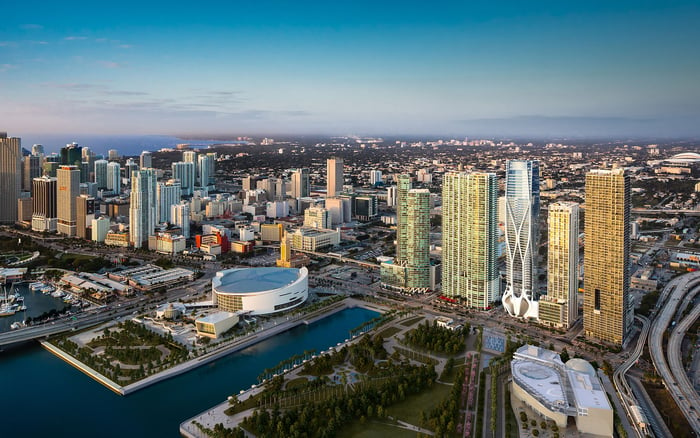
For buyers drawn to Miami’s creative energy but unwilling to sacrifice daily ease, the real choice is less about trend and more about temperament. Wynwood offers immersion in visual culture, independent concepts, and a looser residential fabric. Midtown Miami answers with a master-planned setting, walkable essentials, and a more polished cadence. In today’s more normalized market, lifestyle fit matters at least as much as momentum, and for most buyers seeking both creativity and routine, Midtown tends to deliver the steadier match.
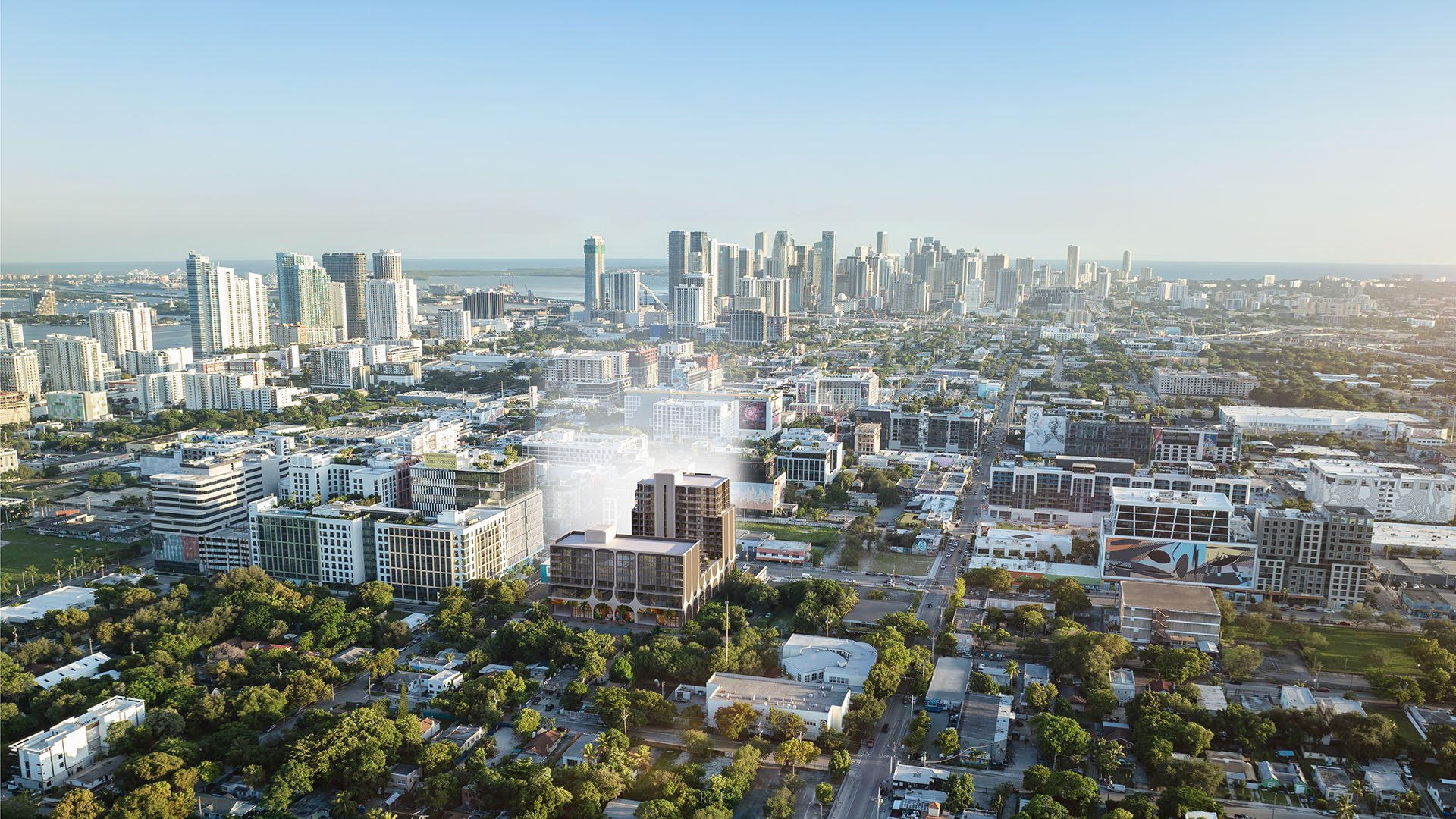
For a certain kind of buyer, both Wynwood and Midtown Miami stand out as obvious contenders. Each sits within Miami’s creative core. Each offers immediate access to dining, culture, and a highly visual streetscape. Each appeals to residents who want city life with a design-minded point of view.
But for buyers who still want polished residential routines, the distinction becomes clearer once you move beyond aesthetic cues. Wynwood is organic, mural-forward, and socially dynamic. Midtown Miami is more composed, more managed, and more consistent in the way daily life unfolds.
That difference matters because the market no longer rewards impulsive buying the way it once did. In a more normalized environment, choosing the neighborhood that best supports your actual habits often matters more than choosing the one with the louder cultural cachet. For MILLION Luxury readers, that means asking a simple question: do you want to live inside creativity, or next to it with stronger residential order?
Wynwood remains one of Miami’s most recognizable creative districts for good reason. Its identity is rooted in visual culture, street art, galleries, warehouse conversions, and independent food-and-beverage concepts that keep the neighborhood feeling in constant motion. Buyers who choose Wynwood are rarely choosing uniformity. They are choosing atmosphere.
That atmosphere can be intoxicating. The public realm feels expressive rather than polished. Streets invite wandering rather than programmed routine. Residential inventory reflects that mix, with loft-style options and newer condominiums spanning a broad range of price points and lifestyle expectations. Some buyers find that variability refreshing because it allows for more personality and less sameness.
For someone who wants to feel plugged into Miami’s creative pulse every time they step outside, Wynwood has an advantage Midtown cannot fully replicate. It is less curated and more instinctive. That distinction is exactly why projects such as Frida Kahlo Wynwood Residences resonate with buyers who see home as part of a larger artistic identity rather than purely a service-driven residential proposition.
The trade-off matters just as much. Building quality, amenities, and service levels can vary more noticeably from one address to another. If your ideal morning involves predictability, highly managed common areas, and a calmer transition from private life to public life, Wynwood may demand more flexibility than you prefer.
Midtown Miami’s appeal is not accidental. It is the result of a master-planned mixed-use framework that combines residences, retail, restaurants, and services into an integrated urban village. For buyers who want creativity without giving up order, this is often the stronger proposition.
What Midtown offers is rhythm. Walkability is built into the neighborhood rather than discovered block by block. Daily errands feel compressed into a manageable radius. Dining and shopping are not simply nearby; they are embedded in the district’s design logic. That structure creates a more predictable live-work-shop pattern that many luxury buyers value more than they initially admit.
It also helps explain why Midtown can feel more polished at the residential level. Managed buildings, centralized amenities, and planned circulation support a concierge-adjacent lifestyle, even while the atmosphere remains urban and energetic. Buyers who want culture, but do not want to navigate the friction that sometimes accompanies a more improvisational neighborhood, often find Midtown easier to commit to.
That preference aligns naturally with projects that emphasize refined urban living near Miami’s design ecosystem, including Miami Design Residences Midtown Miami and Kempinski Residences Miami Design District. Both speak to the buyer who values creative proximity but wants the residential experience to feel composed rather than bohemian.
Luxury buying decisions are often framed around taste, but daily logistics usually determine long-term satisfaction. This is where Midtown gains ground.
In both neighborhoods, urban parking considerations remain part of the ownership equation. Yet Midtown’s planned format more often incorporates structured parking and a clearer sense of circulation into residential life. That may sound secondary at first, but for a full-time owner, convenience compounds. The easier the arrival, the easier the routine.
The same logic applies to essential services. Midtown’s concentration of retail and dining supports a more self-contained lifestyle. You are less likely to feel that every errand or casual plan requires improvisation. Wynwood, by contrast, rewards exploration. That is a strength if you enjoy variation, but it can feel less seamless if you want the neighborhood to function almost like an extension of a managed residential building.
For buyers considering nearby alternatives with a similarly polished urban cadence, Aria Reserve Miami in Edgewater and Casa Bella by B&B Italia Downtown Miami in Downtown illustrate how many affluent purchasers prioritize service, finish, and effortless daily movement alongside cultural access.
Across Miami’s urban core, pricing tends to reflect not just location but lifestyle packaging. Wynwood offers active residential inventory that can range from more entry-minded creative stock to newer luxury product. Midtown, by comparison, generally reaches more polished lifestyle tiers, particularly for buyers who place a premium on consistency, managed amenities, and integrated convenience.
That does not automatically make Midtown the better value. It makes it the more deliberate purchase for a buyer who knows exactly what kind of residential experience they want. In many cases, the premium is not for square footage alone. It is for reduced friction.
Wynwood can still represent compelling value for buyers who prioritize identity over standardization. If your home decision begins with cultural immersion and only then moves to building polish, the neighborhood can feel more emotionally persuasive. If your decision starts with routine and only then asks for creative access, Midtown tends to feel more fully resolved.
Because both neighborhoods sit within the same Miami-Dade County taxation framework, the comparison is less about county-level ownership structure and more about how each district translates costs into everyday use. The sharper question is not what you pay in theory. It is what kind of life that payment buys.
The right choice depends on what you mean by creative living.
Choose Wynwood if you want to live inside a visibly artistic public realm, if independent concepts matter more to you than polished uniformity, and if you are comfortable accepting more variation in building character and service. It suits buyers who want creativity first and are willing to let polish play a secondary role.
Choose Midtown Miami if you want a neighborhood where culture is present but daily life feels more controlled. It suits buyers who want common areas to feel considered, errands to be simple, and the transition between home, dining, and social life to be smoother. It is particularly appealing for full-time residents and frequent Miami users who value reliable cadence over improvisation.
There is also a subtler distinction in the type of culture each neighborhood privileges. Wynwood is street-led and expressive. Midtown benefits from proximity to a more curated design sensibility within the larger urban ecosystem. For some buyers, that means Midtown feels less raw but more livable.
If the goal is creative energy with polished residential routines, Midtown Miami generally offers the clearer answer. Its master-planned structure, walkable convenience, and more managed residential environment make it easier to sustain as a daily lifestyle, not just an exciting address.
Wynwood remains deeply compelling and, for many buyers, more emotionally charged. It is where art, identity, and spontaneity are woven directly into the neighborhood fabric. But it asks for a higher tolerance for variability, and that is not always what affluent buyers mean when they say they want luxury with edge.
For most people trying to balance both instincts, Midtown delivers culture without sacrificing composure. Wynwood wins when creative identity matters more than residential regularity. Midtown wins when you want your creativity framed by structure.
Is Wynwood or Midtown Miami better for full-time living? Midtown Miami is usually the easier fit for full-time living because the neighborhood is designed around a more predictable daily routine.
Does Wynwood feel more creative than Midtown? Yes. Wynwood’s identity is more visibly rooted in murals, galleries, and street-level artistic energy.
Is Midtown Miami more polished than Wynwood? In most cases, yes. Midtown tends to offer a more managed, infrastructure-led residential experience.
Which neighborhood is better for buyers who want walkability? Both are walkable, but Midtown often feels more intentionally organized for errands, dining, and daily convenience.
Are there luxury residences in Wynwood? Yes. Wynwood includes newer condominium options alongside loft-style inventory, with offerings that reach into luxury positioning.
Does Midtown Miami command higher pricing tiers? It often does, especially where buyers are paying for polished amenities and a more complete live-work-shop environment.
Is parking easier in Midtown than in Wynwood? Generally, Midtown has an advantage because planned residential formats more often incorporate structured parking.
Who should choose Wynwood over Midtown? Buyers who want creative identity first and who are comfortable with more variation in building experience are often better matched to Wynwood.
Who should choose Midtown over Wynwood? Buyers who want culture paired with predictable routines, polished common areas, and integrated convenience usually prefer Midtown.
What is the simplest way to decide between them? If you want creative plus polished routine, Midtown is usually the better match. If you want creative first and polish second, choose Wynwood.
When you're ready to tour or underwrite the options, connect with MILLION Luxury.
If branded residences are on your mind — as a home or as an allocation — we would be glad to share what we are seeing, privately.
Begin a quiet conversation