A buyer-focused look at why Miami Beach remains a compelling answer to three practical coastal concerns: access, exposure, and seasonal density.
For South Florida luxury buyers, Miami Beach is rarely judged on beauty alone. The more meaningful questions are practical and personal: How easily can one reach the sand? How will wind shape daily life on terraces and balconies? How does the neighborhood feel when seasonal demand is at its highest?
These questions matter because the best coastal ownership is not simply about proximity to the Atlantic. It is about predictability. A residence should make the beach feel effortless, outdoor space feel usable, and peak-season energy feel like an asset rather than an intrusion. Read carefully, Miami Beach offers a nuanced answer to all three.
The city’s appeal lies in its compression of experiences. Oceanfront living, resort atmosphere, residential side streets, marina culture, dining, wellness, and design are layered within a relatively compact setting. That density can be glamorous, but it also demands discernment. Two homes may sit within the same broad market and still deliver very different experiences of access, wind, and crowding.
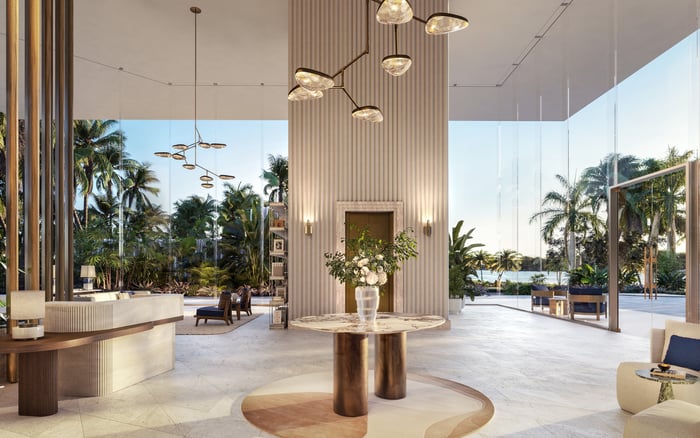
In luxury real estate, beach access is often treated as a simple matter of footsteps. The sharper question is whether beach life becomes part of the residence’s daily rhythm. A buyer should consider how one exits the building, where service areas sit, whether returning from the sand feels private, and how the lobby sequence supports an easy transition from ocean to home.
Oceanfront buildings have the clearest advantage, but not all oceanfront experiences feel identical. Some residences emphasize a resort-style arrival to the beach, while others favor discretion and quiet circulation. For owners who plan to use the beach early in the morning, after a workout, or with visiting family, these subtleties become significant.
There is also a difference between seeing the ocean and living with the ocean. A home may deliver cinematic water views yet still feel removed from the sand if access is indirect or operationally cumbersome. Conversely, a more understated residence can feel deeply connected to beach life when the path is intuitive, secure, and uncrowded.
For the ultra-premium buyer, the ideal Miami Beach property makes the shoreline feel accessible without making the home feel exposed. That balance is one reason oceanfront living continues to command attention: it creates emotional immediacy while preserving the possibility of private retreat.
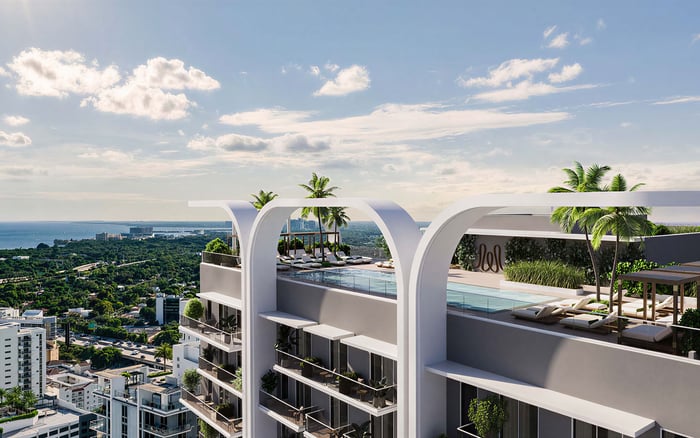
Wind is part of the coastal equation, and sophisticated buyers do not treat it as a nuisance. They study it as a design condition. Orientation, elevation, balcony depth, terrace configuration, glass specification, landscaping, and building massing can all affect how outdoor space performs.
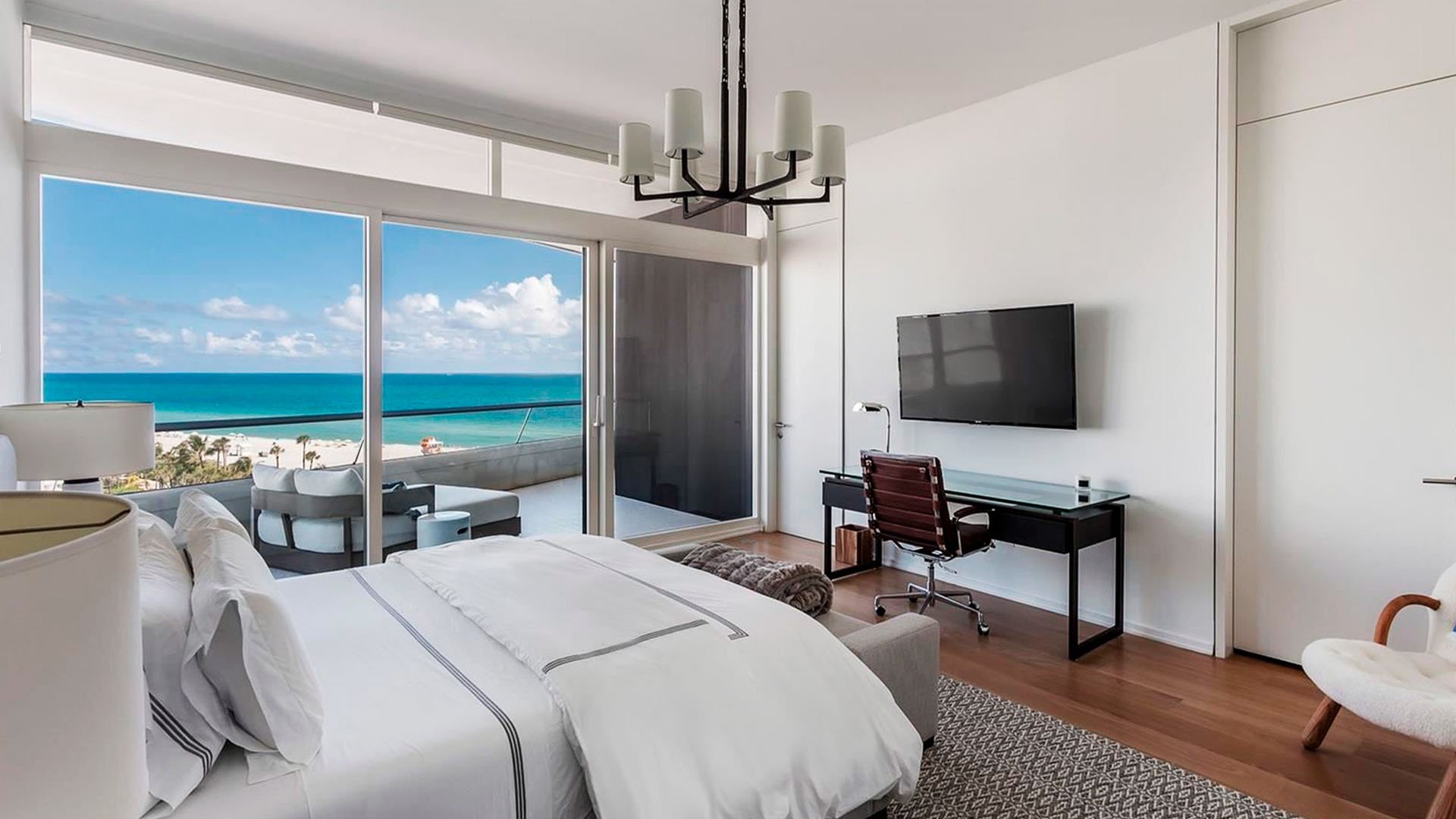
A balcony with a magnificent view is only as valuable as its usability. Some buyers prefer wide, sheltered terraces that function as outdoor rooms. Others accept a more exposed setting in exchange for open views and a stronger sense of ocean drama. The right answer depends on lifestyle, not on a universal formula.
High-floor residences can offer extraordinary horizons, but they may also require more attention to how outdoor areas are used throughout the day. Lower and mid-level residences may feel more connected to landscaping, pools, and the pedestrian scale of the neighborhood. Buyers comparing levels should consider not only view corridors, but also comfort, sound, privacy, and the intended use of exterior space.
Wind exposure also changes the meaning of floor plan. Flow-through layouts, protected corners, recessed terraces, and multiple exposures can create flexibility. If one side of a residence feels breezier at a particular moment, another seating area may remain calm. In this sense, the most successful homes do not fight the coastal environment. They choreograph it.
Peak-season crowding is not a single Miami Beach experience. It varies by block, building type, arrival sequence, parking or valet design, amenity programming, and proximity to major dining or hospitality nodes. A buyer who understands this rhythm can choose energy or calm with far greater precision.
Some owners want the city at full volume. They value the sense of arrival, the restaurants, the social calendar, and the feeling that the neighborhood is alive. Others want the benefits of Miami Beach without the daily intensity. The market accommodates both, but it requires careful selection.
South of Fifth remains a useful phrase in the buyer vocabulary because it evokes a distinct residential expectation: close to the larger South Beach identity, yet often discussed for a more composed residential tone. Buyers should still evaluate each building and street on its own merits, but the neighborhood lens can help frame the conversation.
The same is true across Miami Beach more broadly. A residence near prominent commercial activity will not feel like one tucked into a quieter residential pocket. Neither is inherently superior. The question is whether the level of activity outside the door matches how the owner intends to live during the busiest months.
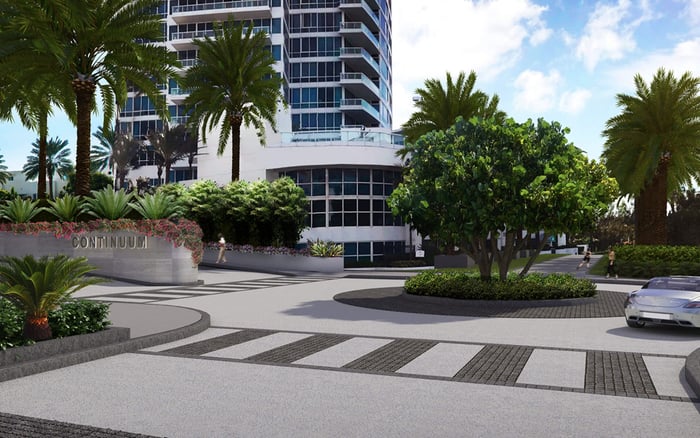
The most compelling Miami Beach residences solve crowding not by pretending it does not exist, but by insulating the owner from its inconveniences. Private elevators, controlled arrivals, generous amenity decks, thoughtful pool layouts, and well-managed service areas can make a building feel serene even when the broader city is active.
This is where luxury shifts from finishes to operations. A beautiful lobby matters, but so does how efficiently guests are received, how deliveries are handled, how residents move from car to residence, and how amenities absorb demand. Peak season reveals the difference between architecture that photographs well and buildings that live well.
For second-home owners, this distinction is especially important. They may arrive during the very weeks when demand is highest. The right residence should feel immediately composed, allowing the owner to step into a prepared environment rather than negotiate the friction of a busy coastal city.
A disciplined Miami Beach search can be organized around three words: access, exposure, and retreat. Access asks how effortlessly the owner reaches the beach and neighborhood amenities. Exposure asks how the residence handles wind, sun, sound, and view. Retreat asks whether the home provides a true private counterpoint to public energy.
This framework prevents a buyer from overvaluing a single feature. A spectacular view may not compensate for outdoor space that is rarely used. Immediate beach access may not be enough if the building feels overwhelmed in season. A quiet location may not satisfy an owner who wants dining and nightlife within close reach.
The strongest purchases tend to align the owner’s actual habits with the building’s daily performance. Morning swimmers, terrace entertainers, frequent hosts, wellness-focused families, and seasonal residents all require different answers. Miami Beach is not one product. It is a set of finely differentiated residential conditions along a world-recognized shoreline.
For buyers at the top of the market, the opportunity is to move beyond the postcard and into the particulars. The right home makes the ocean present, the wind manageable, and the season enjoyable. That is the real luxury: not escape from Miami Beach’s energy, but mastery of it.
Is beach access the most important factor when buying in Miami Beach? It is one of the most important factors, but it should be weighed alongside privacy, building operations, exposure, and the owner’s daily routine.
Does an oceanfront residence always offer the best lifestyle? Not always. Oceanfront can be exceptional, but the quality of access, privacy, amenity flow, and outdoor usability all matter.
How should buyers think about wind exposure? Buyers should study orientation, terrace depth, elevation, and how the residence offers sheltered outdoor or indoor alternatives.
Are high-floor residences always preferable? High-floor residences can provide dramatic views, but some buyers may prefer lower levels for a calmer connection to amenities, gardens, or pool areas.
What makes peak season manageable in a luxury building? Strong arrival design, privacy, efficient service areas, and well-scaled amenities can help a residence feel composed during busy periods.
Is South of Fifth a good fit for buyers seeking calm? South of Fifth is often considered by buyers seeking a more residential tone, but each building and block should be evaluated individually.
How important is a balcony in Miami Beach? A balcony can be highly valuable when it is deep, protected, and positioned for the way the owner actually plans to use it.
Should seasonal residents choose differently than full-time residents? Yes. Seasonal residents often arrive during high-demand periods, so operational ease and privacy may deserve extra emphasis.
Can Miami Beach feel private during busy months? It can, particularly in residences where controlled access, amenity planning, and building management create a strong sense of retreat.
What is the best way to shortlist comparable options for touring? Start with location fit, delivery status, and daily lifestyle priorities, then compare stacks and elevations to validate views and privacy.
For a discreet conversation and a curated building-by-building shortlist, connect with MILLION.
If branded residences are on your mind — as a home or as an allocation — we would be glad to share what we are seeing, privately.
Begin a quiet conversation