A buyer-oriented look at why exterior glass care at Four Seasons Hotel & Private Residences Fort Lauderdale is really a larger question of governance, service standards, and lock-and-leave confidence.

At Four Seasons Hotel & Private Residences Fort Lauderdale, window washing may sound too tactical to influence a luxury purchase. It is not. For a part-time owner, exterior glass care is one of the clearest signals of whether the building truly functions as a lock-and-leave residence or merely presents itself that way.
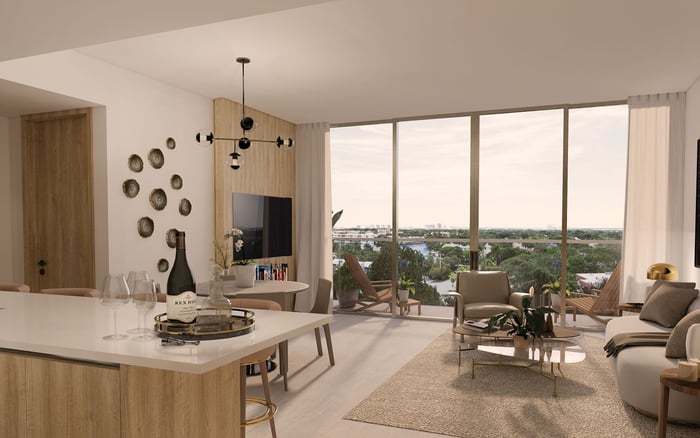
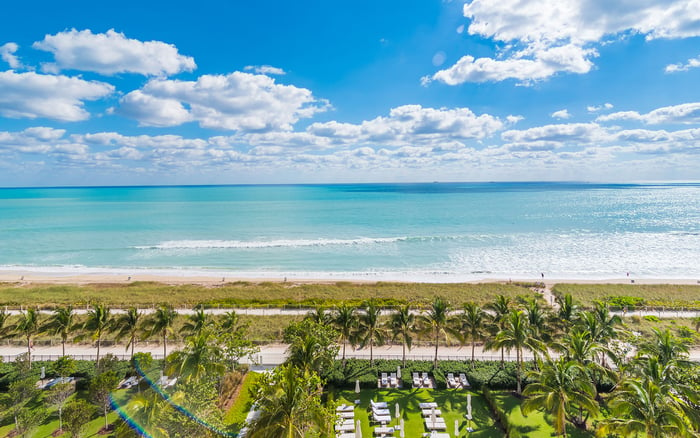
In a coastal Fort Lauderdale setting, glass, balcony edges and façade presentation carry more weight than they might inland. The view is not background scenery. It is a core component of the purchase, the daily ritual and the perceived value of the home. If owners arrive after weeks away and the residence does not feel visually guest-ready, the promise of effortless ownership begins to weaken.
That is why window-washing cadence should be read as a proxy. It reveals how the property approaches preventive maintenance, how decisions are funded, who controls service timing and whether presentation standards are systematic or complaint-driven.
Four Seasons Hotel & Private Residences Fort Lauderdale is positioned as a branded hotel and private residential development, placing it in a different category from a conventional standalone condominium. A hybrid hospitality-and-residential asset must serve transient hotel guests and private residence owners at the same time. That duality can be powerful when operations are aligned, but it also requires buyers to understand exactly where responsibility begins and ends.
The owner expectation is naturally elevated. Branded-residence buyers often assume hotel-grade upkeep in common areas and exterior presentation. Yet the practical test is not the brand name alone. The buyer should ask how the association, management structure and service contracts convert that expectation into a repeatable operating plan.
This is where Fort Lauderdale comparisons become useful. The same buyer considering Auberge Beach Residences & Spa Fort Lauderdale, The Ritz-Carlton Residences® Fort Lauderdale and St. Regis® Residences Bahia Mar Fort Lauderdale is often evaluating not only architecture and location, but also the credibility of service delivery after closing.
The lock-and-leave buyer is not asking for perfection in the abstract. The real question is simple: can the residence remain visually pristine without the owner personally coordinating exterior service, calling management or planning arrivals around maintenance?
For a seasonal or second-home owner, that matters. A private residence should feel prepared when the elevator doors open, even after a period of vacancy. Clean glass reinforces the sense that the home has been continuously cared for, while inconsistent exterior maintenance can make even an exceptional residence feel unattended.
Buyers should avoid assuming a specific cleaning frequency unless it is verified in building documents or confirmed directly by management. The more important issue is whether the cadence is proactive and systematic. A building that cleans only after repeated owner complaints communicates a different operating culture than one with a defined schedule, a funded budget line and clear execution responsibilities.
The same logic applies beyond the windows. Balcony glass, exterior railings, façade materials and access protocols all sit within the broader owner experience. In Broward, the Oceanfront, Balcony, Second-home and Condo-hotel categories often converge around one shared issue: whether the building can protect the view while reducing owner friction.
The view may sell the emotion, but the documents explain the lifestyle. Before treating any branded beachfront residence as truly lock-and-leave, buyers should request the façade-cleaning schedule, the exterior window service contract, budget allocations for recurring maintenance and any rules governing balcony or glass access.
The key is to identify who controls the schedule. Is it set through the residential association, hotel operations, a shared governance structure or a third-party service provider? Is the cost embedded in recurring owner expenses, separately assessed or handled through a defined building budget? Are there limitations on when crews can access private terraces or exterior-facing areas?
These questions are not adversarial. They are the proper etiquette of high-value ownership. A sophisticated buyer is not questioning whether the building intends to remain polished. The buyer is confirming that the operating system exists before relying on it.
For buyers also studying riverfront or inland alternatives such as Riva Residenze Fort Lauderdale, the same principle applies, though the environmental conditions and view corridors may differ. Exterior care remains part of the value proposition when glass, water and sunlight define the daily experience.
Luxury buyers often focus on service because it is what they feel first. Governance is less visible, but it is what sustains the experience over time. Window washing sits directly between the two.
Service answers the immediate question: does the glass look clean when I arrive? Governance answers the deeper one: why does it look clean, who made sure it happened, who paid for it and what happens if the standard slips?
In a branded residence, that distinction matters because the owner is buying into a promise of continuity. Hotel-grade presentation should not depend on an individual manager’s personal attention or an owner’s persistence. It should be supported by contracts, procedures, access rules, communication standards and budget discipline.
The strongest lock-and-leave buildings make maintenance feel invisible. Owners do not need to know the day a crew arrived. They simply experience the result: clear glass, orderly terraces, composed common areas and a residence that feels ready. But invisible service should never mean undocumented service. In due diligence, the paper trail is the comfort.
A buyer evaluating Four Seasons Hotel & Private Residences Fort Lauderdale should treat window washing as part of a larger ownership audit. Start with the operational documents, then move to the physical experience.
First, confirm whether the exterior-cleaning program is scheduled in advance and how frequently it is reviewed. Second, examine how costs are funded and whether the budget appears to support the standard being promised. Third, understand access rules for balconies, private terraces and exterior glass. Fourth, ask how owners are notified before scheduled work and how missed areas or weather disruptions are handled.
Finally, visit with a critical eye. Look at the glass from inside the residence and from the amenities. Observe common areas, balcony lines and façade consistency. In coastal luxury, the difference between acceptable and exceptional often appears in the details no one mentions during the first showing.
Window-washing cadence is not a housekeeping footnote. At Four Seasons Hotel & Private Residences Fort Lauderdale, it becomes a discreet but revealing test of whether lock-and-leave ownership is supported by true operational discipline.
The buyer should not demand a universal answer because no single cadence applies to every building, exposure or season. Instead, the buyer should demand clarity. Who schedules the work? Who funds it? Who monitors completion? What is the escalation process if the standard is not met?
When those answers are clear, the branded-residence promise becomes more tangible. The owner can leave, return and trust that the home has remained part of a managed environment rather than a private responsibility waiting to be resumed.
Why does window washing matter so much at a luxury coastal residence? Exterior glass frames the view, and the view is a major part of perceived value. Clean glass also signals disciplined building operations.
Is there a verified window-washing frequency for Four Seasons Hotel & Private Residences Fort Lauderdale? A specific cadence should not be assumed without reviewing building documents or receiving confirmation from management.
What should a lock-and-leave buyer ask first? Ask who controls, funds and schedules exterior glass and façade maintenance. Then request the relevant contracts, budgets and access rules.
Is window washing just a housekeeping issue? No. It is a governance and service question because it reflects how consistently the building protects its presentation standards.
Why is this especially relevant for part-time owners? Part-time owners need the residence to feel guest-ready after vacancy. They should not have to coordinate basic exterior presentation themselves.
Do branded residences automatically provide hotel-grade upkeep? Buyers may reasonably expect elevated standards, but they should verify how those standards are documented and executed.
What role does the balcony play in the analysis? Balcony glass, railings and access rules affect both the view and the practical ability to maintain exterior areas efficiently.
How should buyers compare Fort Lauderdale branded residences? Compare not only amenities and location, but also the clarity of maintenance governance, service contracts and owner communication.
What is the best sign of a strong maintenance culture? A proactive, scheduled program with defined funding and clear responsibility is stronger than a reactive, complaint-driven approach.
What is the final takeaway for buyers? The best lock-and-leave experience depends on invisible service supported by visible documentation.
To compare the best-fit options with clarity, connect with MILLION.
If branded residences are on your mind — as a home or as an allocation — we would be glad to share what we are seeing, privately.
Begin a quiet conversation