A discreet buyer’s lens on how Alina Residences Boca Raton and Park Grove Coconut Grove speak to wellness, indoor air expectations, recovery spaces, and long-term luxury value in two distinct South Florida settings.

South Florida luxury buyers are asking a more sophisticated question than whether a residence feels prestigious. They want to know whether prestige translates into measurable comfort, credible wellness, and restorative daily living. That is what makes the comparison between Alina Residences Boca Raton and Park Grove Coconut Grove so revealing. Both names sit comfortably within the language of high-end residential aspiration, yet they invite different forms of scrutiny.
The issue is not which address is louder. It is which environment best supports the way a buyer actually lives. A Boca Raton resident may prioritize privacy, calm, and a measured club-like cadence. A Coconut Grove buyer may be drawn to texture, canopy, bay proximity, and the cultural ease of an established Miami village. Similar prestige can produce very different answers once the discussion moves from surfaces to wellness credibility, air quality, and recovery spaces.
For MILLION readers comparing Boca Raton with Coconut Grove, the relevant distinction is not a simple north-versus-south choice. It is a question of rhythm. Wellness is felt in the transition from elevator to residence, the quiet of a primary suite, the usefulness of amenity spaces after travel, and the quality of air when doors remain closed during heat, rain, or high-pollen days.
Wellness has become one of luxury real estate’s most repeated words. The challenge is that repetition can dilute meaning. A credible wellness proposition should be legible in design, operations, and resident behavior. It should not rely only on spa-like imagery or a room labeled for recovery. Buyers should ask what the building encourages every day: movement, rest, social ease, privacy, light, hydration, quiet, and recovery from long travel or demanding schedules.
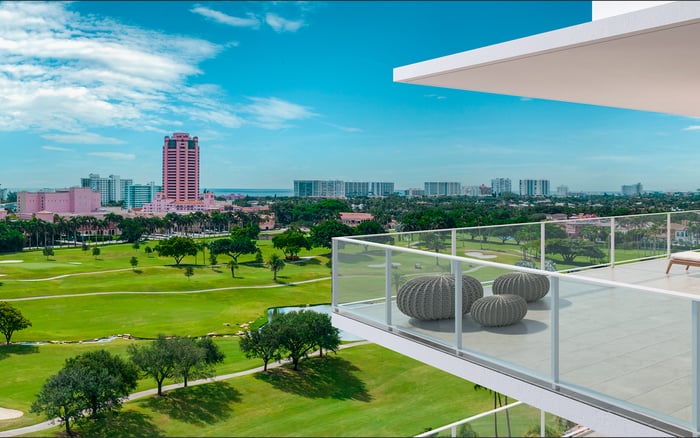
At Alina Residences Boca Raton, the buyer’s wellness lens naturally turns toward Boca Raton’s more composed residential tempo. The value proposition is not simply amenity count. It is whether the setting and building experience can support a less fragmented daily routine. For many affluent buyers, that may matter more than a dramatic lobby or a rarely used treatment room.
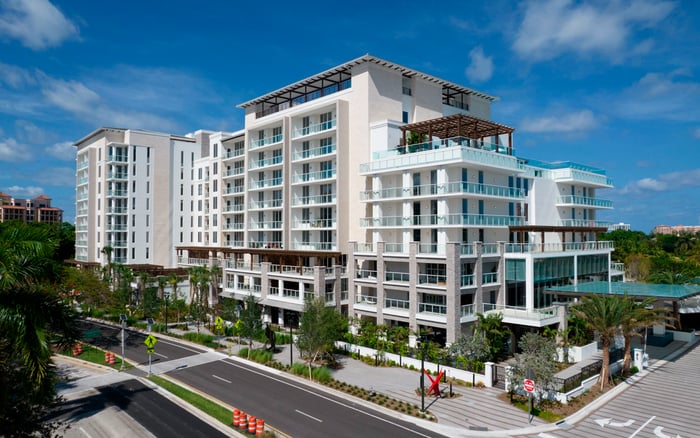
At Park Grove Coconut Grove, the conversation changes. Coconut Grove’s appeal is tied to atmosphere, mature greenery, walkability in select pockets, and a sense of neighborhood identity. Wellness credibility here may be less about retreat from the city and more about integration with a softer, more grounded version of Miami life. The strongest answer is not necessarily seclusion. It may be access to a lifestyle that already feels restorative.
Indoor air quality has become a discreet marker of serious residential design. It is also one of the least glamorous topics in a sales conversation, which is precisely why buyers should not overlook it. The right questions are practical: How is fresh air introduced? How is filtration handled? What maintenance standards apply? How do residences perform when exterior conditions are humid, salty, warm, or storm-prone?
Buyers should distinguish between general comfort and documented performance rather than accepting vague assurances. A beautiful residence can still require diligence around ventilation, humidity control, filtration, and materials. In South Florida, air quality is not an abstract wellness feature. It is inseparable from climate, sea air, seasonal allergens, and the realities of sealed luxury interiors.
This is where new-construction conversations often become more nuanced. Newer residential projects may present advanced systems, but buyers still need to understand what is actually specified, what is maintained by the association, and what remains the owner’s responsibility. The most refined buyers are not embarrassed to ask technical questions. They expect serious answers.
The phrase recovery space can mean many things. It may refer to a quiet lounge, spa suite, fitness-adjacent area, outdoor garden, cool-down room, meditation setting, or simply a residence with enough acoustic and spatial separation to decompress properly. The key is usefulness. Does the space support actual recovery after training, work, travel, social obligations, or long flights? Or is it primarily decorative?
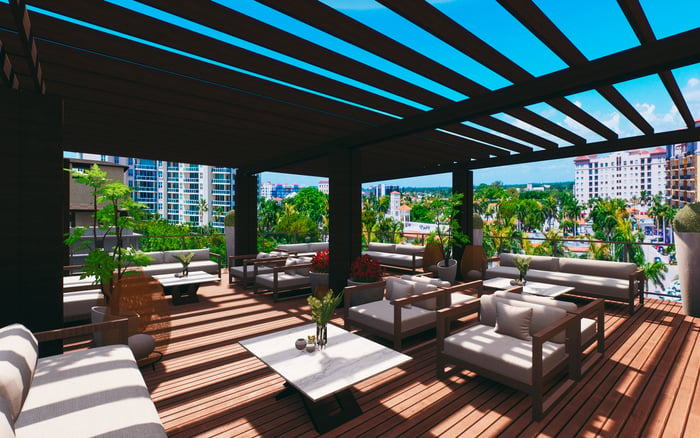
A pool may be part of recovery, but only if it fits the way residents use the building. A balcony may extend the restorative experience, but only if exposure, privacy, view, and noise align. The same is true of fitness rooms, spa spaces, and landscaped areas. Luxury buyers should look beyond the label and imagine the weekly routine.
Projects such as The Well Coconut Grove show how explicitly the market is now speaking the language of wellness. That does not mean every buyer needs a wellness-branded residence. It means that wellness claims elsewhere must be clearer, more disciplined, and more convincing. Prestige alone no longer carries the entire argument.
Boca Raton often appeals to buyers who want order, space, polish, and a quieter luxury ecosystem. Coconut Grove often appeals to buyers who want history, canopy, Miami access, and a more organic neighborhood texture. Neither answer is inherently superior. The right choice depends on how the buyer defines restoration.
A Boca Raton buyer comparing Glass House Boca Raton with Alina may be weighing privacy, design language, and the feel of a more contained market. A Coconut Grove buyer considering Four Seasons Residences Coconut Grove alongside Park Grove may be thinking about service expectations, neighborhood identity, and long-term livability. In both cases, the wellness question moves beyond amenities and into daily fit.
For investment purposes, that distinction matters. The next wave of luxury demand is unlikely to reward wellness language that feels generic. It will reward residences where the buyer can understand why the building, setting, and operations create a better way to live. That credibility can support desirability even when tastes change.
Before choosing between Alina Residences Boca Raton and Park Grove Coconut Grove, a buyer should walk through a simple test. First, identify the desired daily rhythm. Second, separate wellness marketing from operational substance. Third, ask air quality questions with the same seriousness as view, parking, and service. Fourth, evaluate recovery spaces by how often they would actually be used.
The best residence is not always the one with the longest amenity menu. It is the one where the buyer’s body, schedule, and privacy preferences feel understood. In that sense, Alina and Park Grove represent two sophisticated but different answers. One may feel more composed and retreat-like. The other may feel more woven into a lush Miami neighborhood. The correct choice is the one whose wellness promise survives ordinary life.
Is Alina Residences Boca Raton more wellness-focused than Park Grove Coconut Grove? Not necessarily. The better question is which setting and building experience better supports the buyer’s daily routine.
Does Park Grove Coconut Grove offer a different lifestyle than Boca Raton? Yes. Coconut Grove generally speaks to a more village-like Miami rhythm, while Boca Raton often feels more composed and residential.
Why is air quality important in South Florida luxury condos? Heat, humidity, sea air, and seasonal allergens make ventilation, filtration, and maintenance especially relevant for high-end buyers.
Should buyers ask technical questions about air systems? Yes. Serious buyers should understand filtration, humidity control, maintenance responsibility, and system performance before purchasing.
What makes a wellness claim credible? Credibility comes from specific design choices, operational standards, and spaces residents are likely to use regularly.
Are recovery spaces only spa amenities? No. Recovery can include quiet rooms, outdoor areas, fitness-adjacent spaces, acoustic privacy, and restorative residence design.
Is Boca Raton better for privacy? It may suit buyers seeking a calmer residential cadence, but the right answer depends on the specific building and residence.
Is Coconut Grove better for walkable wellness? For some buyers, yes. Its neighborhood texture and greenery can make daily movement feel more natural and integrated.
Do wellness features affect resale appeal? They can, especially when they are useful, understandable, and supported by credible building operations rather than vague language.
How should a buyer choose between Alina and Park Grove? Compare daily rhythm, air quality diligence, recovery usefulness, privacy needs, and the lifestyle each location naturally supports.
To compare the best-fit options with clarity, connect with MILLION.
If branded residences are on your mind — as a home or as an allocation — we would be glad to share what we are seeing, privately.
Begin a quiet conversation