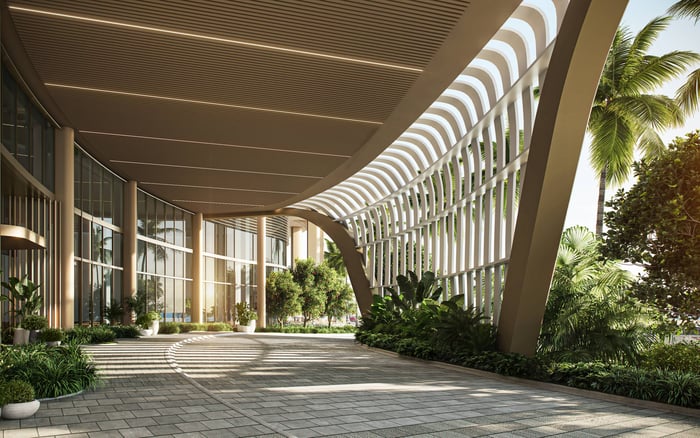
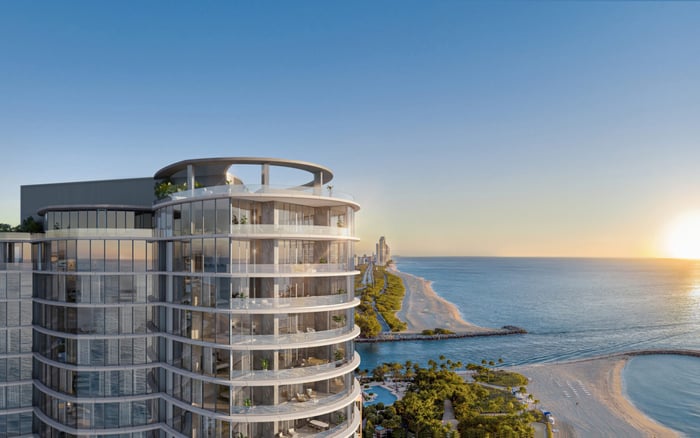
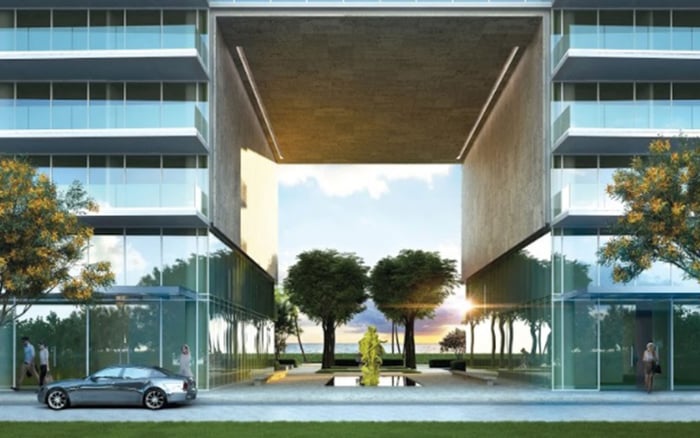
A buyer-focused comparison of W Pompano Beach Hotel & Residences and Rivage Bal Harbour through the lens of wellness credibility, privacy, air quality diligence, sleep, and daily recovery.
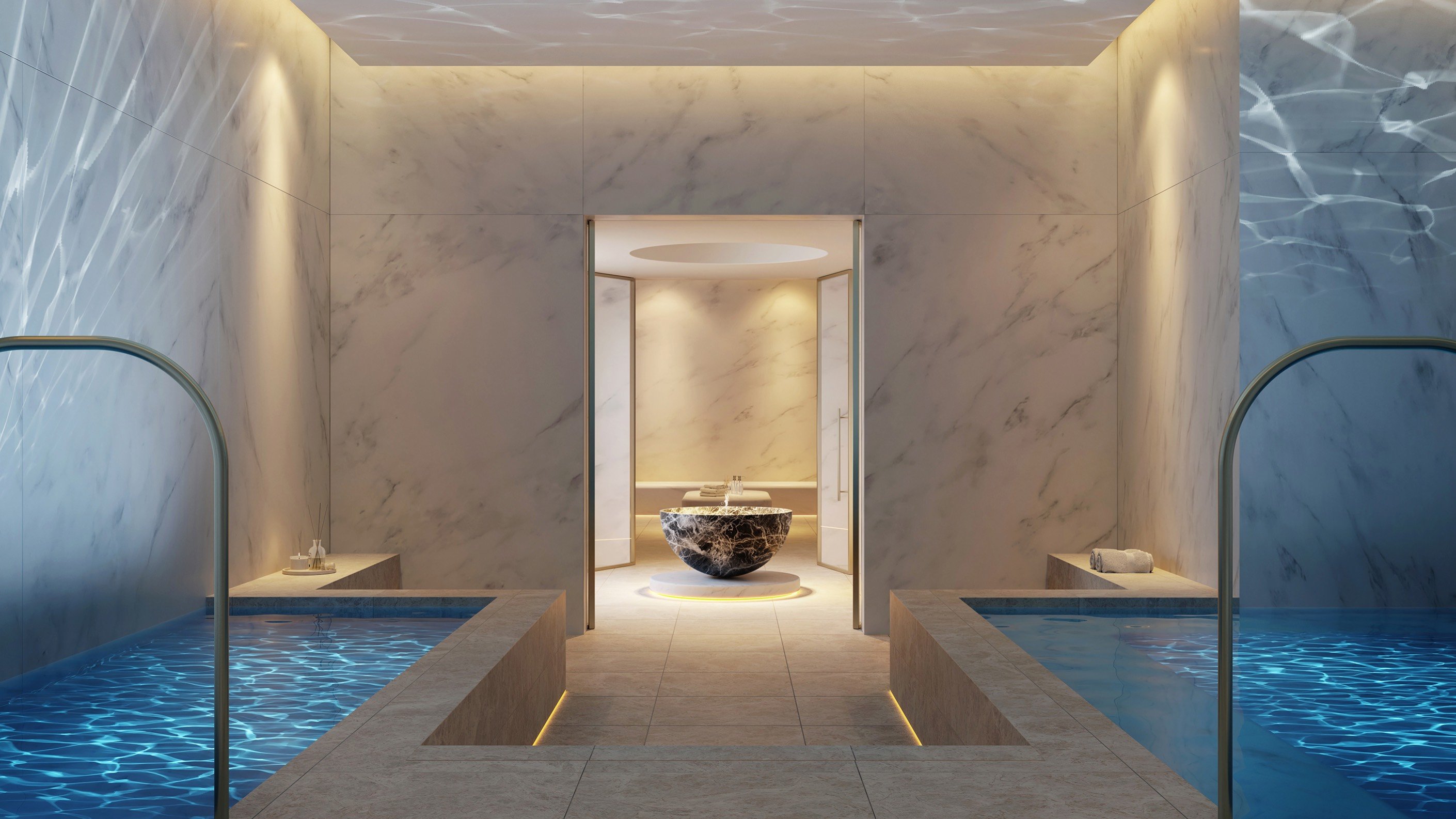
The comparison between W Pompano Beach Hotel & Residences and Rivage Bal Harbour is not a simple contest of amenity menus. It is a quieter, more revealing question: what kind of wellness does a buyer actually believe in?
For some, wellness is social, kinetic, and hospitality-shaped. It is the ease of a branded environment, the sensation of being on holiday without leaving home, and the psychological lift of design-forward shared spaces. That is the natural lane for W Pompano Beach Hotel & Residences, a hotel-and-residences concept in Pompano Beach framed through an experiential lifestyle lens rather than a purely private condominium model.
For others, wellness is subtraction. Less spectacle, less noise, fewer transitions between public and private life. That is where Rivage Bal Harbour becomes compelling. It reads as the quieter, more private counterpart in this pairing, with a wellness proposition rooted in sanctuary rather than social energy.
In search shorthand, Pompano Beach versus Bal Harbour is not only a geographic decision. It is a choice between a hospitality-driven rhythm and a more insulated residential one.
W Pompano Beach Hotel & Residences is best understood as a branded hotel-residence hybrid. That distinction matters. A hotel-residence structure typically changes the emotional texture of a property, because the building is not only a home environment. It is also an arrival experience, a guest experience, and a place animated by service, design, and movement.
For the right buyer, that movement is part of the wellness. The appeal is not necessarily silence. It is ease, stimulation, and a daily atmosphere that feels closer to resort living than a closed private club. Buyers who respond to W’s hospitality identity may see wellness less as retreat and more as access: to atmosphere, to service, to shared spaces, and to the sense that the building has a pulse.
The trade-off is just as important. Anyone sensitive to sound, crowds, elevator patterns, or the subtle friction of mixed-use residential hospitality should study how the daily experience will work. Wellness in this context is not disproven by energy. It simply requires a buyer to be honest about whether energy restores them or drains them.
For comparison within Pompano Beach, some buyers may also consider how another branded coastal option, The Ritz-Carlton Residences® Pompano Beach, sits in their broader mental map of service, privacy, and resort-style expectations.
Rivage Bal Harbour occupies a different psychological register. Its wellness credibility is less dependent on a lifestyle brand and more dependent on the residential sanctuary model. In Bal Harbour, that positioning matters because many buyers in this comparison are weighing curated privacy against overt branded-hotel energy.
For buyers prioritizing calm, privacy, sleep quality, and restorative daily routines, Rivage Bal Harbour is the stronger fit in this framing. Its value proposition is not that it speaks louder about wellness. It is that it suggests wellness through restraint. A quieter lobby culture, a more residential atmosphere, and a deeper separation from hospitality energy can be more meaningful to certain owners than an amenity with a fashionable name.
This is especially relevant for second-home buyers who do not want their Florida residence to feel like an extension of public life. If the home is meant to be the place where the body recalibrates after travel, work, or social intensity, then privacy itself becomes a wellness feature.
Rivage also sits within a broader Bal Harbour and Bay Harbor conversation where discretion often competes with explicit wellness branding. A buyer looking nearby may also encounter The Well Bay Harbor Islands, a useful reminder that South Florida buyers are increasingly sorting residences by the kind of restoration they promise, not only by views or finishes.
Air quality is where luxury marketing often becomes too vague. In this comparison, the responsible stance is to separate atmosphere from measurable performance. Neither project should be credited with specific filtration standards, certification regimes, or mechanical systems unless those details are clearly disclosed to the buyer.
That does not make air quality less important. It makes diligence more important. Buyers should ask how fresh air, filtration, humidity control, corridor ventilation, kitchen exhaust, and maintenance protocols are handled. In a hotel-residence environment, the questions should also extend to shared areas, service zones, and the relationship between guest-facing spaces and private residential circulation.
At Rivage Bal Harbour, the air-quality conversation may feel more aligned with privacy and residential quiet, but the same standard applies. A sanctuary mood is not the same as verified performance. The discerning buyer should evaluate what is documented, what is controllable inside the residence, and how the building’s daily operations support comfort over time.
Investment discipline matters here because wellness claims age differently than location or floor plan. A residence that feels restorative in a sales presentation must still perform during high season, humid weeks, service activity, and ordinary daily life.
Recovery spaces are often mistaken for spa rooms alone. For ultra-premium buyers, recovery is broader. It includes the bedroom’s quiet, the transition from elevator to residence, the quality of morning light, the ability to decompress without social performance, and the confidence that the building’s rhythm will not intrude on sleep.
W Pompano Beach may serve buyers who recover through pleasure, movement, and sociability. A dinner downstairs, a resort-like pool day, or a lively arrival sequence may feel restorative to someone who associates wellness with energy and access. Its strongest buyer is likely the one who wants a branded, vacation-like residential environment where wellness is woven into lifestyle rather than defined by silence.
Rivage Bal Harbour serves the buyer who sees recovery as withdrawal. In that worldview, the most valuable amenity may be the absence of interruption. Sleep, privacy, and daily ritual become the point. The building does not need to entertain as much as it needs to protect.
Elsewhere in South Florida, the wellness conversation is expanding in different directions, from the explicitly health-oriented language around The Well Coconut Grove to more classic coastal luxury models. The important task is not to chase the most visible wellness promise, but to identify the one that matches the owner’s nervous system.
The better choice depends on what a buyer means by feeling well. W Pompano Beach Hotel & Residences leans toward branded hospitality, social energy, and resort-style living. Rivage Bal Harbour leans toward privacy, calm, and the residential sanctuary model.
Neither approach is inherently superior. The sharper distinction is compatibility. If a buyer wants the building to animate the day, W Pompano Beach has the more natural emotional fit. If a buyer wants the residence to quiet the day, Rivage Bal Harbour has the advantage.
For luxury buyers, the most elegant decision may also be the most candid one. Choose the environment that supports how you sleep, recover, breathe, and return to yourself when no one else is watching.
Which project feels more social? W Pompano Beach Hotel & Residences is the more social-energy-oriented option because it is framed as a branded hotel-residence hybrid with a lifestyle-driven lens.
Which project is more sanctuary-oriented? Rivage Bal Harbour is positioned as the quieter and more private counterpart, with a wellness proposition centered on calm and restoration.
Does W Pompano Beach function like a purely private condominium? It is framed around a hotel-residence hybrid rather than a purely private condominium model, which may affect the daily rhythm of ownership.
Is Rivage Bal Harbour better for sleep-focused buyers? In this comparison, Rivage Bal Harbour is the stronger fit for buyers prioritizing calm, privacy, sleep quality, and restorative routines.
Can either project claim superior air quality? Buyers should not assume superior air quality without reviewing disclosed building systems, maintenance protocols, and any verified specifications.
What should wellness-minded buyers ask about air quality? They should ask about filtration, humidity control, ventilation, fresh-air strategy, corridor conditions, and how shared spaces are maintained.
Is social energy always negative for wellness? No. Some buyers recover through atmosphere, service, and resort-style living, which can make W Pompano Beach a natural fit.
Why does Bal Harbour matter in this comparison? Bal Harbour frames the quieter side of this comparison, where privacy and residential calm are weighed against a more hospitality-driven model.
How should a buyer compare recovery spaces? Look beyond spa language and evaluate quiet, circulation, privacy, bedroom comfort, and how the building feels during ordinary daily use.
What is the core trade-off? The trade-off is W Pompano Beach’s branded hospitality energy versus Rivage Bal Harbour’s quieter, more private luxury-residential atmosphere.
To compare the best-fit options with clarity, connect with MILLION.
If branded residences are on your mind — as a home or as an allocation — we would be glad to share what we are seeing, privately.
Begin a quiet conversation