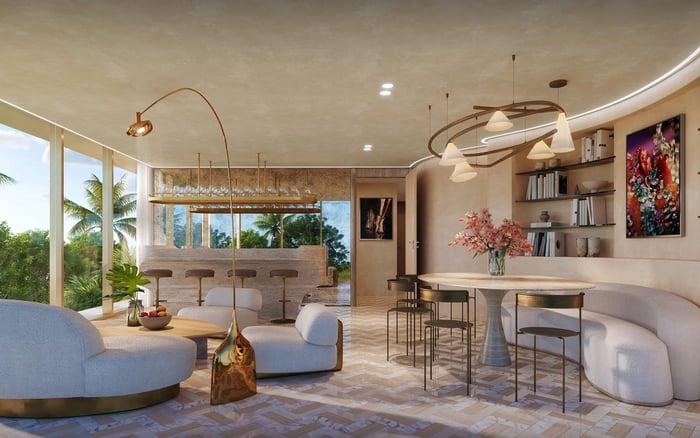
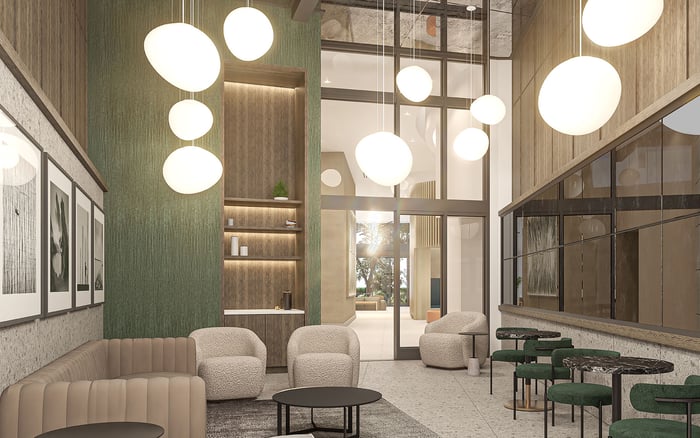
Wellness in luxury residential real estate is moving beyond visible amenities toward disciplined governance, privacy, access, staffing, and long-term operating quality.

In South Florida’s most considered residential towers, wellness is no longer judged solely by what can be photographed. A handsome spa suite, treatment room, cold plunge, meditation lounge, or fitness studio may still matter, but the sharper question for 2026 is whether the wellness program is governed well enough to remain elegant after the sales gallery closes.
Quiet luxury has always favored confidence over display. In a residential setting, that means systems that feel effortless because they are disciplined behind the scenes. The owner who values privacy, health, and time is not merely buying amenities. That owner is buying access, discretion, consistency, and the assurance that a program will not become crowded, underfunded, overmarketed, or operationally vague.
This is where wellness programming governance becomes a luxury feature in its own right. It is the structure that determines who receives access, how services are scheduled, what standards are maintained, how personal information is handled, how costs are approved, and how the program evolves as resident expectations mature.
A luxury wellness program has two lives. The first is its design life, when materials, equipment, and renderings shape the initial impression. The second is its operating life, when residents discover whether the promise is easy to use, fairly managed, and protected from dilution.
Governance belongs to that second life. It asks whether the building has a clear operating philosophy. Is wellness treated as hospitality, as a club, as an amenity, or as a resident service? Each model carries different implications for staffing, costs, booking rules, guest privileges, vendor oversight, and resident privacy.
In Brickell, where a high-performance lifestyle often meets intense schedules, buyers considering The Residences at 1428 Brickell or 2200 Brickell should look beyond the amenity roster. The more relevant question is whether wellness spaces are structured to protect calm at peak times, preserve resident priority, and prevent the feeling of a hotel lobby migrating into private life.
The quietest luxury is often the absence of friction. A resident should not have to compete for the same appointment window every week, decipher shifting rules, or feel that a private amenity has become an event venue. Good governance makes access legible.
Rules should be clear before purchase. Owners should understand whether services are included, à la carte, resident-only, guest-permitted, membership-based, or managed through outside providers. None of these models is inherently superior. What matters is alignment among the promise, the budget, and the expectations of the community.
A discreet wellness program also requires restraint. Overprogramming can be as problematic as underprogramming. Too many activations may create noise, operational fatigue, and the sense that residents are living inside a brand campaign. The best programs have rhythm. They offer enough structure to be useful, enough curation to feel special, and enough silence to preserve the residential character of the building.
Wellness is personal. A dinner reservation says little about a resident’s life. A recovery protocol, private training preference, bodywork appointment, nutrition consultation, or recurring therapy booking can say far more. For 2026 buyers, privacy is not a secondary concern. It is part of the product.
Governance should address who can see scheduling information, how resident preferences are stored, whether third-party practitioners have access to personal details, and how communications are handled. The more intimate the service, the more refined the protocols should be.
This is especially relevant for wellness-forward residences such as The Well Bay Harbor Islands and The Well Coconut Grove, where the identity of the residence invites a deeper conversation about program quality. Sophisticated buyers should ask not only what is offered, but how confidentiality, continuity, and professional boundaries are maintained.
A wellness program that is not financially governed is vulnerable to drift. Staffing levels, equipment maintenance, practitioner standards, cleaning protocols, software systems, and replacement reserves all require funding. If those costs are vague, the experience may eventually become inconsistent.
Buyers should review how wellness operations are funded and whether the structure feels durable. A low apparent cost can be appealing in the short term, but if it cannot support the promised level of service, the result may be reduced hours, deferred maintenance, or added fees. Conversely, a robust budget should be paired with transparency, accountability, and resident oversight.
The most resilient buildings will likely be those that treat wellness as an operating discipline rather than a decorative amenity. That does not mean constant spending. It means planned spending, clear authority, and a willingness to update programming without compromising the building’s identity.
Future buyers will increasingly compare not only floor plans and views, but also how a building feels in daily use. A well-governed wellness program can support that feeling by preserving order, privacy, and resident trust. A poorly governed one can have the opposite effect, even if the physical spaces are beautiful.
In Miami Beach, the appeal of a refined residential environment is often inseparable from how gracefully shared spaces are managed. A buyer considering The Perigon Miami Beach may naturally focus on architecture, setting, and lifestyle. Yet the long-term experience also depends on governance: who protects the quiet, who manages the calendar, who enforces standards, and who decides when the program should evolve.
This is the quiet luxury case. Wellness is not becoming less important. It is becoming more serious. The most discerning owners will look for buildings where the invisible architecture of rules, staffing, privacy, and budgets is as carefully considered as the visible architecture of stone, glass, water, and light.
What is wellness programming governance? It is the framework for operating a residential wellness program, including access, staffing, privacy, budgets, standards, and oversight.
Why does governance matter to luxury condo buyers? It helps determine whether wellness amenities remain calm, useful, private, and well maintained over time.
Is a larger wellness amenity package always better? Not necessarily. A smaller, well-governed program can feel more luxurious than a larger one with unclear access or weak operations.
What should buyers ask before purchasing? Ask who manages the program, how appointments work, what costs are included, and how resident privacy is protected.
How does privacy relate to wellness amenities? Wellness bookings can reveal sensitive personal routines, so access to scheduling details and resident preferences should be carefully controlled.
Can wellness programming affect resale appeal? Yes. A building that preserves service quality and resident trust may be easier for future buyers to understand and value.
What is a warning sign in a wellness program? Vague rules, unclear staffing, uncertain costs, and excessive guest access can all weaken the resident experience.
Should buyers review wellness budgets? Yes. Budgets show whether the building has a realistic plan to maintain staffing, equipment, cleaning, and service standards.
How does quiet luxury shape wellness expectations? It favors discretion, ease, consistency, and privacy over spectacle, constant activation, or overly branded experiences.
What is the ideal wellness model for 2026? The ideal model is clear, financially durable, privacy-conscious, and calibrated to the actual lifestyle of the residents.
To compare the best-fit options with clarity, connect with MILLION.
If branded residences are on your mind — as a home or as an allocation — we would be glad to share what we are seeing, privately.
Begin a quiet conversation