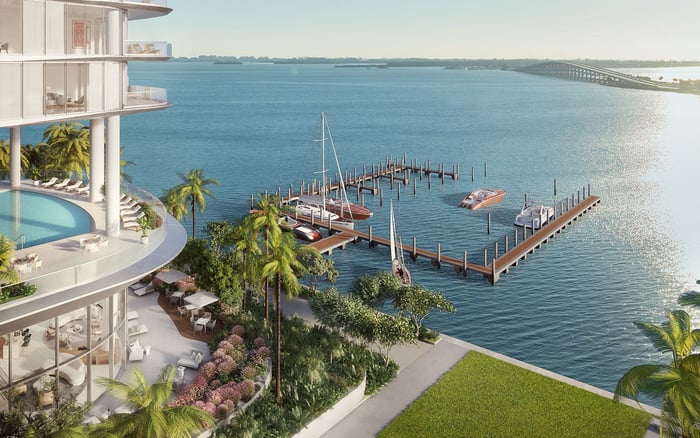
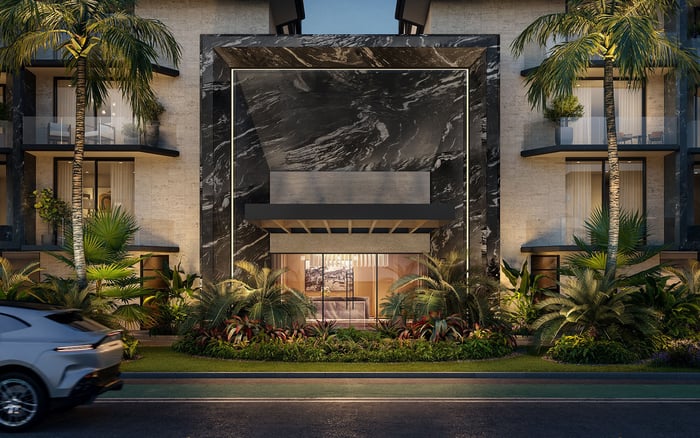
Two of South Florida’s most iconic waterfront enclaves offer very different versions of coastal privilege. Las Olas Isles pairs Fort Lauderdale’s yachting identity with quick access to Las Olas Boulevard, while Miami Beach’s Venetian Islands deliver a bayfront lifestyle anchored by the Venetian Causeway and Biscayne Bay cruising. Here is a buyer-focused, practical comparison on pricing signals, boating realities, flood considerations, and the day-to-day feel that ultimately determines long-term satisfaction.
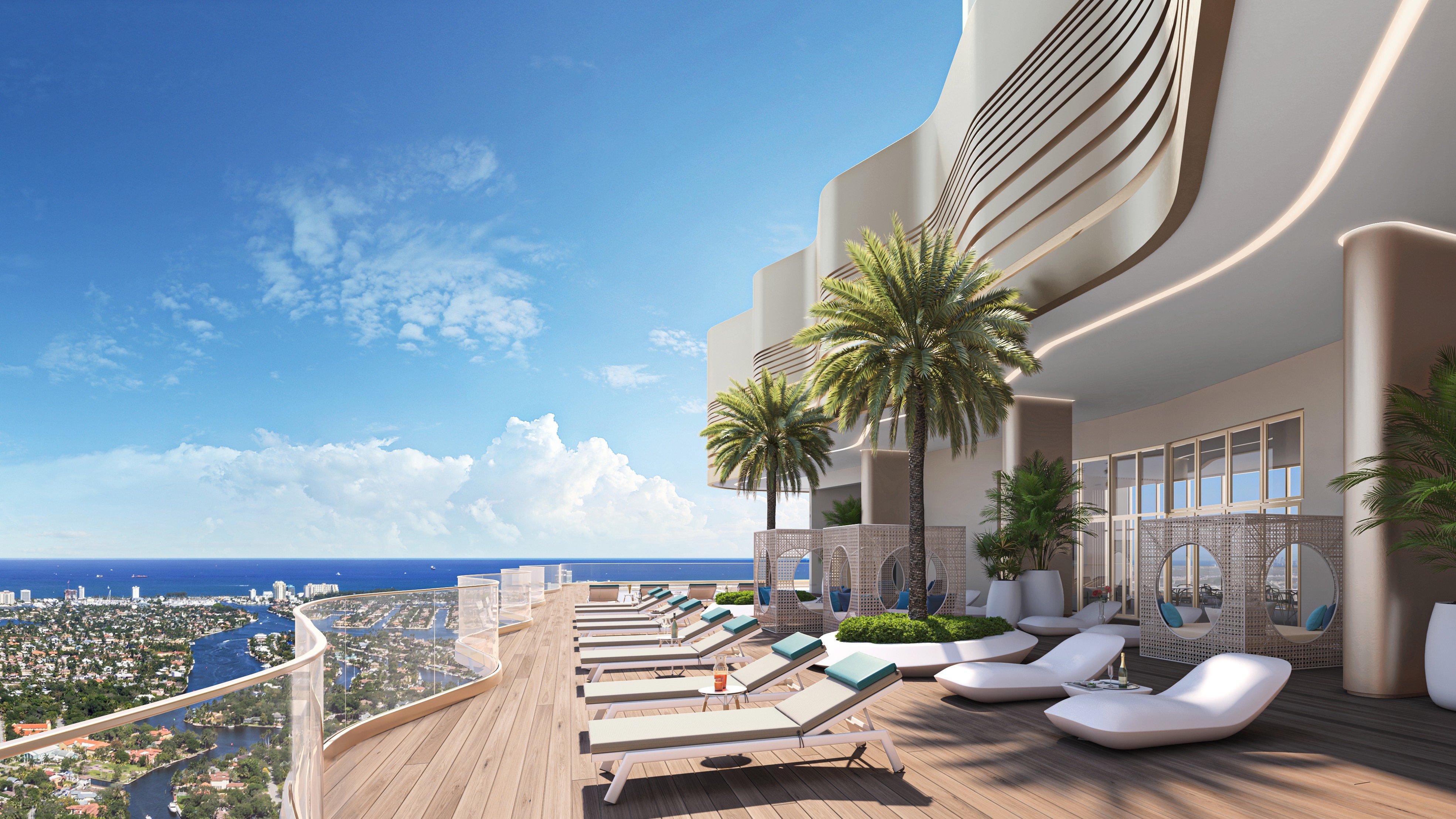
There are waterfront addresses you buy for prestige, and then there are waterfront neighborhoods you buy because you intend to live the water. Las Olas Isles in Fort Lauderdale and the Venetian Islands in Miami Beach sit firmly in that second category-where morning light, dock lines, and the cadence of the tide shape the day.
On paper, both read as “waterfront in South Florida.” In practice, they deliver two distinct versions of it. Las Olas Isles presents as canal-centric and boating-led, with immediate access to Las Olas Boulevard’s dining, shopping, arts, and event calendar. The Venetian Islands present as bay-centric and skyline-facing: a sequence of islands connected by a causeway that functions as both infrastructure and lifestyle amenity.
For buyers choosing between them, the right approach is to evaluate the purchase the way you’d evaluate a yacht or a private club membership: not by generalized desirability, but by fit.
Pricing here isn’t just a function of square footage. It signals owner intent-primary living versus a second-home rhythm, renovation appetite, and whether you prioritize dock utility or view corridor.
Las Olas Isles currently carries a high value baseline, with an index level around $3,346,459 (Feb 2025) and a modest year-over-year change of about +0.2%. At the same time, the active market can tell a different story: a median listing price around $6,995,000 with roughly 31 active homes. That gap between an index-like “typical value” and the asking environment is the tell. Many offerings are positioned as statement properties, with pricing that reflects scarcity, canal frontage, and turnkey finishes.
The Venetian Islands show a different balance. A median sale price around $1.9M (Dec 2025) points to a transaction set that spans a broader range of conditions and property profiles. Listings show a median asking level around $1.795M, which can suggest more negotiating room compared with the very top tier of Fort Lauderdale canal-front asks. This is not a comment on quality. It’s a comment on market texture: the Venetian Islands tend to be more heterogeneous, with value tied to micro-location, bay exposure, and redevelopment potential.
If your goal is a move-in-ready, high-finish waterfront residence where “waterfront” often includes private dock utility, Las Olas Isles can feel purpose-built. If you want Miami Beach adjacency, bay ambiance, and a lifestyle that supports walking and biking with skyline views, the Venetian Islands can feel uniquely effortless.
Las Olas Isles is woven into Fort Lauderdale’s broader waterfront identity. Its character is defined by canals and the choreography of boats moving through them. The appeal is intimate and practical: water behind the house, a dock that functions like an outdoor room, and the sense that you’re living inside a marina culture without being in a high-rise.
The Venetian Islands are commonly described as six man-made islands: Biscayne Island, San Marco Island, San Marino Island, Di Lido Island, Rivo Alto Island, and Belle Isle. Day to day, that translates to a series of distinct pockets, each with its own feel, stitched together by the Venetian Causeway. The causeway doubles as a walking and biking route with bay and skyline views-an understated luxury that turns “going for a walk” into a daily ritual that feels like a postcard.
If you place a premium on an outdoors-forward lifestyle where small outings don’t require a car, the Venetian Islands can be compelling. If you think in dock lines, tenders, and weekend departures, Las Olas Isles tends to align more directly.
Boating is where these two neighborhoods separate most clearly.
In Fort Lauderdale canal neighborhoods like Las Olas Isles, yacht access is shaped by bridge clearance and air draft, plus the routing required through the Intracoastal system to reach an inlet. That’s not a deal-breaker-it’s a planning requirement. You can love a property and then realize your preferred vessel profile doesn’t love the route.
Las Olas Isles marketing also surfaces a distinction sophisticated buyers should internalize: “deepwater” and “ocean access” are not interchangeable. “Ocean access” speaks to reaching open water without an impassable fixed bridge; “deepwater” speaks to depth sufficient for draft. The strongest purchases are the ones where your broker and captain are aligned early, and the canal characteristics match your boating habits.
The Venetian Islands lean more naturally into Biscayne Bay as the everyday cruising ground. The bay is the playground, and for owners who want to range outward, Biscayne National Park is a widely recognized boating destination that rewards seamanship and planning.
In practical terms, Venetian Islands boating often feels more “open water adjacent.” Las Olas Isles boating can feel more “city canals to the sea.” Neither is universally better-each simply fits different vessel types and departure patterns.
Luxury waterfront ownership comes with a different maintenance calendar than inland homes. Two line items are routinely underestimated until they become urgent: dock work and seawall work.
Boat dock repairs can be substantial, with costs driven by labor, components, and the scope of replacement. Seawalls can be equally significant, often discussed in linear-foot pricing that varies by material and site conditions. When comparing Las Olas Isles and the Venetian Islands, the right mindset is to treat water-facing infrastructure as a long-cycle asset that requires scheduled capital planning.
This is where a pre-purchase evaluation becomes a form of luxury-not bureaucracy. Condition, remaining useful life, and the quality of past work matter, and they matter whether your water is canal-still or bay-exposed.
Waterfront enjoyment and flood exposure are linked. Miami Beach indicates that about 93% of buildings in the city are in a Special Flood Hazard Area, which makes flood insurance a consequential part of ownership-particularly when financing is involved.
Las Olas Isles also faces very high modeled flood exposure, with risk expected to increase over time. In both neighborhoods, the most prudent buyers treat resilience the way they treat design: intentionally. Elevation strategies, drainage, building-systems placement, and an informed insurance conversation should sit inside the purchase decision, not after it.
This isn’t about fear. It’s about the sophistication required to own exceptional waterfront property in 2026 and beyond.
Not every luxury buyer wants a dock behind the house, even if they want water in the view. If you’re weighing these neighborhoods but prefer the discretion and services of a tower, use them as geographic anchors for your search.
In Fort Lauderdale, branded coastal living can complement the Las Olas Isles lifestyle-especially for buyers who want a lock-and-leave profile near the beach and dining scene-such as Four Seasons Hotel & Private Residences Fort Lauderdale or Auberge Beach Residences & Spa Fort Lauderdale.
On the Miami Beach side, buyers drawn to the Venetian Islands’ bay setting but wanting a service-forward condominium experience often gravitate to newer, design-led options like Five Park Miami Beach or a quieter ocean-adjacent boutique profile like 57 Ocean Miami Beach.
These alternatives don’t replace the waterfront-house dream. They tailor it for buyers who prioritize staff, security, and effortless travel.
Choose Las Olas Isles if you want:
Choose the Venetian Islands if you want:
In both cases, the best purchase is the one where the water works for your life: your boat, your walking habits, your tolerance for maintenance cycles, and your long-term planning around flood and insurance realities.
Which neighborhood is more expensive overall? Las Olas Isles reflects a higher luxury asking environment, while the Venetian Islands show lower median sale and asking levels.
Is Las Olas Isles truly “ocean access”? It can be, but access depends on route constraints such as bridges and how you reach an inlet.
What’s the difference between “deepwater” and “ocean access”? Deepwater relates to draft and depth, while ocean access relates to reaching open water without an impassable bridge.
Are the Venetian Islands good for walking and biking? Yes. The Venetian Causeway is a well-known walking and biking route with bay and skyline views.
How many islands make up the Venetian Islands? The Venetian Islands are commonly described as six man-made islands: Biscayne, San Marco, San Marino, Di Lido, Rivo Alto, and Belle Isle.
Which location is better for Biscayne Bay boating? The Venetian Islands sit directly on Biscayne Bay, making bay cruising a natural part of ownership.
Is flood insurance a factor in these neighborhoods? Yes. Much of Miami Beach is in a Special Flood Hazard Area, and Las Olas Isles has very high modeled flood exposure.
What waterfront maintenance costs surprise owners most? Dock repairs and seawall work can be significant, and they should be planned as long-cycle capital items.
Does being near Las Olas Boulevard matter day to day? For many owners, yes-dining, shopping, arts, and events are close enough to function as an extension of home.
Can I get a similar lifestyle in a luxury condo instead of a waterfront house? Yes. Many buyers choose a service-forward residence near the same waterfront amenities while keeping maintenance simpler.
If you'd like a private walkthrough and a curated shortlist, connect with MILLION Luxury.
If branded residences are on your mind — as a home or as an allocation — we would be glad to share what we are seeing, privately.
Begin a quiet conversation