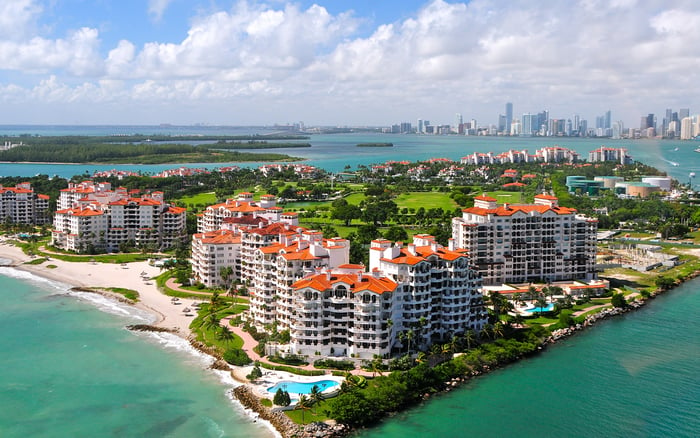
Star Island is a small, gated, man-made island in Biscayne Bay where scarcity, waterfront frontage, and privacy converge into one of Miami Beach’s most closely watched ultra-luxury submarkets.
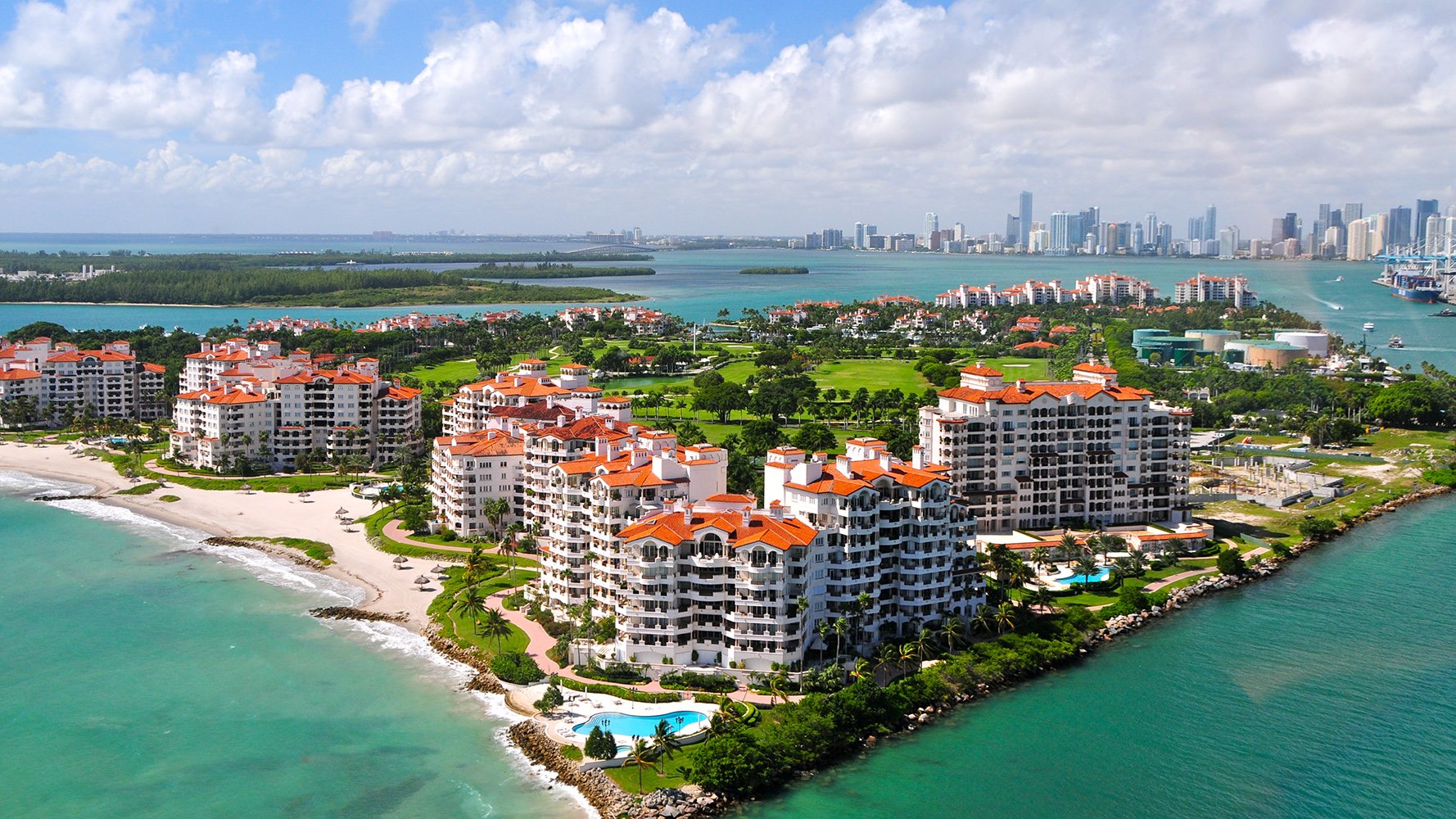
Star Island is Miami Beach’s most concentrated expression of private waterfront wealth: a man-made, guard-gated island where roughly 30 to 35 homes share about 86 acres, and where extreme scarcity has repeatedly translated into eight-figure expectations and, at times, nine-figure outcomes.
Star Island sits in Biscayne Bay within the city of Miami Beach. Created in the early 1920s from dredged fill and developed by Miami Beach pioneer Carl G. Fisher, it was designed as a destination rather than an organic neighborhood. That origin still matters to today’s buyer because it explains the core value proposition: engineered scarcity in a city where demand has a habit of outrunning supply.
In practical terms, Star Island behaves less like a conventional subdivision and more like a discreet roster of trophy assets. The address carries weight not because it is trendy, but because there are so few true substitutes with the same combination of waterfront exposure, proximity to South Beach, and controlled access.
For luxury buyers accustomed to abundant choice in new-construction towers, Star Island can feel almost counterintuitive. Its prestige is built on limitations. When a submarket is this small, each notable trade becomes part of the public story, and that story becomes part of the premium.
Star Island is gated, with a guardhouse controlling access. In many markets, privacy is described as a feature. Here, it is operationalized as infrastructure, shaping everything from daily arrivals and vendor coordination to how residents manage visibility.
This context is why Star Island is often labeled a “celebrity playground.” The point is not celebrity for its own sake, but what celebrity demand tends to indicate: heightened sensitivity to security, discretion, and predictable exposure. For HNW and UHNW buyers, those preferences often apply regardless of industry.
When comparing locations, it helps to be precise about what Star Island delivers that other Miami Beach addresses may not. Many prime areas offer glamour and waterfront views. Fewer offer controlled entry at a neighborhood scale. For buyers who want a single-family-home lifestyle without feeling publicly accessible, that difference can be decisive.
Star Island’s trophy-home market has long been associated with eight-figure pricing, and it has produced nine-figure sales. The most widely cited recent milestone is the reported $120 million sale of 26 Star Island Dr, framed by Realtor.com as a Miami-area residential price record.
That same property offers a clean illustration of how Miami’s ultra-luxury market can re-rate over time. Realtor.com also reported that Shaquille O’Neal previously owned the home and sold it to Vladislav Doronin in 2009 for $16 million, before Doronin later sold it at the far higher figure that captured global attention.
The demand story is not limited to a single record. Realtor.com reported that hedge fund billionaire Ken Griffin has been assembling a Star Island mega-estate through multiple adjacent purchases, characterizing the buying spree at roughly $170 million as part of a broader Florida real-estate push. The Real Deal also reported a $57 million Star Island estate sale by John Jansheski, underscoring that liquidity at the top end has remained active.
Entertainment-linked transactions have further reinforced the island’s trophy positioning. South Florida Business Journal reported that Gloria and Emilio Estefan sold a Star Island mansion for $35 million in 2021. A 2020 report by LVEB Properties stated Jennifer Lopez and Alex Rodriguez bought a Star Island home for $32.5 million. A MiamiLuxuryHomes.com feature reported rapper Rick Ross purchased a Star Island waterfront mansion for $35 million in 2023. And Realtor.com has reported that Sean “Diddy” Combs’ Miami home became a focal point in court proceedings, with photos and exhibits tied to a federal case.
For buyers, the takeaway is not celebrity. It is that Star Island transactions often become widely covered reference points, which can elevate the enclave’s perceived status and intensify competition when rare inventory comes to market.
Because Star Island’s development dates to the early 20th century, the neighborhood includes homes associated with historic Mediterranean Revival-era design traditions. Architect Walter De Garmo is frequently cited in discussions of early South Florida residential architecture, and his influence helps define a design vocabulary that collectors still prize: symmetry, courtyards, and a certain “Miami before Miami” romanticism.
At the same time, Star Island’s value is also tied to what can be rebuilt or reimagined. In ultra-prime enclaves, land often functions as the primary asset, while structures are repositioned to meet contemporary expectations.
Preservation and redevelopment on a constrained island can also take creative forms. One documented tactic in the broader Star Island preservation conversation is physically moving a mansion on its lot as an alternative to demolition. For design-forward buyers, that detail signals how heavily architectural continuity can weigh, even when a property is materially updated.
Star Island’s lifestyle proposition is defined by contrast. You are in Biscayne Bay, close to the energy of South Beach and Miami’s core, yet buffered by water and a gate. The result is a setting that can feel both central and removed.
For waterfront buyers, the appeal is often a blend of arrival experience, open view corridors, and the feeling of being “home” the moment you pass the guardhouse. That said, sophisticated buyers typically underwrite the practical side early: access management, service schedules, and the reality that a small island operates as its own micro-environment.
If entertaining is a primary use case, Star Island’s psychology is powerful. Guests immediately understand they are entering a private realm. If decompression is the priority, the island’s most compelling luxury may be the ability to stay close to Miami without constantly participating in it.
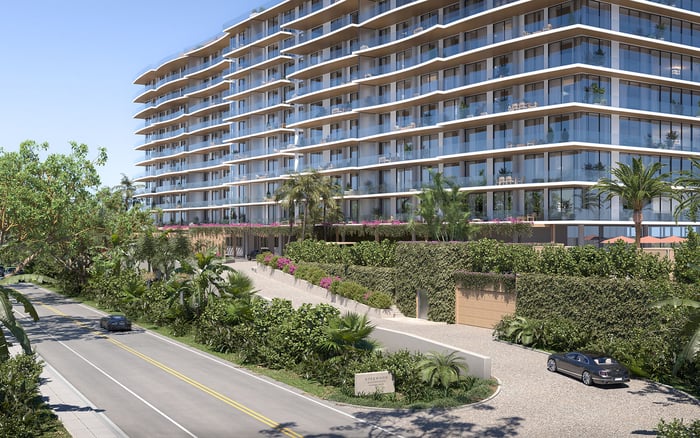
Not every buyer wants the operational responsibilities that can come with a single-family waterfront estate. For those who prioritize Miami Beach positioning but prefer a lock-and-leave lifestyle, the upper tier of branded and design-led residences can approximate core elements of the Star Island experience: discretion protocols, refined service, and a curated arrival.
On Miami Beach, The Ritz-Carlton Residences® Miami Beach speaks to the buyer who values hospitality DNA and a more managed ownership experience.
For those drawn to a more classic, globally legible luxury aesthetic, Setai Residences Miami Beach offers another path to high-touch living, particularly for second-home ownership.
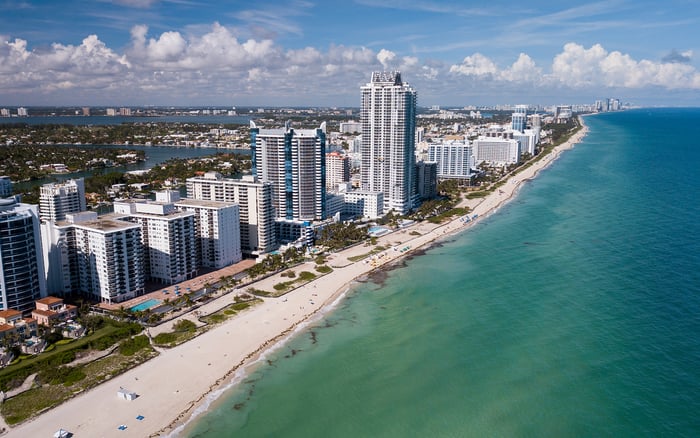
If the priority is ocean exposure rather than bay frontage, 57 Ocean Miami Beach aligns with buyers who read “Oceanfront” as non-negotiable while keeping Miami Beach within easy reach.
And for those who want a new, design-forward residential statement in a storied South Beach corridor, Shore Club Private Collections Miami Beach is worth understanding as part of the broader evolution of ultra-luxury product on the beach.
The strategic point is optionality. Star Island remains the single-family ideal for some, but Miami’s top-tier residences increasingly compete on privacy, concierge-level operations, and lifestyle coherence.
Star Island is an “Exclusive-area” in the most literal sense: limited homes, controlled access, and a global reputation that tends to intensify demand. For buyers assessing entry, three principles tend to matter.
First, scarcity is the pricing engine. With roughly 30 to 35 homes, availability can feel binary: either the right property appears, or it does not. When it does, negotiation dynamics are shaped as much by narrative and timing as by comps.
Second, liquidity is headline-driven. Because major trades become public talking points, they can reset expectations quickly. The $120 million record-sale narrative, the publicly reported mega-estate assembly, and multiple $30 million to $50 million-plus trades illustrate that Star Island sits in a segment where confidence and momentum can be self-reinforcing.
Third, be explicit about your preference between bayfront estates and managed residences. Star Island is a quintessential single-family-home choice, but Miami Beach’s highest tier of residences can deliver many of the same emotional benefits through a different operating model. The best decision aligns with how you actually live, not only how the address reads.
Is Star Island part of Miami Beach? Yes. Star Island is a man-made island in Biscayne Bay within the city of Miami Beach.
How big is Star Island? It covers about 86 acres.
How many homes are on Star Island? It is widely reported to have roughly 30 to 35 homes, reinforcing its supply constraints.
Is Star Island gated? Yes. It is gated with a guardhouse controlling access.
Why is Star Island associated with celebrities? It is often described as a celebrity playground because it offers privacy near South Beach and Miami’s core.
What is the most notable recent sale on Star Island? Realtor.com reported the sale of 26 Star Island Dr for $120 million, framed as a Miami-area residential price record.
Are there other signals of UHNW demand beyond record sales? Yes. Realtor.com reported Ken Griffin assembling a Star Island mega-estate through multiple purchases as part of a broader Florida push.
Does Star Island have historic architecture? Yes. The neighborhood includes Mediterranean Revival-era homes, and early South Florida architect Walter De Garmo is frequently cited in that design lineage.
Can Star Island properties be preserved rather than demolished? A documented approach in the broader preservation discussion includes physically moving a mansion on its lot as an alternative to demolition.
If I want Miami Beach privacy without a single-family estate, what should I consider? Consider top-tier managed residences that emphasize discretion, service, and controlled access, especially if lock-and-leave ownership fits your lifestyle.
For discreet advisory and access across Miami-beach’s most coveted addresses, connect with MILLION Luxury.
If branded residences are on your mind — as a home or as an allocation — we would be glad to share what we are seeing, privately.
Begin a quiet conversation