A buyer-focused underwriting guide comparing Five Park Miami Beach and The Ritz-Carlton Residences® Sunny Isles through the lens of wellness credibility, air quality, and recovery amenities.
For South Florida’s most selective buyers, wellness has moved from lifestyle language into financial diligence. A spa, a fitness floor, or a serene rendering may create desire, but the more important question is whether the building can sustain a credible wellness experience over time. That is the lens for comparing Five Park Miami Beach with The Ritz-Carlton Residences® Sunny Isles.
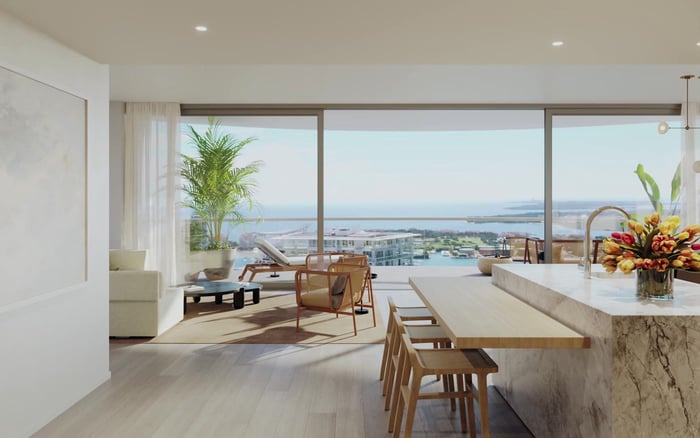
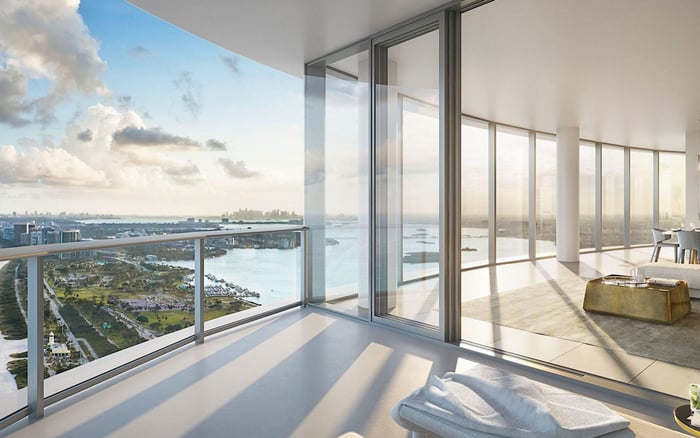
The two names speak to different buyer instincts. Five Park Miami Beach belongs to the Miami Beach conversation, where urban proximity, design presence, and access to a layered cultural environment can matter as much as resort-style retreat. The Ritz-Carlton Residences® Sunny Isles sits within the Sunny Isles mindset, where branded service, waterfront calm, and residential privacy tend to define the purchase thesis.
For a Miami Beach versus Sunny Isles decision, the smartest analysis is not simply which project promises more wellness. It is which one gives the owner a more durable, usable, and verifiable wellness ecosystem.
The first underwriting test is credibility. A wellness program should be legible in operations, not only in architecture. Buyers should ask who manages the experience, how often programming is refreshed, whether trainers or practitioners are in-house or third-party, and how residents access peak-hour appointments.
A credible wellness platform has governance. That means clear reservation rules, transparent guest policies, protocols for cleaning and reset between uses, and a budget structure that supports ongoing service. Without those elements, even an impressive amenity suite can become a decorative asset rather than a daily-use advantage.
At Five Park Miami Beach, buyers should evaluate whether the wellness proposition feels integrated into the building’s broader residential rhythm. Does the experience support morning training, post-travel decompression, and quiet weekday use, or does it depend on special programming that may fluctuate over time? In a Miami Beach setting, the best wellness value often comes from convenience, consistency, and the ability to move between home, outdoor life, and recovery without friction.
At The Ritz-Carlton Residences® Sunny Isles, the underwriting lens shifts toward service reliability. Branded residences are often purchased with an expectation of hospitality discipline, so buyers should examine whether wellness touchpoints feel operationally aligned with that promise. The brand name may create confidence, but value still depends on staffing, maintenance, scheduling, and the resident experience after move-in.
Comparable buyer behavior can also be useful. Wellness-sensitive purchasers considering 57 Ocean Miami Beach, for example, often think about how beach proximity, fitness, restoration, and privacy combine into a daily routine rather than a single amenity checklist. In broader branded-residence diligence, The Ritz-Carlton Residences® Miami Beach can also be a useful reminder that service expectations still need to be tested through operations.
Air quality is one of the least photographed and most important components of luxury living. In a humid coastal market, it should be treated as a technical diligence category. Buyers should ask for specifics on filtration, fresh-air strategy, humidity management, ventilation in amenity areas, and maintenance obligations.
The most valuable questions are practical. What filtration standards apply to common areas and residences? Are systems zoned in a way that supports comfort and control? How is humidity monitored? Are there sensors or building-management systems that allow staff to identify performance issues? How often are filters changed, and is the schedule documented in the operating budget?
This matters in both Miami Beach and Sunny Isles, but for different reasons. In Miami Beach, owners may prioritize indoor-outdoor living while still wanting interiors that feel calm, dry, and protected from the stress of coastal air. At Five Park Miami Beach, air quality diligence should focus on how private residences, corridors, elevator lobbies, wellness areas, and parking interfaces are separated and ventilated.
In Sunny Isles, the conversation often includes oceanfront exposure, salt air, balcony usage, and the transition from beach environment to private residence. At The Ritz-Carlton Residences® Sunny Isles, buyers should ask how the building manages air movement between public, service, and residential zones. The question is not whether the air feels pleasant during a tour. The question is whether the system is designed, maintained, and funded to perform over years of ownership.
Buyers considering nearby branded or resort-oriented residences, such as St. Regis® Residences Sunny Isles, should apply the same discipline. The luxury buyer’s checklist should include mechanical performance with the same seriousness as views, finishes, and valet choreography.
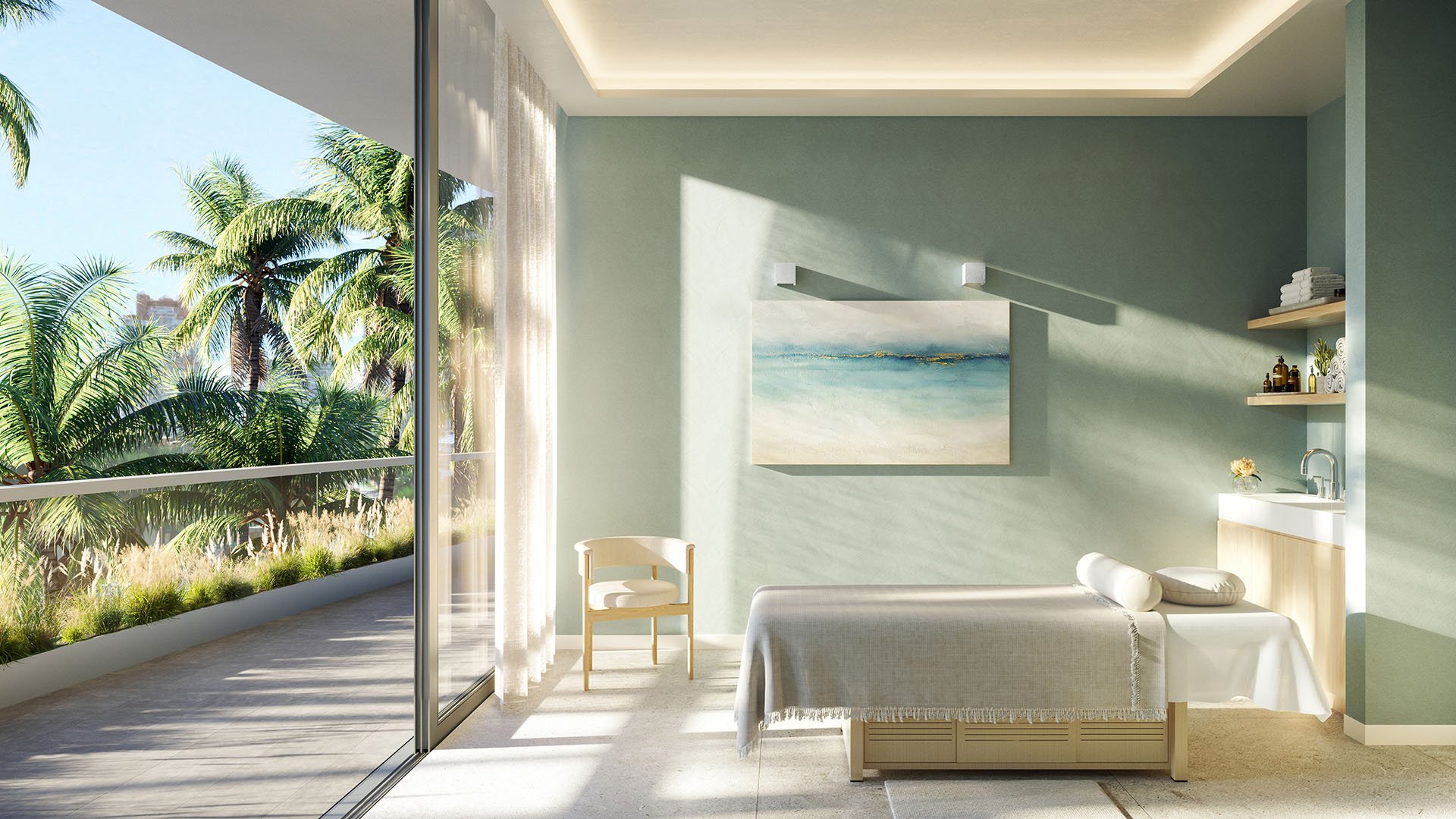
Recovery has become a defining category at the top end of the market. Cold plunge, sauna, steam, massage, stretching, meditation, and quiet rooms can all add value, but only when the spaces are usable. The underwriting question is whether recovery areas are designed for actual residents, not brochure photography.
Privacy is the first test. A recovery room beside a high-traffic fitness area may be visually compelling but emotionally ineffective. Buyers should study circulation, sound transfer, changing areas, treatment-room access, and whether the environment supports discretion. In a market where many owners are executives, founders, athletes, or high-visibility families, privacy is not a luxury flourish. It is part of the asset’s functionality.
The second test is capacity. A building may offer desirable recovery amenities, but if booking windows are constrained or spaces are too small for the resident population, perceived value can fade. Ask how many residents can use the recovery areas simultaneously, whether guests are permitted, and whether peak weekend demand is managed through policy.
The third test is sensory quality. Lighting, acoustics, scent, materials, and temperature stability determine whether a recovery suite becomes a ritual. This is where design-led buildings can outperform larger amenity programs, provided the operation is disciplined. For buyers comparing Five Park Miami Beach and The Ritz-Carlton Residences® Sunny Isles, the strongest answer is the one that makes recovery feel effortless, private, and repeatable.
The same scrutiny applies across the broader wellness category. Projects such as The Well Bay Harbor Islands have helped raise buyer expectations around holistic living, but every purchaser still needs to separate concept from daily execution.
Wellness features support investment value when they are durable, differentiated, and easy to understand at resale. A future buyer should be able to walk through the building and immediately grasp why the wellness platform improves daily life. If the value depends on a long verbal explanation, it may be harder to monetize.
For Five Park Miami Beach, the resale thesis may be strongest when wellness is framed as part of a complete Miami Beach lifestyle: access, design, privacy, and a more composed way to live near energy without being consumed by it. Buyers should underwrite whether the building’s wellness features complement that positioning.
For The Ritz-Carlton Residences® Sunny Isles, the resale thesis may be tied to the continuing appeal of branded residential service in a waterfront setting. The wellness platform should reinforce that promise through reliability, polish, and operational consistency. In that context, even subtle features can matter if they reduce friction in daily life.
The key is not to overpay for wellness language. Pay for wellness infrastructure, service discipline, air quality performance, and recovery spaces that can remain relevant as buyer expectations rise.
Before signing, request a focused wellness and building-performance review. Ask for details on HVAC design, filtration, humidity control, maintenance schedules, amenity staffing, reservation rules, guest access, cleaning protocols, and long-term operating budgets. If possible, tour wellness and recovery spaces at the time of day you would actually use them.
Compare the emotional experience as well as the technical answers. Does the building feel calm? Are transitions intuitive? Do amenity spaces feel private or exposed? Is the pool environment restorative or performative? Do staff members understand the wellness concept in practical terms?
Also consider how the purchase will be used. A primary residence requires different wellness performance than a seasonal home. A family may value clean air, quiet sleep, and flexible recovery spaces more than social programming. A frequent traveler may prize massage access, decompression areas, and predictable service.
There is no universal winner between Five Park Miami Beach and The Ritz-Carlton Residences® Sunny Isles. There is only the better fit for a specific owner profile. The more disciplined buyer will underwrite wellness as a system, not as a mood.
Is wellness now a major factor in luxury condo underwriting? Yes. At the high end, buyers increasingly evaluate wellness as part of livability, resale strength, and long-term building quality.
What should I ask first when reviewing wellness amenities? Start with operations: staffing, reservation policies, cleaning standards, maintenance budgets, and whether programming is consistent.
Why is air quality important in coastal South Florida? Humidity, salt air, and indoor-outdoor living make filtration, ventilation, and moisture control central to comfort and durability.
Does a branded residence automatically have better wellness service? Not automatically. Branding can signal service expectations, but buyers should still verify staffing, access, and day-to-day execution.
How should I compare recovery spaces between buildings? Look at privacy, acoustics, capacity, booking rules, and whether the spaces feel usable during peak resident demand.
Is a larger amenity suite always better? No. A smaller, well-operated wellness environment can be more valuable than a larger space with limited privacy or poor scheduling.
Should I request mechanical details before purchasing? Yes. Filtration, humidity control, ventilation zones, and maintenance schedules are important parts of luxury due diligence.
Which buyer may prefer Five Park Miami Beach? A buyer seeking a Miami Beach lifestyle with design presence, access, and wellness integrated into an active coastal routine may find it compelling.
Which buyer may prefer The Ritz-Carlton Residences® Sunny Isles? A buyer prioritizing branded service, waterfront privacy, and a resort-residential rhythm may gravitate toward Sunny Isles.
Can wellness features improve resale value? They can, when they are credible, well maintained, easy to use, and clearly aligned with the building’s luxury positioning.
For a confidential assessment and a building-by-building shortlist, connect with MILLION.
If branded residences are on your mind — as a home or as an allocation — we would be glad to share what we are seeing, privately.
Begin a quiet conversation