A buyer-focused framework for evaluating South Florida luxury residences through global flight access, insurance exposure, HOA obligations, and the practical rhythm of daily use.
For globally mobile buyers, South Florida is often judged first by ease of arrival. A residence may be compelling because it supports a private aviation routine, a transatlantic work rhythm, or a family schedule split among several homes. Yet flight access is only one line in a more rigorous underwriting exercise. The stronger question is not simply, “How quickly can I land?” It is, “How does this home perform once I arrive, and what does it cost to hold it well?”
That is where insurance, HOA fees, and daily use become decisive. A property that appears effortless for a weekend can become inefficient if the carrying cost, service structure, or everyday route pattern does not match the owner’s habits. In the upper tier, the best purchase is rarely the most convenient in a single dimension. It is the one that remains elegant across every dimension.
Begin with the buyer’s actual flight pattern, not a generic map. A London, São Paulo, New York, or Los Angeles routine will each imply a different tolerance for ground time, luggage handling, staff coordination, and late arrivals. The point is to underwrite the entire transfer, from aircraft door to residence door, including the moments when traffic, weather, guests, or children alter the plan.
For a Brickell buyer, a tower such as St. Regis® Residences Brickell may sit within a lifestyle thesis centered on business, restaurants, waterfront views, and an urban arrival. That does not make it right for every international owner. It means the flight thesis should be paired with the weekday thesis: meetings, dinners, fitness, school runs, staff access, and the ability to leave the car untouched when desired.
The underwriting discipline is simple. Do not buy a landing pattern. Buy a lived pattern.
Insurance should be modeled early, not treated as an afterthought once the residence is emotionally selected. In South Florida, a sophisticated buyer will ask how coverage fits the asset’s exposure, building structure, association governance, personal contents, and the owner’s broader risk profile. The premium itself is only part of the question. Deductibles, exclusions, renewal behavior, documentation, and claims administration all shape the real cost of ownership.
For waterfront or coastal assets, the underwriting conversation should be especially precise. Buyers should understand what is covered by the association, what is personal, what must be separately insured, and how improvements, art, wine, cars, or designer furnishings are treated. The more bespoke the residence, the more important it becomes to align the insurance program with the actual standard of finish.
This is not a reason to avoid trophy residences. It is a reason to price them intelligently.
HOA fees are often misunderstood because buyers focus on the monthly number without studying what that number buys. In high-service buildings, an association budget may support staffing, security, amenities, reserves, maintenance, building systems, and a level of discretion central to the ownership experience. A lower fee is not automatically more efficient, and a higher fee is not automatically excessive.
The better question is whether the HOA structure matches the way the owner will use the property. A buyer who visits for short, intense periods may value hotel-like support, valet efficiency, package management, and a staff culture that can activate the home quickly. A buyer in residence for most of the season may care more about governance, amenity capacity, quiet enjoyment, and the long-term stewardship of the building.
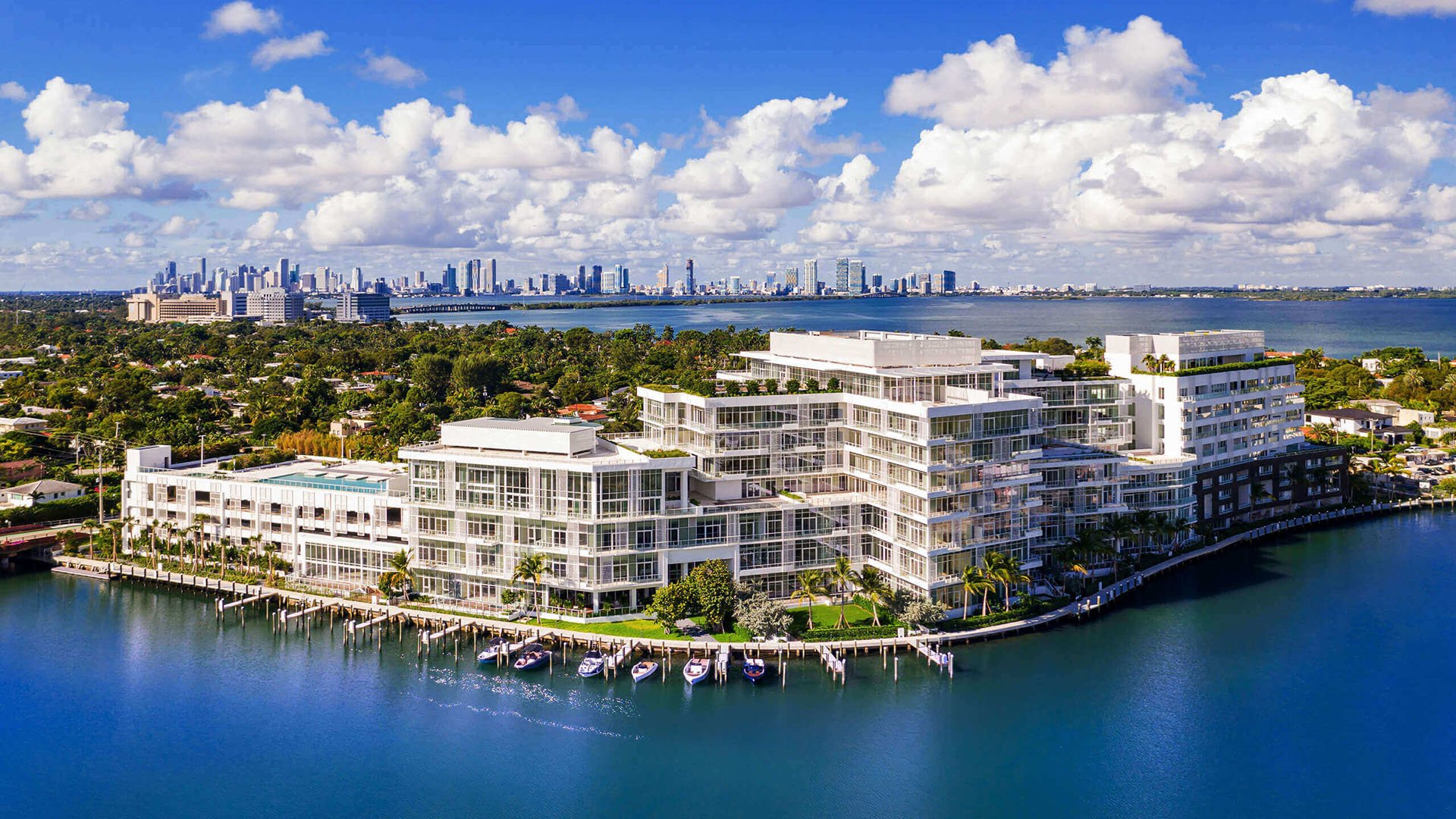
At The Perigon Miami Beach, for example, the relevant exercise is not only architectural preference or beach orientation. The buyer should also ask how the building’s service model fits their rhythm of arrival, privacy, entertaining, and lock-and-leave use.
Daily use is where many luxury decisions become clear. A residence that feels ideal during a showing may underperform if groceries, school, boating, tennis, medical appointments, dining, or staff logistics create constant friction. Conversely, a property that is less obvious on paper may become the preferred home because every ordinary movement feels composed.
In Sunny Isles, a buyer evaluating Bentley Residences Sunny Isles should think beyond the car arrival or the view corridor. The real test is how the building supports recurring habits: morning exercise, beach time, entertaining, household deliveries, visiting family, and the ability to move through the week without operational drag.
For Fort Lauderdale, a project such as St. Regis® Residences Bahia Mar Fort Lauderdale may appeal to a different owner profile, particularly one comparing waterfront lifestyle, yachting culture, and access patterns beyond Miami. The underwriting lens remains the same: daily use must validate the premium.
A trophy purchase can still be an investment, but the financial logic should be honest. Some buyers are optimizing for family utility, some for capital preservation, some for seasonal pleasure, and some for a future resale audience. The best underwriting separates those objectives instead of pretending one property can dominate every category.
Ask three questions before writing the offer. First, what is the true annual cost to own, including insurance, HOA, taxes, management, maintenance, and personal staffing? Second, how many nights will the residence actually be used, and by whom? Third, if the buyer’s travel pattern changes, does the property still make sense?
When the answers are clear, the decision becomes calmer. Flight access remains important, but it no longer overwhelms the analysis.
The right South Florida residence should make arrival feel natural, ownership feel controlled, and daily life feel intuitive. If global access is excellent but the insurance assumptions are vague, pause. If the amenities are seductive but the HOA story is unclear, pause. If the view is extraordinary but the owner will avoid the home because daily errands are cumbersome, pause.
Luxury underwriting is not about removing emotion. It is about protecting it from avoidable friction.
Why should flight access be underwritten separately from location? Because airport convenience is only useful if the rest of the ownership pattern works after arrival.
Are HOA fees always a negative for luxury buyers? No. A well-run HOA can fund service, security, maintenance, and reserves that protect the ownership experience.
When should insurance be reviewed? Insurance should be reviewed before a buyer becomes emotionally committed to a specific residence.
What matters most for a lock-and-leave owner? Staffing, security, maintenance protocols, package handling, and the ability to reopen the home smoothly.
How should an international buyer compare neighborhoods? Compare the full arrival and daily-use pattern, not just the prestige of the address.
Does a lower monthly carrying cost mean a better purchase? Not necessarily. Lower costs may also mean fewer services, weaker reserves, or less operational support.
Should a second-home buyer prioritize view or logistics? The best answer usually combines both, but logistics often determines how frequently the home is used.
What is the most overlooked ownership cost? The most overlooked cost is often the combined effect of insurance, HOA fees, maintenance, and staffing.
Can a trophy residence still be practical? Yes, if its service model, location, and carrying costs align with the owner’s real routine.
What is the best way to shortlist comparable options for touring? Start with location fit, delivery status, and daily lifestyle priorities, then compare stacks and elevations to validate views and privacy.
If you'd like a private walkthrough and a curated shortlist, connect with MILLION.
If branded residences are on your mind — as a home or as an allocation — we would be glad to share what we are seeing, privately.
Begin a quiet conversation