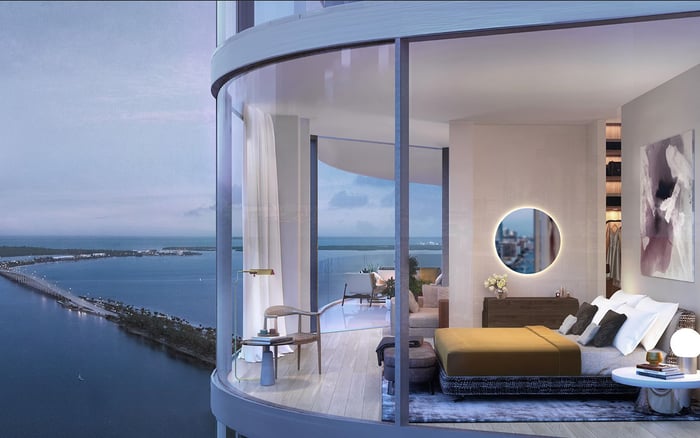
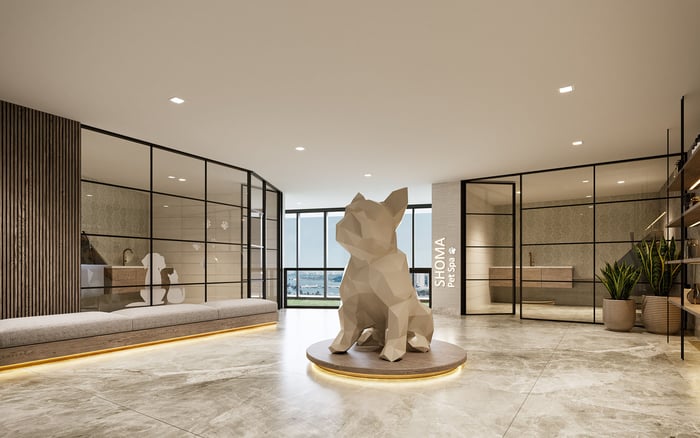
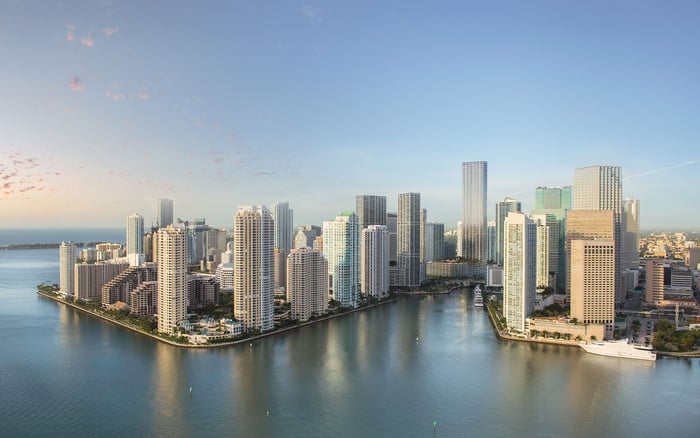
A discerning South Florida guide to deciding whether a luxury condominium should serve as a primary residence or a seasonal trophy home, with emphasis on lifestyle, operating discipline, tax counsel, privacy, service, and long-term flexibility.
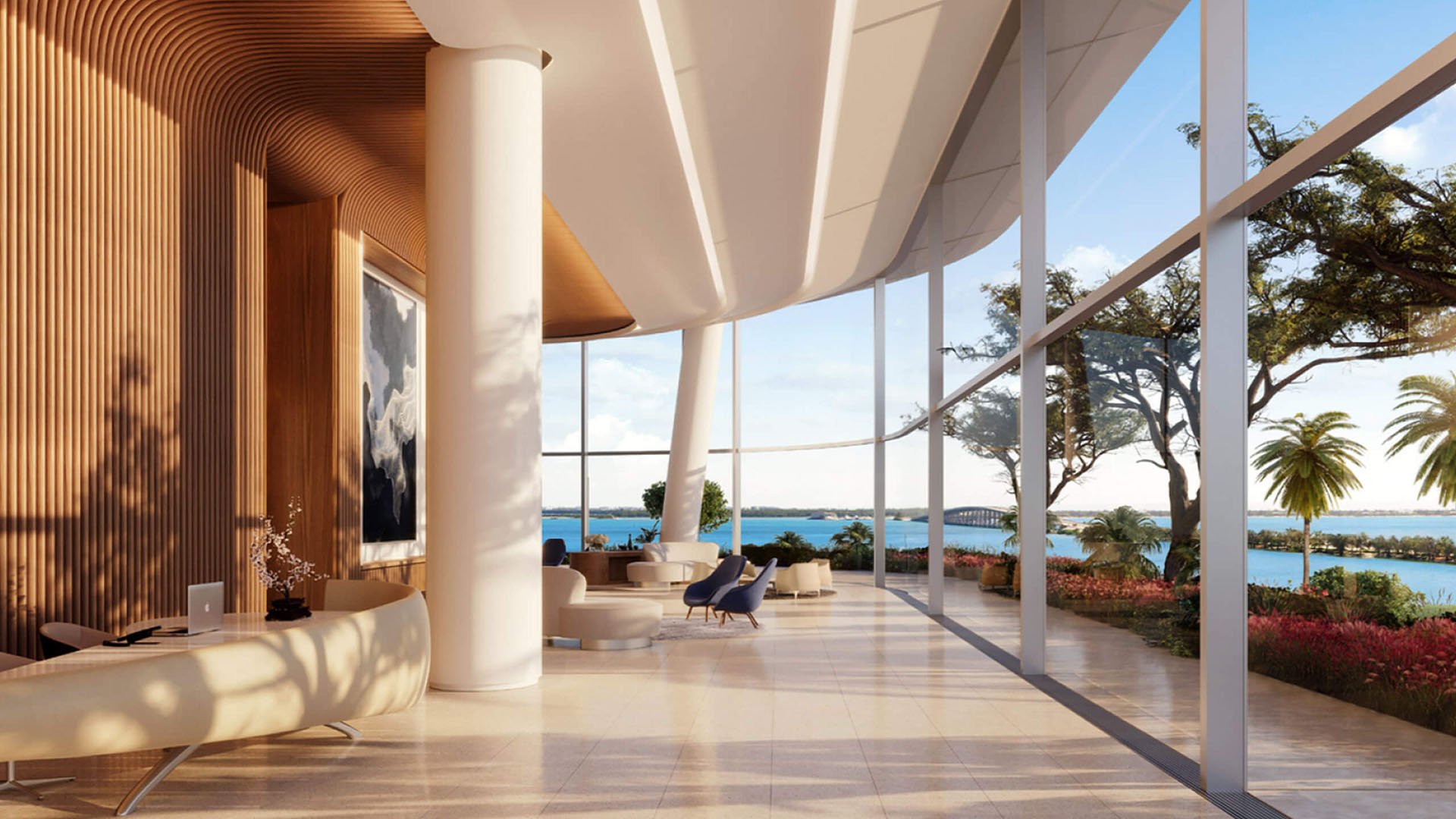
For South Florida’s luxury buyer, the choice between a full-time residence and a seasonal trophy condo is rarely a simple real estate decision. It is a lifestyle decision disguised as an acquisition. The same ocean view, private elevator, and sculptural lobby can support two very different lives: one rooted in daily rhythm, the other designed for elegant arrival and effortless departure.
A full-time residence must perform quietly every day. It must accommodate wardrobes, art, work routines, pets, guests, staff access, medical preferences, favorite groceries, and the small repetitions that make a place feel like home. A seasonal trophy condo, by contrast, is judged by how gracefully it waits. It should feel composed after weeks away, deliver immediate pleasure upon arrival, and maintain the owner’s standard without constant supervision.
The strongest decision begins with a candid accounting of use. If South Florida is where your calendar, family, wellness, and social life increasingly converge, a primary residence may offer the deeper return. If the region remains a curated winter chapter, a seasonal home may be the sharper instrument.
A full-time condominium should be selected for livability before spectacle. Views matter, but so do service elevators, pantry space, package handling, parking convenience, sound separation, morning light, and how the building feels on an ordinary Tuesday. The most successful primary residences are not always the most theatrical. They are the homes that reduce friction.
Brickell can appeal to buyers who want a more urban daily pattern, with dining, business, wellness, and waterfront access folded into one dense environment. A residence such as The Residences at 1428 Brickell belongs in the conversation when a buyer wants the energy of the financial district while still seeking a private residential atmosphere.
Full-time living also raises practical questions that seasonal buyers sometimes underweight. Is there enough storage for true year-round use? Can guests stay without disrupting household rhythm? Does the association’s culture feel residential rather than transient? Are pets, deliveries, drivers, trainers, and house managers accommodated with grace? The answers often matter more than a dramatic amenity deck.
A primary residence also requires a longer emotional commitment. You are not only buying a view. You are choosing your coffee route, your school or club proximity, your preferred bridge or causeway, and the neighborhood temperament that will frame daily life.
A seasonal trophy condo should be beautiful, secure, and exceptionally simple to own. The ideal seasonal property offers lock-and-leave confidence: reliable building operations, strong front-desk protocol, clear maintenance access, and an owner experience that does not require daily attention.
For many buyers, Miami Beach remains a natural seasonal setting because it delivers beach, dining, design, and social life in a compact rhythm. A project such as The Perigon Miami Beach may speak to the buyer who wants architectural presence and a resort-influenced coastal pattern without converting every South Florida visit into household management.
Sunny Isles often attracts buyers focused on oceanfront living and high-rise privacy. For those who value arrival by elevator, expansive water views, and a quieter retreat above the shoreline, Bentley Residences Sunny Isles is the kind of address that illustrates how a seasonal home can function as both sanctuary and statement.
The seasonal question is not whether the property is impressive. It is whether it remains impressive when you are not there. Buildings with disciplined management, clear service standards, and predictable maintenance access can make a trophy condo feel effortless rather than ornamental.
Whether the residence is full-time or seasonal, ownership cost should be examined as an operating model, not a line item. Carrying costs, association dues, insurance, reserves, housekeeping, maintenance, technology, and periodic refreshes all shape the true experience of ownership.
A full-time owner may justify broader household infrastructure because the home is constantly used. A seasonal owner may prefer a smaller footprint with higher service intensity, trading square footage for simplicity. Neither approach is inherently superior. The better choice is the one that matches actual use.
Financing, liquidity, and cash planning should be coordinated before a contract is signed. Ultra-luxury buyers often focus on acquisition speed, but the more refined approach is to model how the asset behaves through vacancy, storms, renovations, family transitions, and possible resale. A glamorous purchase becomes more satisfying when it is also administratively calm.
This is especially relevant for new-construction purchases, where timelines, customization decisions, closing obligations, and future association culture all deserve careful review. The earlier a buyer clarifies intended use, the easier it becomes to choose the right floor plan, exposure, storage strategy, and service profile.
For some buyers, the distinction between full-time residence and seasonal trophy condo intersects with tax residency and domicile. These questions should never be treated casually. They involve personal facts, travel patterns, documentation, family structure, business interests, and professional guidance.
A South Florida home may be part of a broader residency plan, but the real decision belongs with qualified tax and legal advisors. Buyers should align the real estate purchase with their counsel before assuming that time spent in a property automatically produces a desired result.
The practical takeaway is simple: if the condominium may become your primary residence, select it as though every detail will be scrutinized by daily life. If it will remain a seasonal home, make sure the ownership structure, access procedures, insurance, and household management plan support absence as elegantly as presence.
In the upper tier of the market, privacy is not only a floor height or a gated entry. It is the culture of the building. Some condominiums feel like private clubs, with residents who value discretion and staff who understand subtle service. Others feel more social, visible, and animated.
Fisher Island, for example, often enters the conversation when buyers want separation from the mainland rhythm and a deeply private residential environment. The Residences at Six Fisher Island illustrates the appeal of choosing a setting where arrival, circulation, and daily life are shaped by exclusivity rather than public exposure.
Full-time owners should study how a building functions during peak hours. Seasonal owners should ask how it functions in their absence. Who enters the residence? How are vendors cleared? How are storms, leaks, deliveries, and mechanical concerns handled? The most luxurious answer is rarely dramatic. It is consistent, documented, and quiet.
Some buyers want optional rental income, while others want an address protected from frequent turnover. Before buying, clarify whether rentals are allowed, how they are governed, and whether the building culture aligns with your expectations. A property can be a strong investment without being rental-driven.
Seasonal owners may appreciate flexibility, but excessive rental activity can change the atmosphere of a building. Full-time residents often prefer predictability, familiar neighbors, and a staff that is not constantly processing short-stay guests. The best choice depends on whether you value optional income, personal control, or residential continuity most.
A trophy condo should never be evaluated only by projected rental use unless that is truly the ownership thesis. For many affluent buyers, the greater value lies in access, privacy, lifestyle, and capital preservation, not in turning the residence into a hospitality product.
Choose full-time residence if South Florida is becoming the center of gravity for your life. Prioritize storage, privacy, neighborhood depth, association culture, staff performance, and daily convenience. Walk the building as though you already live there.
Choose a seasonal trophy condo if your calendar is concentrated, your stays are deliberate, and your highest priority is effortless re-entry. Prioritize lock-and-leave systems, views, security, maintenance coordination, and the pleasure of immediate arrival.
If you are uncertain, do not begin with the most dramatic penthouse or the most fashionable address. Begin with your calendar. The calendar is more honest than aspiration. It reveals whether you need a home that supports every day or a residence that perfects a season.
Is a full-time residence better than a seasonal trophy condo? It is better only if South Florida is central to your daily life. The right answer depends on use, family rhythm, service needs, and long-term plans.
What should I prioritize for a primary condominium? Focus on livability: storage, privacy, parking, sound control, service quality, and neighborhood convenience. A primary home must perform every day.
What matters most in a seasonal condo? Look for lock-and-leave confidence, strong building management, maintenance access, security, and a residence that feels ready the moment you arrive.
Should tax residency influence the purchase? It can, but only with professional tax and legal advice. Real estate should support a broader plan rather than substitute for one.
Is rental flexibility important? It depends on your ownership thesis. Some buyers want optional income, while others prefer a quieter building culture with limited turnover.
Are branded residences better for seasonal owners? They can be attractive when service consistency is a priority. The key is whether the operating culture matches your expectations.
Should I buy larger if I plan to live there full-time? Often, yes, but layout matters more than raw size. Storage, guest separation, and practical rooms can be more valuable than unused square footage.
How should I evaluate building culture? Visit at different times, study rules, observe staff interaction, and ask how vendors, guests, pets, and deliveries are handled.
Can one condo work for both full-time and seasonal use? Yes, but it must be selected carefully. The best hybrid residences combine daily comfort with low-friction maintenance during absences.
What is the first step before touring properties? Define how many months you realistically expect to live in South Florida and what daily services you require.
For a discreet conversation and a curated building-by-building shortlist, connect with MILLION.
If branded residences are on your mind — as a home or as an allocation — we would be glad to share what we are seeing, privately.
Begin a quiet conversation