A discreet buyer guide to how walkability reframes full-time luxury living in North Bay Village, from daily routines and building selection to water-view priorities and long-term livability.
For a full-time luxury buyer, walkability is not simply the ability to leave the car behind for a single errand. It is a filter for how a residence feels on a Tuesday morning, a quiet Sunday, and the hour after dinner when the household wants air, light, and a reason to step outside. In North Bay Village, the question is not only whether a home is beautiful. The sharper question is whether its setting supports the way an owner actually lives.
That distinction matters because many waterfront and view-oriented purchases are made through the lens of arrival: the lobby, the private elevator experience, the terrace, the first sightline. Full-time living adds another layer. It asks how easily residents can move through daily rituals, how comfortable the building feels under constant use, and whether the neighborhood experience complements the interior investment.
This is why buyers comparing Continuum Club & Residences North Bay Village with other area options should look beyond finishes and amenities. Walkability changes the value of the hours between formal occasions. It influences how often a resident uses outdoor space, how spontaneous the day can feel, and how much friction exists between home and life.
A serious buyer should walk the neighborhood at different times of day before making a final decision. The objective is not to produce a score. It is to understand pace, comfort, shade, crossings, lighting, noise, and the subtle emotional quality of leaving the building on foot. A property can feel exceptional in a private showing and still require a closer look at the pedestrian experience around it.
The most useful walk is practical. Start at the building entrance, not the curb. Notice how the lobby connects to the street, whether the route feels intuitive, and whether the first few minutes outside feel calm or exposed. Then repeat the walk as if you live there: morning coffee, a quick errand, a guest arrival, a pet walk, an evening stroll. Luxury buyers are often highly precise about interiors, yet the first 500 feet outside the front door can shape daily satisfaction as much as a chef’s kitchen or primary suite.
For a new-construction buyer, this exercise is especially valuable because the finished lifestyle may be partly projected. In that case, walkability should be considered alongside floor plan, parking, service culture, and the likely cadence of daily use. The right residence should not feel like an island unless the buyer truly wants an island-like routine.
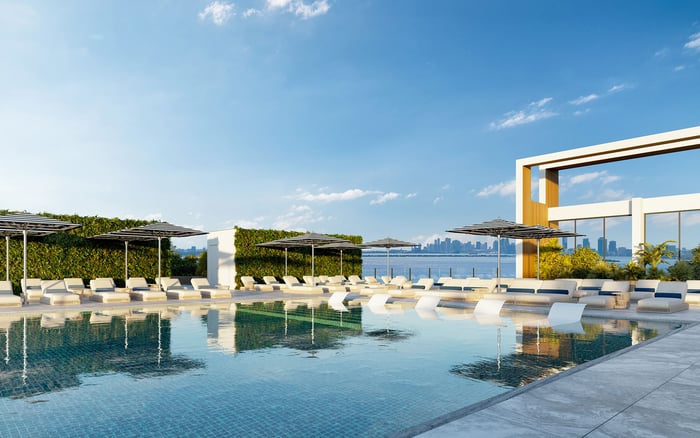
A water-view residence is most powerful when it is not the only pleasure of the day. Views create serenity, but walkability creates continuity. Together, they allow a full-time owner to enjoy both retreat and movement. The terrace becomes the private moment; the walk becomes the civic moment. That combination is increasingly important for buyers relocating permanently rather than purchasing only for seasonal stays.
This is where North Bay Village searches can become more nuanced. Some buyers begin with a view preference, then discover that access, street comfort, and nearby daily conveniences carry equal weight. A residence may win attention through its outlook, but it earns loyalty through repetition: the morning departure, the afternoon return, the comfortable guest pickup, the easy walk after dinner.
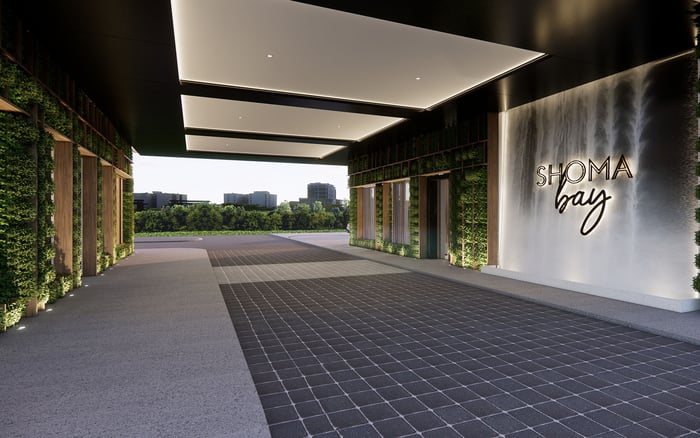
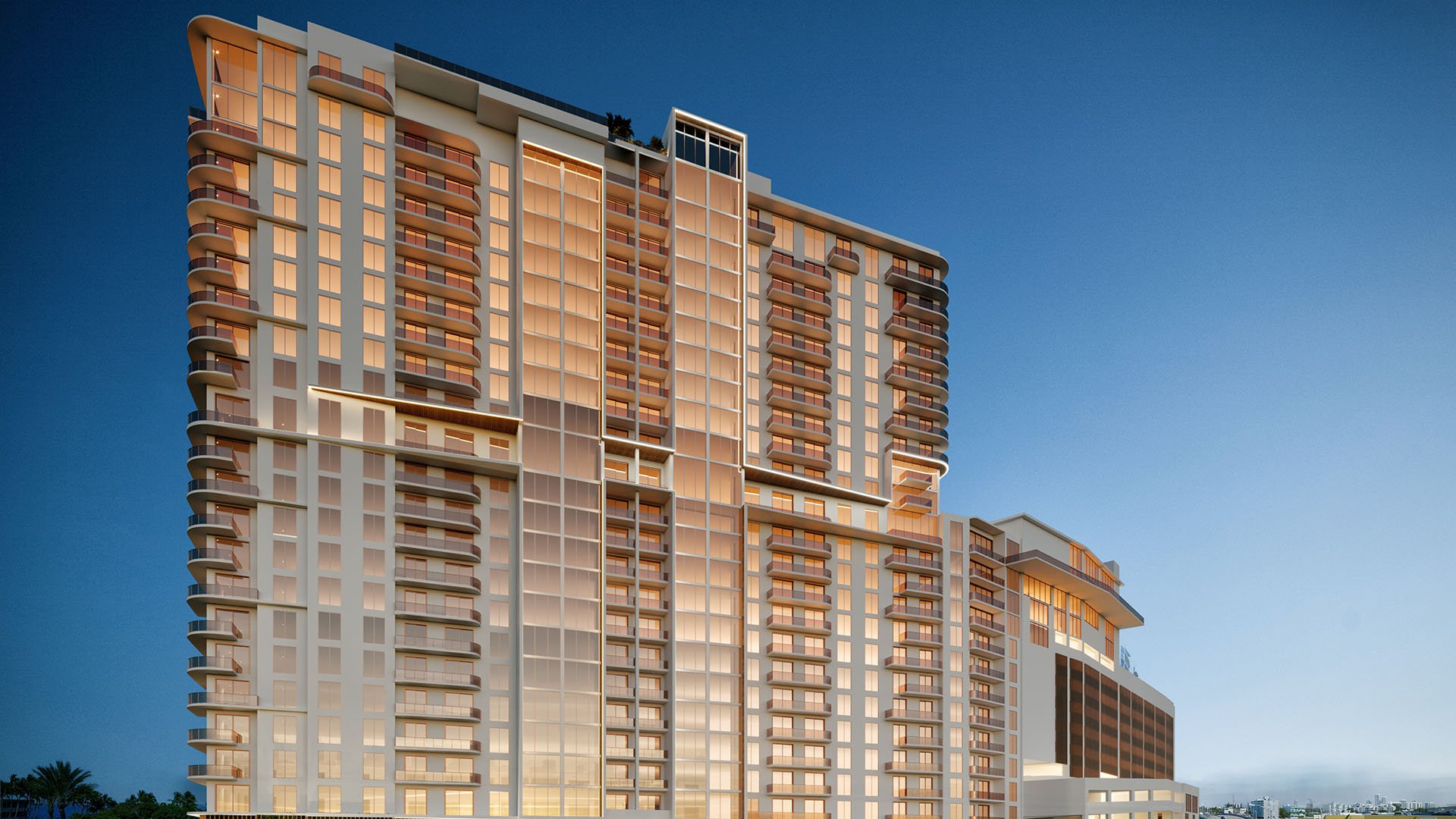
Projects such as Shoma Bay North Bay Village are part of that broader conversation, where buyers are not simply comparing residences but testing different versions of a daily waterfront lifestyle. The best fit supports both privacy and ease without making the owner feel overly dependent on scheduled transportation.
Walkability does not begin at the sidewalk. It begins inside the building. Full-time buyers should evaluate how the residence, elevator, lobby, valet flow, package areas, pet access, and service spaces work together. If the building feels graceful only during a tour, it may not feel graceful under everyday pressure.
The most livable luxury buildings reduce small frictions. Residents should be able to leave quickly, return comfortably, receive guests without confusion, and move between indoor amenities and the neighborhood without making each outing feel like a production. This is particularly relevant for buyers who work from home, entertain frequently, or expect extended family visits.
A marina-oriented buyer may also want to separate romance from routine. Water access, boating culture, and waterfront identity can be deeply appealing, but full-time living still depends on simple daily questions. How does the household handle groceries, fitness, dining, dog walks, school runs, medical appointments, and airport departures? The stronger the pedestrian and arrival experience, the more naturally the property performs as a primary residence.
Many buyers considering North Bay Village also look across nearby luxury pockets to understand trade-offs. That does not mean one area is universally better. It means each area offers a different balance of privacy, density, views, services, and daily movement. A buyer drawn to a quieter residential feel may evaluate one set of priorities, while a buyer who wants a more established pedestrian district may evaluate another.
For example, a household comparing Tula Residences North Bay Village with Onda Bay Harbor should focus less on abstract prestige and more on use. Where will the owner walk most often? Which arrival sequence feels more natural? Which setting better supports visiting family, staff coordination, pets, or evening routines?
This is also where buyers should be honest about temperament. Some owners want immediate energy outside the door. Others want a quieter setting with enough access to feel connected. Walkability is not a single definition. It is the match between a household’s habits and the environment surrounding the residence.
Before committing, walk the area in the morning, midday, and evening. Observe how comfortable each route feels without the staging of a showing. Pay attention to pedestrian crossings, curb activity, lighting, and the sense of arrival after dark. A luxury residence should feel composed at multiple hours, not only during a scheduled tour.
Next, test daily scenarios. If you have a dog, walk the likely route. If you entertain, imagine guests arriving without detailed instructions. If you travel often, consider how easily the household transitions from car to valet, lobby, and elevator. If wellness is central, assess whether outdoor movement feels inviting enough to become a habit.
Finally, compare your emotional response. A strong full-time home often creates a feeling of ease before any spreadsheet confirms it. The right building makes daily movement feel dignified. The right neighborhood makes leaving home feel natural. The right purchase does both.
Why does walkability matter for a luxury buyer in North Bay Village? It affects the daily quality of ownership, especially for buyers planning to live in the residence full time rather than visit seasonally.
Should I prioritize views or walkability first? The strongest choice usually balances both. A remarkable view feels more livable when daily movement outside the building is comfortable.
How should I evaluate a building’s walkability? Begin at the residence and move through the elevator, lobby, entrance, and surrounding streets as if you already live there.
Is walkability only about restaurants and retail? No. It also includes comfort, lighting, crossings, pet routines, guest arrivals, and the feeling of moving through the area without friction.
What should full-time residents test before buying? Test morning errands, evening walks, valet flow, package access, pet routes, and how the building feels during ordinary daily use.
Can a waterfront residence still feel inconvenient? Yes. A beautiful outlook does not automatically solve daily logistics, which is why the surrounding experience should be tested carefully.
Are newer buildings always better for walkability? Not always. New construction can offer modern planning, but the real test is how the building connects to daily routines and the street.
How do amenities relate to walkability? Amenities support private life, while walkability supports life beyond the lobby. Full-time buyers should consider both together.
Should second-home buyers care about walkability too? Yes. Even occasional owners benefit when short stays feel effortless, spontaneous, and less dependent on constant driving.
What is the best way to shortlist comparable options for touring? Start with location fit, delivery status, and daily lifestyle priorities, then compare stacks and elevations to validate views and privacy.
To compare the best-fit options with clarity, connect with MILLION.
If branded residences are on your mind — as a home or as an allocation — we would be glad to share what we are seeing, privately.
Begin a quiet conversation