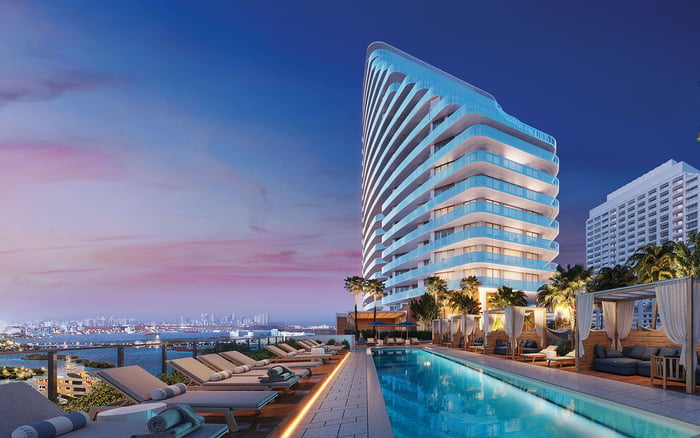
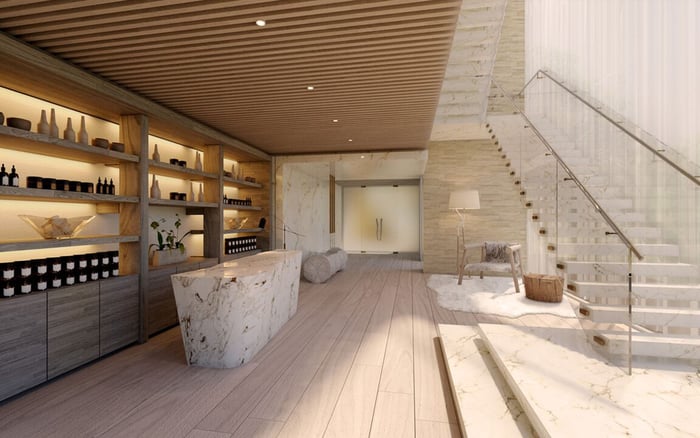
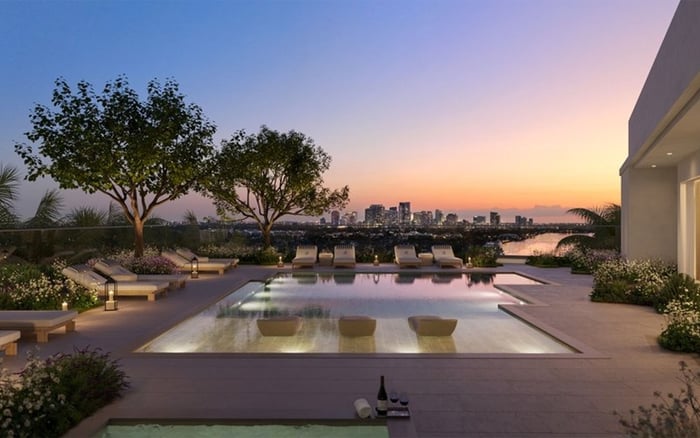
In Fort Lauderdale, the most coveted new and legacy towers are moving beyond amenity decks into something more private: resident-only dining moments that feel closer to a members club than a condominium perk. The appeal is not just convenience, but control: curated service, discreet settings, and a culinary ritual that can anchor the day without leaving the building. Because publicly disclosed details on resident-only dining programs vary by property and evolve over time, the most reliable way to evaluate “exclusive dining” is to focus on the architecture of hospitality around it: dedicated lounges and club floors, in-residence catering capabilities, private event rooms, and the operator’s ability to deliver consistent service. Below, MILLION Luxury highlights five Fort Lauderdale towers that best match that brief, then breaks down what to ask, what to verify, and how to purchase with the same discernment you bring to the rest of your portfolio.
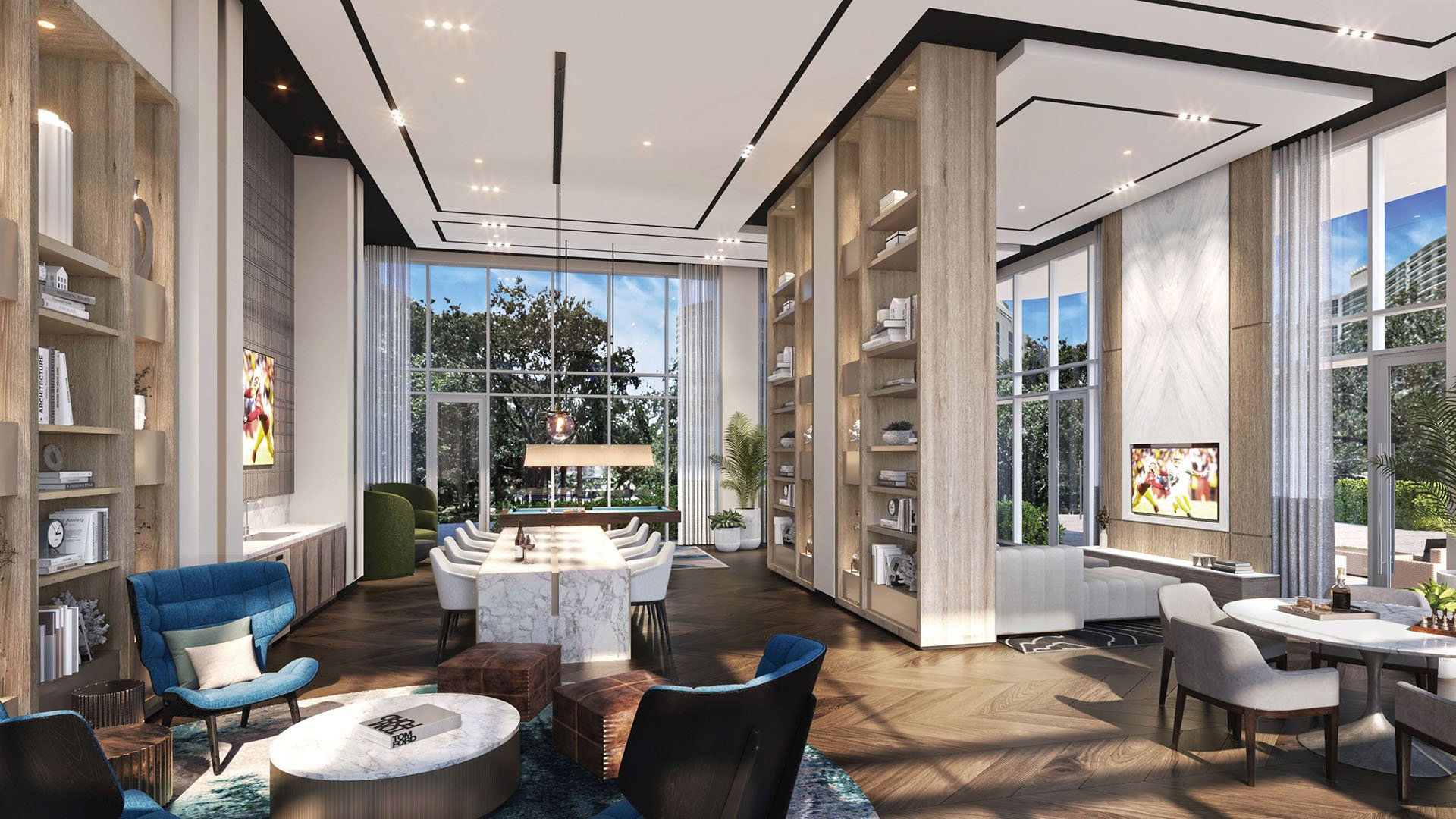
Fort Lauderdale’s ultra-luxury market has matured quickly: buyers still want water views and refined finishes, but the differentiator increasingly shows up in the everyday. Exclusive, resident-only dining speaks to a distinctly modern preference: the ability to step into a composed, quiet room, be recognized, served with intention, and left undisturbed.
Unlike a public restaurant downstairs, a true resident program is built around privacy and predictability. It may take the form of a dedicated residents’ lounge that transitions into evening service, a private chef’s table for small gatherings, or an in-residence menu executed with hotel-level consistency. The common thread is control: access is limited, the tone is discreet, and the pace is set by residents-not walk-ins.
In Fort Lauderdale, the towers most aligned with this standard typically share two qualities. First, they are hospitality-driven, either adjacent to or operated with hotel DNA. Second, they invest in the behind-the-scenes mechanics that make dining feel effortless: service elevators, staging kitchens, staff training, and governance that supports ongoing operations.
1. Four Seasons Hotel & Private Residences Fort Lauderdale - hospitality-first living
If you believe dining is only as strong as the team behind it, a Four Seasons-branded environment sets a clear baseline. Owners tend to prioritize service, and that mindset translates naturally into private dining moments-whether through a residents’ lounge experience, catered entertaining, or in-residence service delivered with polish.
The value here is not spectacle. It is the expectation of consistency-the quiet choreography you notice when everything runs on time and nothing needs to be announced.
2. Auberge Beach Residences & Spa Fort Lauderdale - resort sensibility with resident privacy
Auberge’s posture reads as relaxed luxury, where dining can feel like an extension of the pool or an oceanfront day rather than a formal production. For residents, that sensibility often suits Fort Lauderdale’s rhythm: effortless, coastal, and designed for spontaneous entertaining.
For buyers who host, the appeal is the setting-paired with service infrastructure that can support intimate meals as well as larger, privately catered moments.
3. The Ritz-Carlton Residences® Fort Lauderdale - classic standards, discreet execution
The Ritz-Carlton name signals a particular kind of formality: measured, elegant, and quietly attentive. In a residential context, that typically shows up in how private dining and events are managed, with an emphasis on presentation, reservation discipline, and a “club rules” framework many luxury buyers appreciate.
For residents who value predictability, this more traditional hospitality lens can be an advantage-especially when the building culture prioritizes discretion.
4. St. Regis® Residences Bahia Mar Fort Lauderdale - destination energy with a private layer
Bahia Mar is synonymous with marina life and a social waterfront setting, and the St. Regis brand often brings a strong point of view on entertaining. At its best, this formula gives residents curated private spaces that let you host without sacrificing the sense of arrival.
For buyers who want their building to feel like a place others travel to-while still preserving a resident-only layer-this can be a compelling profile.
5. Andare Residences Fort Lauderdale - boutique-leaning modern luxury
Not every buyer wants a grand hotel posture. Some prefer a more modern, residential-first atmosphere where dining feels intimate, calm, and less ceremonious. Boutique-leaning towers can excel when resident social areas are designed with intention-acoustics, lighting, staff flow, and a layout that makes private events feel natural.
If your priority is quiet luxury in practice, this profile can deliver exclusivity without the theatre.
In a market where marketing language can blur distinctions, sophisticated buyers translate dining claims into a checklist of tangible realities.
Start with access control. “Resident-only” should clearly define who can enter: owners, registered residents, and their guests. Ask whether outside memberships are permitted and whether any spaces convert to public use seasonally. Exclusivity is as much policy as it is design.
Next, look for dedicated space. A multipurpose lounge that occasionally hosts catered events can still be excellent, but it is not the same as a purpose-built dining room or club lounge with a clear evening identity. The strongest buildings create a room that feels complete even when it is not full, with thoughtful sound absorption, banquette placement, and lighting that reads flattering at night.
Finally, confirm the service model. Is there a standing culinary program, or is dining primarily private catering on request? Both can be luxurious, but they support different lifestyles. A weekly cadence of resident programming favors owners who want a true “third place” at home. On-demand catering favors owners who entertain selectively and want full control.
Dining is a lifestyle promise, and lifestyle promises require verification.
Ask for hours of operation, reservation priority, and any minimum spend requirements. Clarify whether the culinary team is in-house, third-party, or shared with adjacent hospitality. Then confirm how events are managed: capacity, sound policies, booking windows, and whether staffing is included or billed separately.
Also ask about delivery to residences. In-residence dining that arrives correctly, on time, and properly staged often requires more than a menu-it requires service standards, equipment, and a culture of accountability.
If you are buying pre-construction, be precise about what is contractual versus conceptual. You are not trying to be difficult. You are aligning expectations with what will exist on day one and what may mature over time.
Fort Lauderdale’s luxury audience is increasingly international and increasingly accustomed to culinary standards once associated only with Miami Beach and Brickell. The result is rising demand for buildings that deliver privacy and sophistication without pushing residents into the public scene.
For buyers who also keep a second address, it can be useful to compare how other South Florida enclaves execute private dining culture. The calm, wellness-forward sensibility found in 2000 Ocean Hallandale Beach offers a helpful contrast in how boutique scale can elevate the intimacy of resident spaces.
In Miami, hospitality-driven vertical living has become its own language, and that language is shaping expectations up the coast. Consider the club-like posture of Cipriani Residences Brickell for buyers who prioritize service rituals and a clear social code, or the fashion-house intensity of 888 Brickell by Dolce & Gabbana for those who want statement-making entertaining as part of the identity.
Even within Fort Lauderdale, newer residential offerings are responding to this shift toward curated, members-style living. If your lifestyle is more urban than beachfront, Sixth & Rio Fort Lauderdale is a reminder that dining adjacency and walkability can matter as much as an in-building program, depending on how you actually live.
The most important question is not whether a building offers a dining amenity-it is whether the program matches your rhythm.
If you entertain frequently, prioritize a property with dedicated private rooms and a proven service team that can execute repeatably. The goal is to remove friction: effortless reservations, consistent staffing, and spaces that photograph beautifully without feeling staged.
If you entertain selectively, look for a smaller, higher-control environment where you can book the room, set the menu, and keep the evening contained. In that case, “exclusive” is about flexibility and privacy rather than a daily restaurant cadence.
If you are rarely in town, you may prefer a hospitality-first tower where arriving at your residence feels like arriving at a hotel-and where dining can be arranged without extensive planning. That kind of ease is its own luxury.
What qualifies as resident-only dining in a luxury tower? A dedicated program or space reserved for residents and their guests, with controlled access and consistent service standards.
Is resident-only dining always a full restaurant? No. It can be a lounge with evening service, a chef’s table, or private catering executed within resident-only spaces.
Will I be able to bring guests? Typically yes, but the building’s rules define guest limits, reservation priority, and whether events require pre-approval.
How do I verify what is truly exclusive? Ask for the written access policy, operating hours, and whether any memberships or public reservations are permitted.
Are food and beverage minimums common? They can be, especially for private rooms or programmed events; confirm minimums, service charges, and cancellation terms.
Does in-residence dining matter as much as a dining room? For many buyers, yes. Seamless delivery and proper service can be more valuable than a public-facing restaurant concept.
How does a hospitality brand change the experience? It often raises expectations for staffing, training, and service consistency, which can elevate the daily experience.
What should I ask when buying pre-construction? Clarify what is contractually committed versus conceptual, and how the dining program will be staffed and governed.
Can HOA governance affect dining quality? Yes. Budgets, staffing approvals, and policy decisions can strengthen or dilute the experience over time.
Which matters more: location or the dining program? It depends on your cadence; for some, walkability and nearby restaurants win, while others prioritize private, on-site ease.
If you'd like a private walkthrough and a curated shortlist, connect with MILLION Luxury.
If branded residences are on your mind — as a home or as an allocation — we would be glad to share what we are seeing, privately.
Begin a quiet conversation