A practical guide for luxury buyers evaluating North Miami waterfront condos through the lens of boating access, marina due diligence, slip usability, storm planning, and condo association rules.
North Miami waterfront condominiums speak to a particular South Florida buyer: one who values water not simply as scenery, but as a daily route, a ritual, and a practical extension of home. A balcony over a canal or bayfront basin may be beautiful, but for a boater it is never the full story. The real test is whether the building, dock, association, and surrounding waterways support the way the owner actually uses a vessel.
That distinction matters in the ultra-premium market. Two residences can offer comparable views yet differ meaningfully in boating convenience. One may provide a seamless path from lobby to dock, predictable access, sensible storage rules, and a marina culture that understands contractors, captains, provisioning, and storm preparation. Another may deliver a cinematic outlook but limited or complicated marine usability. Buyers should separate romance from operations before assigning value.
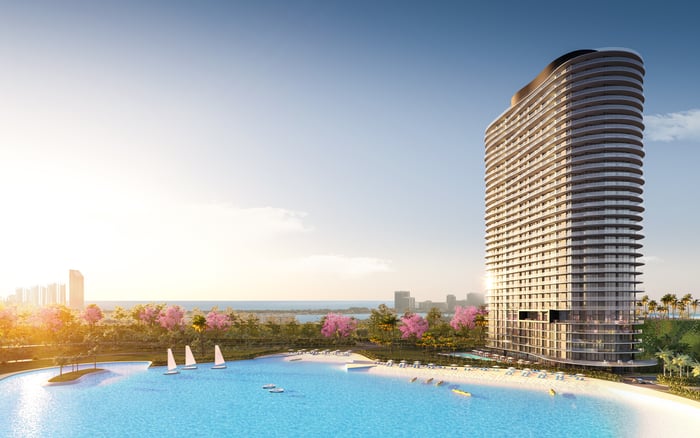
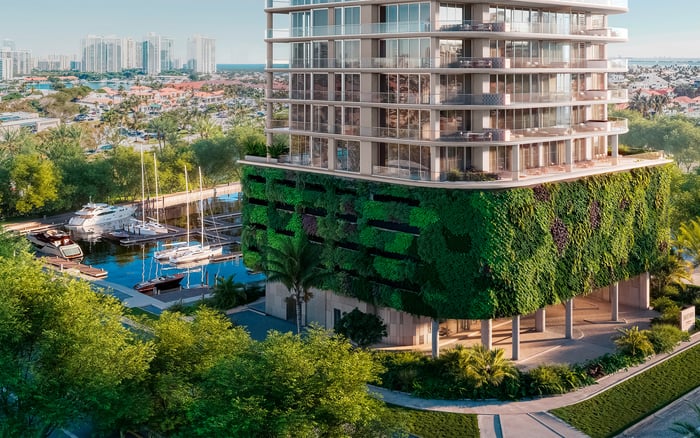
Projects such as One Park Tower by Turnberry North Miami place North Miami within the broader conversation around contemporary waterfront living. For boating-oriented buyers, the next step is not simply to admire the water. It is to verify the mechanics behind it.
The first practical question is whether a slip is deeded, assigned, leased, waitlisted, or otherwise controlled by the association or a marina operator. Those distinctions affect long-term value, financing conversations, resale expectations, and day-to-day confidence. A buyer should understand whether the right to dock travels with the unit, requires separate approval, is subject to fees, or can be changed by future association decisions.
Size is equally important. Length, beam, draft, clearance, and lift capacity should be evaluated against the actual vessel, not a general description of boat accommodation. A statement that a building is “boater-friendly” is not enough. The due diligence package should clarify slip dimensions, permitted vessel types, any liveaboard restrictions, tender policies, jet ski rules, and whether lifts, davits, or personal dock boxes are allowed.
Utilities deserve their own review. Shore power, water service, lighting, pump-out access, security, and contractor access can materially shape the daily experience. Buyers with larger yachts, center consoles, sportfish vessels, or high-performance tenders should bring the captain or marine surveyor into the conversation early. In a search note, mark Marina, Boat-slip, Waterview, and New-construction priorities as separate filters rather than assuming they are bundled together.
For boaters, the waterway between the dock and open cruising grounds is as important as the residence itself. The route may involve channels, bridges, idle-speed zones, tidal conditions, or narrow turns. These are not lifestyle footnotes. They determine how spontaneous boating can be, how long a weekend departure really takes, and whether a specific vessel is suitable for the property.
A serious buyer should map the route in both directions, ideally at different tide conditions and times of day. Ask where bottlenecks occur, how bridge clearances affect the vessel, whether commercial traffic is present, and how wind or current behaves near the dock. If the residence is intended for frequent boating rather than occasional sunset runs, repetition matters.
Nearby waterfront alternatives can be instructive. A buyer comparing North Miami with neighboring enclaves might also consider the rhythm around Continuum Club & Residences North Bay Village or the access patterns around Avenia Aventura. The point is not that one address is universally superior. The point is that every waterfront address has its own marine personality.
Luxury buyers often review condominium documents for reserves, rental restrictions, pet policies, and architectural controls. Boaters need to go further. The association rules should be read with an eye toward dock governance, marina maintenance, hurricane procedures, guest vessel policies, insurance obligations, and who has authority when a boat becomes a risk to the property.
Key questions include who maintains pilings, seawalls, cleats, lifts, utilities, gates, cameras, and dock surfaces. Buyers should also understand whether marina expenses are shared by all owners, limited to slip users, or handled through a separate fee structure. If slips are scarce, confirm whether transfers are permitted, whether non-resident owners can lease slips, and how disputes are resolved.
Insurance language is essential. A building may require proof of vessel liability coverage, named insured endorsements, or compliance with specific storm preparation standards. Contractors may need certificates before stepping onto the dock. Captains, detailers, mechanics, fuel services, and provisioners may be treated differently by each association. The smoother buildings tend to be those where these procedures are clear before closing.
In South Florida, true luxury is not only marble, millwork, and private elevators. It is preparedness. A waterfront condominium for boaters should have a clear storm protocol explaining when vessels must be secured, removed, relocated, or inspected. Buyers should ask how notices are delivered, what deadlines apply, and what happens if an owner is traveling.
The residence should also be evaluated for storm logistics beyond the slip. Can the owner access the building when preparations are underway? Are contractors able to enter efficiently? Is there adequate staging for lines, fenders, canvas removal, and equipment? Does the association have consistent expectations, or are procedures informal and dependent on individual managers?
No buyer should assume that a protected-looking basin eliminates risk. The more valuable the vessel, the more disciplined the plan should be. Many experienced owners maintain separate arrangements with captains, yards, or storage providers, even when they also enjoy private dockage. The best waterfront purchase is one that fits into a broader storm strategy rather than attempting to replace it.
A boating residence is ultimately a home. Dock access should complement the owner’s rhythm rather than dominate it. Some buyers want a quiet waterfront base with occasional family cruising. Others want fast provisioning, frequent entertaining, and the ability to depart with minimal friction. Some prioritize privacy and security, while others value an active marina setting where captains and crews are constantly moving.
This is why a discreet comparison across waterfront neighborhoods can be useful. Onda Bay Harbor, for example, may enter a buyer’s broader waterfront consideration set alongside North Miami and North Bay Village, depending on preferred scale, design language, and access priorities. The right choice is rarely about one amenity in isolation. It is about the total operating environment.
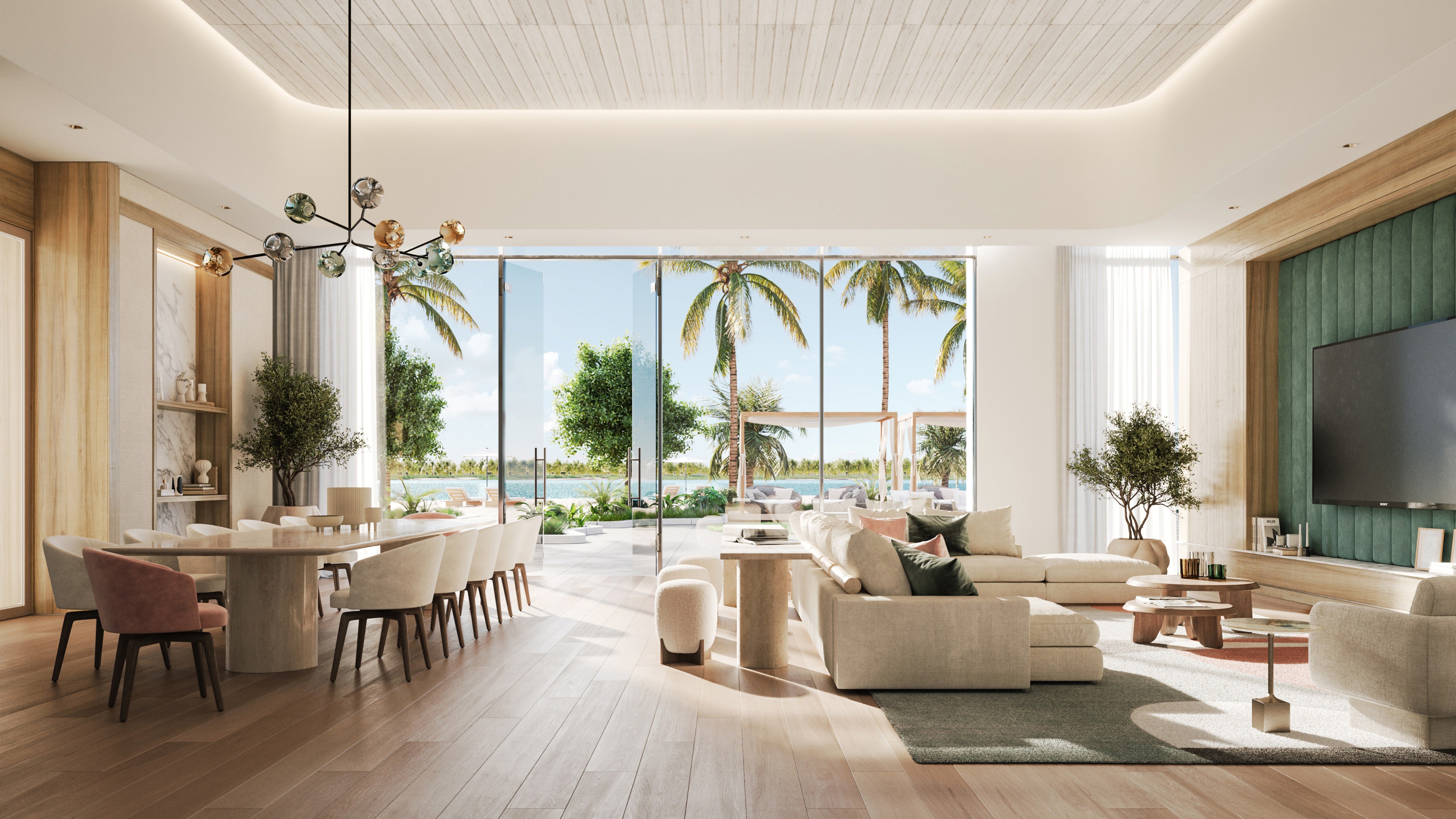
Interior planning matters as well. Boaters tend to need practical storage for gear, soft goods, fishing equipment, paddleboards, coolers, and weather gear. Private foyers, service elevators, garage access, valet procedures, and building storage policies can make a high-design residence feel either effortless or constrained.
Before making an offer, the boating buyer should confirm the legal status of the slip, vessel size limits, utility availability, monthly or annual fees, insurance requirements, association approvals, transfer rights, storm rules, route characteristics, bridge considerations, contractor access, and security provisions. Each item should be documented, not assumed.
A marine professional should review the dock condition and the suitability of the waterway for the intended vessel. A real estate advisor should review how slip rights are represented in the purchase documents. An attorney should confirm whether any marina-related rights are enforceable and transferable. The buyer should also speak with the association or management to understand how rules function in practice.
The most elegant waterfront purchase is the one that remains elegant after closing. For North Miami boaters, that means evaluating the residence, the dock, the water, and the rulebook as one integrated asset.
Is every North Miami waterfront condo suitable for boat owners? No. Waterfront views and practical dockage are separate considerations, and each building must be reviewed individually.
What should I verify first when a condo mentions marina access? Confirm whether the slip is deeded, assigned, leased, waitlisted, or controlled separately from the residence.
Why do slip dimensions matter so much? A vessel’s length, beam, draft, and clearance must match the actual dock and route conditions, not a general marketing description.
Should I hire a marine surveyor before buying? For serious boaters, a marine professional can help evaluate dock condition, utilities, route suitability, and vessel fit.
Can condo associations restrict the type of boat I keep? Yes. Associations may regulate vessel size, use, appearance, insurance, guest access, contractors, and storm preparation.
Are boat lifts always allowed at waterfront condos? Not always. Lift rules depend on the association, dock structure, approvals, and any applicable permitting considerations.
How important is the route to open water? Very important. Bridges, tides, current, channel conditions, and speed restrictions can shape daily boating convenience.
What storm questions should I ask before closing? Ask when boats must be secured or moved, who gives notice, what insurance is required, and how absentee owners are handled.
Does a boat slip always add resale value? It can, but value depends on legal rights, transferability, scarcity, vessel capacity, condition, and buyer demand.
How should I compare North Miami with nearby waterfront markets? Compare the whole boating lifestyle: access, dock rules, building services, privacy, design, and the way you intend to use the vessel.
For a discreet conversation and a curated building-by-building shortlist, connect with MILLION.
If branded residences are on your mind — as a home or as an allocation — we would be glad to share what we are seeing, privately.
Begin a quiet conversation