A buyer-focused guide to evaluating private school access in Coconut Grove, with emphasis on daily routes, admissions timing, household logistics, privacy, amenities, and the nuances of luxury condo living for families.
For many luxury buyers, Coconut Grove is evaluated by more than water views, architecture, wellness programming, or proximity to restaurants. It is evaluated by the morning. The first real test of a family residence is often what happens between breakfast and the school bell, when elevators, valet timing, uniforms, backpacks, sports equipment, and Miami traffic all converge.
That is why private school access belongs beside floor plan, exposure, terrace depth, service culture, and long-term value. A residence may be beautiful at sunset, but for a family with school-age children, the more revealing question is whether the home supports an elegant weekday rhythm.
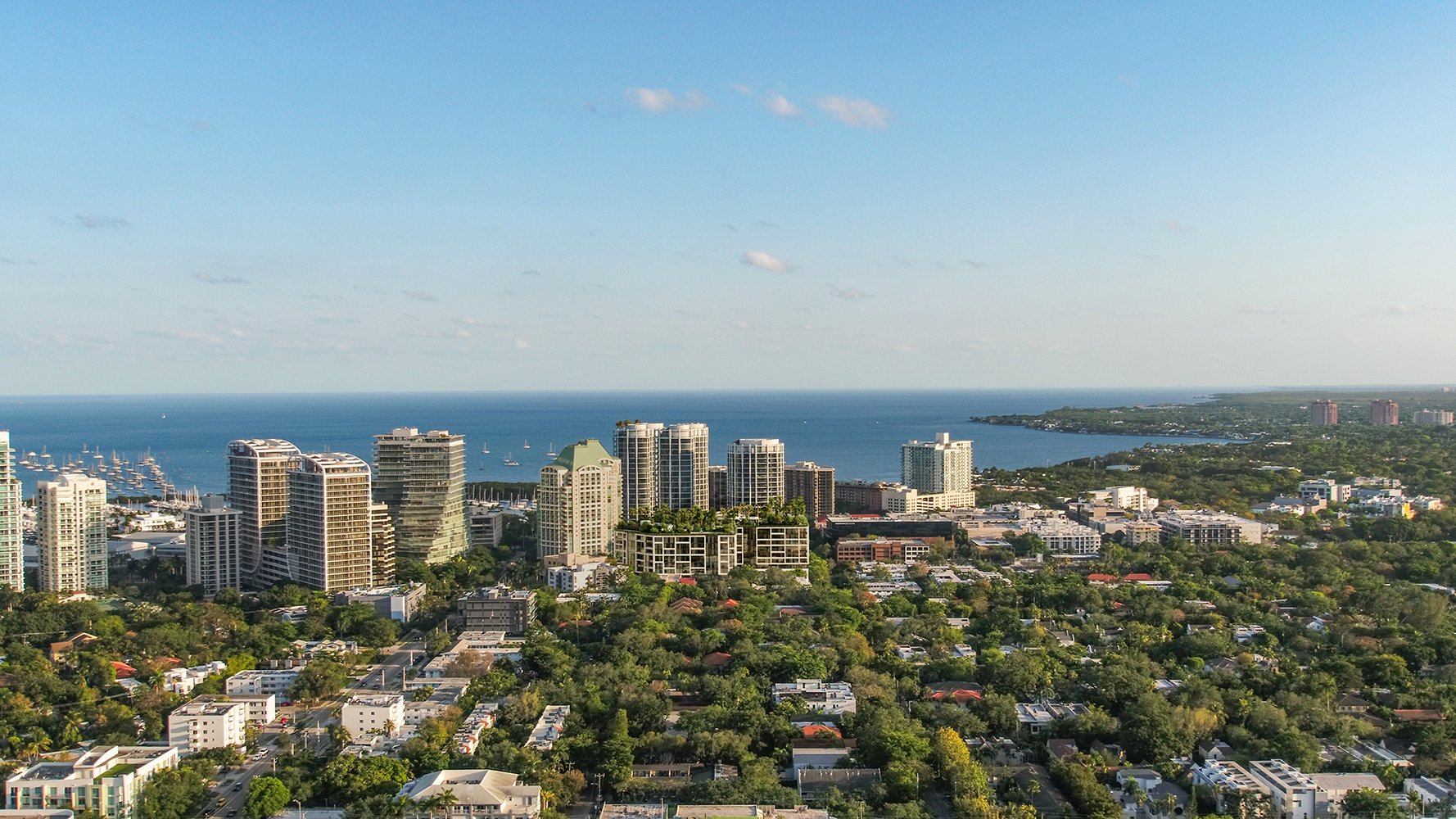
Coconut Grove has a distinct advantage in that conversation because it offers a residential atmosphere with a softer pace than Miami’s denser business districts, while still keeping buyers connected to core parts of the city. Yet school access should never be reduced to a pin on a map. The best comparison considers route quality, timing flexibility, building operations, household staff needs, and the way the condominium feels during the busiest hours of the day.
A short drive can feel long if the route is inconsistent. A longer route can feel manageable if it is predictable, grounded in routine, and supported by a building team that understands family logistics. Buyers should compare not only approximate distance to a preferred school, but also how the trip behaves at different times of day.
The most useful exercise is simple: test the route when it matters. Morning drop-off, afternoon pickup, rainy-day pickup, and after-activity return trips can each feel different. For families relocating from markets where school commutes are highly scheduled, Miami’s daily rhythm may require a more nuanced view of time. The question is not, “How close is it?” The question is, “How reliably does our household operate from here?”
This is where a residence such as Four Seasons Residences Coconut Grove may enter the conversation for buyers who want a refined Grove address with a service-oriented lifestyle. The relevant point is not merely prestige. It is whether the building experience feels composed at the exact moments when a family needs efficiency.
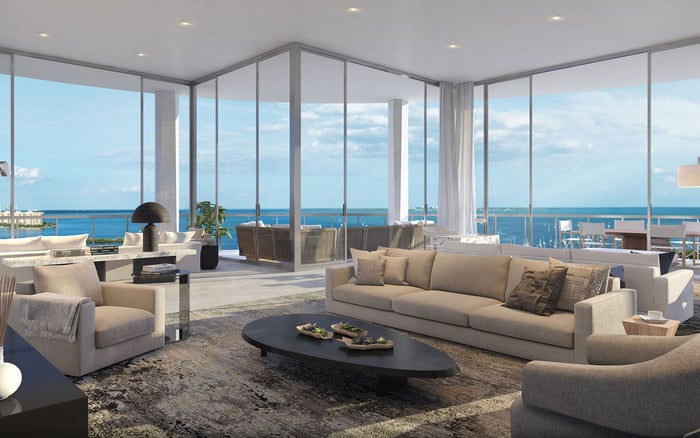
Luxury families often focus on interiors first: ceiling height, kitchen finish, bedroom separation, primary suite privacy, and terrace usability. Those elements matter, but school access also depends on operational details that are easy to overlook during a polished sales presentation.
Ask how arrival and departure work during peak periods. Consider whether the porte cochère, valet system, package handling, and elevator cadence feel suitable for children, caregivers, tutors, drivers, and visiting grandparents. A building that feels serene at noon may operate very differently at 7:30 in the morning.
Storage is another quiet luxury. A family condo should have room for school bags, instruments, sports gear, seasonal uniforms, and weekend equipment without turning the foyer into a staging area. New-construction residences often emphasize clean design and amenity depth, but buyers should still ask how the plan handles daily life. A beautiful residence becomes more valuable when it absorbs routine gracefully.
Private school access is not only about the trip to campus. It is also about what happens after the child returns home. Homework, tutoring, music practice, quiet reading, and evening family meals all place demands on the residence.
Buyers should compare split-bedroom layouts, secondary suite privacy, flexible dens, staff access, powder room placement, and the relationship between kitchen, living area, and terrace. A den that works as a morning command center may be more useful than an oversized formal space. A secondary bedroom wing that gives children independence may also preserve the calm of the primary suite.
Boutique buildings can appeal to families who prefer discretion, fewer shared corridors, and a more residential tone. For example, Arbor Coconut Grove may be part of a buyer’s comparison when the priority is a quieter Grove lifestyle rather than a large resort-style environment. The right answer is personal: some families want abundant amenities, while others value intimacy and simplicity.
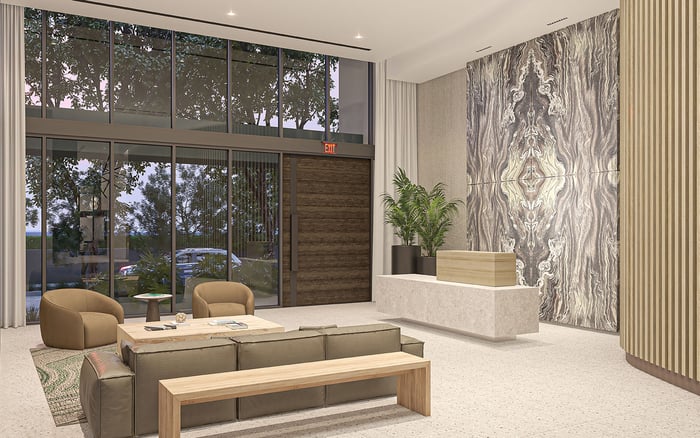
The most relevant family amenities are often the least theatrical. A children’s room can be useful, but so can a calm lobby, reliable covered arrival, secure bicycle storage, pet-friendly circulation, and a fitness area that allows parents to exercise without leaving the building during a narrow morning window.
Wellness amenities can also matter when school life is demanding. Parents comparing The Well Coconut Grove may be drawn to the broader idea of a residence that integrates health, recovery, and daily balance. For family buyers, that is not indulgence. It is infrastructure for a household managing academic schedules, extracurricular commitments, travel, and social obligations.
When touring, families should avoid being distracted by amenities they will rarely use. Instead, ask which spaces will matter on a Tuesday afternoon, a rainy Thursday morning, or the Sunday before a demanding school week. True luxury is not the longest amenity list. It is the amenity mix that makes life feel less fragmented.
School-oriented buyers often place a premium on privacy. The question is not only whether a building is secure, but whether the social atmosphere suits the family. Some buyers want a lively building where children may meet peers. Others prefer a quieter environment where school, friends, and home remain separate.
Coconut Grove offers both sensibilities, depending on the residence and micro-location. Mr. C Tigertail Coconut Grove may appeal to buyers who appreciate a hospitality-inflected environment, while a more secluded setting may be preferred by families who value separation from a public-facing lifestyle. Neither is inherently better. The correct choice depends on how visible or private the family wants daily life to feel.
Security questions should be practical. How are guests announced? How are tutors, coaches, and household staff managed? Can a caregiver handle pickup and return without friction? Does the building team understand family routines without making them feel exposed? These details are rarely dramatic, but they shape the lived experience.
Some buyers begin with Coconut Grove and also consider Coral Gables, Brickell, Key Biscayne, Pinecrest, or Miami Beach, depending on school preferences and household rhythm. The Grove’s appeal is its blend of canopy, culture, bay proximity, and established residential character. Yet a family should compare the full week, not just the school run.
Where do parents work? Where are weekend activities? Where do children play sports or take lessons? Where are grandparents staying when they visit? If one child attends a different school than another, the route map can change quickly. A residence that appears perfectly placed for one campus may be less ideal once the whole household is considered.
For buyers who want a Grove connection with island privacy, Vita at Grove Isle may belong in the broader comparison. The key is to view the residence as part of a family operating system: home, school, work, wellness, dining, travel, and weekend life.
School access can influence buyer interest, but it should not be treated as a guarantee of future value. The stronger resale position usually comes from a broader set of qualities: desirable location, thoughtful floor plan, well-run building, privacy, parking ease, service consistency, and a lifestyle that appeals to more than one buyer profile.
A family may buy because a residence works for the school years, but the next buyer may be an empty nester, an international owner, or a couple seeking a seasonal Miami base. The best Coconut Grove condos do not depend on one use case. They are adaptable, elegant, and easy to live in.
That is the quiet discipline of a successful purchase. Compare schools, but buy the residence that remains compelling when the school years change.
Should private school access be a primary factor when buying in Coconut Grove? It should be a major lifestyle factor, especially for families with school-age children. It should be weighed alongside floor plan, building service, privacy, and long-term flexibility.
Is the closest condo always the best choice for school access? No. A slightly farther residence can work better if the route is more predictable and the building supports efficient morning departures.
What should buyers test before making an offer? Buyers should test real weekday routes during drop-off and pickup windows. They should also observe valet, elevator, and lobby flow during busy periods.
Do luxury amenities matter for school routines? Yes, but practical amenities matter most. Covered arrival, storage, security, wellness spaces, and quiet common areas can make daily life smoother.
Are boutique buildings better for families? They can be, if the family values privacy, fewer neighbors, and a calmer residential feel. Larger buildings may offer broader amenities and more staffing depth.
How important is a den or flexible room? Very important for many families. A flexible room can serve as a homework area, tutoring space, playroom, or household planning center.
Should buyers ask about household staff access? Yes. Caregivers, tutors, drivers, and housekeepers often shape the daily rhythm, so building procedures should be clear and comfortable.
Can a condo work as well as a single-family home for school-age children? It can, if the layout, storage, parking, and building operations fit the family’s routine. The decision depends on lifestyle priorities.
How should families compare Coconut Grove with nearby neighborhoods? They should map the entire week, including school, work, activities, dining, family visits, and airport needs. The best location supports the full household.
Does school access protect resale value? It may broaden appeal to family buyers, but resale strength depends on many factors. Adaptable layouts, privacy, service, and location remain essential.
To compare the best-fit options with clarity, connect with MILLION.
If branded residences are on your mind — as a home or as an allocation — we would be glad to share what we are seeing, privately.
Begin a quiet conversation