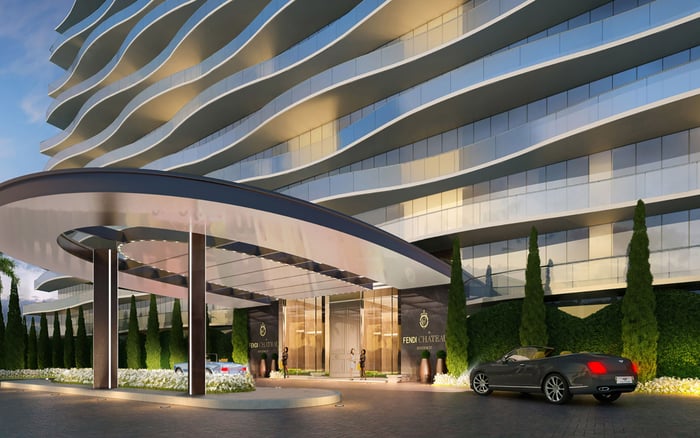
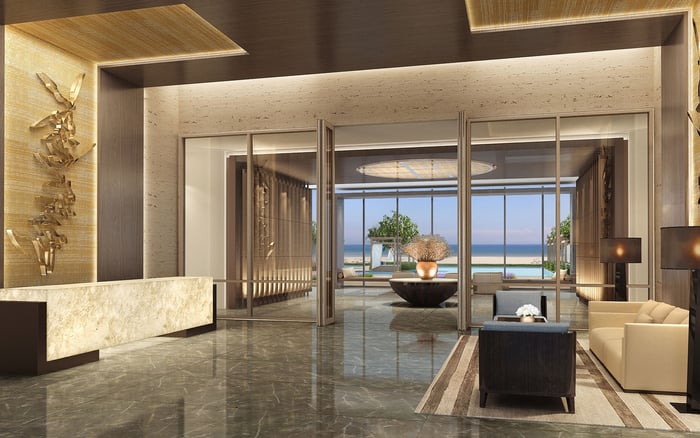
A buyer-focused comparison of two Surfside branded-residence models: Fendi Château Residences Surfside for design-led privacy and The Surf Club Four Seasons Surfside for service-led heritage.
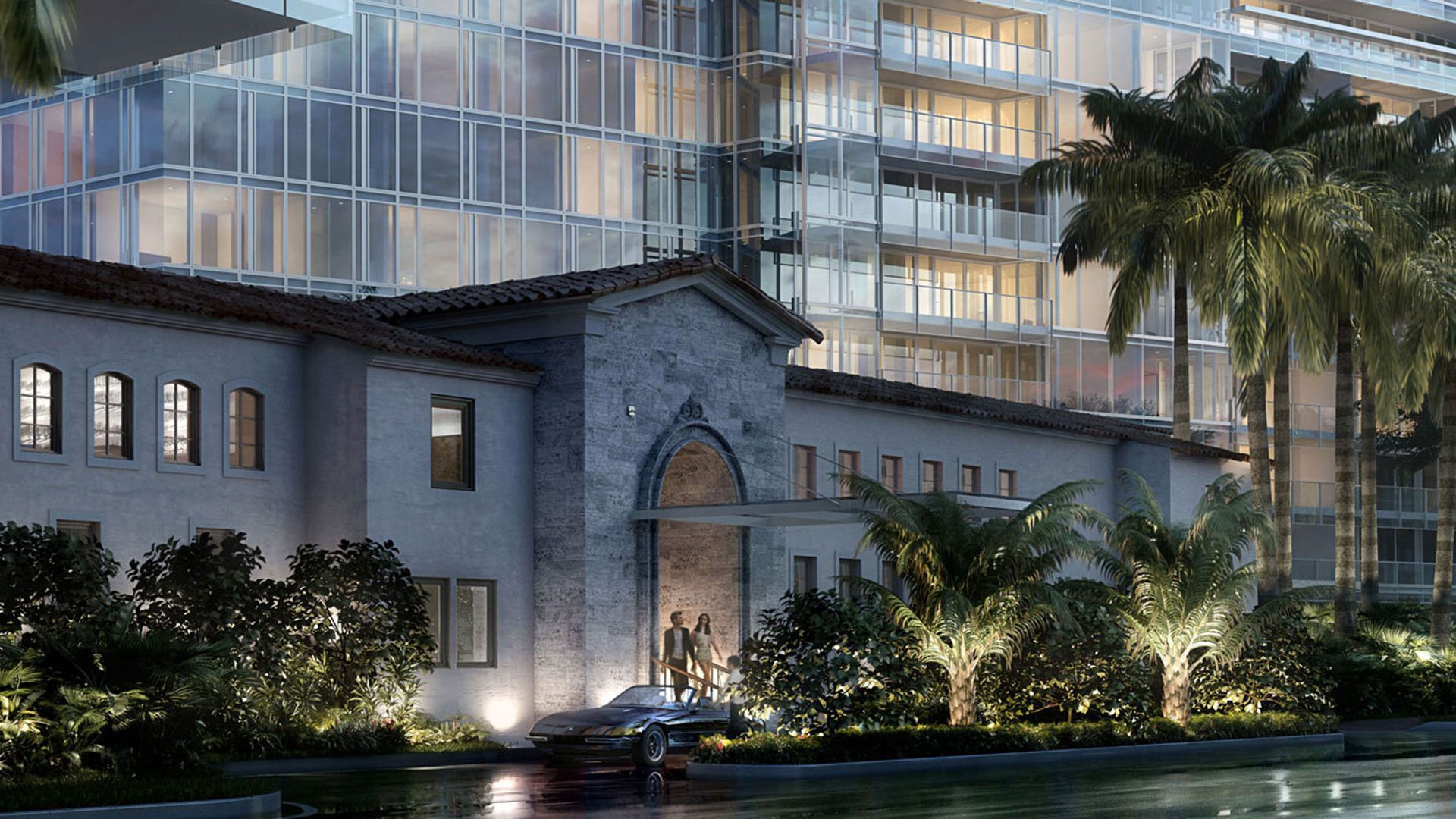
Surfside has become one of South Florida’s most refined settings for branded residential living because the strongest buildings do not all make the same promise. The decision between Fendi Château Residences Surfside and The Surf Club Four Seasons Surfside is not simply a comparison of prestige. It is a choice between two different interpretations of luxury.
Fendi Château Residences Surfside
is the more design-forward proposition. Its appeal centers on the residence as the statement: fashion-house identity, curated atmosphere, and a quieter condominium sensibility. The Surf Club Four Seasons Surfside speaks a different language. It is associated with service-led ownership, heritage value, and the confidence buyers often seek from a globally recognized hospitality name.
For many ultra-premium buyers, both answers can be valid. The right answer depends on whether the home itself should carry the emotional weight of ownership, or whether the surrounding service culture should define the daily experience.
Fendi’s advantage is aesthetic authority. The project is best understood as a residential interpretation of a luxury fashion house, where brand identity is expressed through design language, material sensibility, and atmosphere. It is not positioned primarily as a hotel-style ownership decision. Its strength is the self-contained quality of private residential life, where discretion and design are closely linked.
That distinction matters for buyers who do not want a primary or seasonal residence to feel overly public. Fendi’s positioning is more intimate in spirit: a condominium choice for those who value controlled arrival, private residential character, and the cultural cachet of an Italian design name. The draw is not only the label, but the way that label shapes the feeling of living there.
In a market where fashion and residential real estate increasingly overlap, this is a meaningful lane. A buyer considering fashion-led branded living may also look beyond Surfside to projects such as 888 Brickell by Dolce & Gabbana, but Fendi’s Surfside context gives the proposition a more secluded coastal tone. It is less about skyline theater and more about a composed oceanfront residential identity.
The Surf Club’s advantage is continuity of service perception. It carries the aura of a recognized Surfside name and pairs that identity with Four Seasons brand recognition. For buyers who want service confidence to be part of the property’s core value, that combination can be powerful.
The lifestyle here is not only about owning a residence in Surfside. It is about choosing a hospitality-residential environment where daily operations, staff expectations, and brand consistency may matter as much as the private residence itself. This is why The Surf Club Four Seasons Surfside appeals to owners who want fewer unknowns in the operating experience. The brand promise is less about fashion-house authorship and more about service execution.
That service-led model also has a broader South Florida context. Buyers who respond to hospitality-backed ownership may compare the feeling with Four Seasons Residences Coconut Grove, even though the setting and residential character are distinct. The common thread is confidence in an established service culture.
The Fendi buyer often wants the residence to be the luxury object. The design language, the materials, the brand association, and the private atmosphere are all part of the reason to own. This buyer may entertain beautifully, but does not necessarily want the property to feel resort-like every day. Privacy is not a secondary feature. It is part of the value proposition.
The Surf Club buyer often wants the building’s service culture to do more of the work. The residence remains important, but the surrounding ecosystem matters just as much: hospitality identity, service expectations, destination prestige, and the credibility of the Surf Club name. This buyer may prioritize ease of ownership, recognizable institutional quality, and the confidence that comes with a service-forward environment.
Neither buyer is compromising. They are buying different forms of assurance. Fendi offers assurance through design identity and residential discretion. The Surf Club offers assurance through heritage, service, and operational familiarity.
Surfside is not Brickell, South Beach, or Sunny Isles. Its appeal is more restrained, more residential, and often more discreet. That makes the comparison between Fendi and The Surf Club especially revealing. In a louder market, both might be grouped under the broad label of branded luxury. In Surfside, the subtleties are easier to see.
Nearby, projects such as Arte Surfside and The Delmore Surfside reinforce how selective this stretch of coastline has become. The best buildings are not interchangeable. They serve different versions of the same high-net-worth desire: privacy, beauty, access, and confidence.
For Fendi, Surfside supports a fashion-house residence that can remain composed and personal. For The Surf Club, Surfside gives the hospitality model a rare coastal stage with a service-led identity. The location does not flatten the distinction. It intensifies it.
The emotional distinction is clear, but the financial decision still requires current due diligence. Pricing, resale inventory, HOA fees, recent closed sales, and unit-specific comparisons should be verified separately before any acquisition decision. Those details can change quickly and should not be assumed from brand positioning alone.
Buyers should also evaluate how they will actually use the home. A seasonal owner who wants hotel-grade support may place greater value on The Surf Club’s service ecosystem. A design-focused owner seeking a quieter private base may find Fendi more aligned. For a full-time resident, the difference may be even more practical: how much daily visibility, staff interaction, and shared hospitality energy feels desirable?
Fendi Château Residences Surfside is the stronger fit for buyers who want contemporary design culture, fashion-house cachet, and a more self-contained residential atmosphere. The Surf Club Four Seasons Surfside is the stronger fit for buyers who want heritage, service depth, and hospitality-backed convenience as defining features of ownership.
The key is not to ask which is more luxurious. The better question is which form of luxury feels more natural. Fashion-house seclusion and legendary service heritage are both compelling, but they satisfy different instincts. In Surfside, that difference is the point.
Which residence is better for privacy? Fendi Château Residences Surfside is better aligned with buyers seeking a quieter, design-led private residential atmosphere.
Which option is stronger for service? The Surf Club Four Seasons Surfside is better aligned with buyers who value hotel-grade service, staff depth, and hospitality convenience.
Are these two buildings directly interchangeable? No. They represent different branded-living models: fashion-brand residential design versus hospitality-brand residential operations.
Who should prefer Fendi Château Residences Surfside? Buyers who want the residence itself, including materials, interiors, and brand identity, to be the main luxury statement should consider Fendi.
Who should prefer The Surf Club Four Seasons Surfside? Buyers who want service reliability, heritage, and a recognizable hospitality operator behind daily life should consider The Surf Club.
Does The Surf Club have a heritage advantage? Yes. Its identity can appeal to buyers who value service-led continuity and destination prestige in Surfside.
Does Fendi have a design advantage? Yes. Its distinction comes from translating a luxury fashion-house identity into residential finishes, materials, and atmosphere.
Should buyers compare current pricing before deciding? Yes. Pricing, resale inventory, HOA fees, and recent closed sales should be verified with current market information before purchase.
Is Surfside a good setting for branded residences? Yes. Surfside supports discreet, high-end residential living while allowing each branded project to express a distinct identity.
What is the simplest way to choose between them? Choose Fendi if design-led privacy matters most, and choose The Surf Club if service-led heritage is the priority.
For a discreet conversation and a curated building-by-building shortlist, connect with MILLION.
If branded residences are on your mind — as a home or as an allocation — we would be glad to share what we are seeing, privately.
Begin a quiet conversation