A buyer-focused guide to reading HOA reserve philosophy across new and established South Florida luxury condominiums, with emphasis on documents, governance, amenity scope, and long-term ownership discipline.
In South Florida’s most refined condominium market, buyers often compare architecture, views, ceiling heights, private elevators, wellness programming and arrival sequences before they examine the financial culture of the association. Yet the way a building thinks about reserves can be as revealing as its lobby stone or amenity deck. Reserve philosophy is not simply a number on a budget. It is a window into how owners, boards and managers approach the future.
For a buyer weighing a new waterfront tower against an established trophy building, the question is not only whether reserves exist. The sharper question is how the association intends to use them, replenish them and communicate them. A conservative reserve culture may favor steadier contributions and fewer surprises. A more reactive culture may rely on special assessments or delayed projects. Neither can be evaluated in isolation. The right reading depends on building age, amenity intensity, exposure, maintenance history and the expectations of the ownership base.
In Brickell, where high-design vertical living continues to evolve through projects such as St. Regis® Residences Brickell, buyers are increasingly attentive to the full cost of lifestyle. Service, staffing, technology, mechanical systems and hospitality-level amenities all require an ownership culture that looks beyond the first impression.
Reserve philosophy describes the mindset behind how an association prepares for future repairs, replacements and capital needs. It is not limited to a reserve line item. It includes the assumptions behind budgets, the willingness to fund future obligations, the board’s appetite for deferring work and the clarity of communication with owners.
A practical buyer should separate three ideas. First, what assets will eventually need major work? Second, how is the association planning to fund that work? Third, how consistently has leadership acted on that plan? A beautiful building can be financially disciplined, financially casual or somewhere between the two. The documents, meeting minutes and budget history help reveal which culture is in place.
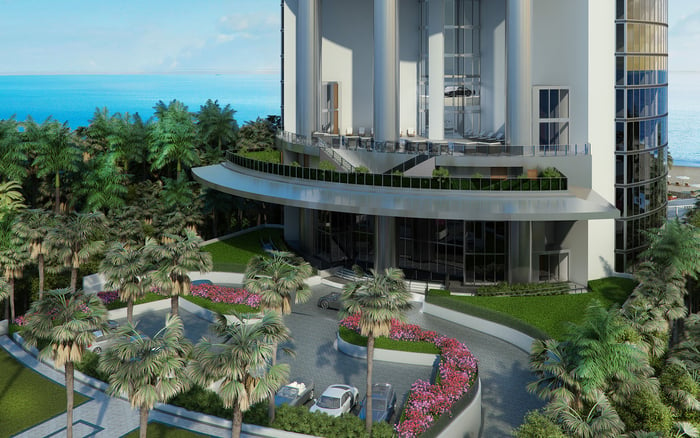
In luxury condominiums, the reserve conversation is broader because the common property is often broader. Pools, spas, porte cocheres, elevators, façade systems, garages, landscaping, fitness facilities, club rooms and waterfront elements all sit within an ecosystem of long-term stewardship. The more elaborate the lifestyle proposition, the more important it becomes to understand the capital plan supporting it.
For a new-construction buyer, the reserve conversation is different because the building may not yet have a long operating history. Early budgets can reflect projections rather than lived experience. That does not make them unhelpful, but it does mean the buyer should read them with the right lens. The most useful question is whether the early plan looks like a placeholder or a serious framework for ownership after the initial period of developer control and early occupancy.
In new luxury projects, many components are at the beginning of their useful life, so near-term capital needs may appear modest. The risk is that buyers mistake youth for immunity. A new tower still needs a philosophy for inspections, preventive care, warranty follow-up, vendor oversight, replacement cycles and future funding. The strongest new-building cultures treat the first years as the foundation of long-term discipline, not as a financial honeymoon.
This matters in design-led coastal markets, from Miami Beach to Sunny Isles, where buyers may be choosing among homes that feel more like private resorts than conventional condominiums. At The Perigon Miami Beach, the broader buyer conversation naturally includes architecture, privacy and beachfront living. A sophisticated purchaser should add one more question: how will the association preserve that experience over time?
Resale opportunities in established luxury buildings offer a different advantage: history. A buyer can review how the association has handled maintenance, budgets, owner communication and capital projects over time. The record may show prudence, hesitation, discipline, political friction or a mix of all four. That history is often more revealing than a single year’s budget.
In a resale purchase, ask whether reserves have been treated as an ongoing obligation or a periodic inconvenience. Review whether large projects were anticipated or arrived as financial shocks. Look for patterns in meeting minutes, budget narratives and owner notices. A well-established building may have higher monthly costs than a newer one, but those costs may reflect a clearer and more mature understanding of what the property requires.
Age alone should not be used as a shortcut. Some older buildings are exceptionally well governed. Some newer buildings have not yet developed a tested financial culture. The point is to compare the philosophy behind the numbers, not simply the vintage of the tower.
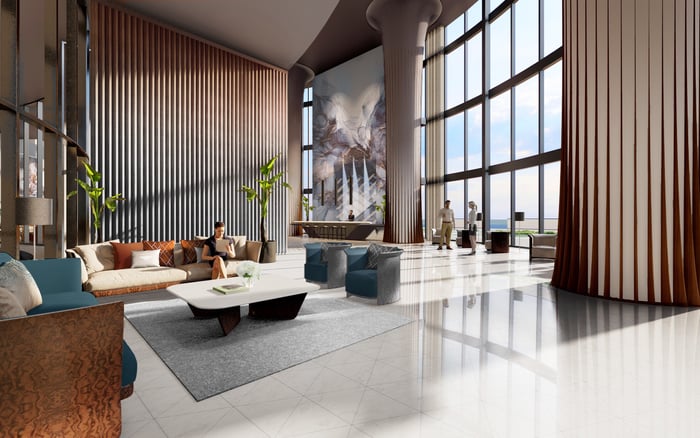
Luxury buyers often gravitate toward buildings with branded service, expansive amenity programs and highly curated common spaces. These features can elevate daily life, but they also make reserve planning more important. The ownership structure must support not only the original design intent, but the future replacement, refurbishment and modernization of the elements that create the experience.
A project such as Bentley Residences Sunny Isles invites a buyer to think about design identity, privacy and automotive-oriented convenience. In that context, reserve philosophy should be evaluated with the same discipline as finishes or floor plans. What systems support the signature lifestyle? How will they be maintained? Is the association culture likely to protect the property’s long-term positioning?
The same principle applies in Surfside, where privacy, scale and architectural distinction carry significant weight. At The Delmore Surfside, buyers may focus on oceanfront character and exclusivity. The reserve discussion brings that aspiration back to stewardship: how will the building’s physical and service standards be sustained for future owners?
Before becoming emotionally committed to a residence, a buyer should request and review the association budget, reserve schedule, financial statements, meeting minutes, pending assessment notices, insurance-related information, maintenance contracts and any available capital planning materials. The goal is not to become an accountant. The goal is to understand whether the building’s financial behavior matches the buyer’s expectations.
Several questions are especially useful. Are reserve contributions treated as a regular part of ownership? Are major projects discussed early or only when unavoidable? Do meeting minutes show owners debating necessary work constructively? Are amenity upgrades separated from essential building maintenance? Has the board explained the difference between operating expenses and long-term capital planning?
A luxury buyer should also ask the association or seller’s representatives what is known, what is planned and what remains uncertain. Good answers tend to be specific, calm and document-based. Vague confidence is less useful than a transparent explanation of upcoming needs.
The cleanest way to compare reserve philosophy is to create a simple framework across both options. For the new building, focus on projected budgets, early reserve assumptions, transition planning, warranty oversight and the seriousness of preventive maintenance. For the established building, focus on funding history, completed projects, deferred items, owner communication and special assessment patterns.
Then adjust for lifestyle. A boutique building with fewer shared amenities may have a different reserve profile than a resort-style tower. A waterfront building may carry different maintenance priorities than an inland address. A highly serviced building may require more ongoing staffing and operational discipline, while a design-intensive building may require careful long-term replacement planning to preserve its aesthetic value.
The most attractive answer is rarely the lowest monthly number. It is the most coherent one. In ultra-prime ownership, predictability, transparency and preservation of quality are often more valuable than short-term savings.
Reserve philosophy is a form of building culture. It shows whether ownership thinks in quarters, years or decades. It helps distinguish a beautiful condominium from a well-stewarded asset. For South Florida buyers, especially those comparing new towers with established icons, it should be part of the first round of due diligence, not a final technicality.
The best buildings make the financial conversation feel orderly rather than alarming. They connect lifestyle to maintenance, amenities to funding and present-day elegance to future responsibility. That is the quiet discipline that protects not only a residence, but the experience of owning it.
What is HOA reserve philosophy? It is the association’s approach to planning, funding and communicating future capital needs for the property.
Is a newer building always safer from reserve concerns? No. Newer buildings may have fewer immediate capital needs, but they still need disciplined planning from the beginning.
Why can an established building be attractive from a reserve perspective? It may offer a longer record of budgets, projects, board decisions and owner communication.
Should I focus only on the reserve balance? No. The balance matters, but the assumptions, project history and future funding approach matter just as much.
Are lower monthly fees always better? Not necessarily. Low fees can be attractive, but they should be weighed against long-term maintenance needs and funding discipline.
What documents should I review before buying? Review budgets, reserve schedules, meeting minutes, financial statements and any notices about upcoming projects or assessments.
How do amenities affect reserve planning? More extensive amenities can create more future replacement, refurbishment and maintenance obligations.
Can reserve philosophy affect resale value? Yes. Buyers often respond favorably to buildings with transparent planning and a reputation for careful stewardship.
Who should help review association documents? Buyers often benefit from qualified legal, financial and property advisory guidance before committing.
What is the best way to shortlist comparable options for touring? Start with location fit, delivery status, and daily lifestyle priorities, then compare stacks and elevations to validate views and privacy.
For a tailored shortlist and next-step guidance, connect with MILLION.
If branded residences are on your mind — as a home or as an allocation — we would be glad to share what we are seeing, privately.
Begin a quiet conversation