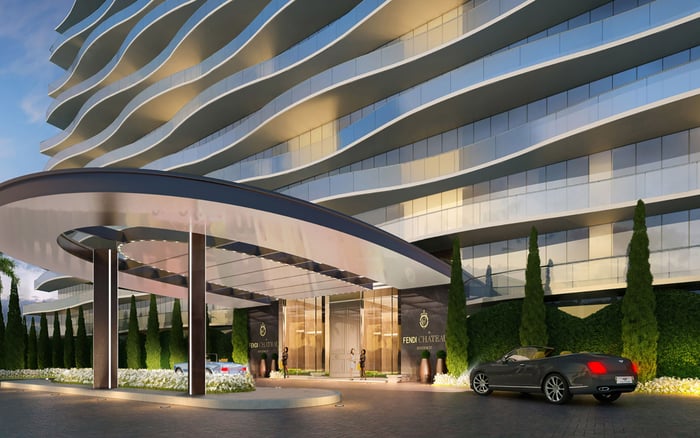
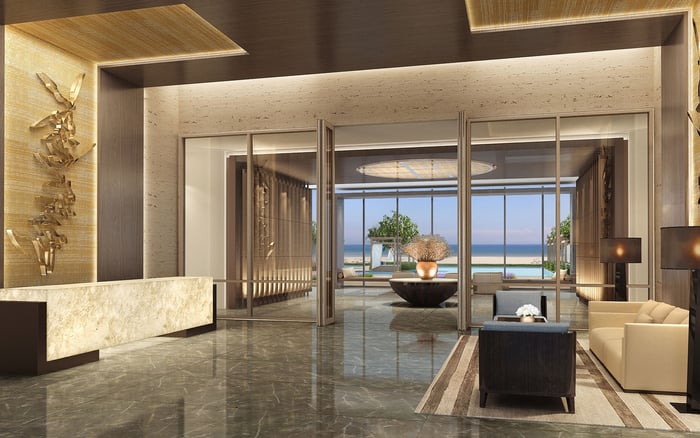
A buyer-focused comparison of two distinct Surfside luxury philosophies: The Delmore’s new-generation residential design and The Surf Club Four Seasons’ hospitality-led legacy.
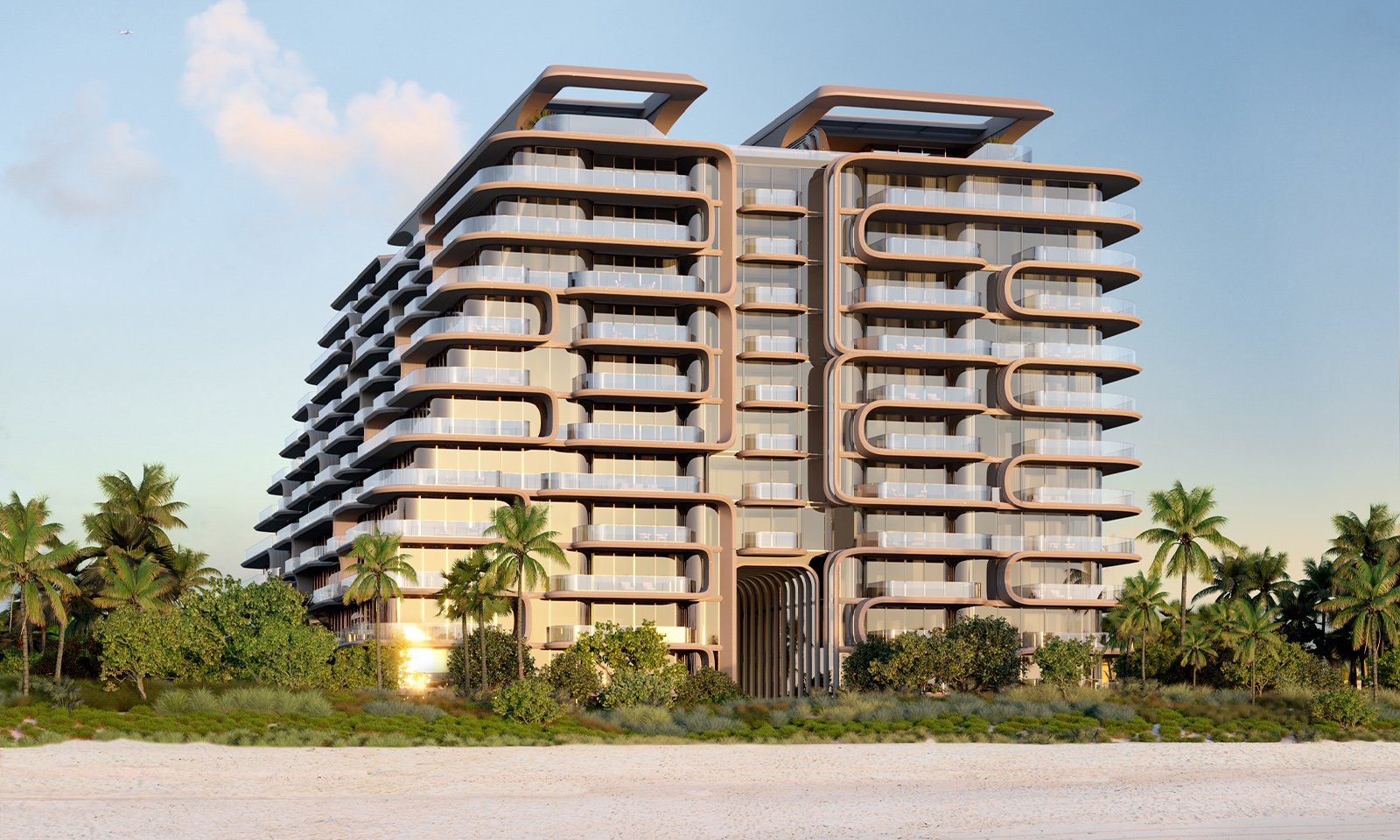
Surfside has become one of South Florida’s most precise tests of ultra-luxury taste. It is quieter than South Beach, more residential than Bal Harbour’s retail theater, and intimate enough that each major building carries a distinct identity. Within that setting, The Delmore Surfside and The Surf Club Four Seasons Surfside offer two different answers to the same question: what should the next great Surfside residence feel like?
The Delmore Surfside is positioned around new-generation condominium living: contemporary scale, architectural ambition, privacy, and a purer residential atmosphere. The Surf Club Four Seasons Surfside is anchored by another kind of confidence: heritage, a celebrated Surf Club identity, and the global service language of Four Seasons. One speaks to buyers who want a newer, design-led address without the identity of a major hospitality flag. The other speaks to buyers who value service consistency, concierge culture, and a recognizable luxury operating platform.
This is not a simple contest between old and new, or branded and unbranded. It is a choice between two ownership philosophies in Surfside: independent residential discretion at The Delmore, or legendary service wrapped in hospitality heritage at The Surf Club.
The Delmore’s appeal begins with its independence. It is framed as an ultra-luxury condominium for buyers who prioritize contemporary architecture, privacy, and bespoke residential living over hotel-branded familiarity. In a market where global hospitality brands are increasingly attached to private residences, that distinction matters.
For some buyers, the highest expression of luxury is not a flag, a uniform, or a standard replicated across destinations. It is a residence that feels singular to its place, designed for long-stay comfort, privacy, and a sense of ownership that is not mediated by a hotel experience. The Delmore fits that mindset. Its advantage is not that it competes with The Surf Club on identical terms, but that it declines to define itself by those terms at all.
This is especially relevant for buyers who see Surfside as a primary or semi-primary home rather than a serviced pied-à-terre. They may already have access to private clubs, travel concierges, and household staff. What they want in a condominium is not necessarily a hotel extension, but a highly considered residential environment that feels contemporary, controlled, and scarce.
The Delmore also benefits from the emotional pull of newness. New construction carries a specific psychological premium in South Florida luxury real estate: the promise of current design priorities, fresh common spaces, and an address that belongs to the next chapter of the market rather than the last. In Surfside, where high-quality sites are limited, that sense of new-development freshness can be a compelling part of the value proposition.
The Surf Club Four Seasons Surfside begins from a different premise. Its strongest differentiator is operational. The Four Seasons association signals service consistency, hospitality discipline, and a concierge environment that many globally mobile buyers already understand.
That familiarity is not cosmetic. For an international owner who divides time among multiple cities, predictability can be one of the rarest luxuries. A residence tied to a branded service platform offers a level of comfort that is difficult for a standalone condominium association to duplicate. The point is not only amenities, but choreography: how arrivals feel, how requests are handled, how staff culture operates, and how the property maintains a daily standard.
The Surf Club name adds another layer. It carries legacy value in Surfside, giving the property a heritage-driven identity beyond the physical residences themselves. For buyers drawn to narrative, social memory, and institutional prestige, that legacy can be as meaningful as architecture. It is a place whose identity precedes the individual transaction.
This hybrid model, private residences supported by hotel-style amenities and services, appeals to buyers who want effortless ownership. It is particularly persuasive for those who already use Four Seasons properties around the world and value continuity across destinations. In that context, The Surf Club is not simply a Surfside condominium. It is part of a broader lifestyle language.
At this level, the decision is rarely about whether one building is objectively more luxurious. Both belong in the Surfside ultra-luxury conversation. The real distinction is what kind of luxury signal a buyer wants to send and, more importantly, what kind of daily life they want to inhabit.
The Delmore suggests a quieter form of control. Its positioning is more residential, more design-led, and less dependent on a global hospitality identity. That may appeal to buyers who want privacy without the visibility of a hotel-linked property, or who prefer a building whose prestige is rooted in scarcity and architecture rather than service branding.
The Surf Club Four Seasons Surfside, by contrast, makes service part of the asset. Its buyer is likely comfortable with a hospitality layer and may see that structure as a benefit rather than a compromise. For these owners, the building’s staff culture, heritage, and brand recognition are not secondary to the residence. They are central to the purchase.
Surfside’s broader luxury context reinforces this split. Buildings such as Arte Surfside and Fendi Château Residences Surfside have helped define the area as a place where design, privacy, and brand identity can coexist in different proportions. The Delmore and The Surf Club sharpen the contrast: one leans into new residential ambition, the other into legacy service.
Oceanfront living in Surfside has a different rhythm from larger South Florida markets. The neighborhood is compact, the luxury inventory is highly specific, and buyers tend to compare buildings not only by views and finishes, but by social tone. A building can feel discreet, club-like, design-forward, hotel-like, or residentially private, and those distinctions often drive preference as much as conventional real estate metrics.
For a buyer focused on architectural freshness, a newer private condominium environment, and a sense of separation from hospitality branding, The Delmore Surfside may feel more aligned. For a buyer focused on service assurance, legacy, and the comfort of a known operating culture, The Surf Club Four Seasons Surfside may feel more natural.
Nearby comparisons add useful context. Ocean House Surfside speaks to the enduring appeal of smaller-scale residential life in the neighborhood, while the larger Surfside conversation continues to reward buildings with a clear identity. In this market, ambiguity is rarely an advantage. The strongest properties know exactly what they are.
The Delmore buyer is likely drawn to privacy, design authorship, and the idea of owning into Surfside’s next generation. This buyer may view an independent condominium model as more personal, less standardized, and better suited to a home that is lived in deeply rather than visited occasionally. They are not rejecting service. They are prioritizing residential atmosphere.
The Surf Club buyer is likely drawn to trust. They may travel extensively, own in multiple markets, and place a premium on systems that work without explanation. For them, a hospitality-branded residence can reduce friction. The brand, service culture, and property legacy all function as forms of assurance.
The final decision should be made less through a checklist and more through self-recognition. If the idea of luxury begins with architecture, scarcity, and a private residential identity, The Delmore has the stronger emotional pull. If it begins with heritage, staff culture, and globally legible service, The Surf Club remains one of Surfside’s clearest answers.
Is The Delmore Surfside more residential than The Surf Club Four Seasons Surfside? Yes. The Delmore is positioned around a purer ultra-luxury condominium experience, with emphasis on privacy, contemporary design, and residential exclusivity.
What is The Surf Club Four Seasons Surfside best known for? It is best known for combining the Surf Club legacy with the Four Seasons service model, including hospitality-style operations and concierge culture.
Which property is better for buyers who value brand recognition? The Surf Club Four Seasons Surfside is likely the stronger fit for buyers who already trust Four Seasons standards and want continuity across global destinations.
Which property is better for buyers who want a newer design-led residence? The Delmore Surfside may be better aligned with buyers seeking a contemporary, new-generation condominium without a major hospitality flag.
Does The Surf Club offer a hotel-residence lifestyle? Yes. Its model blends private residences with hotel-style amenities and services, creating a hybrid ownership experience.
Is The Delmore Surfside considered part of the Surfside ultra-luxury market? Yes. The Delmore belongs in the Surfside ultra-luxury conversation through its focus on exclusivity, design, and next-generation residential ambition.
Why does legacy matter at The Surf Club? The Surf Club name carries heritage value in Surfside, giving the property an identity that extends beyond the individual residences.
Why might a buyer avoid a hospitality-branded residence? Some buyers prefer a more independent, private condominium environment where the building identity is shaped more by architecture and residential culture.
Are both properties suitable for second-home buyers? Yes. The Surf Club may appeal to those wanting service predictability, while The Delmore may appeal to those wanting privacy and a more bespoke home base.
What is the simplest way to compare them? The Delmore is the bet on new-generation Surfside residential design, while The Surf Club is the bet on proven Four Seasons service and heritage.
To compare the best-fit options with clarity, connect with MILLION.
If branded residences are on your mind — as a home or as an allocation — we would be glad to share what we are seeing, privately.
Begin a quiet conversation