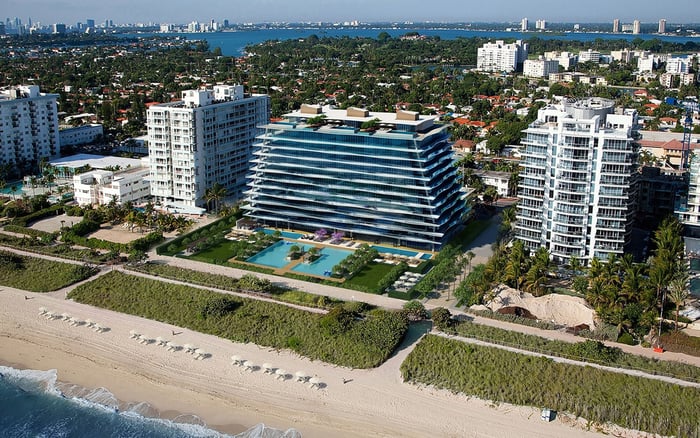
A buyer-focused comparison of Fendi Château Residences Surfside and a Ritz-Carlton Fort Lauderdale search through the lens of privacy, service flow, amenity predictability, and day-to-day household operations.
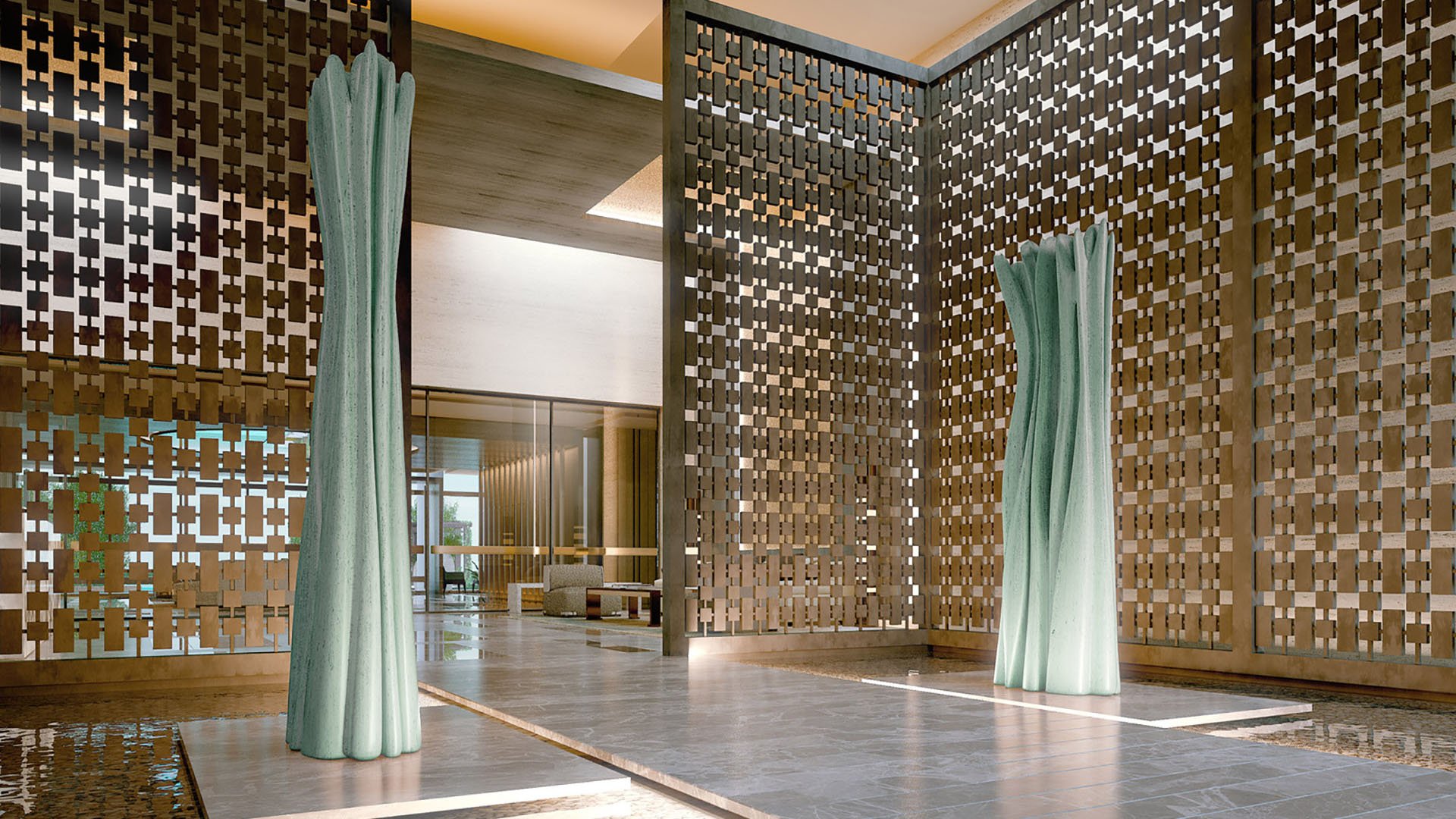
For a household weighing Fendi Château Residences Surfside against The Ritz-Carlton Residences® Fort Lauderdale, the comparison is less about which name carries more prestige and more about how daily life is actually managed. At this level, luxury is not only finishes, views, and a recognizable brand. It is how a car is received on arrival, how confidently a guest is cleared upstairs, whether wellness spaces remain calm at peak hours, and whether the elevator lobby feels reserved primarily for residents rather than a rotating public.
That is the central appeal of a no-hotel residential model for a buyer who wants hotel-level service without hotel guests. In practice, the distinction can matter as much as the floor plan. It points to a private rhythm, a more predictable amenity environment, and service curated for residents rather than divided across a hotel ecosystem.
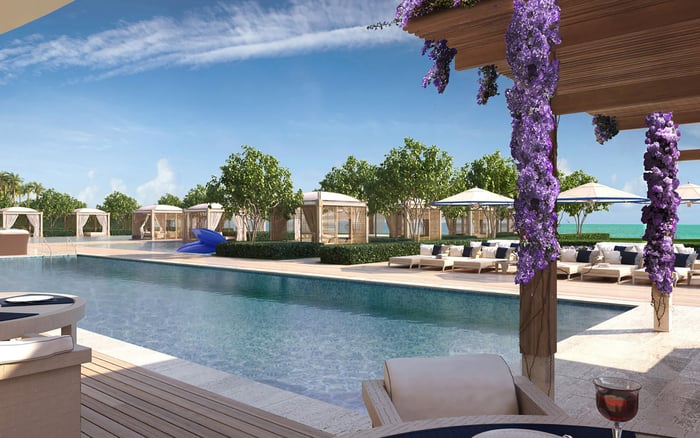
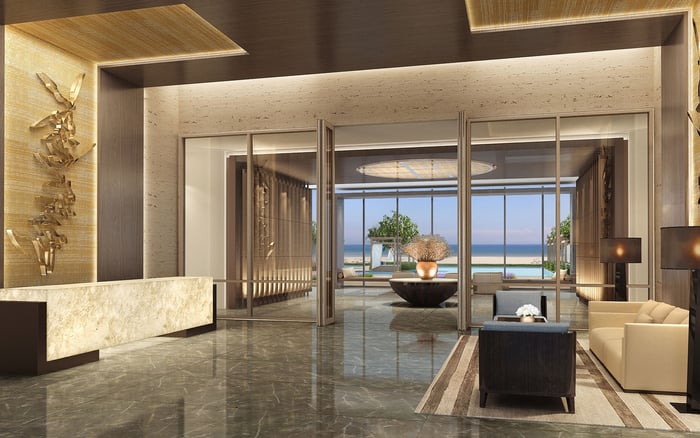
A pure-residential branded model gives the household a different baseline. Concierge support, valet-style service, wellness spaces, and in-residence assistance should be evaluated as part of a resident-centered offering rather than a public hospitality program. When there is no separate hotel population competing for the same pool deck, spa areas, arrival court, or lobby atmosphere, the building can feel calmer and easier to predict.
This is especially relevant in Surfside, where privacy and discretion are often valued as highly as proximity to the ocean. Oceanfront living can bring social energy, visitors, and seasonal intensity, but a no-hotel structure helps preserve a residential cadence. The result is not necessarily less service. The more precise point is that service can feel more personal when it is not routed through the tempo of transient hospitality.
For a primary residence, that distinction may be decisive. A family living in the building year-round may care less about theatrical hospitality and more about whether staff understand recurring household patterns, preferred arrival protocols, private entertaining routines, and expectations for visiting relatives. Fendi Château’s operating appeal is strongest for households that want the polish of a branded environment without the sensation of living inside an active hotel.
The Ritz-Carlton name carries a powerful hospitality association, but buyers should avoid assuming that every branded residential operation functions the same way. For The Ritz-Carlton Residences® Fort Lauderdale, the essential diligence is practical: confirm whether the residence is physically integrated with a hotel, whether amenity spaces are residential-only, how staffing is allocated, what guest access protocols apply, and how arrivals are separated or shared.
This is not a question of brand quality. It is a question of household control. If a buyer’s brief is specifically “hotel-level service without hotel guests,” then the building documents, residence rules, amenity policies, valet design, and staffing model become as important as the finishes. A residence can feel exceptionally serviced and still operate with more public circulation than a privacy-first household wants.
For buyers comparing Surfside with Fort Lauderdale, the geographic choice also changes the lifestyle frame. Surfside typically reads as quieter and more residential, while Fort Lauderdale sits within a broader Broward coastal market that can offer boating, beach access, dining, and a different kind of urban resort energy. The household question is not which city is better. It is which operating environment supports the way the owner actually lives.
At the top of the South Florida market, buyers often use the word “service” too broadly. A better approach is to break it into daily functions. Arrival comes first: how many constituencies use the entry sequence, and does the valet-style experience feel residential or public? Next is concierge support: is the desk oriented around repeat owners and known household preferences, or does it manage a wider hospitality flow? Then come wellness and amenity access: are spa-oriented spaces framed around resident and guest use, or are they part of a larger hotel demand pattern?
Fendi Château’s residential framing is attractive because those questions point toward privacy and predictability. Amenities organized around owners and their invited guests can make access feel more consistent, especially during high-season periods when hotel environments can become busy even in refined settings. Predictability is a luxury because it protects time.
In-residence service is another subtle differentiator to confirm. For a second-home owner, service that extends into the residence can make the property easier to open, close, prepare, and enjoy. For a full-time owner, it can support entertaining and household maintenance without requiring the social exposure of a hotel lobby. The best version of branded living is not louder. It is smoother.
Fendi Château Residences Surfside is the more direct fit for a buyer whose non-negotiables are privacy, branded-service consistency, and residential rhythm. That buyer may be coming from a single-family estate, a private club environment, or a boutique condominium where the staff knows the residents and the building culture is intentionally restrained. The priority is not to recreate a hotel vacation every day. It is to capture the best service attributes of hospitality while keeping the building’s social contract residential.
This buyer is often sensitive to the difference between invited guests and hotel guests. Invited guests are part of the owner’s household universe. Hotel guests belong to the public-facing commercial life of a property. The distinction shapes everything from elevator comfort to poolside atmosphere. It also affects how secure, familiar, and calm the building feels after repeated use.
For buyers who like the energy of a more active coastal setting, the Fort Lauderdale side of the search can remain compelling. But the right comparison should be operational rather than emotional. If the final goal is hotel-level service without hotel guests, Fendi Château’s residential structure aligns more directly with that brief based on the way the buyer’s priorities are framed.
The cleanest way to frame the decision is this: Fendi Château offers a Surfside branded-residence alternative centered on privacy, owner control, and a residential atmosphere. For a buyer who wants service without transient hotel circulation, that is the core advantage to test and preserve during diligence.
The Ritz-Carlton Residences® Fort Lauderdale should be evaluated through the same lens before any conclusion is made. Not by the strength of the brand alone, but by the lived mechanics of the building: separate versus shared circulation, residential-only amenities, service allocation, guest policy, rental rules, and the tone of common spaces during peak season. The winning building is the one that makes the owner’s daily life feel most effortless, private, and consistent.
In the ultra-prime South Florida market, the most sophisticated buyers are not merely shopping for a label. They are buying an operating system for the household. On that standard, Fendi Château’s no-hotel positioning gives privacy-oriented buyers a clear and elegant answer.
Is Fendi Château Residences Surfside a hotel-attached residence? It is presented here as a branded residential option for buyers focused on private ownership rather than hotel-attached living.
Why does a no-hotel structure matter to buyers? It can reduce transient guest circulation and support quieter, more predictable common areas for residents.
Does hotel-level service always require a hotel component? No. Buyers can seek attentive residential service without choosing a building that also serves hotel guests.
Is The Ritz-Carlton Residences® Fort Lauderdale automatically less private? Not automatically. Buyers should verify the building’s circulation, amenity access, staffing model, and guest policies before drawing conclusions.
Which option better fits the brief of service without hotel guests? Fendi Château aligns more directly with that brief because the buyer priority is private branded residential living rather than a hotel environment.
What should buyers ask before choosing a branded residence? Ask who uses the lobby, valet, elevators, pool, spa areas, and concierge team, and how those spaces are governed day to day.
Is Surfside a good fit for privacy-focused owners? Surfside can appeal to buyers who prioritize a quieter residential rhythm while remaining connected to South Florida’s oceanfront lifestyle.
Can branded residences feel too much like hotels? They can if the operating model includes substantial public or transient circulation. The key is whether service is residential-first.
Should buyers compare finishes or operations first? At this tier, operations should come early in the decision because they shape the owner’s daily experience long after closing.
What is the best way to shortlist comparable options for touring? Start with location fit, delivery status, and daily lifestyle priorities, then compare stacks and elevations to validate views and privacy.
When you're ready to tour or underwrite the options, connect with MILLION.
If branded residences are on your mind — as a home or as an allocation — we would be glad to share what we are seeing, privately.
Begin a quiet conversation