A discreet buyer’s guide to Palm Beach Gardens waterfront ownership in 2026, with practical attention to storm readiness, insurance, docks, marina access, ownership documents and lifestyle fit.
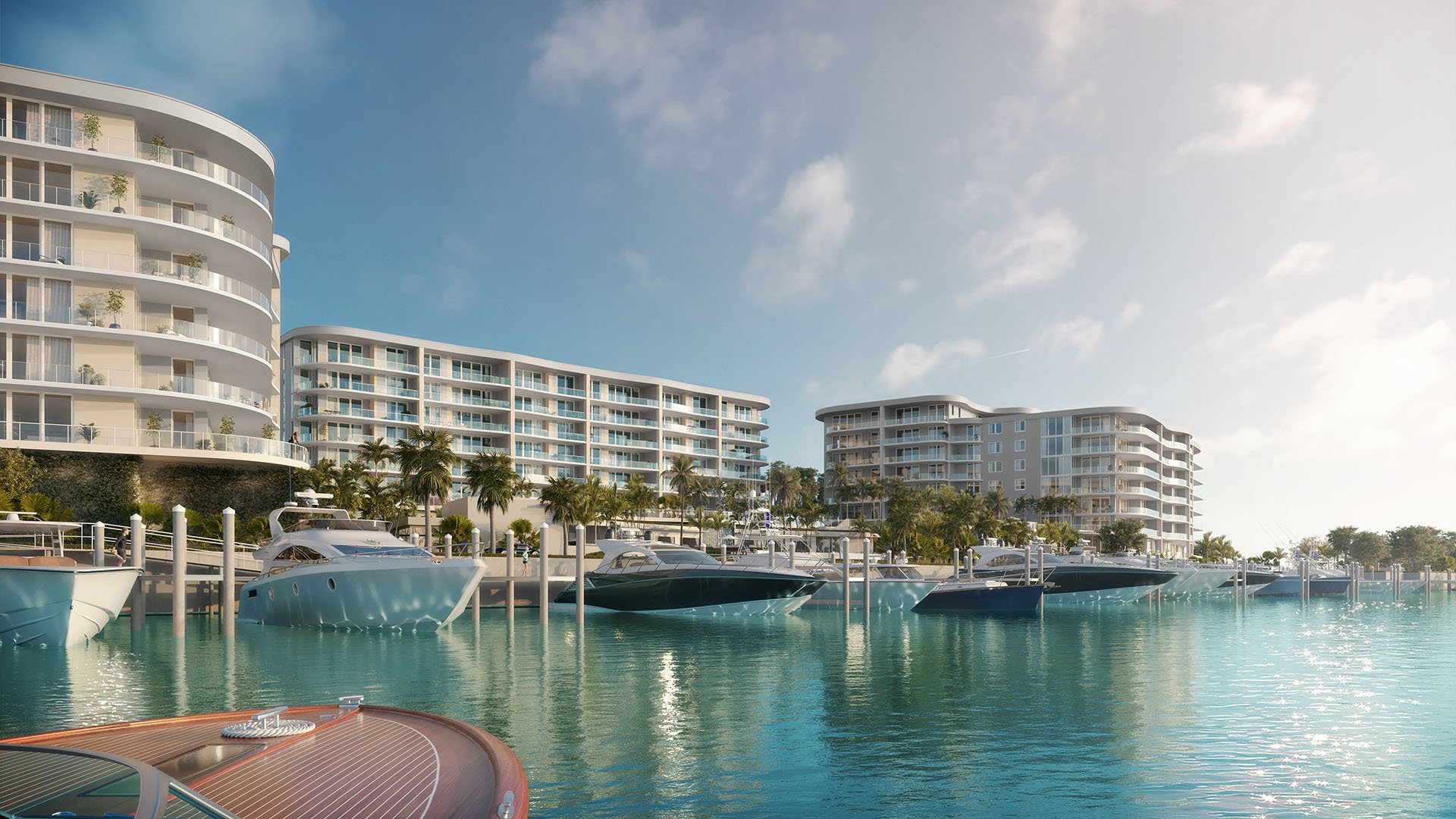
Palm Beach Gardens holds a particular appeal for buyers who want South Florida water, greenery and privacy without sacrificing everyday convenience. Yet Waterfront ownership is never just a matter of view. It is a layered acquisition shaped by site conditions, storm planning, insurance discipline, access, maintenance and lifestyle expectations.
For a 2026 buyer, the most sophisticated approach is calm and practical. The objective is not to avoid waterfront risk altogether, since water is the feature being purchased. The objective is to understand the property, price the obligations correctly and decide whether the home or residence is built for the way the owner actually lives.
The strongest waterfront purchases begin not with glamour, but with control. A well-chosen property should feel beautiful on day one and manageable through every season that follows.
Interiors matter, but waterfront due diligence starts outside. Buyers should look first at elevation, drainage, site grading, water exposure, vehicle access and the condition of structures that separate the home from the water. If the property has a seawall, dock, lift, pool terrace or low-lying lawn area, those elements should be evaluated as seriously as the kitchen, primary suite or view corridor.
The question is simple: how does the property behave when water, wind and heavy rain arrive together? A polished residence can still demand substantial planning if outdoor areas are difficult to secure, if drainage is unclear or if mechanical systems are positioned in vulnerable locations.
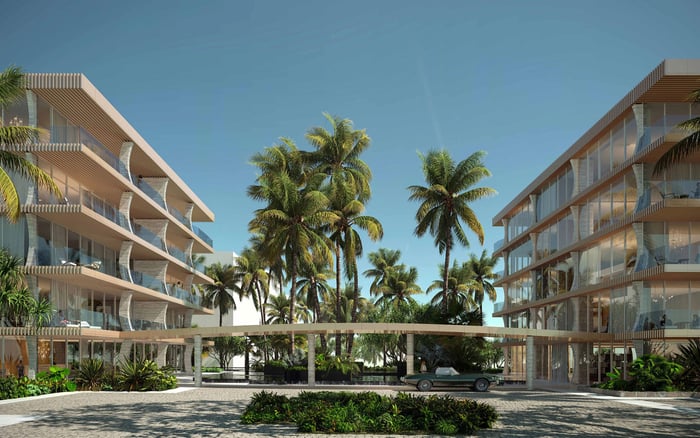
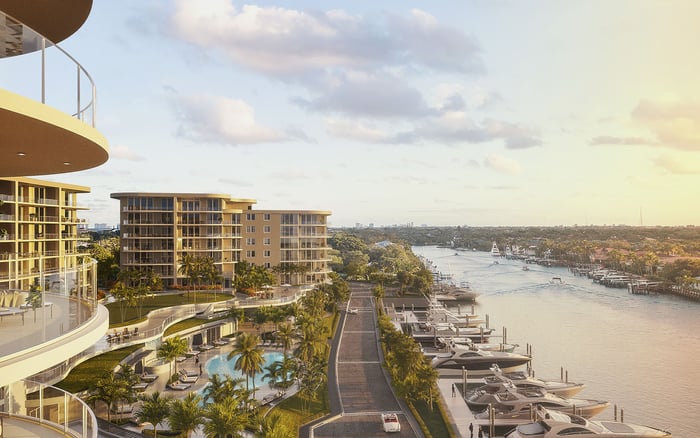
For buyers comparing private residence formats in the area, The Ritz-Carlton Residences® Palm Beach Gardens is a useful reference point for the level of service, privacy and operational polish many purchasers now expect from a luxury waterfront setting.
Waterfront rights are often more nuanced than buyers expect. A contract review should go beyond price, closing dates and included appliances. The buyer should understand what is owned, what is licensed, what is shared and what is subject to approval.
Boat-slip use, dock permissions, lift installation, shoreline improvements, maintenance obligations, association rules and access rights should be reviewed before contingencies are released. If a buyer expects to keep a boat, entertain waterside or make exterior improvements, those expectations should be tested against the actual documents.
Boat-slip language deserves particular attention because the difference between exclusive use, assigned use and optional availability can affect the property’s utility. A beautiful waterfront residence may be less practical if the boating component is uncertain or heavily restricted.
Storm preparation should begin before closing, not after the first warning of the season. Buyers should ask how the residence is secured, who is responsible for preparations and which vendors or management teams are already familiar with the property.
For a single-family home, the plan may include roof review, window and door protection, generator capacity, landscape management, drainage, exterior furniture storage, pool equipment protection and vehicle placement. For a condominium or managed residence, the focus shifts to building procedures, staff responsibilities, balcony rules, garage access, backup systems and communication protocols.
The best properties make preparation orderly. Outdoor furniture has a place to go. Shutters, panels or impact systems are understood. Important contacts are stored. Insurance documents are current. Owners know which decisions are theirs and which are handled by an association or management team.
Luxury buyers should treat insurance as a strategic part of acquisition. Waterfront ownership can involve multiple layers of coverage, and the right structure depends on the property type, association framework and personal risk profile. A buyer should involve insurance and legal advisors early enough to understand availability, deductibles, exclusions and documentation needs before closing.
The same discipline applies to reserves and maintenance. A waterfront property can be immaculate and still require ongoing investment. Docks, lifts, exterior metals, glazing, landscaping, pool systems, irrigation and marine-adjacent materials all merit practical review. The better question is not whether maintenance will exist, but whether the buyer is comfortable with the rhythm and cost of preserving the asset properly.
Condominium buyers should also understand how association responsibilities are divided. Private residence living can simplify ownership, but it does not eliminate the need to read budgets, rules and maintenance obligations.
Palm Beach Gardens buyers often compare the area with nearby Palm Beach and West Palm Beach options, especially when weighing boating, dining, club life, airport access and service expectations. Each buyer’s ideal balance is personal. Some want a quieter waterfront routine with private arrival and marina convenience. Others want a more urban edge, walkability or proximity to cultural life.
Marina proximity can be an everyday advantage, but it should be evaluated practically. How often will the boat be used? Is the route to open water compatible with the owner’s habits? Are storage, service and provisioning convenient? Is the residence still appealing on days when the boat never leaves the dock?
For buyers widening the search, Palm Beach Residences offers a Palm Beach point of comparison, while West Palm Beach choices such as Alba West Palm Beach and Forté on Flagler West Palm Beach help frame how different waterfront-adjacent lifestyles can feel within the same broader luxury market.
Before committing to a Palm Beach Gardens waterfront purchase, buyers should create a short, disciplined checklist. Confirm the property’s storm preparation plan. Review dock, lift and water-use rights. Understand insurance availability and ownership obligations. Ask how exterior spaces are secured. Evaluate mechanical placement and backup systems. Review association rules if the property is managed. Clarify vendor access, emergency contacts and post-storm inspection procedures.
The most attractive purchase is not always the largest residence or the most dramatic view. It is the property where beauty, access and preparedness work together. In 2026, that combination is what separates a waterfront acquisition from a truly durable waterfront asset.
Is Palm Beach Gardens a good fit for waterfront buyers in 2026? It can be, especially for buyers who value privacy, water access and a quieter luxury rhythm. The key is matching the property’s ownership obligations to the buyer’s lifestyle.
What should a buyer inspect first on a waterfront property? Start with site conditions, drainage, exterior openings, shoreline structures and mechanical placement. Finishes should come after the property’s resilience is understood.
Are dock rights always included with waterfront ownership? Not necessarily. Buyers should verify whether dock, lift or Boat-slip rights are owned, assigned, licensed or subject to separate approval.
How early should storm preparation be discussed? It should be discussed before closing. A buyer should know who secures the property, how exterior areas are protected and what procedures are already in place.
Do condominium buyers need a storm plan? Yes. Even in a managed building, owners should understand balcony rules, communication procedures, garage policies and what management handles during storm preparation.
What role does insurance play in the purchase decision? Insurance affects carrying costs and risk tolerance. Buyers should review coverage options, deductibles and exclusions before finalizing a waterfront acquisition.
Why does Marina access matter? Marina access can shape the daily experience of ownership. Buyers should consider convenience, service needs and how often boating will realistically be part of their routine.
Should buyers compare Palm Beach Gardens with Palm Beach? Yes, if lifestyle is still being refined. Palm Beach may offer a different rhythm, while Palm Beach Gardens can appeal to buyers seeking privacy and water-oriented living.
What is the biggest mistake waterfront buyers make? Focusing only on the view. The stronger purchase considers maintenance, storm readiness, access rights and the long-term ease of ownership.
Can new-construction residences simplify waterfront ownership? They may simplify certain operational aspects, particularly when management and service are part of the offering. Buyers should still review all documents and responsibilities carefully.
If you'd like a private walkthrough and a curated shortlist, connect with MILLION.
If branded residences are on your mind — as a home or as an allocation — we would be glad to share what we are seeing, privately.
Begin a quiet conversation