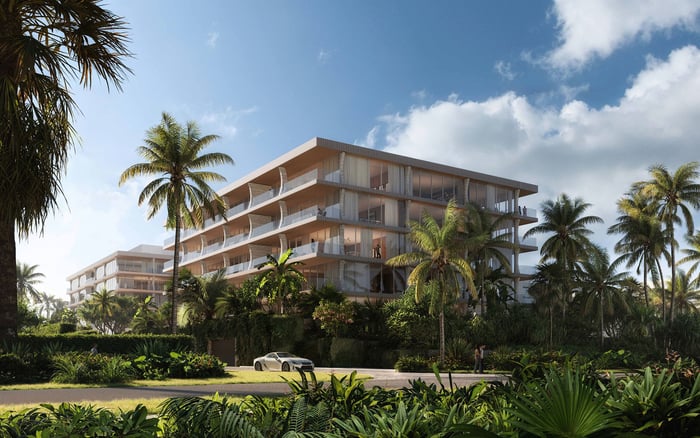
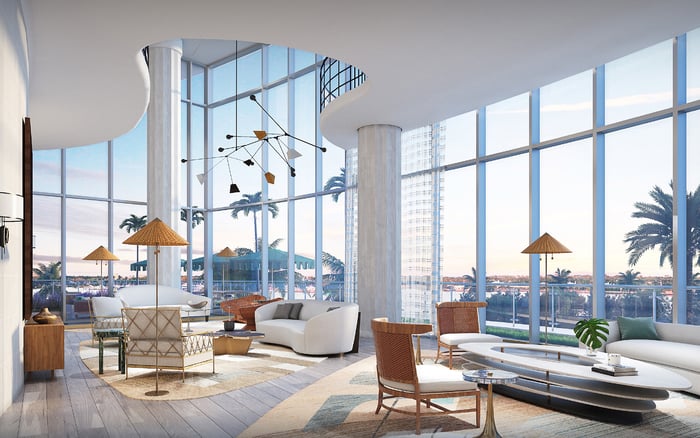
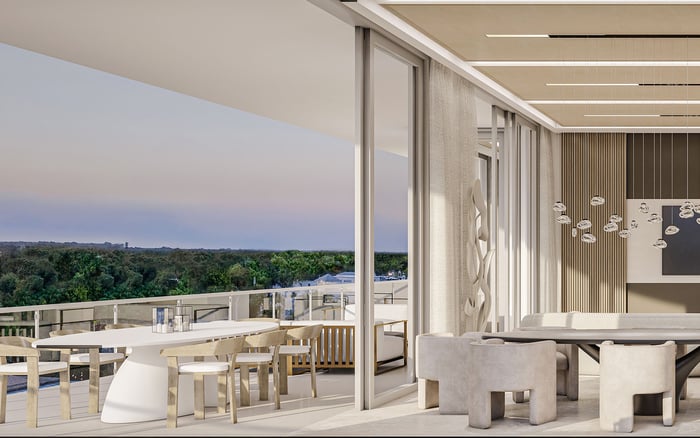
A buyer-oriented guide to reading wellness amenity language at Banyan Tree Residences West Palm Beach with discipline, from daily use to service quality, privacy, carrying costs, and long-term lifestyle value.
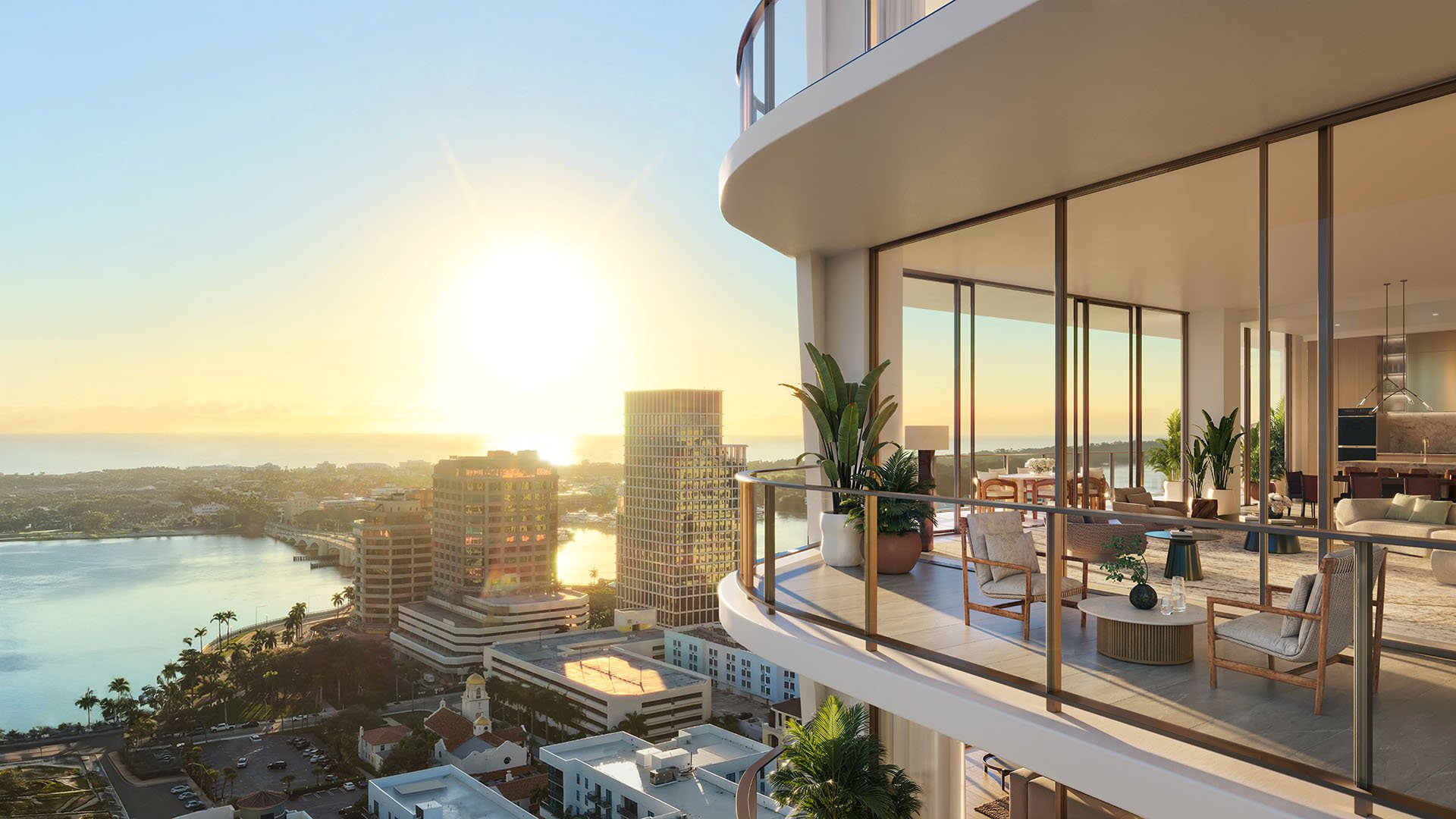
For buyers considering Banyan Tree Residences West Palm Beach, wellness should be evaluated less as a brochure category and more as a daily operating system. The question is not whether a residence promises calm, restoration, or resort influence. The question is whether the building can make those promises feel natural on an ordinary Tuesday morning: after travel, before school drop-off, between meetings, or at the end of a humid South Florida afternoon.
That distinction matters in West Palm Beach, where luxury buyers are increasingly sophisticated about Lifestyle value. A wellness amenity is not automatically valuable because it photographs well. It becomes valuable when it saves time, protects privacy, improves routine, and remains desirable after the novelty of move-in has passed.
In the Branded Residences segment, language can be especially polished. Buyers should read every wellness claim through a practical lens: what is private, what is shared, what is staffed, what is reservable, what is included, and what will still feel elegant when the building is fully occupied.
The strongest wellness amenities reduce friction. A fitness room that is beautifully equipped but difficult to access at peak hours may underperform. A spa suite that requires complicated reservations may be more ceremonial than useful. A terrace designed for quiet may lose value if circulation, noise, or sightlines are not carefully resolved.
Ask how each wellness feature fits into a real week. Could a resident use it before an early flight? Is there enough room for private training? Can a couple maintain separate routines at the same time? Is there a natural transition from workout to recovery to residence without feeling exposed in public corridors?
This is where marketing language often separates from lived value. Words such as sanctuary, retreat, and holistic are attractive, but they should translate into concrete residential advantages: fewer wasted minutes, stronger privacy, intuitive access, and a sense that the building supports the resident rather than demanding planning from the resident.
A pool is one of the most visible wellness signals in South Florida, but visibility is not the same as value. Buyers should examine sun exposure, seating depth, shade, towel service, restroom proximity, food and beverage logistics, family patterns, and whether the pool environment is intended for calm, social energy, or both.
Fitness spaces deserve similar scrutiny. Square footage alone is not enough. Consider ceiling height, equipment spacing, ventilation, acoustic control, trainer access, stretching areas, and whether there is a credible recovery component. In ultra-premium residences, recovery is no longer an afterthought. Buyers often look for environments that support mobility work, bodywork, heat and cold rituals, and quiet reset time.
Spa language should be read carefully. A spa-inspired space may be materially beautiful, while a true spa program requires operating standards. Ask whether treatments are available, how rooms are booked, how privacy is maintained, and whether residents can use the space spontaneously or only by appointment.
West Palm Beach buyers have a growing set of residential choices, and comparison is essential. A purchaser looking at Banyan Tree should also understand how nearby offerings frame lifestyle value, from Alba West Palm Beach to Mr. C Residences West Palm Beach and The Ritz-Carlton Residences® West Palm Beach. The purpose is not to rank one amenity package by volume, but to identify which building best matches the buyer’s rhythm.
A frequent mistake is counting amenities rather than weighing them. Ten lightly used rooms may matter less than three superb spaces that residents use daily. A wellness deck with strong privacy may be more valuable than a larger, more exposed amenity area. A building with restrained programming may suit a buyer who wants quiet, while another buyer may prefer a more hospitality-forward social calendar.
The broader South Florida wellness conversation also matters. Projects such as The Well Bay Harbor Islands have helped sharpen buyer expectations around health-oriented living. Even when comparing different markets, the standard is useful: wellness must be integrated, not ornamental.
Design value is what the building delivers through space, material, light, acoustics, views, circulation, and privacy. Service value is what the building delivers through people, programming, maintenance, reservations, and consistency. The best wellness environments need both.
A beautifully designed yoga room can lose its appeal if it is poorly scheduled or acoustically compromised. A treatment room can feel luxurious on a tour and still fail if staffing is inconsistent. A landscaped quiet garden can be an asset only if it remains quiet, well maintained, and protected from conflicting uses.
For new-construction buyers, this requires special discipline because many decisions are made from renderings, floor plans, finish descriptions, and sales-gallery experiences. Ask how the final building will operate once the homeowners association is active. Ask what requires third-party providers, what is included in monthly assessments, and what may change as resident preferences evolve.
Wellness amenities are never free. Even when access is included, staffing, maintenance, equipment replacement, climate control, insurance, cleaning, and programming ultimately live somewhere in the building’s economics. A refined buyer does not resist cost. A refined buyer wants alignment between cost and genuine use.
The correct question is not simply, “What are the amenities?” It is, “Which amenities will I actually use, and how much of the building’s budget supports them?” If a buyer values daily fitness, private recovery, and serene outdoor space, a substantial wellness platform may be rational. If the buyer spends limited time in residence, a lighter amenity profile may be more efficient.
This is also a resale consideration. Future buyers are likely to reward amenities that feel durable, useful, and well operated. They may discount features that feel theatrical, underused, or costly to maintain without clear everyday benefit.
Before signing, buyers should ask precise questions. What are the hours of operation? Which spaces are reservable? Are guests permitted? Are private trainers allowed? Are there added fees for treatments, classes, lockers, or special programming? How is peak-time demand managed? What is the plan for equipment refreshes? Who oversees service quality?
Just as important, buyers should imagine the building at full occupancy. Wellness areas that feel serene during a private tour may function differently once residents, guests, families, trainers, and staff share the same ecosystem. The goal is to understand not only what exists, but how gracefully it will operate.
At Banyan Tree Residences West Palm Beach, the buyer’s most useful posture is neither skepticism nor seduction. It is disciplined curiosity. Wellness value is real when it is specific, usable, and quietly consistent.
What makes a wellness amenity valuable in a luxury residence? It should improve daily life through convenience, privacy, comfort, and consistent operation, not merely add visual appeal.
How should buyers evaluate Banyan Tree Residences West Palm Beach? Focus on how the wellness offering will function day to day, including access, staffing, reservations, maintenance, and privacy.
Is a larger amenity package always better? No. A smaller collection of highly usable, well-operated spaces can be more valuable than a long list of underused amenities.
Why is privacy important in wellness spaces? Wellness routines are personal. Strong privacy allows residents to relax, train, recover, and move through the building comfortably.
What should buyers ask about a residential pool? Ask about sun, shade, seating, service, guest policies, noise, circulation, and how the area feels during peak use.
How do Branded Residences change the wellness conversation? They can bring a stronger lifestyle narrative, but buyers should still verify the operating details behind the brand language.
Does wellness affect resale value? It can, especially when amenities are durable, practical, well maintained, and aligned with buyer expectations in the market.
What does Lifestyle value mean in West Palm Beach? It means the residence supports the owner’s routine with ease, discretion, and access to spaces that feel genuinely useful.
Should buyers compare Banyan Tree with other West Palm Beach projects? Yes. Comparing nearby residences helps clarify whether the wellness offering matches the buyer’s priorities and rhythm.
What is the biggest red flag in wellness marketing? Vague language without clear answers on access, staffing, cost, programming, privacy, and long-term maintenance.
If you'd like a private walkthrough and a curated shortlist, connect with MILLION.
If branded residences are on your mind — as a home or as an allocation — we would be glad to share what we are seeing, privately.
Begin a quiet conversation