Miami’s most rarefied single-family estates are engineered for privacy, waterfront life, and hospitality on a scale that still feels effortless. In the ultra-luxury tier, value is shaped less by flashy finishes and more by planning: how you arrive, how staff and guests move through the home, how outdoor rooms perform in the climate, and how technology disappears into the architecture. This guide breaks down the defining features buyers expect across Miami-beach, Coconut-grove, and beyond, plus what to verify before you commit.
At the apex of South Florida’s residential market, a mega-mansion is rarely “about the house” in the way a conventional listing is. It is about logistics, discretion, security, and a level of ease that only looks effortless when it has been planned correctly. Buyers operating in the ultra-luxury tier are often balancing multiple residences, demanding travel calendars, and a preference for privacy that extends well beyond the front gate.
Across Miami-beach, Brickell, and Coconut-grove, priorities tend to converge. The request is consistent: privacy without feeling cut off, indoor-outdoor living that performs in the climate, and a property that functions with the quiet reliability of a boutique hotel while still reading as personal, not institutional. In the best homes, the luxury is not an isolated finish or a single dramatic moment. It is the way the entire estate supports daily life, hosting, and downtime with equal competence.
What follows is a feature-first walk-through of what typically separates headline estates from homes that are simply large. Use it as a lens while touring, or as a briefing for building and renovating with long-term value in mind. Exact sizes, costs, and engineering specifics depend on the site, architect, and municipality, so treat every point as a concept to verify, not a promise.
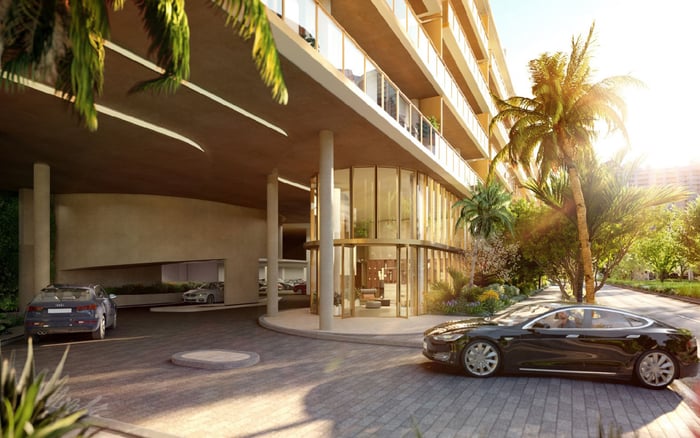
In a true trophy home, arrival is designed like choreography. The strongest estates treat the street as the start of a controlled narrative and the front door as a reveal, not an endpoint. Privacy begins before you step out of the car through layered landscaping, managed sightlines to the entry, and a sense that the property has its own internal world.
A well-executed arrival sequence also resolves the practical issues sophisticated buyers notice immediately. Where do deliveries land so they do not interrupt pool time. How do guests understand where to go without hovering at the wrong door. Can a driver wait comfortably without blocking the street or a neighbor. These are operational questions, not decorative ones, and they shape how expensive a home feels day to day.
The most valuable detail is separation of flows. Owners, family, staff, and event guests should each have a route that feels intuitive. When circulation is truly planned, the estate stays calm even when it is full, and the front of house never has to carry the back of house.
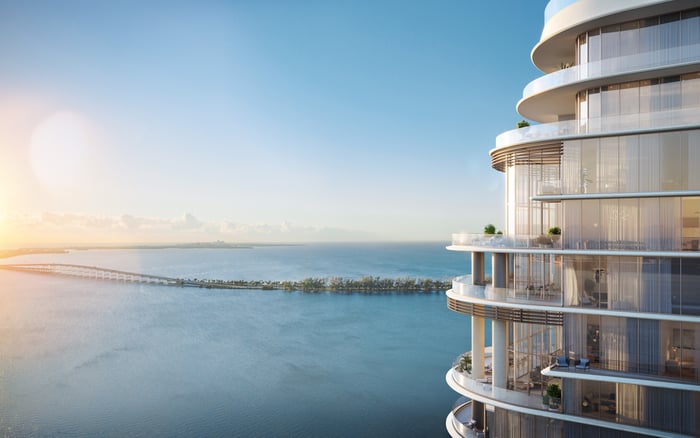
Miami’s waterfront inventory is central to its global appeal, but different shorelines create different living patterns. Oceanfront life is about horizon, sound, and the sensation of being at the edge of the continent. Bayfront living tends to emphasize boating convenience, sunset light, and calmer water conditions. Both can be extraordinary, and both can disappoint if the home is not designed for the realities of wind, salt air, and the constant pressure outdoor environments put on finishes and systems.
For the Oceanfront buyer, the defining features are often the ones you experience more than you photograph. Wind management, shaded outdoor seating, and glazing that frames views without turning interiors into a greenhouse all matter. For bayfront properties, boating access can become the daily centerpiece. That is where Boat-slip planning, dock orientation, and protected water conditions influence not only resale value, but whether the waterfront is used routinely or only admired from inside.
In either setting, the strongest mega-mansions treat the water as a living room, not a backdrop. The goal is a lifestyle edge you will use on a Tuesday, not a waterfront stage set reserved for parties.
A mega-mansion is a statement, but the statements that hold value are disciplined. Some buyers want ultra-modern forms with crisp lines and expansive glass. Others prefer warmer, classical cues. In South Florida, both directions can succeed, and both can fail if they ignore climate, privacy, and how people actually move through a home.
The difference is usually restraint and tailoring. The highest-level homes avoid catalog architecture. They often read as simple from a distance, then deepen up close through proportion, material transitions, and shadow lines that make the structure feel expensive before you ever cross the threshold.
A practical way to evaluate architecture is to ask whether it supports lived reality. Are there shaded thresholds between interior and exterior spaces. Do the rooms you will use most face the view, or does the best outlook get spent on rarely occupied areas. If the design leans heavily on glass, is there a believable sense of privacy within it. In this tier, beauty is expected. The differentiator is whether beauty is paired with logic.
Once inside, the defining interior features often have more to do with flexibility and display than with novelty. Ultra-luxury buyers tend to own art, wine, cars, and furniture that require the right envelope. Great homes provide wall space, controlled lighting, and room proportions that can carry museum-scale pieces without turning the interior into a gallery that feels cold.
Materials matter, but not as a trend checklist. In the upper tier, the preference is for finishes that age well and are difficult to substitute convincingly. Craft shows up at the joins and reveals, in the way stone turns corners, and in the way doors close. Many of the best mega-mansions create their strongest impression through quiet: solid-core doors, thoughtful acoustic separation, and a sense that the interior is insulated from the outside world.
Equally important is how the house edits itself. Storage that keeps surfaces clear, staging zones that hide daily clutter, and discreet places to drop bags and shoes are the small luxuries that make the large ones feel credible. A property can have dramatic volumes and still feel unsophisticated if the daily mechanics are not addressed.
Wellness is no longer an accessory in the ultra-luxury tier. It is a core program. Buyers increasingly look for homes that support routine, recovery, and longevity without leaving the property, whether that means a simple, perfectly daylit gym or a full wellness wing.
What separates a good wellness setup from an excellent one is rarely the equipment list. It is the design. Ventilation that keeps the air fresh, surfaces that handle sweat and humidity, and acoustics that make the space feel calm all matter. If there is a spa component, buyers tend to value privacy, easy cleaning, and an intuitive sequence that makes sense after a workout so the experience feels cohesive rather than improvised.
The most thoughtful estates also plan beyond exercise. They create quiet rooms for massage, meditation, and stretching, and they locate them away from the loudest entertaining zones so the home can host and still feel restorative. The goal is not to add another amenity. The goal is to support a lifestyle that holds up in real use.
Miami’s signature luxury is the ability to live outdoors for much of the year. The exterior program therefore carries disproportionate weight in perceived value. A mega-mansion can have a stunning interior and still feel incomplete if the outdoor areas are not planned as true rooms.
High-performing exterior spaces typically include multiple micro-environments: sun and shade, wind-protected seating, dining with a serious kitchen component, and lounging that sits close enough to the pool to feel social without living in the splash zone. Mature landscaping helps, but the less glamorous details are just as important: hardscape that reads clean, drainage that performs, and lighting that makes the property feel composed after dark.
At the highest level, outdoor rooms function like a five-star resort, yet still feel private. The objective is not to build a stage. It is to create spaces you will actually use, comfortably, week after week.
Luxury buyers often say they want a home that “runs itself.” In practice, that means the back-of-house is designed with the same care as the showpiece rooms. The kitchen should support everyday family meals as well as larger events. Pantry space, catering zones, and refrigeration work best when they are organized for calm, not chaos.
Staff circulation is also a subtle marker of quality. When service can move discreetly, the home feels more private and more serene. Laundry, storage, and mechanical access should be placed thoughtfully so maintenance does not intrude on the owner experience.
Even without full-time staff, these decisions matter. They protect the way the home feels during holidays, family gatherings, and the ordinary days when you simply want life to flow without friction.
In the ultra-luxury tier, security is a combination of design and technology. The best properties start with a coherent perimeter strategy, controlled visibility, and doors and windows that feel substantial. Technology can elevate this, but it should never become a source of friction.
Sophisticated buyers look for systems that are reliable and discreet: lighting scenes that make sense immediately, climate zones that do not compete with each other, and audio that disappears when not in use. The keyword is integration. A patchwork of gadgets can read as less luxurious than a simpler system executed at a higher level.
Resilience is part of the conversation as well, particularly for Oceanfront homes. Buyers generally prefer properties that acknowledge environmental realities through thoughtful detailing and materials that can handle exposure. Always confirm building specifications, insurance implications, and local requirements with qualified professionals.
In South Florida, car culture is part of the lifestyle, but a trophy garage is not just about square footage. Buyers often want a clean, climate-considered space that feels closer to a showroom than a storage room, with organized storage for detailing supplies, charging infrastructure, and secure access.
Mobility planning extends to the driveway and motor court. The best estates make arrivals and departures feel smooth, and they allow multiple vehicles to move without awkward choreography. This matters even more when entertaining, or when a home is used seasonally and must handle arrivals with luggage, gifts, and staff.
A mega-mansion should treat the garage as a design element, not an afterthought. When it is integrated into the overall plan, the entire property reads as more intentional.
Entertaining is a defining use case in the upper tier, but the most sophisticated homes separate hosting from living. Guests should experience a level of hospitality that feels elevated while owners retain privacy. This is where guest suites, a dedicated guest wing, or even a separate structure can deliver a hotel-like stay without sacrificing intimacy.
Think in terms of layered hospitality. A great estate makes it easy to welcome people for a cocktail hour, a weekend, or a longer stay. It provides bathrooms that are easy to find, outdoor pathways that are intuitive and well-lit, and sound separation that allows the house to quiet down when the night is over.
If you tour a property and every bedroom opens onto the same hallway, note it. Scale alone does not create luxury. Planning does.
Some buyers love the concept of a mega-mansion and then realize they want a different kind of ease. In South Florida, the alternative is a high-design condo residence that delivers hotel-caliber services, strong security, and turnkey living. The best buildings can provide privacy, views, and a lock-and-leave lifestyle that either complements a primary estate or replaces it.
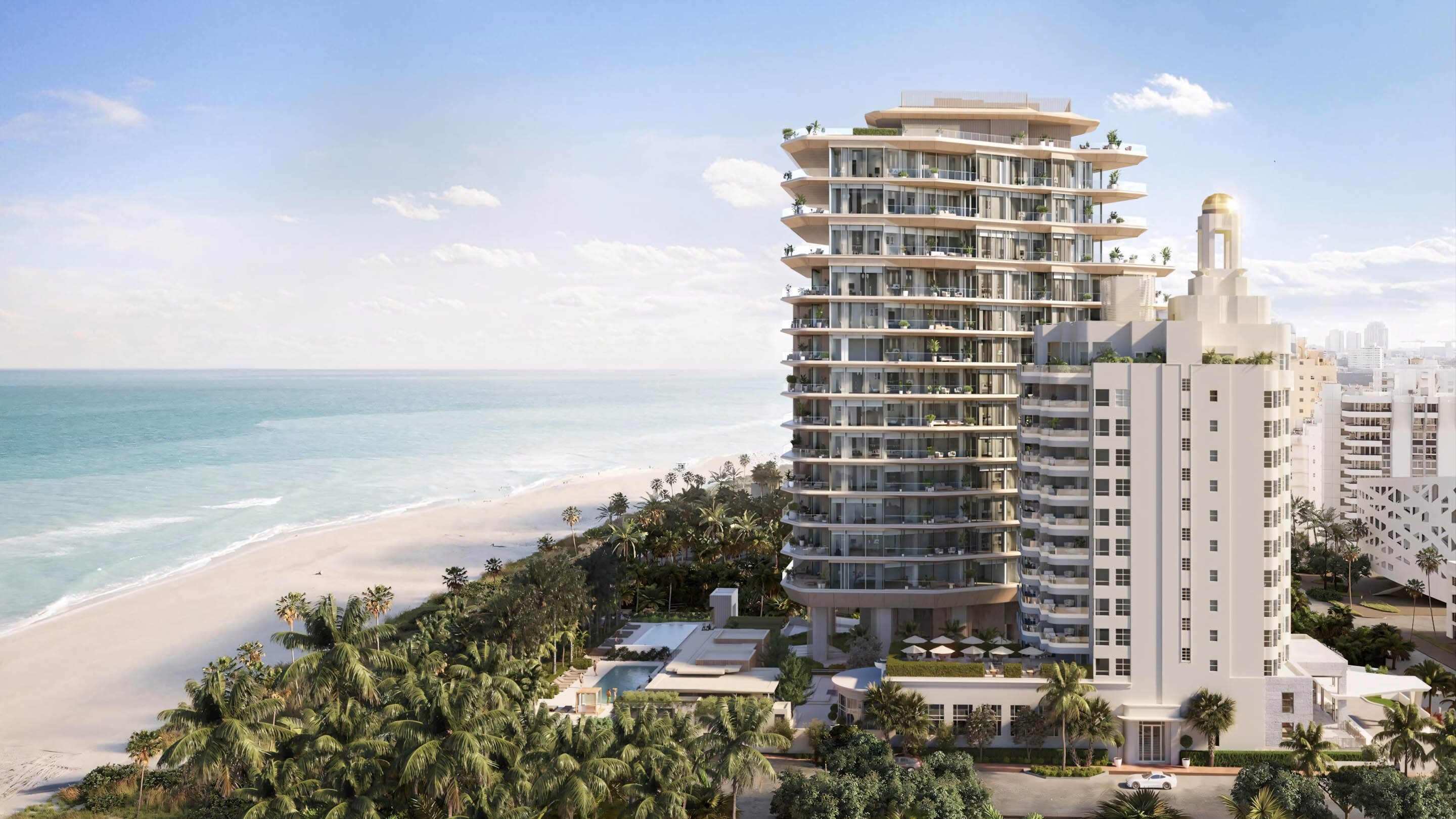
For a vertical reference point in the market, explore The Perigon Miami Beach. Use it as a mental counterpoint when evaluating single-family-homes: what you gain in land and customization versus what you gain in staffing, amenities, and simplicity.
This comparison is not about better or worse. It is about the version of luxury you intend to live. For some, the right answer is a mansion for hosting and a condo for the weeks when the calendar is full.
At the ultra-luxury level, buyers purchase more than finishes. They are underwriting risk management, comfort, and predictability. That changes the due diligence mindset.
Start with livability. Walk the house as if you are living there, not touring it. Where does your day begin. Where do you take a call when the home is full. Where do you change after the pool. Homes that photograph brilliantly but lack daily logic tend to feel tiring over time, because every routine becomes a workaround.
Next, evaluate replacement complexity. The more custom the home, the more important it becomes to understand maintenance and serviceability. Ask how systems are accessed. Look for evidence of thoughtful detailing. Confirm what is controlled by automation and what can be operated manually so the home stays functional even when technology needs attention.
Finally, consider neighborhood fit. Many buyers gravitate to gated-community environments for predictable privacy. Others prioritize walkability or proximity to dining and culture in places like Brickell. Still others prefer the quieter, residential feel of Coconut-grove. There is no universal answer, but the home should align with how you move through Miami, how you host, and how much daily operational involvement you want.
How do I tell if an ultra-luxury home is truly private? Look past landscaping and gates. Evaluate sightlines from the street, how the entry is set back, whether key outdoor living areas are shielded, and whether neighboring homes look directly into the spaces you will use most.
What should I prioritize when touring an Oceanfront property? Prioritize how the home manages wind, sun, salt air, and exterior durability. Ask qualified professionals to review building details and operating costs, since these can vary widely by design, materials, and exposure.
Is a Boat-slip always a value add on the bay? It can be, but usefulness depends on water depth, dock configuration, access conditions, and how you actually boat. Confirm feasibility and local rules with the appropriate experts.
When does a condo make more sense than a mega-mansion? If you travel frequently, want a lock-and-leave lifestyle, or prefer service infrastructure, vertical living can deliver luxury with less operational responsibility.
For private representation and access to South Florida’s most discreet opportunities, connect with MILLION Luxury.
If branded residences are on your mind — as a home or as an allocation — we would be glad to share what we are seeing, privately.
Begin a quiet conversation