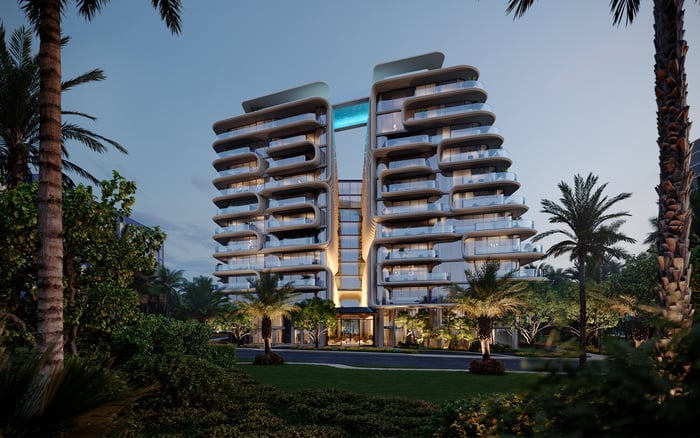
For Arte Surfside buyers, EV charging belongs in the diligence file alongside parking, title, engineering, insurance, and resale strategy. The key is not whether charging feels possible in the abstract, but whether a specific space carries a clear, enforceable path to install and operate a compliant charger.
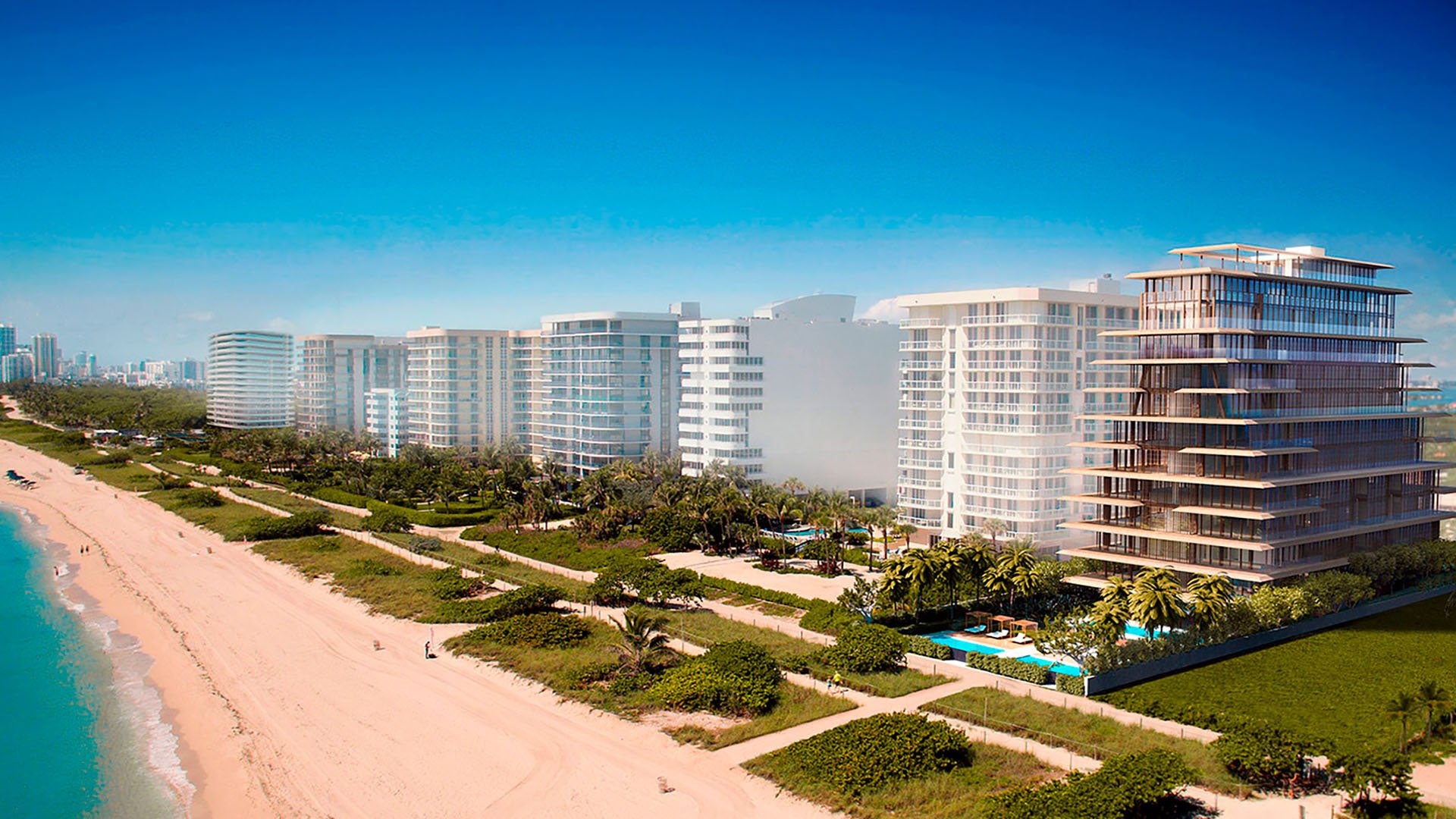
At Arte Surfside, EV charging should be treated as more than a convenience feature. For a buyer with a current or future electric vehicle, the essential question is whether the residence carries a practical, legally enforceable, and electrically feasible path to charge in the specific parking space tied to the unit.
That distinction matters in Surfside’s Boutique condominium market, where parking rights can shape daily convenience and resale positioning. A buyer should confirm how many spaces are assigned to the residence, whether any are already EV-ready, and whether those spaces are deeded, assigned, limited common elements, valet-controlled, or governed by a separate parking license.
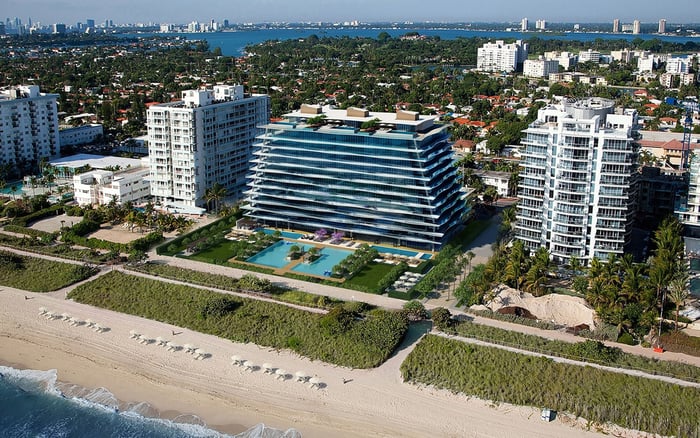
The same review applies across the Oceanfront luxury corridor, from Eighty Seven Park Surfside to Fendi Château Residences Surfside. EV capability is no longer a vague amenity conversation. It is a document, engineering, and cost-allocation issue.
Florida condominium law gives owners important protection when an EV charging station is installed within a limited common element parking area assigned to that owner, subject to statutory conditions. The right is strongest when the buyer’s space is clearly assigned for the unit’s exclusive use.
For an Arte Surfside contract, the first diligence question should be direct: which exact space or spaces will the buyer control, and what legal status do they have? If the parking is a limited common element, the analysis may be more direct. If valet operations, stacked parking, shared areas, or a parking license are involved, the buyer’s attorney should review whether the operating rules limit where, when, and how charging can occur.
The closing objective is clarity. Before deadlines expire, the buyer should know whether the residence includes a legally enforceable right to install and use charging in the exact parking space expected after closing.
Associations may require EV installations to comply with safety standards, building codes, and reasonable procedural conditions. For buyers, the governing documents are only the starting point. The diligence package should include the declaration, bylaws, rules, architectural guidelines, board-approved EV policies, standard alteration agreements, indemnity forms, and any recorded covenants that may bind future owners.
Costs should be addressed with equal precision. An owner can be required to pay the full cost of installation, operation, maintenance, repair, insurance, and removal. The buyer should also ask how electricity is billed: separate meter, submeter, reimbursement to the association, or another approved method.
Insurance is another quiet but important issue. The association may require a certificate of insurance naming it as an additional insured within the statutory timeframe after installation. That requirement should be understood before the buyer assumes a charger can be added quickly after closing.
For most condominium owners, Level 2 charging is the residential category to evaluate for overnight use. The issue is whether the building and the specific parking space can support it without creating capacity, routing, or metering problems.
A buyer’s electrician or engineer should review available electrical capacity, panel access, conduit routes, voltage, charger location, wall or pedestal mounting options, and the distance from electrical infrastructure to the space. In a building where multiple residents may request chargers over time, spare capacity can become a building-wide planning issue, not merely a single-owner alteration.
Buyers should ask whether Arte Surfside uses load management, charger-network controls, power sharing, or similar systems to prevent overloading building capacity. For a household with more than one EV, the question becomes more specific: can the unit’s parking allocation support multiple charging points, or only one?
This same diligence lens is increasingly relevant beyond Surfside, including nearby luxury inventory such as The Delmore Surfside and coastal Miami Beach properties where parking design and electrical planning shape long-term convenience.
Any private installation should be reviewed for Miami-Dade electrical permitting requirements and licensed contractor obligations before work begins. A buyer should not rely on a verbal assurance that a charger can be added later without confirming the actual approval path.
Coastal conditions also deserve attention. Because Arte Surfside is in Surfside, buyers should ask how EV equipment will be protected from salt air, corrosion, water intrusion, and storm-related garage risks. Equipment placement, enclosures, conduit materials, drainage, and maintenance responsibilities can affect both durability and insurance comfort.
The best luxury diligence is not dramatic. It is precise. Before closing, a buyer should know who approves the installation, who performs the work, who pays for common-area upgrades if needed, who maintains the equipment, and who removes it if required in the future.
Resale buyers should be especially careful when a charger already exists. The charger may transfer with the residence, or it may be treated as personal property that must be separately conveyed. The contract should say so clearly.
The buyer should request prior board approvals, permits, invoices, warranties, insurance certificates, utility-billing history, and any alteration agreement tied to the installation. If an existing charger was not properly approved, the buyer may inherit an expensive compliance problem rather than a convenience.
For sellers, the reverse is true. A well-documented, properly permitted, association-approved charging setup can make a residence easier to understand. At Arte Surfside, where privacy, design, and parking convenience all matter, EV readiness should be presented with the same discipline as terrace condition, storage rights, and service access.
The contract should address who pays for approvals, permits, installation, electrical upgrades, metering, insurance, maintenance, repair, and removal. If the buyer needs charging as a condition of ownership, the agreement should not leave that issue to a post-closing board conversation.
The buyer’s attorney should review the parking exhibits and association rules before inspection or document-review periods expire. The buyer’s engineer should evaluate feasibility for the exact space, not merely the garage as a whole.
For many high-end buyers, the right answer is not simply “yes, EV charging is allowed.” The right answer is more exacting: this unit, this space, this installation path, these costs, these approvals, and these obligations.
Can an Arte Surfside buyer assume EV charging is automatically allowed? No. The buyer should confirm the legal status of the exact parking space and the association’s EV approval process.
Why does the parking designation matter so much? Florida condominium EV protections are strongest when the space is a limited common element or otherwise assigned for exclusive use.
What documents should the buyer request? Ask for the declaration, bylaws, rules, EV policies, alteration agreements, indemnity forms, and any recorded covenants.
Who usually pays for a private EV charger? The owner can be required to pay installation, operation, maintenance, repair, insurance, and removal costs.
Is Level 2 charging the right benchmark? For overnight condominium use, Level 2 charging is the main residential category buyers should evaluate.
Should the buyer hire an electrician before closing? Yes. An electrician or engineer should review capacity, conduit routes, voltage, metering, and feasibility for the exact space.
Can the association require insurance? Yes. The association may require proof of insurance naming it as an additional insured within the required timeframe.
Do EV charger installations require permits? Buyers should verify Miami-Dade electrical permit requirements and licensed contractor obligations before any work begins.
What if a charger is already installed? Review approvals, permits, invoices, warranties, insurance certificates, and billing history, and confirm whether it transfers with the sale.
What is the most important closing question? Confirm whether the buyer receives a legally enforceable right to install and use charging in the specific parking space.
For a discreet conversation and a curated building-by-building shortlist, connect with MILLION.
If branded residences are on your mind — as a home or as an allocation — we would be glad to share what we are seeing, privately.
Begin a quiet conversation