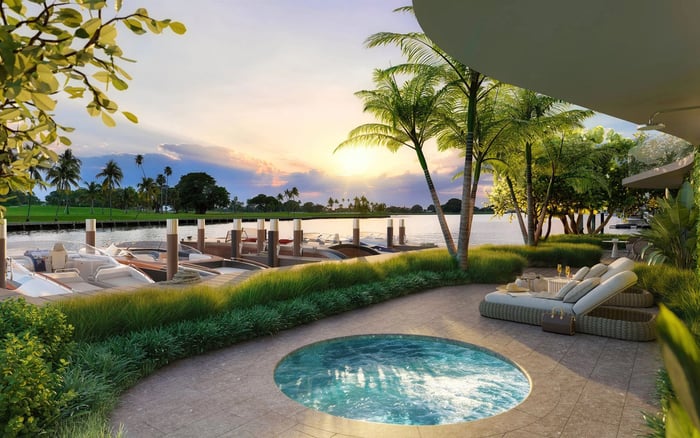
Saltwater infinity pools are having a quiet moment across South Florida’s newest luxury towers, marketed as a softer, more resort-like alternative to traditional chlorine. For skin health, the reality is more nuanced: comfort often comes down to water balance, disinfectant byproducts, and how a pool is maintained, not simply whether it is labeled “saltwater.” Here is a buyer-oriented framework for evaluating what a saltwater infinity pool can and cannot do for your skin, and what to look for when the pool deck is part of the reason you choose a building.
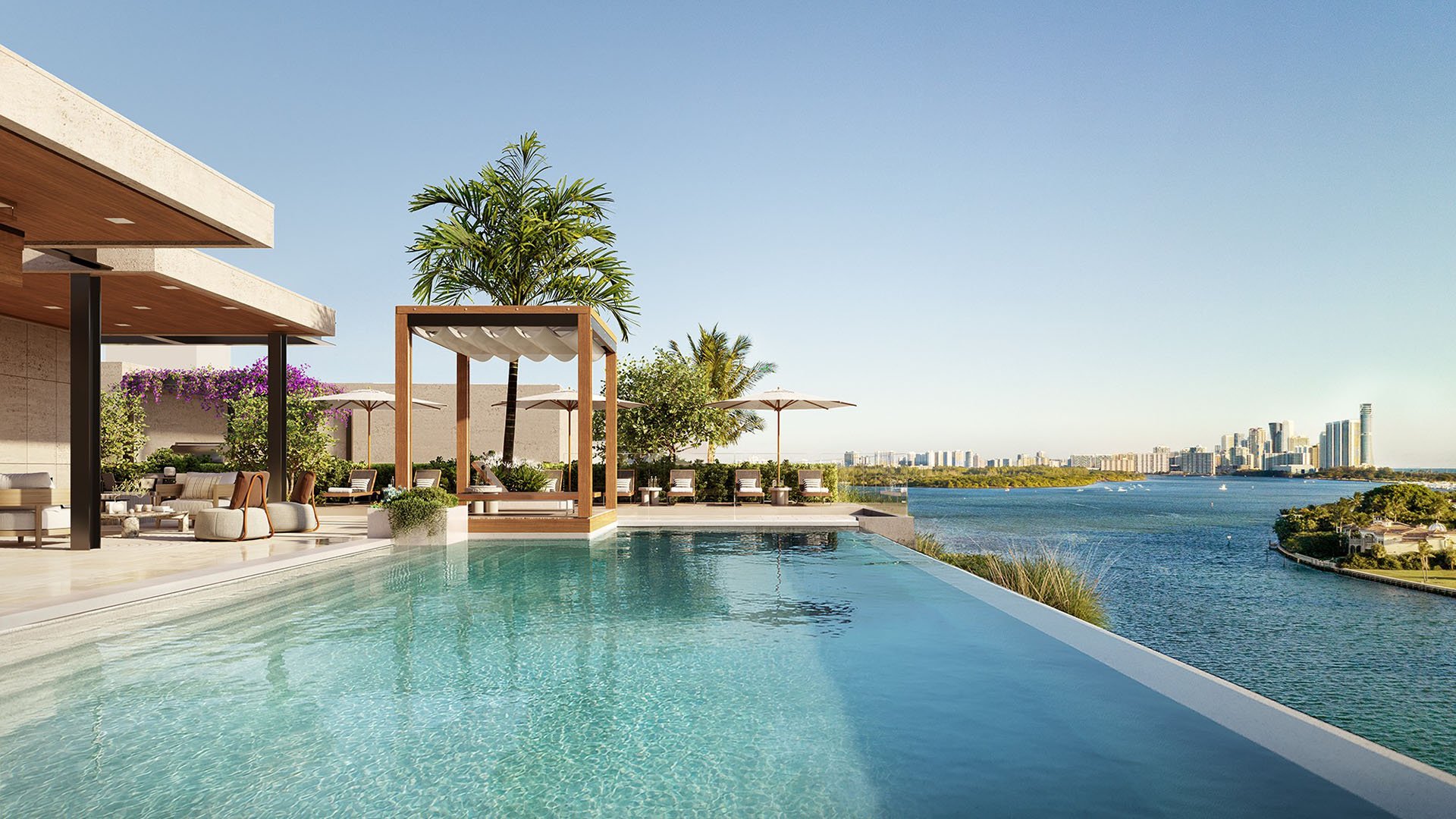
In luxury real estate, “saltwater infinity pool” signals a polished, resort-caliber experience: water that feels smoother, a deck that reads like a boutique hotel, and fewer of the sharp sensory cues many people associate with chlorine. From a skin-health perspective, the value is in translating that language into how the pool is actually run.
A saltwater pool typically uses a salt-chlorine generator to produce chlorine from dissolved salt. In other words, it is still a chlorinated pool. What changes is often how chlorine is generated and stabilized, along with how the water feels when it is properly balanced. For sensitive skin, that distinction matters: irritation is frequently driven by out-of-balance chemistry, exposure time, and how quickly you rinse and moisturize afterward.
In South Florida, the “pool as lifestyle” is rarely a single amenity. It sits inside a daily rhythm of sun, wind, and salt air. A well-managed saltwater infinity pool can feel gentler, but it is not automatically a dermatologic upgrade. The better question is not “saltwater or chlorine,” but “how consistently is the water balanced, and how is the experience designed?”
Many swimmers describe saltwater pools as less drying and less harsh on the eyes. Those perceptions can be valid, especially when a salt system supports steadier sanitizer levels. Consistency helps reduce the peaks and valleys that create a “hot” pool day-when the water smells stronger and skin feels tight afterward.
There is also a sensory component that luxury buyers recognize immediately. The water can feel silkier. The air around the pool can feel cleaner. However, “chlorine smell” is often not chlorine itself, but chloramine byproducts that build up with heavy bather load or insufficient circulation and oxidation. A saltwater system does not eliminate those risks.
If you are evaluating a building in Brickell, Miami Beach, or Sunny Isles, treat “saltwater” as a starting point-not a conclusion. Look for an emphasis on routine testing, filtration performance, and quick correction when weather swings hit. Sudden rain, high heat, and peak weekend use can shift water balance quickly.
Infinity edges are architectural theater-and they do more than photograph well. They can subtly shift the skin experience.
First, infinity pools often encourage longer, slower dwell time. People lounge at the edge, half in and half out, increasing total time with wet skin under sun. Second, the edge creates movement and mist, especially on breezy days. That can drive repeated wet-dry cycles on the face and shoulders, a common trigger for tightness and irritation in a humid climate.
Finally, the deck environment matters. Wind off the water can be dehydrating. Strong Florida UV can inflame and dry skin even when the air feels comfortable. If your routine is “pool, then walk home in a swimsuit,” proximity to showers, towel service, and shaded circulation paths becomes a practical skin-health feature-not a mere convenience.
In a buyer conversation, this is where amenity design intersects with wellness. A thoughtfully planned pool deck with shade structures, outdoor showers, and easy access to interior changing areas is often more skin-friendly than a photogenic pool with no rinsing infrastructure.
Saltwater pools are sometimes framed as “better for eczema,” but the relationship is personal and context-dependent. Salt can sting on compromised skin, and any chlorinated water can strip oils if exposure is long or frequent.
What tends to help sensitive skin most is predictability and recovery:
Shorter sessions, especially when UV is intense.
A quick rinse immediately after swimming.
Pat-dry rather than aggressive towel friction.
Moisturize while skin is still slightly damp.
If you are prone to flares, it can be worth timing pool use for earlier or later in the day, when UV and surface heat are lower. The same pool can feel entirely different on a cool morning versus a hot afternoon. That difference matters when you are choosing a building where the pool is part of daily life, not just a weekend luxury.
Luxury buyers often tour for views, finishes, and density. For skin comfort, the signals are simpler-and often more revealing.
Start with clarity and air quality. The water should be visually clear, with a clean, neutral scent. A strong chemical smell can indicate the water is not being managed optimally for bather comfort. Then read the deck details: are showers easy to access, and do they appear used and maintained? Is there shade that makes midday lounging realistic without constant UV exposure?
Next, consider the “infinity edge as engineering.” Infinity pools rely on balance tanks, pumps, and continuous circulation. When those systems are maintained, the water tends to stay stable and comfortable. When they are not, you may notice surface issues-or feel more irritation.
If you are touring a wellness-forward concept such as The Well Bay Harbor Islands, the broader ecosystem matters: spa programming, cold plunges, saunas, and shower suites can reinforce the rinse-and-recover habits that protect the skin barrier after swimming.
South Florida’s coastal real estate comes with an ambient salt layer. Even if a pool is perfectly managed, you are still living in an environment where sea spray and humidity can linger on the skin-especially on balconies and outdoor corridors.
For some, that’s a positive. For others, it means more frequent cleansing and moisturization to keep the skin barrier calm. Buildings that make it easy to transition from outdoors to a clean rinse can quietly improve day-to-day comfort.
This is one reason oceanfront projects are so lifestyle-specific. At 57 Ocean Miami Beach, for example, the appeal is tied to the coastline itself. If you love an outdoor-forward routine, you may swim more often and spend more time in salty air. Skin comfort will hinge on aftercare and the ease of rinsing-not solely the pool’s water type.
Skin irritation does not always start in the water. In South Florida, hot decking is a real comfort variable. Pale stone can still heat up under direct sun, and textured surfaces can create friction when feet are damp.
Infinity decks also encourage barefoot movement to the edge, increasing contact with hot surfaces. From a buyer’s standpoint, ask yourself: can you comfortably walk the deck at peak sun without rushing? Are there shaded paths and cool zones? Does the building provide towel stations that reduce the need to air-dry in full sun?
These details can feel minor until the amenity is part of daily life. In a high-end setting, comfort is the point.
A pool’s label matters less than how it performs through South Florida’s weather cycles. Heat increases sweating and sunscreen use, which affects water chemistry. Heavy rain can dilute and shift balance. Holiday weekends increase bather load, which can raise byproducts if filtration and treatment are not dialed in.
If the building’s pool is a signature amenity, the best indicator of skin-friendliness is operational maturity: consistent testing, quick adjustments, and an amenity team that treats water as a living system.
For buyers comparing urban and oceanfront settings, consider how you will use the amenity. A Brickell resident at 2200 Brickell may swim as a fitness ritual and then shower at home within minutes, which supports skin recovery. An oceanfront owner may linger outdoors longer, where UV and wind become primary irritants.
You will hear phrases like “gentler,” “natural,” or “low-chlorine.” The practical takeaway is to focus on outcomes: does the water feel comfortable on the eyes and skin, and does the environment support healthy post-swim habits?
If you are particularly sensitive, consider a simple trial: spend 15 minutes in the water during a tour day, then rinse and assess how your skin feels a few hours later. The goal is not a clinical test; it is a lifestyle fit.
In some resort-caliber communities, the pool deck is designed as a true extension of the residence. 2000 Ocean Hallandale Beach captures that oceanfront sensibility, where the pool is less a utilitarian lap lane and more a daily scene. When the pool is that central, skin comfort becomes a meaningful part of the value proposition.
For most residents, the best skin outcomes come down to repeatable habits:
Rinse before entering to reduce sweat and product load in the water.
Choose mineral sunscreen formulas that you know you tolerate and reapply thoughtfully.
Keep swim time intentional; long soaking is rarely your skin’s friend.
Rinse immediately afterward, then moisturize.
If you have color-treated hair or scalp sensitivity, protect with a rinse-out conditioner before swimming.
These small interventions help preserve the skin barrier-the real difference between “I feel great after the pool” and “my skin feels tight for hours.”
Are saltwater infinity pools non-chlorine? No. Most saltwater pools generate chlorine from salt, so they are still chlorinated.
Do saltwater pools help with dry skin? They can feel less harsh for some people, but water balance and rinse timing matter more.
Is an infinity edge better or worse for sensitive skin? Neither by default; infinity decks often increase wind and sun exposure, which can irritate.
Will a saltwater pool smell less like chemicals? Often, yes when well maintained, but strong odors usually reflect byproducts and imbalance.
Can saltwater sting if my skin is compromised? Yes. If you have cracks, recent exfoliation, or irritation, salt and chlorine can sting.
What is the most important amenity detail for skin comfort? Easy access to showers and shade, so you can rinse quickly and limit UV exposure.
Does living oceanfront change the skin equation? Yes. Salt air, wind, and stronger UV reflection can amplify dryness and irritation.
Should I moisturize before or after swimming? After is essential; some people also apply a light barrier moisturizer before swimming.
Is it safe to swim daily in a saltwater pool? Many people do, but pay attention to irritation, keep sessions moderate, and rinse well.
How can I evaluate a building’s pool without technical data? Look for clear water, neutral air, maintained showers, and a deck designed for shade.
If you'd like a private walkthrough and a curated shortlist, connect with MILLION Luxury.
If branded residences are on your mind — as a home or as an allocation — we would be glad to share what we are seeing, privately.
Begin a quiet conversation