A buyer-oriented look at how South Florida’s newest luxury condominiums are quietly being planned for three generations under one roof, with dedicated quarters and circulation that support live-in nannies, tutors, and household staff.
South Florida’s ultra-prime condominium market has always prioritized lifestyle. What’s new is the level of architectural intention now being applied to multi-generational households that include a live-in nanny, tutor, or both. Today’s luxury buyer wants a home that performs like a discreet private residence: generous entertaining, true separation between adults and children, and operational ease for household staff.
Practically, this is not a matter of adding a “den.” It’s a planning philosophy that treats the residence as a small ecosystem-multiple schedules, different sound and sleep cycles, and a need for privacy that doesn’t read as distance. The strongest buildings reinforce this with intelligent unit layouts, privacy-centric elevator lobbies, and amenity programs that operate as true extensions of the home.
In neighborhoods where buyers already value walkability and a service-forward culture, such as Brickell, this layered living model pairs naturally with new development. A well-composed tower like 2200 Brickell signals the direction: design-forward residences that accommodate modern households without advertising the mechanics.
In a true multi-generational condominium, the plan typically operates with two “centers of gravity.” One anchors the primary suite and the adult entertaining core. The other anchors the family wing, which increasingly includes a dedicated study suite or tutoring zone.
Architecturally, the most successful plans are split-bedroom arrangements with meaningful separation-not token distance measured by a single hallway. Look for:
Dual primary-worthy suites, allowing an older parent to live with dignity and autonomy.
A children’s wing with bedrooms that are not directly adjacent to the main living-room wall.
A den or flex room placed near the children’s wing, so a tutor can work close to homework routines without turning the formal living room into a classroom.
This is also where circulation becomes a tell. A plan that lets a nanny move between laundry, children’s rooms, and the kitchen without cutting through the main entertaining axis is a quiet marker of sophistication. The home feels calmer because cross-traffic is designed out.
Ultra-luxury buyers want support spaces, but they don’t want the residence to read like a back-of-house diagram. The difference is architectural discretion: functional staff accommodations delivered without sacrificing the residential tone.
A well-considered staff-ready residence often includes:
A flex bedroom that can serve as a nanny room, paired with a nearby full bath that doesn’t require passing through a child’s bedroom.
A kitchen that can support both family use and light catering, with enough circulation around the island and clear paths to service storage.
Thoughtful door swings and sightlines that keep private rooms private when guests are present.
In coastal markets where residences are often used seasonally, staff accommodations can also make arrivals and departures more seamless. A nanny room becomes a practical buffer for unpacking, staging, and settling children into routine-without turning the primary suite into the operational hub.
For oceanfront living that prioritizes serenity and privacy, buildings such as 57 Ocean Miami Beach reflect a broader design sensibility: quieter corridors, fewer visual interruptions, and an emphasis on residential calm that complements multi-generational needs.
When three generations share one residence, sound becomes a primary form of privacy. The architectural response isn’t just thicker walls-it’s a layered strategy.
Notice how the best plans handle transitions:
Vestibules and short galleries between living rooms and bedroom corridors reduce noise spill.
Pocket doors or paired doors in key locations allow family zones to close off without feeling sealed away.
Bathrooms, closets, and storage walls positioned between bedrooms act as acoustic buffers.
For families with tutors, this matters even more. Study sessions shouldn’t be interrupted by entertaining, and a late-night kitchen shouldn’t disrupt early bedtimes. Look for homes where “loud” and “quiet” functions are separated by more than a single wall.
A tutor-friendly residence is not defined by a large dining table. It’s defined by a dedicated environment built for attention.
The most effective tutoring zones share three architectural qualities:
Proximity to the children’s bedrooms, so routines stay consistent and supervision feels effortless.
Borrowed light, so the space reads as part of the home-not an internal storage room repurposed into a “study.”
Storage and display, so books, materials, and devices have a place to live without overtaking the main living space.
In many luxury condos, a den can become this zone. The difference is placement. If the den sits off the foyer, it functions as an adult office. If it sits near the family wing, it becomes a classroom. Buyers should decide which future they want the plan to support.
Multi-generational living changes how the kitchen performs. It’s no longer only a stage for entertaining; it becomes a production space that must accommodate different diets, different meal times, and family members moving on different schedules.
Architectural cues that signal a kitchen is truly ready:
Clear landing zones near the refrigerator and ovens, allowing multiple people to use the space at once.
A pantry that can handle bulk storage and child-friendly access without placing snacks on the main counter.
A back-of-kitchen circulation line so a nanny can prep, plate, and clean without disrupting conversation.
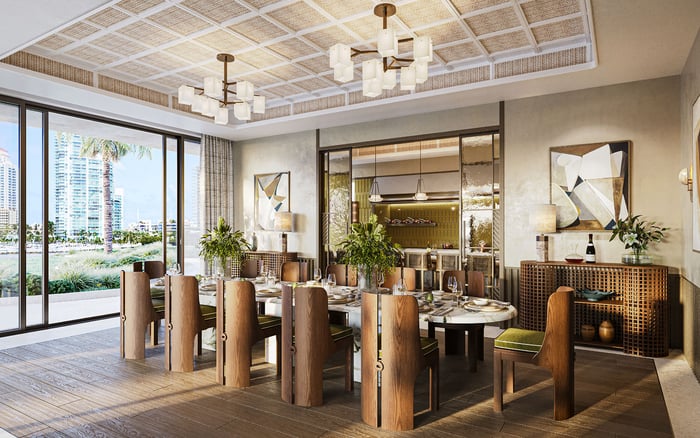
In amenity-rich towers, the building can reduce pressure on the kitchen through well-designed lounge and entertaining spaces. Still, the residence must work when the household chooses to stay in-which is often why multi-generational families select a condominium with strong services in the first place.
Arrival is where luxury becomes tangible-and where logistics start. For multi-generational households, the architecture of entry sets the tone for the entire home.
A private or semi-private elevator lobby is more than a status marker. It can be a practical decompression zone: space for strollers, packages, sports gear, and the daily inflow of household life. In the strongest buildings, the front door opens to a controlled sightline that doesn’t immediately expose bedrooms. That protects privacy as staff come and go, and it keeps entertaining composed.
In high-design destinations where the building’s identity is part of the lifestyle, residences such as 888 Brickell by Dolce & Gabbana speak to buyers who want design authorship and operational ease in the same address-a pairing that has become central for families managing complex schedules.
Even in very large residences, multi-generational living benefits from “third places” within the building. The goal isn’t to outsource family life; it’s to reduce friction.
The most useful amenity categories for multi-gen households include:
Quiet lounges that offer older parents a change of scenery-or a place for a tutor session when the residence is busy.
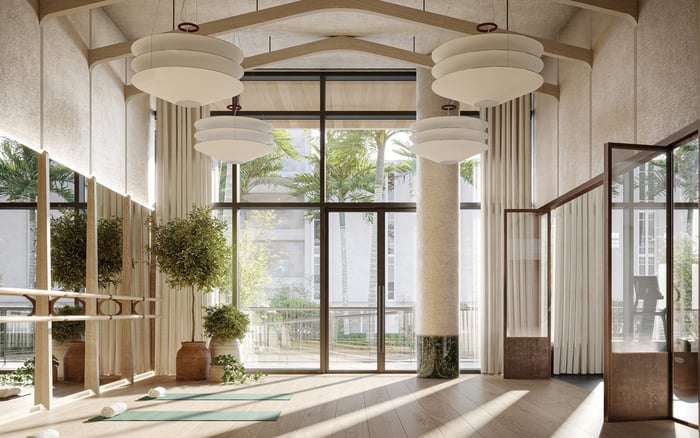
Fitness and wellness programs that create routine without requiring travel.
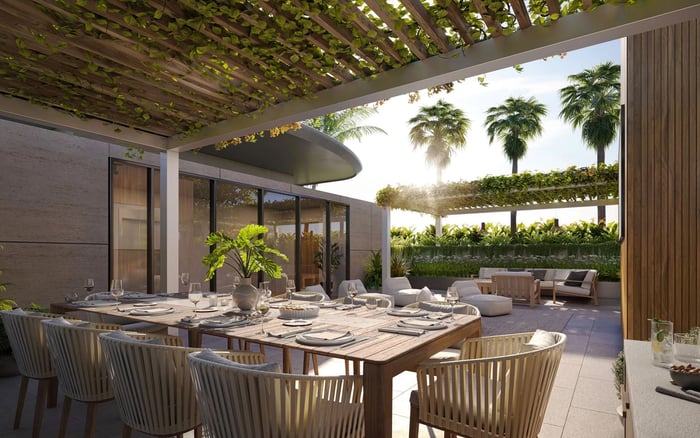
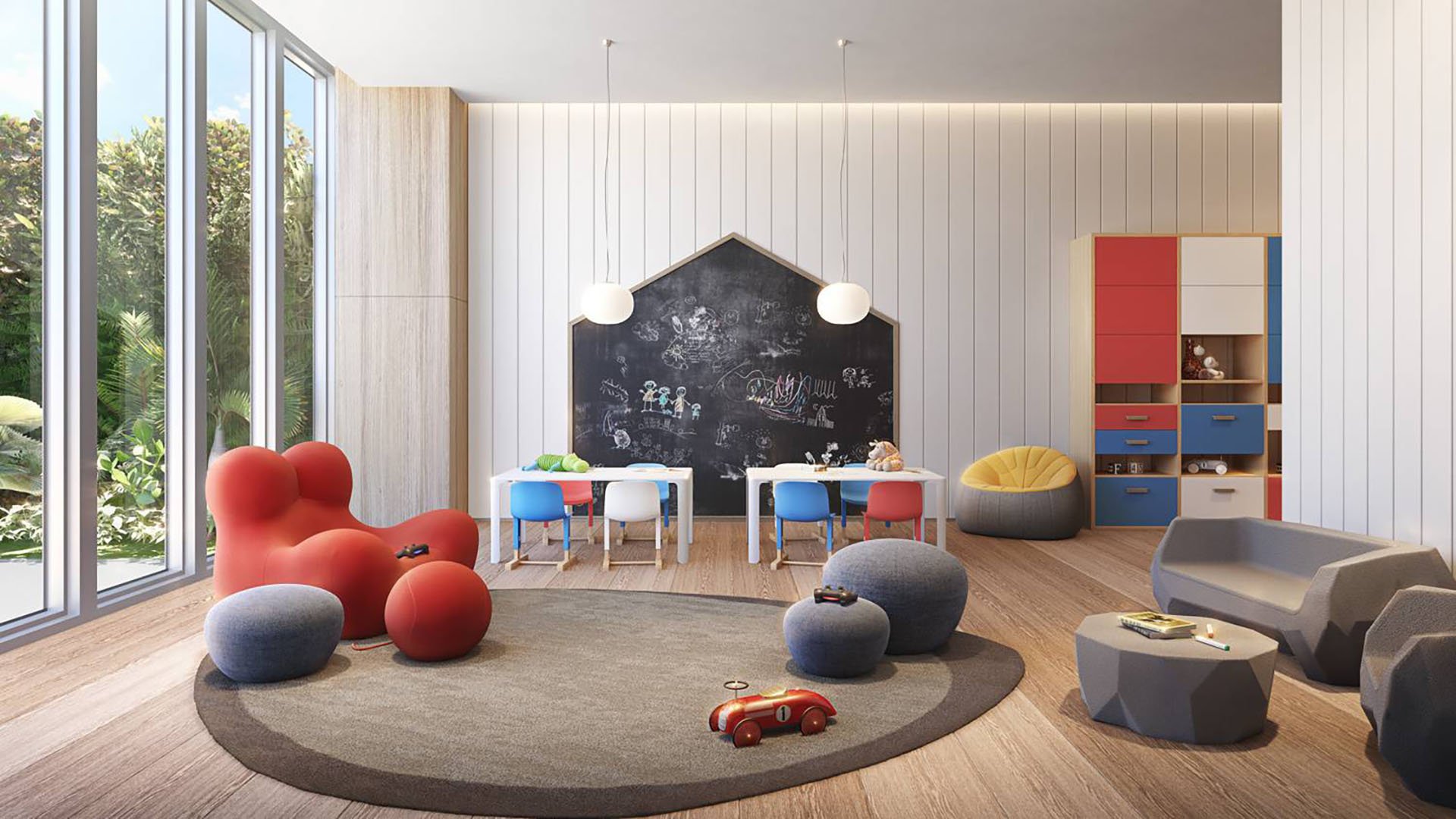
Outdoor areas where caregivers can supervise children without turning the living room into a playroom.
For buyers considering Bay Harbor Islands-a location that often appeals to those seeking a more residential pace while staying connected to the region-The Well Bay Harbor Islands aligns naturally with wellness-forward daily rhythms that support every generation.
Because the Research Pack and Fact Table do not specify individual buildings’ unit-by-unit configurations, treat multi-generational readiness as a planning conversation-not a brochure claim. In a private showing, focus on what you can verify in the space.
Walk the home in “day mode” and “night mode.” Where does noise travel? Which doors can close? Where would a nanny sleep-and can that room live like a real bedroom rather than a leftover corner? Where would a tutor work-and does that zone have light, storage, and a sense of calm?
Evaluate sightlines as well. When you open the front door, do you see directly into private spaces? Can staff move from laundry to bedrooms without crossing formal entertaining zones? When those answers are resolved thoughtfully, the architecture reads as effortless.
Finally, consider the neighborhood layer. In Miami Beach, for example, oceanfront living can support multi-generational harmony by making the outdoors an everyday extension of the home. Buildings like 2000 Ocean Hallandale Beach show how a coastal setting can shift daily routine outward, easing the intensity of shared interior space.
What makes a condo “multi-generational” in practice? A plan with real privacy separation-not just extra bedrooms-plus layouts that support multiple daily routines.
Is a nanny room the same as a guest room? Sometimes, but the strongest nanny rooms sit near children’s spaces and pair with a nearby bath without sacrificing discretion.
Where should a tutor work inside the residence? Ideally in a den or flex room near the children’s wing, with light and storage that keep the main living area clear.
Do split-bedroom plans actually matter? Yes. They reduce noise transfer and create autonomy for older parents and children without making the home feel disconnected.
How can I tell if a unit will be quiet enough? Look for buffer zones-closets and baths between bedrooms-plus doors that can close off family corridors.
What kitchen features help multi-generational households most? Strong circulation, a usable pantry, and clear landing zones so multiple people can prep or cook at once.
Are amenities important if the unit is large? Yes. Lounges and outdoor areas can absorb activity and give each generation space without leaving the building.
Does a private elevator lobby help beyond prestige? It can, by improving privacy at arrival and creating a practical staging zone for everyday household logistics.
Should older parents have a suite equal to the primary? If possible, yes. It supports long-term comfort and makes the arrangement feel intentional and dignified.
What is the biggest design mistake in multi-gen condos? Treating the den as an afterthought instead of placing study and staff functions where they genuinely support routines.
If you'd like a private walkthrough and a curated shortlist, connect with MILLION Luxury.
If branded residences are on your mind — as a home or as an allocation — we would be glad to share what we are seeing, privately.
Begin a quiet conversation