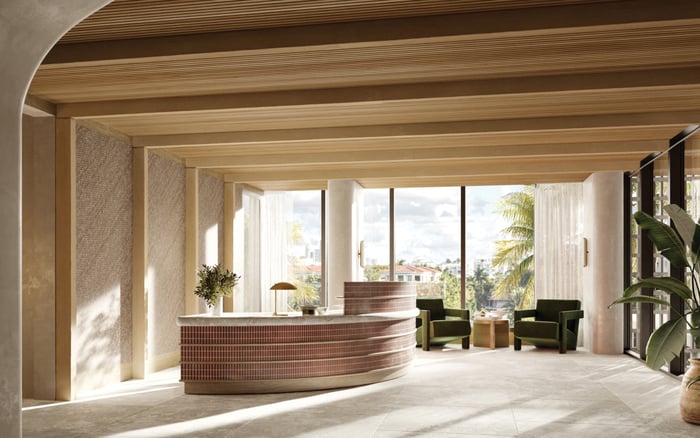
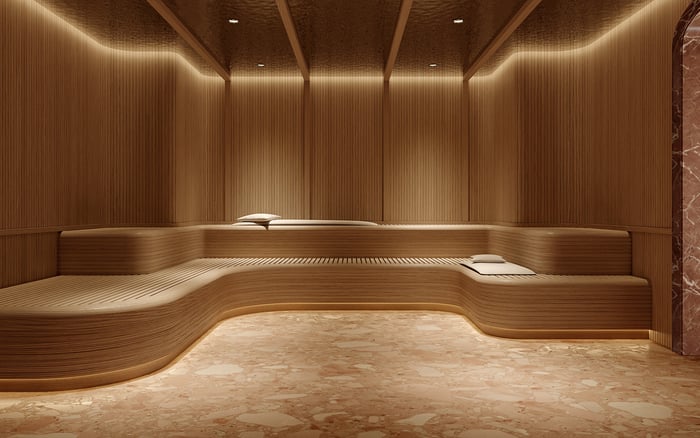
A buyer-oriented framework for assessing rooftop summer-kitchen value at Mila Bay Harbor Islands, with design, wind, heat, and code-minded considerations tailored to South Florida entertaining.
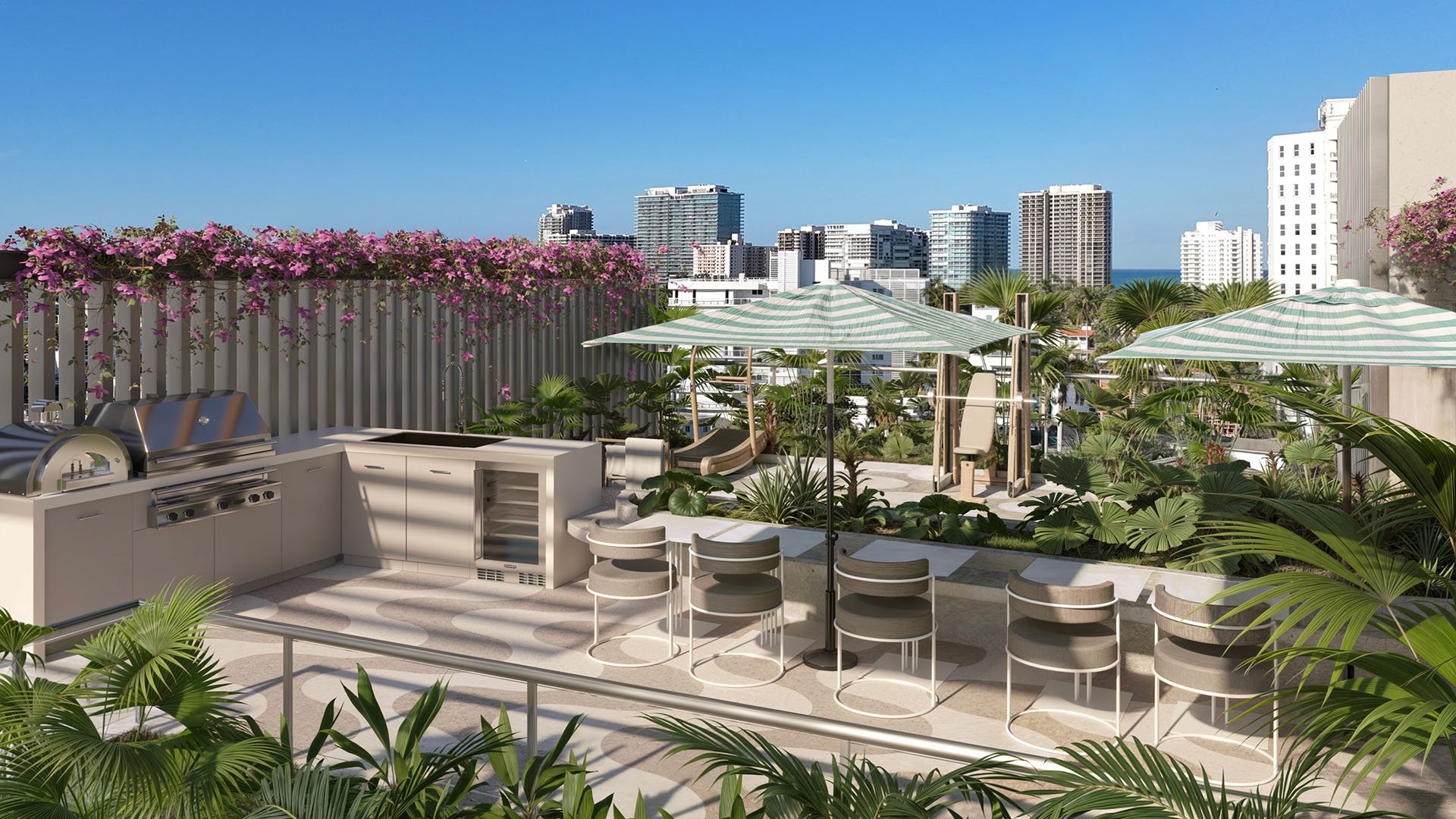
In Bay Harbor Islands, a rooftop summer kitchen is less a novelty than a lifestyle instrument: it turns a private terrace into a true entertaining room, with the sky as the ceiling and the waterline as the horizon. For buyers evaluating Mila Bay Harbor Islands, the nuance isn’t simply whether an outdoor kitchen exists-it’s whether the configuration is built for South Florida realities.
Rooftop cooking operates under harsher conditions than a sheltered balcony. Salt air, intense UV, abrupt summer squalls, and persistent wind expose weak planning quickly. The strongest setups anticipate these forces with quiet competence: outdoor-capable appliances, clearances that protect circulation, and details that make cleanup and service feel effortless.
Within Bay Harbor’s discreet scale, rooftop entertaining reads as a signature of modern luxury-akin in spirit to the daily-use lifestyle mindset buyers also explore at The Well Bay Harbor Islands, where programming is designed to be lived in, not merely admired.
Before debating grill brands or countertop finishes, assess the rooftop as a working mechanical environment.
Wind behavior.
Rooftops can turn a pleasant breeze into a cross-current that disrupts burners, pushes smoke toward seating, and makes flames unpredictable. A smart configuration places the grill so prevailing wind doesn’t cut directly across the cooking surface. If the terrace includes parapets, planters, or architectural fins, consider how they can act as wind baffles without enclosing the area.
Smoke management.
Outdoor kitchens still require deliberate venting logic. When a grill sits too close to sliding doors or operable windows, smoke can migrate indoors. Favor layouts that keep the “hot zone” downwind and away from primary doors-and that preserve a clean air path over and away from dining.
Heat and glare.
South Florida midday sun is unforgiving on both people and materials. A rooftop kitchen performs best when paired with a shade strategy: pergola coverage where allowed, retractable canopies, or a cooking wall positioned to benefit from afternoon building shade. If shade is limited, prioritize a configuration that lets the chef work without standing in full solar exposure.
Even if exact rooftop dimensions and appliance packages vary, these principles are non-negotiable for buyers who expect the space to feel effortless in July.
Most rooftop summer kitchens fall into a small set of archetypes. The right fit depends on how you host, how you move through the terrace, and how prominently you want cooking to sit within the social scene.
A straight run along a perimeter wall is the most common configuration because it protects the terrace’s central area for lounging and dining. It can also preserve the view corridor-especially when the cooking equipment reads as calm and integrated.
What to evaluate:
Confirm comfortable prep space on both sides of the grill so it functions like an interior cookline.
Ensure there’s a safe, immediate surface for hot trays adjacent to the cooktop.
Guests shouldn’t have to pass through the chef’s work triangle to reach seating or the pool.
This approach reads most refined when the elevation feels like cabinetry, not a lineup of standalone pieces.
An L configuration adds meaningful prep area and creates a natural “service corner” where beverages, plating, and trash management can stay contained. It also supports a bar ledge or pass-through zone without taking over the terrace.
What to evaluate:
Corners can become dead space if storage and access aren’t planned correctly.
Keep heat-producing appliances together; keep cold storage slightly offset so it isn’t fighting radiant heat.
An L can either frame a view or unintentionally create a visual barrier-the height and massing matter.
For buyers who host often but don’t want the feel of a full outdoor “room,” the L-shape is frequently the sweet spot.
A U or island configuration is the most interactive. It invites guests to perch nearby, increases countertop area, and can separate “cook” and “serve” zones. The trade-off is bulk: on a rooftop, an island can compete with lounge furniture and compress circulation.
What to evaluate:
You should be able to move around the island without shoulder-to-shoulder navigation.
Avoid seating directly in the smoke path.
Islands can conceal utilities, but they must remain serviceable.
In the right setting, it reads like a private chef’s counter under open sky. In the wrong setting, it becomes an obstacle.
Rooftop kitchens are only as strong as their infrastructure. Look beyond finishes and ask the practical questions that determine long-term ownership.
Gas vs. electric cooking.
Gas offers romance and responsiveness, while electric can be simpler depending on building constraints. Either way, the configuration should feel engineered: dedicated circuits for refrigeration, safe shutoffs, and routing that doesn’t announce itself across the terrace.
Water and drainage.
A sink is the unsung hero of any outdoor kitchen. If a sink is included, placement should support workflow-near prep, not stranded at the far end. Drainage needs to be robust; rooftop rain events aren’t occasional, they’re seasonal.
Waterproofing awareness.
A rooftop is a layered system-membrane, slope, drains, and finishes. Heavy outdoor-kitchen builds can become problematic if they aren’t coordinated with waterproofing and future access. The best configurations feel substantial without being reckless, with bases that allow inspection and repair without demolition.
Noise and vibration.
Refrigerator compressors and ice makers can be surprisingly audible in a quiet rooftop setting. A thoughtful layout positions noisy components away from the primary lounge zone.
These details are easy to miss during a quick tour, yet they’re exactly what makes a rooftop feel like a true extension of the residence rather than a seasonal accessory.
Because the Fact Table provided here does not specify Mila’s exact rooftop appliance package, the right approach is to evaluate what’s present through a durability lens.
Outdoor-rated, marine-friendly materials.
Favor stainless steel intended for exterior use, sealed stone or sintered surfaces that tolerate heat and UV, and hardware designed to resist corrosion. If you notice frequent caulk seams or exposed fasteners in splash zones, expect higher maintenance.
Countertop thickness and edge detail.
A thin, sharp edge can photograph well, but rooftops are hard on edges. Look for details that feel designed for real use, not just visual impact.
Integrated storage.
Deep drawers for grill tools, discreet trash pullouts, and protected paper-towel storage tend to matter more than an additional decorative niche.
Lighting.
Task lighting at the cookline is essential; ambient lighting should flatter faces and food. Note whether lighting is layered rather than relying on a single harsh fixture.
A rooftop kitchen that wears well is a real value driver, especially in a boutique coastal setting where owners expect quiet, turnkey performance.
Configuration isn’t only about the kitchen-it’s about the terrace as a sequence: arrival, lounging, dining, cooking, and retreat.
Keep the “wet and hot” zones disciplined.
Place the grill and sink so accidental splatter doesn’t compromise soft seating or rug zones.
Design for two modes: intimate and event-ready.
The best rooftops feel easy for two people on a Tuesday and equally prepared for a larger gathering. An outdoor kitchen that forces you to overfurnish the terrace just to make it feel complete is a warning sign.
Respect the view.
Buyers in Bay Harbor often value water and skyline perspectives. Avoid configurations that introduce tall appliance towers or bulky hoods into the view corridor. A low, linear run typically preserves the horizon line.
For a useful comparison in the neighborhood’s broader design conversation, consider how newer Bay Harbor offerings like Origin Bay Harbor Islands and Onda Bay Harbor position amenity and lifestyle spaces as curated, day-to-day environments rather than occasional showpieces.
On tour, treat the rooftop kitchen the way you’d evaluate an interior kitchen: walk it, stage it mentally, and test the ergonomics.
Where does smoke go? Where would you set a platter? Where do guests naturally gather?
Do doors and drawers clear corners cleanly, or do they clash with handles and edges?
At the time you tour, imagine the sun two hours later. Is there a plan for comfort?
Is there a discreet place for trash, recycling, and spare propane if applicable?
Can diners converse with the cook without clustering in the danger zone?
In a luxury rooftop setting, pleasure comes from choreography. The configuration either supports that flow-or interrupts it.
What rooftop kitchen layout is easiest to maintain? A linear wall layout typically involves fewer seams and simpler utility runs, which can reduce long-term maintenance.
Is an outdoor sink truly necessary? For frequent hosting, a sink meaningfully improves workflow and cleanliness, especially for prep and quick rinsing.
How do I know if wind will be a problem on the roof? Stand at the grill location and observe cross-breezes; wind baffles and smart placement can solve most issues.
Should the grill be near the dining table? Close is convenient-unless smoke drifts into seating. Prioritize comfort over proximity.
What countertop surfaces perform best outdoors? Durable, UV-stable, heat-tolerant surfaces with sealed edges generally hold up best in rooftop conditions.
Is bar seating at the island a good idea? It can be excellent if it’s positioned outside the smoke path and doesn’t compress circulation.
How important is task lighting at the cookline? Very important, since rooftop dinners often run after sunset and safety depends on clear visibility.
Can rooftop kitchens create issues with waterproofing? They can if the build blocks access or adds weight without planning; thoughtful bases and access points help.
What’s the most buyer-friendly configuration for entertaining? An L-shape often balances prep space, guest interaction, and clean traffic flow.
How should I compare Mila’s rooftop experience to other local projects? Focus on comfort, circulation, and durability details-not just appliance count or visual impact.
When you're ready to tour or underwrite the options, connect with MILLION Luxury.
If branded residences are on your mind — as a home or as an allocation — we would be glad to share what we are seeing, privately.
Begin a quiet conversation