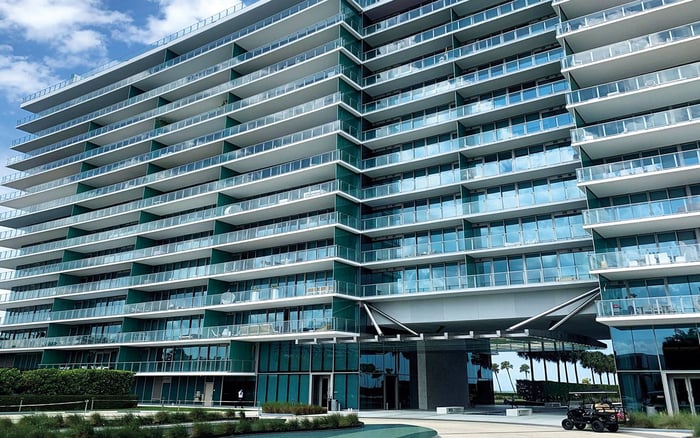
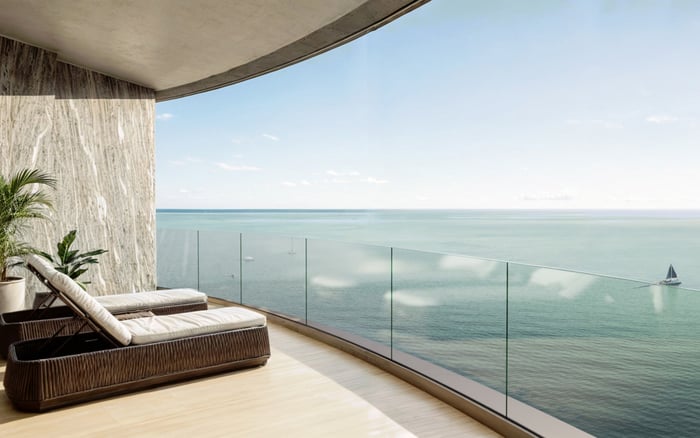
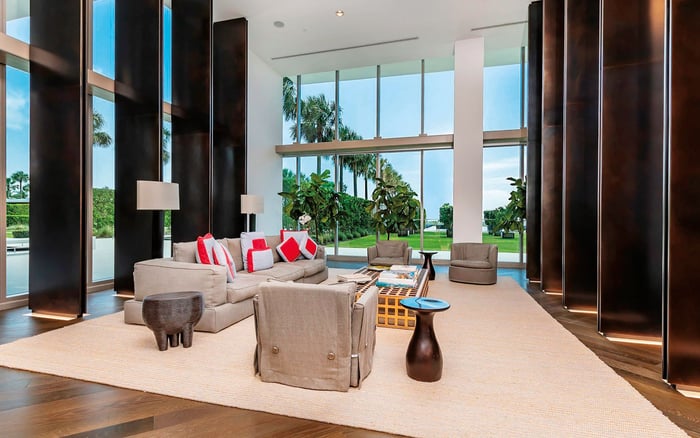
A buyer’s comparison of how marina life actually works from two of South Florida’s most coveted oceanfront addresses, with an emphasis on day-to-day access, routes, and practical boating considerations.
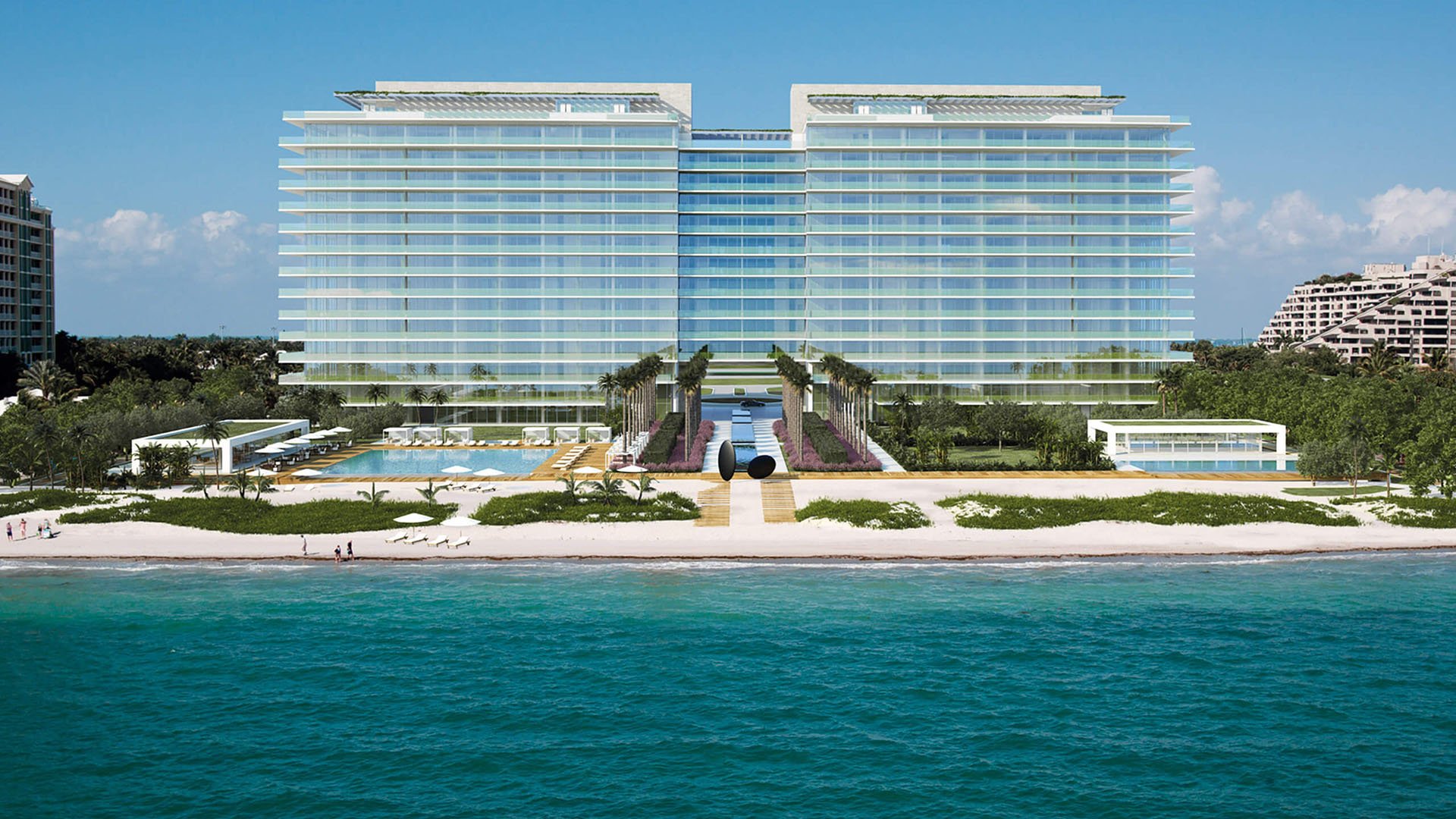
For waterfront buyers, “marina access” is often reduced to one question: how close is the nearest slip? In reality, it’s a layered mix of routes, rules, and everyday friction points that either supports a spontaneous boating life-or quietly disincentivizes it.
When comparing Oceana Key Biscayne with Oceana Bal Harbour, the decision is less about which is “more nautical” and more about which boating pattern you intend to live. Key Biscayne tends to favor residents who prioritize protected-water cruising, sandbar days, and the social orbit of Biscayne Bay. Bal Harbour is often more compelling for owners who want a direct relationship with the Atlantic, a quicker run to open water once you clear the inlet, and the energy of the northern Miami Beach corridor.
Because private slips, dock assignments, and storage arrangements can change over time-and are not guaranteed simply by owning in a given building-the most effective approach is to evaluate each address through the same buyer lens: where does the boat live, how do you reach it, and what does the first 30 minutes on the water actually feel like?
Key Biscayne’s appeal for boaters is its proximity to Biscayne Bay-and the kind of boating many residents realistically do during the week: quick sunset runs, short hops to waterfront dining, and low-drama cruising in comparatively protected water. That rhythm matters. If you expect to use the boat frequently, the goal isn’t just a “boating weekend,” but a boating Tuesday.
From an owner’s perspective, island living also creates a tighter loop between home, beach, and water. The arrival experience is calmer, and that can translate into more consistent vessel use. In other words, the lifestyle makes the boating habit easier to keep.
The trade-off is that protected-water boating can require more navigation steps: slow zones, channel awareness, and the practical choreography of transitioning from bay cruising to true offshore running. Buyers who picture daybreak offshore fishing runs or long ocean legs may prefer a home base that is psychologically and geographically oriented toward the Atlantic.
If you love the bay lifestyle but want a distinctly “yacht-forward” residential mindset elsewhere in the same general ecosystem, it’s worth keeping a parallel eye on neighborhoods that explicitly speak to boaters and waterfront owners. For example, Aston Martin Residences Downtown Miami attracts buyers who like the idea of being steps from a high-density urban core while still thinking in nautical terms.
Bal Harbour’s boating identity reads differently: less “island bay retreat,” more “oceanfront perch with polished proximity.” The appeal is tied to a refined, walkable luxury ecosystem, and that context shapes how many owners use a boat. Here, boating can feel like one element in a broader schedule-shopping, dining, entertaining-then choosing the water when it fits.
The practical advantage is clarity of orientation. Owners who want the Atlantic as their default backdrop often prefer being closer to the energy and infrastructure of the northern Miami Beach corridor. If your boating life revolves around open-water runs, offshore fitness cruises, or simply the feeling of being “on the ocean” even when you’re not aboard, that posture can be decisive.
The trade-off is that ocean-adjacent boating often depends on your relationship to inlets and the day’s sea state. The water can be exhilarating-and at times demanding. Your tolerance for that, along with your vessel type, should inform the real estate decision.
In the same north-beach context, some buyers compare Bal Harbour not only to Key Biscayne but also to a wider set of oceanfront options with similar coastal energy. For a different expression of modern oceanfront living, 57 Ocean Miami Beach is frequently part of the conversation when the priority is a clean, contemporary beach lifestyle with a strong relationship to the Atlantic.
The most useful way to compare Oceana Key Biscayne and Oceana Bal Harbour isn’t to declare one “better,” but to define what “accessible” means for your household. Use these five questions as your decision framework.
For many luxury owners, the boat isn’t stored at the building-even if the building is waterfront. It may be kept in a nearby marina, on a lift, or managed through a service arrangement that handles fueling and basic readiness. The practical impact is time-to-boat: the minutes from lobby to helm.
Key Biscayne’s boating culture often supports a tighter “short loop” routine, which can make that time feel more predictable. Bal Harbour can be just as efficient, but the best setup depends heavily on where your slip is secured and how you prefer to stage.
This is the most candid divider. Some owners want the calm confidence of protected water: easy cruising, social anchoring, and less variability in ride feel. Others want the Atlantic immediately-even if that means more day-to-day variability.
Oceana Key Biscayne aligns naturally with the former. Oceana Bal Harbour aligns naturally with the latter. Neither is inherently superior; they’re simply different definitions of “easy.”
Spontaneity is the currency of a true boating lifestyle. If your route out requires a complex sequence of slow zones and precise channel navigation, you may still boat often-but your mindset shifts. The trip becomes an activity rather than an impulse.
Protected-water routes can be more rule-driven even when conditions are calm. Ocean-oriented routes can feel simpler once you’re clear, but can require patience at choke points. Your comfort with either type of friction matters more than raw distance.
Entertaining favors predictability: stable conditions, easy anchoring, and routes that keep guests comfortable. Performance boating favors open water and fewer constraints once underway.
Key Biscayne’s identity generally suits entertaining and social boating patterns. Bal Harbour can be excellent for entertaining as well, but it tends to attract owners who value the Atlantic’s scale and the feeling of “real ocean” on tap.
Ultra-premium ownership often includes staff, service providers, or a concierge-style arrangement. Even exceptional access loses value if the vessel isn’t consistently maintained, flushed, fueled, and ready. Consider the service ecosystem you’ll rely on, and whether you prefer a hands-on relationship with the boat or a managed one.
If you’re considering new-construction urban towers with a similarly managed-luxury sensibility, 2200 Brickell is the type of residential product that resonates with buyers who want a refined, curated lifestyle and are comfortable outsourcing operational details.
Buyers often model boating around the perfect Saturday. The more revealing test is the weekday.
On weekends, both areas can feel equally workable because you’re willing to invest time: you plan ahead, accept traffic on land and on water, and build the day around the boat. On weekdays, the winner is the location that reduces decision fatigue. Key Biscayne often performs here because the island lifestyle can make the routine feel slower, more residential, and more intuitive.
Bal Harbour, by contrast, can shine when your schedule is social and dynamic. If you like the idea of a last-minute dinner plan that begins on the water and ends steps from world-class retail and dining, the Bal Harbour orbit is difficult to replicate.
Choose Oceana Key Biscayne if:
You want protected-water cruising to feel like the default.
You prioritize a quieter residential cadence where boating becomes habitual.
Your boating life is social, relaxed, and oriented to bay days.
Choose Oceana Bal Harbour if:
You want an oceanfront posture and prefer the Atlantic’s scale.
You see boating as part of a broader luxury schedule, not the entire day.
You like the north-beach ecosystem and its polished proximity.
And if you’re cross-shopping beyond these two submarkets, it can be useful to consider other oceanfront experiences that deliver a different balance of privacy, architecture, and shoreline presence. In Broward, Auberge Beach Residences & Spa Fort Lauderdale is often considered by buyers who want a resort-caliber coastal lifestyle with a distinct, design-led identity.
Marina accessibility isn’t a single feature. It’s a system: where the boat is berthed, how you reach it, how the water behaves the moment you leave, and how that routine integrates with your life.
Oceana Key Biscayne tends to reward owners who want protected-water ease and an island rhythm that supports frequent, low-friction outings. Oceana Bal Harbour tends to reward owners who want an oceanfront orientation, a north-beach luxury orbit, and the Atlantic as the default canvas.
Decide based on your boating profile, not the marketing concept of “waterfront.” The right answer is the one that makes you use the boat more.
Does either Oceana property guarantee a private boat slip for every owner? Not necessarily; slip access can depend on availability, policies, and third-party arrangements.
Which location is better for protected-water cruising? Oceana Key Biscayne generally aligns more naturally with Biscayne Bay style boating.
Which location feels more oriented to offshore ocean runs? Oceana Bal Harbour typically suits buyers who want the Atlantic as the default backdrop.
Is “marina access” mostly about distance? Distance matters, but routes, wake zones, and staging time often matter more day to day.
Should I choose based on weekend boating plans? Weekday usability is the better test because it reveals whether boating becomes habitual.
What if I plan to hire a captain or management service? Then evaluate how easily a service team can stage the vessel and keep it ready to go.
Is entertaining easier in calmer water? Often yes; protected water tends to be more comfortable for guests and casual cruising.
Can I own in one area and keep my boat somewhere else? Yes; many owners separate residence and berth if the marina arrangement is stronger.
Do different boat types change the decision? Yes; draft, height, and comfort in open water can shift which location feels “easier.”.
What is the simplest way to compare the two? Time your full door-to-dock routine, then do a test run during typical busy conditions.
To compare the best-fit options with clarity, connect with MILLION Luxury.
If branded residences are on your mind — as a home or as an allocation — we would be glad to share what we are seeing, privately.
Begin a quiet conversation