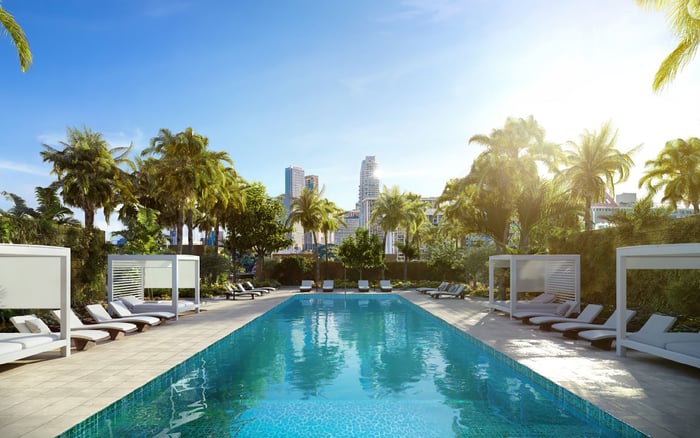
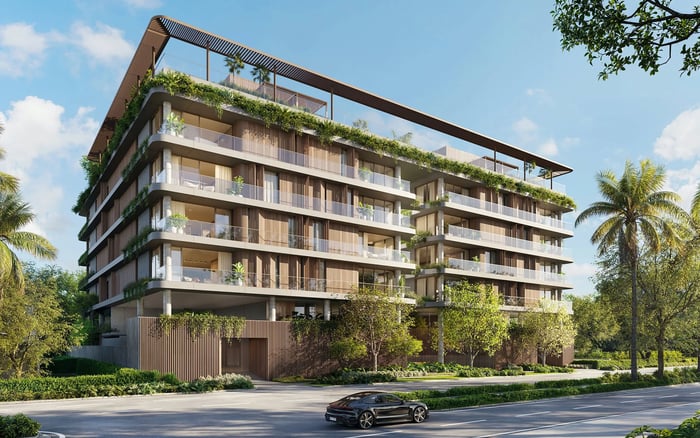
Rooftop infinity pools have become a shorthand for status in South Florida, but true exclusivity is more nuanced than a dramatic edge and a postcard view. This MILLION Luxury editorial evaluates what makes the rooftop experience at ORA by Casa Tua Brickell feel genuinely rare, and how discerning buyers can separate design theater from enduring value.
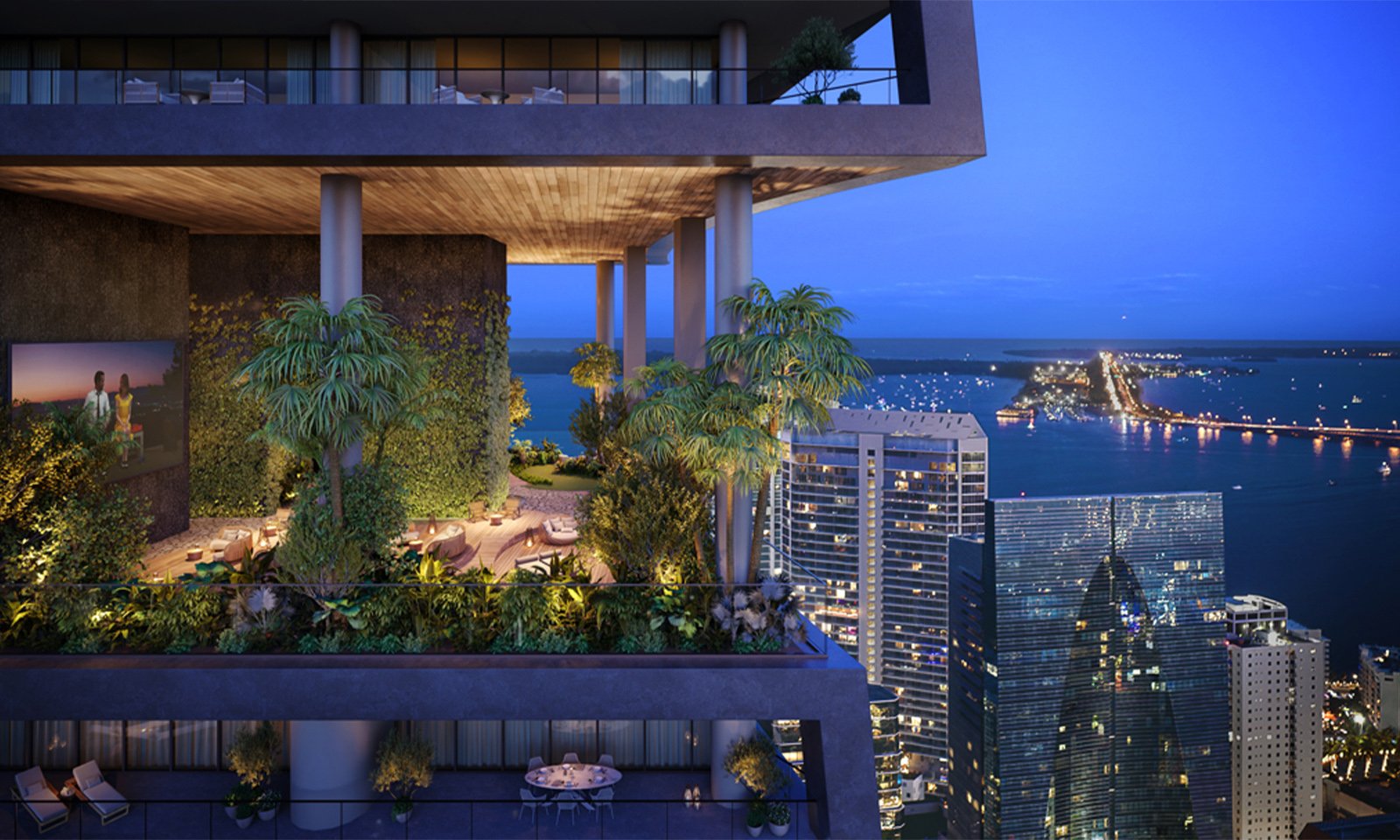
In Brickell, a rooftop infinity pool is more than a place to swim. It’s a visible statement about elevation, vantage, and a very specific kind of privacy: being “in” the skyline without being consumed by it. As luxury towers compete on wellness and hospitality cues, the rooftop becomes the ultimate stage. The edge disappears, the city takes its place as backdrop, and residents experience the view on their own terms.
Still, exclusivity is rarely created by the pool itself. True rarity is defined by who can access the space, when they can access it, and how the building protects the experience from friction. In evaluating ORA by Casa Tua Brickell, the most consequential questions go beyond the view. They hinge on operational intent, resident density at peak hours, and the quiet design decisions that make a rooftop feel like a private club instead of a public deck.
Brickell has no shortage of ambitious amenity narratives. What separates an enduring address from a fleeting headline is whether the rooftop is backed by a coherent lifestyle concept across the entire property. That is where ORA’s positioning-and Brickell’s broader competitive set, including Cipriani Residences Brickell and Baccarat Residences Brickell-becomes relevant: buyers aren’t just purchasing a view; they’re underwriting an environment.
Buyers often describe exclusivity as a feeling, but it shows up in practical, observable ways.
First is access control. A rooftop can look cinematic in renderings, but if it functions as a high-traffic gathering zone-with frequent guests, events, or unclear rules-the experience can dilute quickly. Exclusivity rises when entry is clearly resident-focused, visitor policies are specific, and circulation prevents the deck from turning into a corridor.
Second is spatial separation. The strongest rooftops read as a sequence of micro-environments rather than a single exposed slab: a calmer sunbathing zone, a social zone that can feel energetic without becoming loud, and shaded retreat areas that stay comfortable through mid-day heat. Here, thoughtful programming matters as much as square footage.
Third is service culture. South Florida’s most coveted rooftops are rarely self-service in real life, even when the building is not a hotel. When staff presence is discreet yet consistent, towels, seating, and food-and-beverage rhythms feel effortless. Without that discipline, even a dramatic infinity edge can feel transactional.
Finally, exclusivity is shaped by what you don’t immediately notice: finishes that hold up, wind mitigation that keeps furniture and umbrellas stable, and acoustic choices that protect conversation. These details are easy to overlook during a tour-and decisive once the novelty fades.
ORA by Casa Tua Brickell is marketed around a lifestyle sensibility that signals hospitality-minded living. In Brickell-where residences can blur into a portfolio of brands-this matters because the rooftop is often the amenity most exposed to direct comparison. Buyers drawn to skyline views are typically buying a daily ritual: early light over the city, a midday reset, or a late-afternoon swim as the skyline turns reflective.
A skyline-view rooftop also carries a specific risk: it can become too performative. When a deck is designed primarily for photography, comfort can fall behind. The right test, then, isn’t whether the view is impressive-it’s whether the rooftop is designed for repeat use.
For prospective residents, a simple way to audit the rooftop infinity pool experience is to ask: Where do you sit when the wind is up? Where do you go when the sun is harsh? Where can you talk without competing with music? When a rooftop delivers credible answers, the view becomes more than scenery-it becomes a livable asset.
Infinity pools are inherently theatrical, but the best ones operate as quietly controlled environments. A few design traits consistently correlate with a more exclusive day-to-day experience.
Orientation and edge logic matter. An infinity edge that frames the skyline can be powerful, but it works best when the “best view” isn’t confined to a single strip of seats. A well-composed rooftop distributes the premium experience across multiple vantage points.
Shade is not optional in Miami. Luxury buyers should look for integrated shade strategies-architectural canopies, pergolas, or recessed lounges-that read as intentional architecture, not temporary fixes. When shade feels like an afterthought, the rooftop often becomes seasonally underused.
Material choices influence perceived calm. Stone underfoot, tactile surfaces that stay cooler, and hardware that doesn’t rattle in wind all contribute to a more refined atmosphere. The reverse is equally true: lightweight furniture, shiny finishes, and overly reflective glazing can push the rooftop toward an event-venue feel.
Finally, circulation should protect stillness. The most private rooftops avoid forcing residents to cut through prime seating to reach elevators, restrooms, or indoor lounges. When the path is separated from the place, the difference is immediate.
Exclusivity is often won-or lost-during peak hours. In Brickell, those windows are predictable: weekend late mornings, late afternoons, and social evenings. A rooftop infinity pool can feel remarkably private at 9:00 a.m. and unexpectedly busy at 4:00 p.m.
The primary tool for protecting the experience is policy. Guest rules, reservation practices for cabanas or prime seating, and any event allowances need to work as one coherent system. Buyers should ask not only what the rules are, but how they’re enforced. In a high-value building, enforcement should feel consistent-not confrontational.
It’s also worth evaluating how the rooftop fits within the broader amenity stack. When a building offers multiple destinations, residents naturally disperse. When the rooftop is the only true social magnet, demand concentrates. This is part of why buyers compare lifestyle ecosystems across the neighborhood, including newer offerings like 2200 Brickell and design-forward concepts such as Mercedes-Benz Places Miami.
“Skyline view” can mean different things depending on height, orientation, and surrounding development. For rooftop infinity pools, the experience isn’t only about what you see-it’s about how you feel while seeing it.
Wind comfort is the overlooked variable. Rooftops can be breezy in ways lower amenity decks are not. If wind exposure isn’t managed, residents may retreat indoors more often than expected. Ask whether there are wind screens, recessed zones, or sheltered seating that remains usable in most conditions.
Lighting also reshapes perception. Brickell’s nighttime skyline can be spectacular, but a rooftop that’s over-lit can flatten the mood and reduce privacy. A more exclusive ambiance typically comes from layered lighting: enough for safety, with softer zones for dining or conversation.
Finally, consider sightlines back into the building. If surrounding towers can look directly onto the rooftop, the space may feel less private at the moments you want it to feel most rare. In a dense core this isn’t always avoidable, but thoughtful landscaping and layout can soften the effect.
A rooftop infinity pool can support long-term value, but only when it aligns with the building’s brand promise and operating reality.
When it enhances value: the rooftop reads as a signature feature residents use frequently, it’s supported by a broader amenity and wellness program, and it’s maintained to a standard that feels consistent year after year. In these cases, the rooftop becomes part of the building’s identity-and that can strengthen buyer demand over time.
When it does not: the rooftop is beautiful but impractical, rules feel unclear, or maintenance appears inconsistent. A rooftop that photographs well but frustrates in daily life can become a negative talking point in resale conversations.
For second-home buyers, the rooftop can be even more decisive. With limited time in Miami, amenities need to deliver quickly and reliably. A roof deck that requires planning, reservations, or strategic timing to feel pleasant may fall short of an “arrive and exhale” standard.
Brickell buyers often cross-shop buildings because the neighborhood’s convenience is consistent, but the lifestyle expression is not. A clean approach is to compare rooftops through three discreet lenses.
First, the arrival sequence. Does the rooftop feel like a destination with a composed entry, or like an afterthought at the top of a tower? A sense of arrival strongly correlates with perceived exclusivity.
Second, the ratio of social to serene space. Some buyers want a rooftop that can feel lively; others want it quiet. The most compelling rooftops deliver both-without conflict.
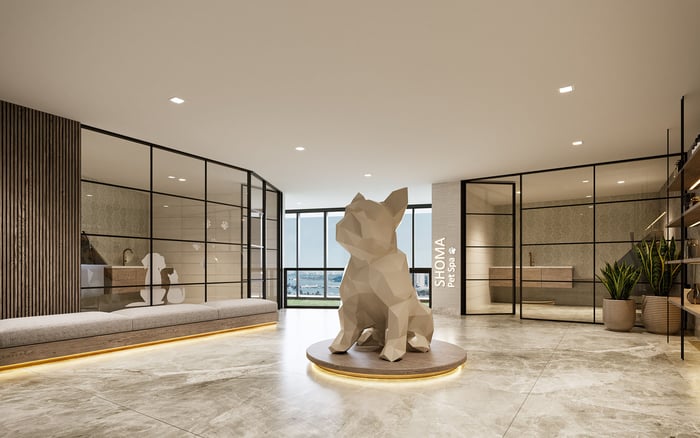
Third, the indoor-outdoor continuity. A rooftop paired with an indoor lounge, spa-like changing areas, or shaded interiors tends to be used more often, and used more comfortably. The skyline becomes an extension of daily living, not a special-occasion feature.
Against that framework, ORA by Casa Tua Brickell can be evaluated within a broader Brickell narrative: residences aiming to deliver a hospitality-leaning atmosphere without giving up the privacy that makes ownership meaningful.
What makes a rooftop infinity pool feel truly exclusive? Consistent access control, thoughtful zoning, and service standards matter more than the edge detail.
Are skyline-view rooftops always windier than lower pools? Often yes, which is why sheltered seating and wind mitigation are key to daily comfort.
How can buyers assess privacy before moving in? Ask about guest policies, event allowances, and whether there are reserved or quiet zones.
Does a rooftop pool improve resale value in Brickell? It can, when it is well maintained, frequently usable, and aligned with the building’s identity.
What should I look for beyond the view itself? Shade strategy, acoustic comfort, circulation, and night lighting determine how livable it feels.
Is a rooftop pool better for entertaining than a terrace? It depends on your style; rooftops are social, while private terraces can offer quieter control.
How important is staff presence on a rooftop deck? Discreet staffing supports cleanliness, order, and a calm atmosphere, especially at peak times.
Can rooftop amenities feel crowded even in luxury buildings? Yes, particularly on weekends, unless design and policies distribute residents across spaces.
Should I prioritize a rooftop infinity pool if I am a second-home buyer? Prioritize amenities that deliver reliably on short stays, including comfort in heat and wind.
What is the smartest way to compare Brickell rooftops? Compare arrival sequence, serenity versus social balance, and indoor-outdoor continuity.
If you'd like a private walkthrough and a curated shortlist, connect with MILLION Luxury.
If branded residences are on your mind — as a home or as an allocation — we would be glad to share what we are seeing, privately.
Begin a quiet conversation