A buyer-focused comparison of Banyan Tree Residences West Palm Beach and Oceana Bal Harbour through wellness operations, spa access, amenity crowding, and long-stay livability.
For South Florida’s highest-end buyers, wellness has evolved from a lifestyle amenity into a core underwriting question. The appeal is clear: a residence that supports longer stays, anchors daily routine, and delivers spa-caliber recovery without requiring a resort check-in. Yet the more sophisticated question is not whether a building markets wellness. It is whether the experience functions elegantly on a Tuesday morning in February, when the property is full, guests are visiting, and residents expect the discretion of a private club.
That is the useful lens for comparing Banyan Tree Residences West Palm Beach and Oceana Bal Harbour. One side of the conversation centers on a wellness-branded or wellness-positioned concept that buyers should examine through operating documents and deliverables. The other is an established oceanfront condominium community in Bal Harbour, where diligence can focus more directly on how amenities are actually used.
For search context, this is a West Palm Beach versus Bal Harbour decision. For serious buyers, it is also a question of certainty. Is the wellness program a future operating promise, or is it an observable residential ecosystem with resident patterns, maintenance history, and real seasonal rhythms?
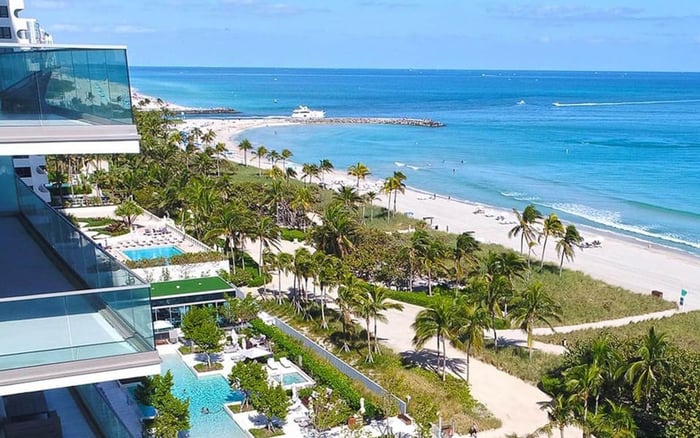
Oceana Bal Harbour is best understood as an established oceanfront condominium community rather than a hotel-branded residence. Its wellness proposition is resort-caliber, but it is not framed around a dedicated third-party wellness operator. That distinction matters. Buyers are not underwriting a hospitality brand’s programming calendar so much as a place-based residential lifestyle built around the beach, pools, fitness, spa, architecture, and art.
Because the community is completed and occupied, a buyer can ask different questions than one would ask of an emerging project. The evidence is not limited to renderings, sales language, or future staffing assumptions. It can include amenity usage, service consistency, common-area upkeep, arrival experience, guest movement, and seasonal density. For an owner who plans to spend meaningful time in residence, that empirical quality can be valuable.
Oceana’s wellness experience is also distinctly beach-centric. Oceanfront ownership changes the rhythm of a day: morning walks, swim routines, outdoor recovery, and an easier relationship with natural light and salt air. Beach access is not simply an amenity bullet. For long-stay owners, it becomes part of the home’s daily operating system.
Banyan Tree Residences West Palm Beach belongs in the diligence conversation because buyers are increasingly comparing West Palm Beach wellness propositions with Miami-Dade’s more established oceanfront condominiums. The key is restraint. Unless a specific operating feature has been disclosed in binding documents, a buyer should treat it as a point to verify rather than a settled fact.
The first question is the final spa and wellness operator. A name on a concept board matters less than the entity responsible for hiring, training, programming, inventory, hours, treatment standards, and resident priority. If a project promises a branded sensibility, buyers should ask where that promise appears: in marketing language, condominium documents, management agreements, budget schedules, or enforceable service standards.
The second question is access. Will the spa be resident-only, open to guests, connected to hotel use, or subject to outside membership? If non-resident traffic is possible, the value proposition changes. A serene wellness facility can feel very different if treatment rooms, locker areas, thermal circuits, elevators, or valet operations are serving multiple user groups.
The third question is cost. Brand fees, staffing obligations, replacement reserves, and HOA commitments can all shape the ownership experience. A wellness residence can be exceptional, but only if the economics are transparent and the service model is durable.
Spa traffic is one of the most revealing due-diligence categories in luxury condominium buying. It forces the buyer to look beyond finishes and ask how a building behaves when demand concentrates. How many residents are likely to request treatments during peak season? How many guests may accompany them? What is the booking window? Are owners prioritized over renters, guests, or outside users? Are treatment rooms sufficient for the number of residences and likely usage patterns?
At Oceana Bal Harbour, these questions can be directed toward current operations. Buyers can investigate resident demand, guest access rules, appointment capacity, and peak-season crowding. That is a meaningful advantage over a purely future-tense project because the answers can be grounded in lived conditions.
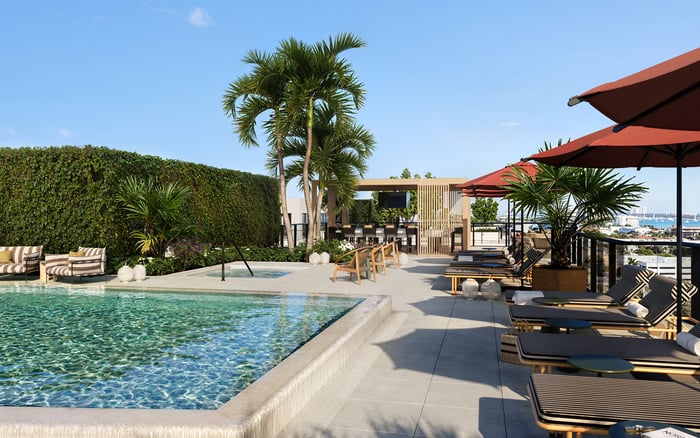
Pool dynamics deserve the same seriousness. In South Florida, the pool deck often carries the social load of the building. It is where privacy, service, sunlight, family use, guest behavior, and seasonal crowding converge. A beautiful pool that is undersized for resident habits can become a recurring friction point. A well-managed pool with thoughtful service rules can become the emotional center of long-stay ownership.
A residence can impress during a showing and still prove imperfect for a four-month stay. Long-stay livability depends on the invisible systems: elevator performance, valet discipline, package handling, maintenance response, reserves, cleaning standards, security tone, staff continuity, and the association’s willingness to protect quiet enjoyment.
Oceana Bal Harbour may appeal most to buyers who prioritize immediate use, oceanfront location, and proven condominium operations. Its established status allows buyers to examine HOA operations, maintenance history, amenity upkeep, beach logistics, and seasonal population swings. Those items are not glamorous, but they are often the difference between a trophy purchase and a home that remains effortless year after year.
For an art-oriented, oceanfront-focused owner, Oceana’s setting and residential character may feel more aligned with the desire for permanence. It is not merely about spa treatments. It is about whether the building supports an elegant life at home, with wellness emerging from place, routine, and consistency.
The comparison is not a simple contest between newness and establishment. It is a question of risk preference. Banyan Tree Residences West Palm Beach may attract buyers who want to be early in a wellness-forward West Palm Beach narrative, provided they verify the final operating details before assuming the lifestyle will match the brand expectation.
Oceana Bal Harbour offers a different form of confidence. Its value is not the novelty of a new concept, but the ability to study what already exists. A buyer can visit in season, watch amenity movement, ask about guest rules, review association materials, and test whether the experience feels private at full occupancy.
The strongest buyers will separate aesthetics from operations. They will ask what is guaranteed, what is discretionary, what is budgeted, and what happens when demand peaks. In the ultra-premium market, wellness is no longer just a steam room or a treatment menu. It is the choreography of privacy, staffing, access, and everyday ease.
Is Oceana Bal Harbour a hotel-branded residence? No. It is positioned as an established oceanfront condominium community rather than a hotel-branded residence.
How should buyers evaluate wellness at Oceana Bal Harbour? Buyers should focus on actual amenity operations, resident usage patterns, guest rules, and peak-season performance.
What makes Oceana Bal Harbour relevant for long-stay owners? Its completed and occupied status allows buyers to assess livability through existing operations, upkeep, and seasonal rhythms.
What should Banyan Tree Residences West Palm Beach buyers verify first? They should verify the final spa operator, resident access rights, booking priority, brand fees, HOA obligations, and service standards.
Why does spa traffic matter in a luxury condominium? Spa traffic affects privacy, appointment availability, locker-room comfort, elevator movement, and the overall sense of calm.
Is beach access part of a wellness analysis? Yes. For many South Florida owners, beach access supports daily movement, outdoor recovery, and a more natural long-stay routine.
What HOA items matter most for long-stay livability? Reserves, maintenance history, amenity upkeep, staffing consistency, guest rules, and seasonal management all deserve close review.
Who may prefer Oceana Bal Harbour? Buyers prioritizing immediate use, oceanfront living, art-oriented surroundings, and proven condominium operations may find it compelling.
Who may prefer a newer wellness-branded project? Buyers who value new construction and are comfortable verifying future operations may consider that path if documents support the promise.
What is the most important diligence takeaway? Wellness should be evaluated as an operating system, not merely as a brand phrase or amenity description.
If you'd like a private walkthrough and a curated shortlist, connect with MILLION.
If branded residences are on your mind — as a home or as an allocation — we would be glad to share what we are seeing, privately.
Begin a quiet conversation