Concierge staffing is often treated as a finishing touch, yet it can influence privacy, daily ease, resale confidence, and the true cost of ownership in South Florida luxury residences.

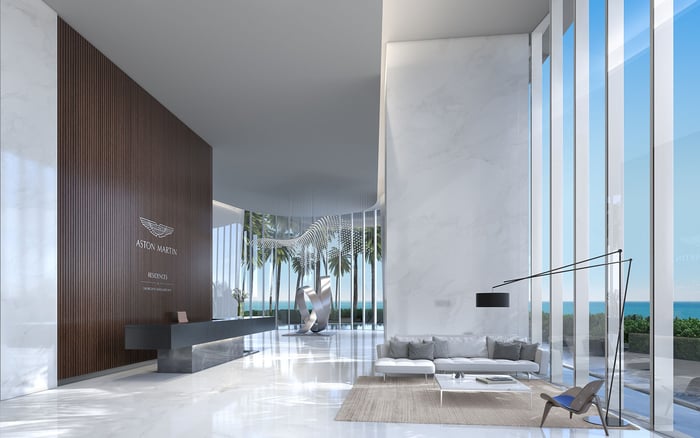
In South Florida luxury real estate, the most memorable spaces are often visual: a lobby framed in stone, a private elevator vestibule, a terrace with water in every direction. Yet one of the most consequential ownership details is rarely photographed, staged, or celebrated in a sales gallery. It is concierge staffing.
For the buyer focused on architecture, views, finishes, and amenities, staffing can seem operational rather than emotional. That is a costly assumption. The concierge desk, valet stand, security post, package room, beach attendant, pool team, and residential manager form the living nervous system of a high-service building. When that system is well designed, ownership feels effortless. When it is thin, improvised, or underfunded, the costs appear in quieter ways: slower response times, resident frustration, diminished privacy, amenity friction, and association pressure after closing.
The hidden cost is not merely what appears in the payroll line. It is what happens when staffing expectations and building reality are misaligned.
A luxury residence is not only a private home. In a serviced condominium or branded residential environment, it is also a shared operating platform. Buyers are acquiring access to people, protocols, coverage, and judgment. The quality of that platform can shape everyday experience as much as ceiling height or appliance specification.
Before closing, the buyer should understand how service is intended to function on an ordinary weekday, a holiday weekend, during peak seasonal occupancy, and under unexpected pressure. The question is not simply whether there is a concierge. It is who is present, when they are present, what they are trained to do, and how many residences they are expected to support.
In markets such as Brickell, Miami Beach, Sunny Isles, and Fort Lauderdale, buyer expectations can vary dramatically by building style, resident profile, and seasonality. A tower with many part-time owners may face concentrated demand during winter and major event periods. A boutique waterfront property may depend more heavily on personalized recognition and access control. A resort-oriented building may require a deeper hospitality bench than its monthly budget initially suggests.
A staffed desk is not the same as concierge service. Someone can greet residents, receive packages, and answer calls without having the authority, training, or staffing support to solve problems elegantly.
True service culture is layered. It includes clear escalation protocols, discretion around guest access, consistent package handling, vendor coordination, move-in management, maintenance communication, and resident preference tracking. It also requires continuity. If the faces change constantly, the building loses institutional memory. If one person is expected to handle every resident request, the experience becomes transactional.
For ultra-premium buyers, the most valuable concierge work often happens quietly. It is the early call when a vendor arrives without proper clearance. It is the calm handling of a delayed delivery before an owner lands. It is the recognition that a guest should be treated warmly but not casually. These small moments protect privacy and reduce friction. They also distinguish a residence that feels genuinely managed from one that merely appears polished.
The first hidden cost is time. When staffing is insufficient, residents spend more time following up, coordinating, waiting, and correcting. That burden may not appear on a closing statement, but it erodes the convenience the buyer expected to purchase.
The second cost is privacy. Thin staffing can lead to rushed identity checks, inconsistent access control, and weaker oversight of vendors, guests, deliveries, and service providers. In high-profile households, privacy is not a preference. It is part of the property’s value proposition.
The third cost is wear on the building. Amenity areas that are not properly monitored can age more quickly. Pools, lounges, gyms, elevators, package rooms, and valet areas all require active supervision. Understaffing can quietly turn elegant common areas into high-maintenance liabilities.
The fourth cost is financial surprise. If a building’s service expectations exceed the staffing budget, owners may eventually face pressure through association decisions, operational adjustments, or service reductions. The buyer who did not examine the staffing plan before closing may later discover that the promised lifestyle requires more funding than anticipated.
The right questions are simple, but they should be asked directly. How many concierge or front desk team members are on duty during each shift? Is coverage 24 hours or limited? How are breaks covered? Is valet separate from security? Who supervises the service team? Are employees dedicated to the building or shared across a broader operation? What is the plan for holidays, hurricanes, peak season, and staff turnover?
Buyers should also ask what duties are included in each role. A concierge responsible for access control, phone calls, packages, guest registration, vendor coordination, and resident requests may be carrying too many responsibilities at once. A valet team that also supports deliveries may become strained during evening arrivals. A residential manager without sufficient administrative support may spend more time reacting than refining the resident experience.
The goal is not to interrogate for sport. It is to understand whether the staffing model matches the lifestyle being marketed.
Service quality influences how a building feels during a showing. Buyers notice whether they are greeted naturally, whether the lobby is calm, whether the valet process is smooth, and whether staff appear informed without being intrusive. These impressions shape confidence.
For resale, a well-run building creates a sense of permanence. Prospective buyers can imagine arriving at night, hosting guests, receiving deliveries, and leaving the residence for extended periods without anxiety. A weak service model does the opposite. It raises quiet questions about management, costs, and the ownership experience.
This matters especially in the new-construction segment, where early buyers often rely on projected service levels rather than a long operating history. It also matters for investment decisions, because high-net-worth tenants and future purchasers tend to reward consistency. Amenities may attract attention, but staff determine whether those amenities feel effortless over time.
Before closing, review the staffing plan as carefully as the floor plan. Confirm hours, roles, supervision, and escalation paths. Ask how resident requests are tracked. Understand whether the service budget is stabilized or still evolving. Look for operational realism, not just ambition.
If the residence is in a building that promises hotel-style living, the staffing model should support that promise. If the building is boutique, the staff should be empowered to deliver recognition and discretion. If the tower is large, coverage should reflect volume, seasonality, and peak-hour stress.
A sophisticated buyer does not need perfection. Every building evolves. What matters is whether the association, developer, or management team has treated staffing as core infrastructure rather than a decorative amenity.
The best concierge staffing disappears into daily life. Doors open without ceremony. Guests are expected, not questioned twice. Deliveries arrive where they should. Vendors are managed before they become interruptions. The owner feels known, but never watched.
That is the real luxury. It is not a louder lobby or a longer amenity menu. It is confidence that the residence will function with the same precision it presents. Buyers who examine staffing before closing protect not only convenience, but also privacy, resale posture, and long-term satisfaction.
In South Florida’s upper tier, the hidden cost of ignoring concierge staffing is rarely immediate. It reveals itself gradually, each time service falls short of the architecture. By then, the buyer owns not just the residence, but the operating reality around it.
Why does concierge staffing matter before closing? It helps determine whether the building can deliver the lifestyle being marketed. Staffing affects privacy, convenience, response time, and resident confidence.
Is 24-hour concierge coverage always necessary? Not always, but coverage should match the building’s size, owner profile, and service expectations. Limited hours may be acceptable only when clearly understood.
What is the biggest staffing red flag for luxury buyers? A single role carrying too many responsibilities is a common concern. It can lead to delays, inconsistent access control, and reduced service quality.
Should buyers review staffing in new-construction buildings? Yes. New-construction service models may still be forming, so buyers should understand projected coverage, supervision, and operating assumptions.
Can concierge staffing affect resale value? It can influence buyer perception during showings and ownership reviews. A calm, well-managed arrival experience supports confidence in the building.
How does staffing affect privacy? Proper staffing supports consistent guest screening, vendor control, and discreet communication. Weak coverage can make privacy protocols less reliable.
Is valet part of the concierge staffing review? Yes. Valet, front desk, security, and management often work together to shape the arrival experience and daily service flow.
What should seasonal owners ask about staffing? They should ask how the building handles peak occupancy, holidays, storms, and extended owner absences. Seasonal demand can strain thin teams.
Does a larger amenity package require more staff? Usually, more amenities require more oversight to function smoothly. Pools, lounges, gyms, and package rooms all depend on active management.
What is the simplest pre-closing question to ask? Ask who is on duty, at what hours, doing exactly which tasks. The answer often reveals whether service promises are realistic.
For a confidential assessment and a building-by-building shortlist, connect with MILLION.
If branded residences are on your mind — as a home or as an allocation — we would be glad to share what we are seeing, privately.
Begin a quiet conversation