A practical luxury buyer guide to evaluating family entry zones in South Florida condos, from arrival privacy and elevator flow to storage, school routines, pets, staff access, and resale adaptability.

For a family, a condominium’s entry zone is not merely where the door opens. It is the private threshold between the city, the school run, the beach, the garage, the dog walk, the nanny handoff, the dinner guest arrival, and the calm of the residence itself. In South Florida’s premium market, where buyers often compare New-construction towers with established Resale buildings, this small area can determine whether a home feels composed or constantly improvised.
The best family entry zones do three things well: absorb daily volume, protect the formality of the main living areas, and create a graceful moment of arrival for residents and guests. A dramatic view may sell the first visit, but the entry sequence governs life on a Tuesday morning.
A serious comparison begins outside the residence. Trace the family’s actual path from the parking space, valet stand, private garage, elevator bank, corridor, and finally the front door. In some buildings, the transition feels effortless. In others, the route is long, exposed, or dependent on shared spaces that may not suit a household with children, pets, sports gear, strollers, or staff.
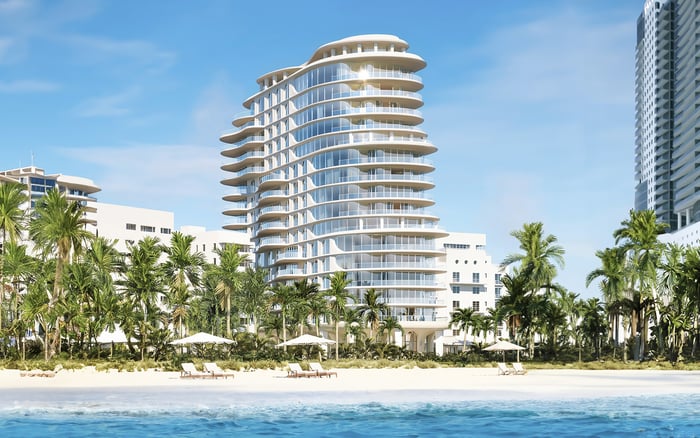
In Brickell, for example, a family may prioritize a quick vertical commute and separation from heavy amenity traffic. In Miami Beach, the question may be how easily the household moves from sand, pool, or beach path back into the residence without turning the foyer into a drop zone. In Coconut Grove, where buyers often seek a more residential rhythm, the entry may be judged for quietness, greenery, and the sense of retreat it creates after school and social commitments.
The most elegant arrival is not always the most theatrical. It is the one that reduces friction.
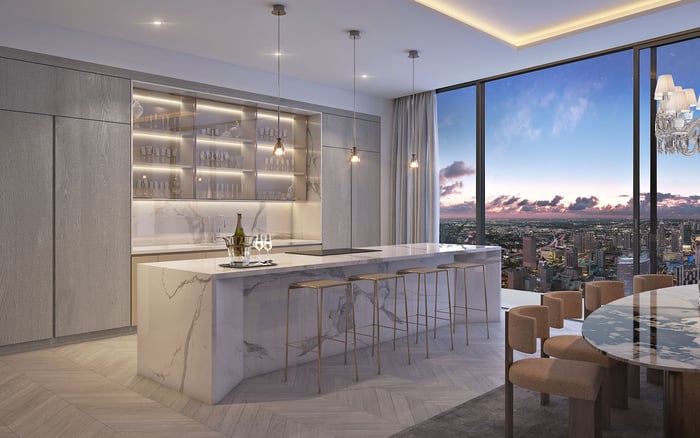
New construction often appeals because entry planning may reflect contemporary family expectations: broader vestibules, cleaner elevator-to-residence transitions, better package protocols, integrated smart access, and more intentional amenity circulation. These qualities can make a home feel tailored to current patterns of life.
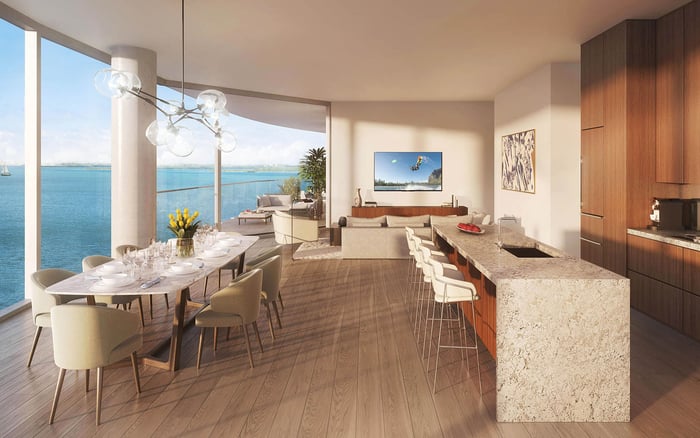
Resale properties, however, should not be dismissed. Many established luxury condos offer generous square footage, deeper foyers, and a more traditional sense of separation between public and private rooms. Some families prefer the solidity and scale of older plans, especially when the entry allows for art, seating, a console, and concealed storage without crowding the first impression.
The right question is not whether New-construction is better than Resale. The right question is whether the entry zone supports how the family actually lives.
In luxury marketing, the foyer is often treated as a design moment. For families, it must also perform like a working room. During a showing, stand in the entry with the door open and imagine several people arriving at once. Can two children remove shoes while another person brings in groceries? Is there a place for a school bag that is not the dining chair? Can a guest enter without seeing the household’s operational clutter?
Depth matters. So does wall space. A foyer with art walls but no storage may read beautifully on a floor plan and fail in daily use. Conversely, a compact entry with a coat closet, discreet millwork, and a nearby powder room may function exceptionally well. The best layouts offer a soft landing before the principal rooms, allowing the residence to maintain its sense of order.
Acoustics are part of the evaluation. Hard stone, long corridors, and elevator proximity can amplify voices and footsteps. For families with early mornings or late returns, a quieter entry can be as valuable as an oversized terrace.
Family life is layered. Children return from school, guests arrive for dinner, staff may enter for household support, and deliveries appear at unpredictable times. A strong entry plan distinguishes these moments without making the home feel segmented or overly formal.
Where possible, examine whether there is a secondary entrance, service elevator access, or a back-of-house route to the kitchen, laundry, or staff area. Not every residence will offer this, and not every family needs it. But in larger homes, especially those with live-in help or frequent entertaining, service circulation can preserve privacy and reduce disruption.
Guest circulation deserves equal attention. The front entry should give visitors a composed first impression, ideally with a clear sightline to a formal living area, terrace, water view, or curated art wall. But it should not expose bedrooms, children’s study areas, or the kitchen in full working mode unless that openness is intentional.
For families comparing condos near a private-school routine, the entry zone should be tested against the most demanding moment of the day: morning departure. Picture uniforms, lunches, musical instruments, sports equipment, devices, chargers, and the inevitable forgotten item. A beautiful residence can feel poorly designed if every exit requires a search party.
Ask how the household will stage the night before. Is there space near the entry for organized bags? Can wet umbrellas be managed without damaging flooring? Is the laundry room close enough to handle uniforms, beach towels, or athletic gear? Is the elevator wait predictable enough for school timing, or does the family need a larger time buffer?
The same exercise applies in reverse. After pickup, children often enter with snacks, backpacks, art projects, and energy. A functional entry absorbs that moment gracefully before the home transitions into homework, bathing, dinner, and evening calm.
In South Florida, a family entry zone is rarely limited to shoes and keys. It may need to manage pets, paddleboards, tennis bags, golf clubs, scooters, beach chairs, and damp towels. Luxury is the absence of visible chaos, and that requires a plan.
Look for practical adjacency. A powder room near the foyer can serve guests and children. A laundry room near the entry can be invaluable after sports or beach time. Storage on the same level as the residence may be more useful than remote building storage if the family needs frequent access. Flooring should be evaluated not only for beauty, but also for durability, slip resistance, and ease of maintenance.
Pet routines deserve their own walkthrough. Consider the path from the residence to the designated relief area, elevator etiquette, and whether a dog returning from rain or sand can be managed before reaching the main living space.
The most successful family entry zones create privacy without feeling defensive. In a private elevator residence, the arrival may open directly into a foyer, which can feel exceptional when well planned. Yet it also requires discipline: the first view should be curated, not cluttered. If the elevator opens too directly into the living room, daily life may feel exposed.
In corridor-entry residences, the issue shifts. Assess the distance from the elevator, the visibility from neighboring doors, and the sound transfer at the threshold. A discreet corridor position can feel more residential, while a highly trafficked location may reduce the sense of sanctuary.
Privacy also includes digital and service access. Smart locks, package rooms, staff permissions, and guest management should be simple enough to use, but controlled enough to protect the family’s rhythm.
A Resale condo with an imperfect entry may still be an excellent candidate if the bones are right. Millwork can create hidden storage. Lighting can improve arrival. A console, bench, mirror, art placement, or pocket door can transform a pass-through into a true foyer. Even a modest vestibule can become highly functional with disciplined design.
What is harder to change is circulation. Elevator location, structural walls, plumbing stacks, corridor exposure, and the relationship between the entry and private bedrooms are usually fixed. Before assuming that a resale residence can be adapted, separate cosmetic improvements from spatial constraints.
A family should also consider whether renovation disruption is acceptable. New finishes can be appealing, but the timing, approvals, and temporary inconvenience should fit the household’s broader plans.
When comparing two residences, score the entry zone across five dimensions: arrival privacy, storage capacity, service circulation, school-day performance, and emotional composure. The last category is subjective but essential. Does the home feel calm when everyone enters together? Does it welcome guests without revealing too much? Does it support the family’s life as it is, not as a brochure imagines it?
For South Florida buyers, the strongest choice is often the residence whose entry disappears into daily ease. It may be newer or older, waterfront or urban, formal or relaxed. What matters is that the threshold performs with quiet intelligence.
What is a family entry zone in a condo? It is the full arrival area, including garage, elevator, corridor, foyer, storage, and the first rooms a family uses when entering the home.
Is new construction always better for family entry planning? No. New construction may offer modern systems and cleaner circulation, while resale condos may offer larger foyers and stronger room separation.
What should I test during a showing? Walk the exact route from parking or valet to the residence and imagine a school-day arrival with bags, groceries, pets, and multiple family members.
Why does foyer depth matter? Depth gives a family space to pause, organize, greet guests, and keep the main living areas from becoming the first drop zone.
Should families prioritize private elevator access? Private elevator access can be excellent, but only if the opening sequence preserves privacy and does not expose clutter or informal spaces.
How important is a service entrance? It depends on the household. Families with staff, frequent deliveries, or heavy entertaining often benefit from separate service circulation.
Can a resale condo entry be improved? Often, yes. Millwork, lighting, storage, and furnishings can improve function, though elevator location and structural circulation are harder to change.
What role does storage play near the entry? Storage near the entry keeps school bags, shoes, sports gear, pet items, and beach accessories from drifting into formal living spaces.
How should pet owners evaluate entry zones? They should test the route to outdoor areas, consider wet-weather returns, and determine whether pets can be managed before reaching main rooms.
What is the best sign of a strong family entry zone? The best sign is a sense of calm: the home can receive daily life, guests, and family movement without feeling congested or exposed.
For a confidential assessment and a building-by-building shortlist, connect with MILLION.
If branded residences are on your mind — as a home or as an allocation — we would be glad to share what we are seeing, privately.
Begin a quiet conversation