Exposure is not a footnote in South Florida condo buying. It is a daily, physical experience that shapes how a residence feels at 8 a.m., how hard the air conditioning works at 5 p.m., how usable the terrace is at golden hour, and how private the interior remains after dark. In a region where the sun rises in the southeast and sets in the southwest, the same “water view” can read entirely differently depending on compass direction, season, surrounding buildings, and the width of the water you face. This MILLION Luxury editorial is a buyer-oriented guide to selecting exposure with intention. Think of it less as a debate between sunrise and sunset, and more as a disciplined match between lifestyle, light quality, heat gain, privacy, and long-term view resilience.
In South Florida, exposure dictates the daily rhythm of a home. It decides whether the breakfast table catches a clean wash of morning light, whether late-day sun turns the living room into a gallery - or a glare zone - and whether the terrace lives as a true outdoor room or a seasonal accessory.
Because the sun rises in the southeast and sets in the southwest, the simple “east equals sunrise, west equals sunset” shorthand is only a baseline. Coastal geometry, neighboring towers, balcony depth, and glass size can intensify or temper the result. For buyers who value comfort as much as views, exposure is one of the few factors that is both deeply personal and difficult to change after closing.
East-facing units typically capture direct morning light, then move into shade as the day progresses. That often translates to a cooler-feeling residence in the afternoon, reducing the burden on cooling during peak-heat hours. For many owners, the advantage is not just comfort, but a steadier, more predictable indoor environment for art, finishes, and everyday living.
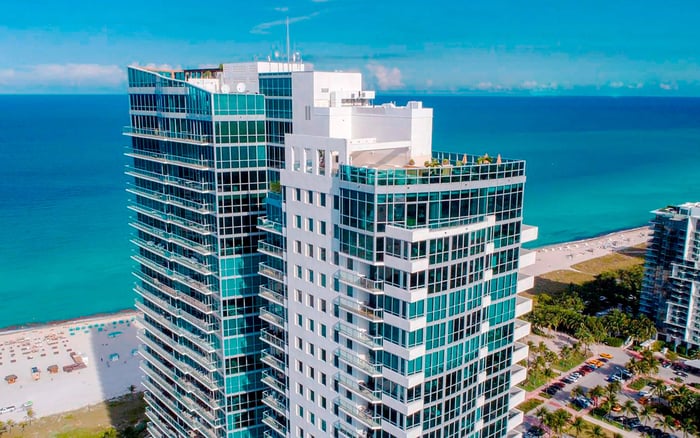
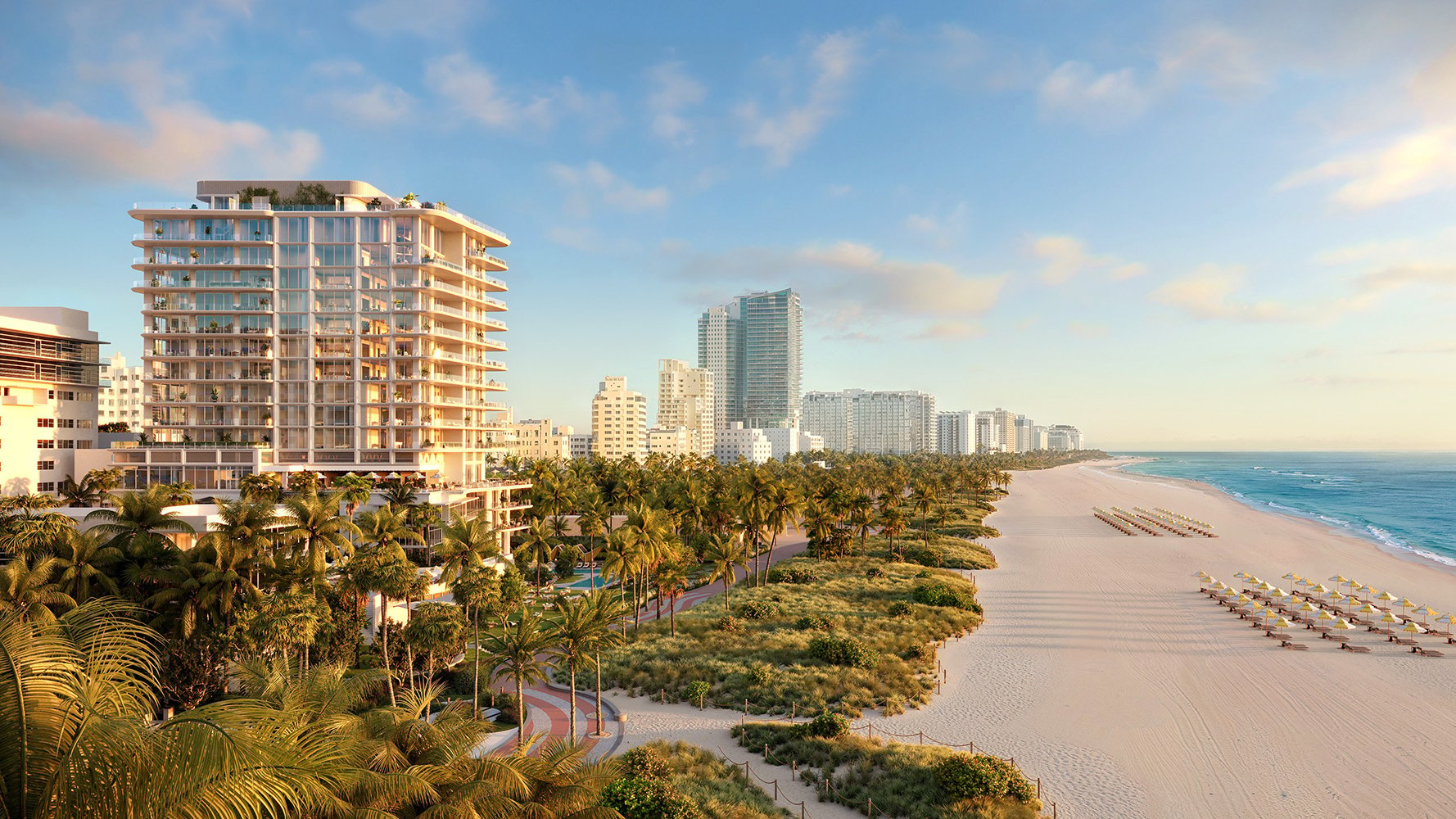
In Miami Beach, an east exposure can deliver a true sunrise lifestyle, particularly when the building is positioned to frame open water. For buyers prioritizing that early-day energy, 57 Ocean Miami Beach is the kind of address where orientation and daily light become part of the living experience.
West-facing units take the strongest direct sun in late afternoon and evening. This is the exposure that can make skyline and water views feel cinematic at day’s end, but it is also the most likely to introduce glare and heat gain. In practice, west exposure requires a plan: shading, window treatments, and a clear-eyed assessment of how you use interiors and terraces from late afternoon through dusk.
If your lifestyle centers on entertaining after work, a west-facing great room and terrace can be exceptional. The trade-off is that comfort becomes a design decision, not an assumption.
South-facing exposure generally brings more consistent daylight across the day than east or west. In winter, when the sun sits lower, south exposure can feel especially bright and welcoming - one reason it’s often associated with an “always-on” daylight quality.
For buyers who want a residence that reads luminous for more of the day, south exposure is often the most reliable choice, especially when paired with generous ceiling heights and a plan that lets light travel deeper into the home.
North-facing windows typically receive mostly indirect light, which tends to be more even and reduced-glare than east or west. This is a quiet luxury: rooms photograph cleanly, materials read consistently, and you are less likely to battle harsh, raking sunlight at the wrong moment.
North exposure is often preferred by buyers who spend significant time at home during the day, work from home, or simply want a calmer visual environment that still feels bright.
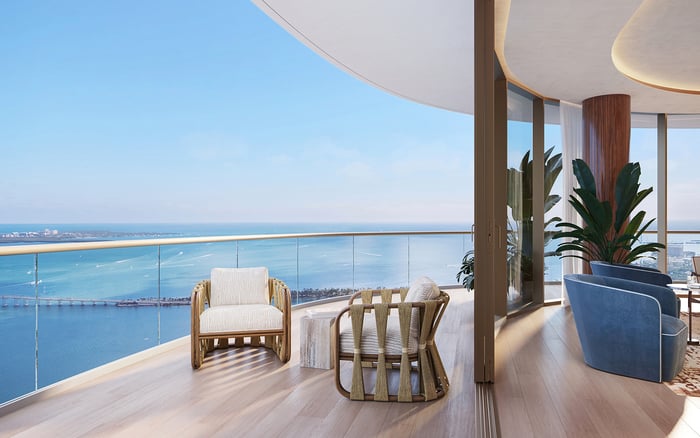
In South Florida, “waterfront” includes meaningful subtypes. Ocean-facing outlooks are often tied to sunrise experiences and an expansive horizon. Bay-facing views can deliver skyline drama and a sense of constant movement across a broader body of water. Intracoastal and canal-facing settings can feel intimate and quiet, but they also shift the privacy equation.
When comparing outlooks, look beyond listing language and confirm whether the view is direct or angled. Marketing materials and floor-by-floor imagery can help clarify the true corridor of view - not just the presence of water.
For Miami Beach buyers seeking a hospitality-caliber atmosphere and a polished sense of arrival, Setai Residences Miami Beach is a reminder that view, service culture, and day-to-day ambiance often move together. Exposure still shapes life inside the residence, but the surrounding experience can influence how often you use the balcony, when you come and go, and how you live with the view.
Privacy risk increases on narrow waterways because sightlines are reciprocal. If you’re looking straight across a canal, someone else is often looking straight back. At night, interior lighting can turn glass walls into a display unless you plan for it.
By contrast, wider water bodies like Biscayne Bay generally soften privacy concerns because distance makes interior details harder to read than they would be across a narrow canal. That doesn’t make privacy automatic, but it does change the baseline.
The smartest mitigations are as architectural as they are decorative: landscaping buffers where feasible, window treatments that preserve daylight while softening visibility, and the orientation or offset of openings to reduce direct face-to-face views. In a high-rise, even subtle shifts in balcony angle and the placement of primary rooms can materially change privacy.
South Florida terraces are lifestyle assets - when they’re comfortable. The best practice is straightforward: tour a candidate unit at multiple times of day. Morning, late afternoon, and early evening reveal different truths about glare, heat, and wind.
Ask specific questions in real time. Can you sit outside without squinting? Does the furniture zone read shaded or exposed? Are you realistically going to use the terrace when the sun is strongest, or will you retreat indoors and lose the very feature you paid to have?
If your buying decision is anchored in outdoor living, weigh exposure alongside balcony depth, overhangs, and how the façade handles sun. For a more discreet, residential take on Miami Beach living, The Ritz-Carlton Residences® Miami Beach is the type of property where buyers often assess not only the view, but also how private the outdoor space feels during peak social hours.
A “waterfront condo” can carry added ongoing ownership costs versus non-waterfront living, and exposure should be considered within that broader reality. In a coastal climate, day-to-day comfort and long-term upkeep are intertwined with how much sun and weather your façade and outdoor areas absorb.
This isn’t an argument to avoid sun. It’s a reminder to buy with eyes open: if you love a west-facing terrace, you’re also committing to the shading and interior control that keep it luxurious rather than punishing.
Orientation and view can command premiums, but those premiums aren’t fixed. In a market where inventory rises and buyers gain leverage, the spread between a “preferred line” and a “less preferred line” can compress. In a tighter market, that spread can expand.
For buyers, this is a practical advantage: you can often secure an exposure you love by aligning your search with current leverage, rather than assuming the “best” exposure is always priced out of reach.
In fast-evolving neighborhoods, today’s view corridor isn’t guaranteed to be tomorrow’s. Future development can alter light, skyline framing, and even the sense of openness from a terrace.
Before committing, verify what is allowed to be built nearby and how land use rules shape future density. The goal isn’t certainty; it’s informed probability. A residence that feels perfect now should still feel like an intelligent choice if the neighborhood adds height next door.
Treat exposure as a lifestyle choice with measurable impact:
For buyers drawn to a club-like, highly curated Miami Beach lifestyle where discretion and social gravity coexist, Casa Cipriani Miami Beach is a useful reference point: the most compelling residences are the ones where light, view, and privacy feel composed rather than accidental.
Is east-facing always best in South Florida? Not always. East-facing units often feel cooler in the afternoon, but the right choice depends on when you are home and how you use the terrace.
Why do west-facing condos feel hotter? West exposure receives the strongest direct sun in late afternoon and evening, increasing heat gain and potential glare without proper shading.
What exposure gives the most consistent daylight? South-facing residences tend to deliver more consistent daylight across the day, particularly noticeable in winter when the sun is lower.
Is north exposure too dark for a primary home? Typically no. North-facing windows often provide even, indirect light with reduced glare, which many buyers find comfortable for daily living.
Do bay views offer more privacy than canal views? Often yes. Wider water bodies generally reduce privacy concerns because opposing residences are farther away than across narrow canals.
How can I improve privacy in a waterfront condo? Consider layered window treatments and layout choices that avoid direct face-to-face sightlines, especially across narrow waterways.
Should I tour a unit more than once to judge exposure? Yes. Touring at multiple times of day is the most reliable way to understand glare, heat, and terrace usability.
Can a future building block my view or sunlight? Potentially. Nearby development can change view corridors and light, so it’s wise to review what may be built around the property.
Are “best view” premiums stable year to year? No. Market cycles affect buyer leverage, so orientation and view premiums can expand or compress depending on inventory and demand.
What is the simplest way to choose between sunrise and sunset views? Choose the view that matches your daily schedule. A beautiful moment matters most when you are actually there to enjoy it.
For a confidential assessment and a building-by-building shortlist, connect with MILLION Luxury.
If branded residences are on your mind — as a home or as an allocation — we would be glad to share what we are seeing, privately.
Begin a quiet conversation