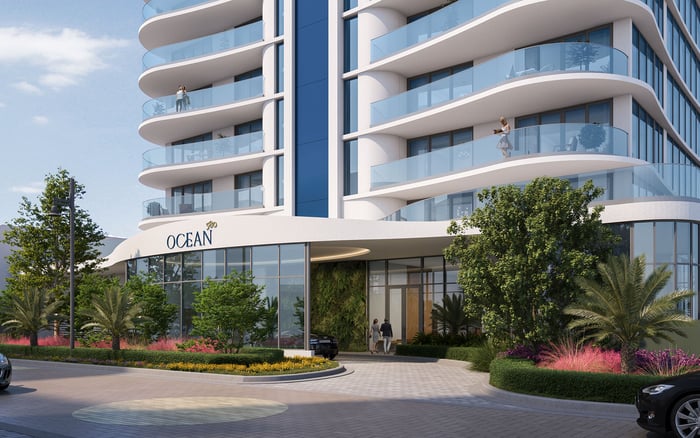
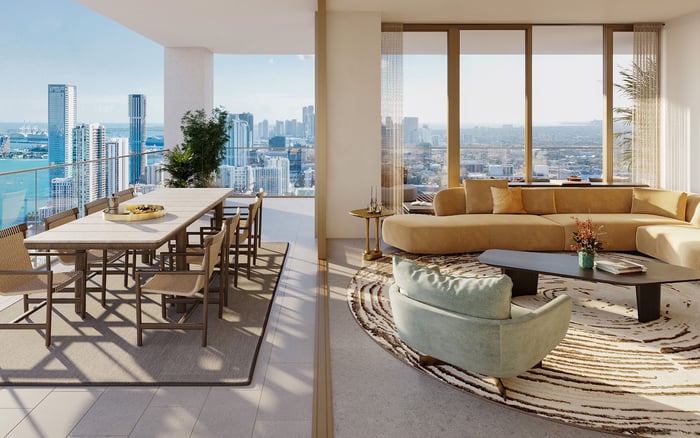
For buyers who want Miami Beach intimacy without the vertical living of oceanfront towers, the Venetian Islands and the Sunset Islands offer two distinct interpretations of island life. Both deliver a rare blend of residential calm, proximity to the city, and the enduring appeal of a true address. The difference is in how they live day to day: arrival, privacy, water orientation, and the architectural character that sets the tone for entertaining and retreat. Here is a discreet, buyer-first comparison designed for serious South Florida decision-making.
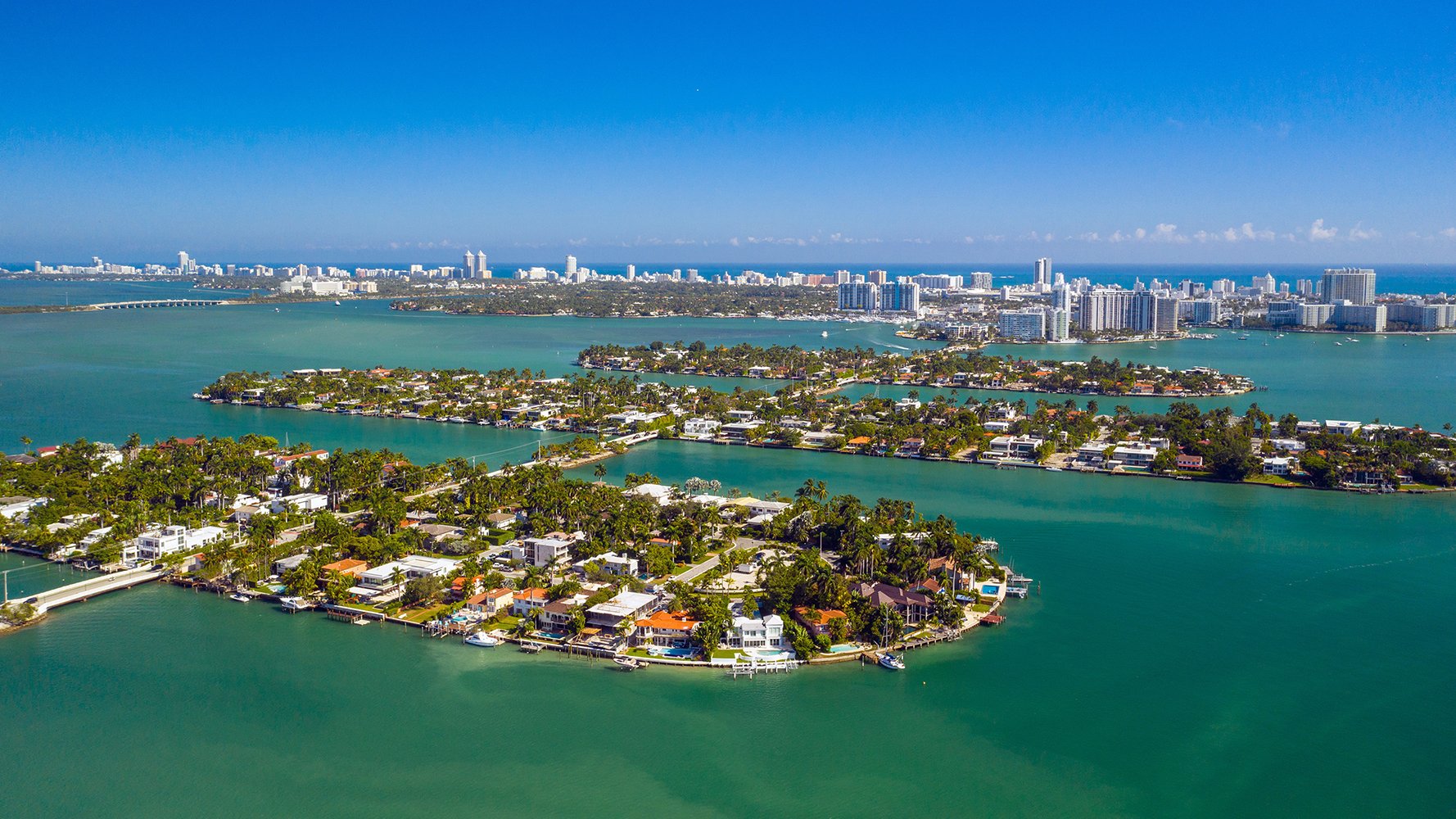
In Miami Beach, island neighborhoods may share a map, but they do not live the same. From a distance, the Venetian Islands and the Sunset Islands can appear like close cousins: prestigious residential streets, the visual calm that comes from water on multiple sides, and a short drive to the culture, dining, and energy that define the city. Up close, the differences become practical and personal. The right choice is rarely about one headline feature. It is about whether the neighborhood supports your version of privacy, ease, and daily rhythm.
For a luxury buyer, the decision is almost never confined to square footage or finishes. It touches how you arrive home after a late reservation, how guests experience your address, how the property holds up as a long-term asset, and how convincingly it supports both entertaining and true retreat. Island ownership also introduces a layer of diligence that is not optional. Exposure, maintenance cadence, and the home’s relationship to water shape the ownership experience in ways photography cannot capture.
This guide is intentionally pragmatic. The goal is not to crown a winner. It is to translate feel into clarity, so you can shop with discipline. You will also see terms used by serious South Florida buyers, including Exclusive-area, single-family-homes, and Waterview. These phrases are not decoration. They are a working vocabulary for evaluating island inventory with precision.
In island communities, lifestyle differences often reveal themselves before you reach the front door. Arrival is not just a commute. It is the start and end of your day, and it sets the emotional temperature of the home. Some buyers want separation, an entry sequence that feels removed from the city’s pace. Others want immediacy, where meetings, school pickups, or a spontaneous dinner plan feel simple.
Venetian Islands living is often described as a bridge between the mainland’s momentum and Miami Beach’s resort identity. Many buyers respond to the way it can feel connected without feeling exposed. You are close enough to move quickly, yet buffered by water and residential streets. For households that treat Miami as a full-time base, this can translate into flexibility. It tends to fit owners who expect their week to span multiple neighborhoods, with a calendar that stays active.
Sunset Islands is frequently approached as a destination within the destination. For some buyers, the appeal is exactly that it feels more internal. The sense of being “on the islands” can arrive earlier in the drive, with a stronger impression that you have stepped out of the city’s general flow. That psychological reset matters when the home is meant to counterbalance a demanding schedule.
Neither orientation is better. It is simply different. If convenience, quick pivots, and connectedness are your priorities, you may prefer a neighborhood that feels integrated into your wider Miami life. If your home is meant to read as a retreat, you may value an arrival that feels deliberately insulated.
Because this is not a property-specific research pack, it is more useful to speak in tendencies than absolutes. Both areas are associated with high-end single-family-homes, but the buyer experience can differ depending on how much you value consistency of streetscape versus the energy of variety.
On the Venetian Islands, buyers often encounter a broad architectural mix that reads like a timeline of Miami design preferences. If you enjoy eclecticism, this can be a real advantage. Each property tends to carry its own identity, and a renovation or new build can feel like a personal statement rather than a disruption.
On the Sunset Islands, some buyers seek a calmer sense of residential composition. This is not necessarily uniform architecture, but an overall enclave atmosphere that can make the streets feel intentionally quiet. For owners who want the house to function as a restful backdrop, that steadiness can be a meaningful part of the appeal.
Across both neighborhoods, the most valuable mindset is to separate the house from the address. A remarkable home in the wrong micro-location can feel compromised, while a thoughtful property in the right setting can quietly outperform expectations over time. In island markets, micro-location can mean exposure to traffic patterns, the quality of your immediate water outlook, and how the home’s orientation shapes light, breeze, and privacy from neighboring lots.
If you are touring multiple properties, resist the temptation to decide from images. Visit at different hours. Morning and late afternoon quickly reveal how light travels through primary spaces, how outdoor areas actually feel, and whether the street reads as serene or active when showings are not staged.
Waterview is easy to say and expensive to buy, yet it does not mean the same thing from one parcel to the next. Island buyers tend to fall into three practical categories: true boaters, view-driven owners, and households that want water nearby without the responsibilities of living directly on it.
For boaters, the home-to-water relationship is not cosmetic. It shapes how often you truly use a vessel, how effortless it feels to host friends who arrive by water, and how you plan for ongoing exterior care. Waterfront ownership also influences material choices, landscaping strategies, and long-term maintenance routines. If boating is central to your lifestyle, prioritize a property that supports it with minimal friction. If boating is more aspirational than habitual, be candid with yourself about how much you will use the infrastructure once the novelty fades.
For view-driven buyers, not all water views are created equal. Some Waterview settings feel expansive and cinematic, while others feel intimate and reflective. The difference is not just the width of the vista. It is the direction the home faces, what your sightlines include, and whether the water experience is enjoyed from primary living spaces rather than only from the backyard.
For owners who want proximity without responsibility, consider whether you prefer being one or two streets off the water. That choice can still deliver the emotional benefit of an island address, while reducing some obligations that come with direct water exposure.
A useful exercise is to define your “water priority” in writing before you tour. Is the water there to be used, to be seen, or simply to be near? Your answer will help you balance enjoyment against effort and keep your search grounded.
Luxury buyers use “private” as shorthand, but it can describe very different goals. Some owners want privacy from passersby. Others want a general sense of low activity. Some prioritize a controlled-feeling entry. Others prefer privacy achieved through design, not through overt security cues.
In island neighborhoods, privacy is shaped by street layout, sightlines, and the way landscaping, setbacks, and façade treatment interact with the public realm. A home can be visually open and still feel protected if its interior planning and outdoor rooms are positioned intelligently. Conversely, a property can be set back and still feel exposed if the layout pushes primary living to the front, or if neighboring sightlines are not considered.
The idea of a Gated-community often comes up in buyer conversations, even when the reality is more nuanced. Rather than relying on labels, treat security as a block-specific and property-specific question. Ask what measures are already in place, what upgrades are typical for comparable homes, and how those choices affect daily life. There is a meaningful difference between feeling protected and feeling managed.
If you have a high-profile household or you host frequently, evaluate the arrival zone with intention. Consider driveway configuration, the ease of discreet drop-off, and how visible comings and goings feel from neighboring properties. In South Florida, privacy often comes down to choreography: how the home guides movement, sightlines, and the experience of entry.
Choosing between the Venetian Islands and the Sunset Islands is also a choice about how you want to spend time at home. Some buyers design their residence as a social hub, with confident indoor-outdoor flow and a calendar full of dinners, celebrations, and weekends anchored by the pool deck. Others prioritize restoration, building a home that supports quiet mornings, wellness routines, and a calm that holds steady even during Miami’s busiest seasons.
If entertaining is central to your lifestyle, evaluate how the property welcomes people. Look at the sequence from curb to entry, and from entry to outdoor living. The best entertaining homes do not require guests to pass through private zones to reach gathering spaces. They also create a sense of progression, where the backyard or the water view feels like a reveal rather than an immediate disclosure.
If solitude is central, assess how the home protects quiet. Primary suites insulated from common areas, outdoor zones that feel screened, and layouts that create separate wings can matter more than headline square footage. You may also value a neighborhood cadence that reads calmer, where evenings are less likely to be punctuated by passing activity.
For many owners, the ideal is a hybrid: a residence that hosts generously on Saturday night, then feels like a sanctuary on Sunday morning. Island neighborhoods can support both modes well, but only when the home’s design is disciplined enough to handle the switch.
With the Fact Table empty, we are not using price statistics, absorption rates, or specific market performance claims. Still, sophisticated South Florida buyers tend to evaluate long-term desirability in consistent ways when comparing island submarkets.
First is irreplaceability. The most resilient luxury homes usually have a quality that cannot be easily replicated, such as an exceptional water outlook, an unusually private site plan, or a setting that feels quiet in a way you cannot manufacture later.
Second is alignment between house and address. A home can be over-improved or under-improved relative to buyer expectations for the neighborhood, and either mismatch can limit future appeal. The goal is not maximum spend. It is coherent positioning.
Third is renovation optionality. Even if you intend to buy turnkey, your future buyer may value the ability to customize. Layouts that are overly idiosyncratic can narrow the exit market, while thoughtful planning can broaden it.
Fourth is carrying convenience. Island living is glamorous, yet it can be demanding. Homes that are easier to maintain, easier to secure, and easier to lock-and-leave tend to feel more effortless, especially for second-home schedules.
Finally, buyers consider how the neighborhood supports their broader Miami lifestyle. If your life spans Miami Beach and the mainland, access patterns become part of value because they shape how often you use the home, not just how it looks on a listing page.
Luxury real estate is emotional. Island real estate requires discipline. Before you commit, build a diligence plan that matches the complexity of the asset and the realities of South Florida ownership.
Start with the property’s relationship to water and weather. Ask your advisors what responsibilities are typical for similar homes nearby, and what preventive maintenance strategies are common. Confirm all relevant disclosures and records through the appropriate professionals. The goal is to understand what “normal” looks like for ownership in that exact setting, not in a general coastal context.
Assess insurance and risk planning early. Costs and availability can vary, and the difference between a manageable plan and a burdensome one can affect long-term comfort. Do not wait until late-stage contract timing to address it.
Evaluate renovations realistically. If you intend to update, confirm that your design intent is compatible with the site and with any local requirements. Island renovations can involve logistics that are more complex than inland projects, so timeline and access deserve careful consideration.
Finally, validate the neighborhood through lived experience. Walk the block. Drive the approach at different times. Note noise, lighting, and how the streets feel when you are not in a showing window. The best decisions often come from observations that never make it into listing remarks.
Many buyers compare these island neighborhoods not only against each other, but against ultra-luxury condominium living. The decision often comes down to service and simplicity versus land and autonomy.
If you value a staffed environment and the predictability of managed living, touring a high-end condominium can clarify what you would trade for the freedoms of a private home. As a neutral reference point within Miami Beach, consider The Perigon Miami Beach, then contrast that experience with the responsibilities and privacy profile of a stand-alone residence.
This comparison is not about superiority. It is about fit. The most satisfied owners are the ones whose property supports their real lifestyle, not an idealized version of it.
Venetian Islands may align best if you want an island address that still feels closely connected to the city’s momentum. It can suit owners who thrive on accessibility, who entertain across multiple neighborhoods, and who want their home to function as a stylish base with a strong sense of place.
Sunset Islands may align best if you want your home to feel more like a destination in itself, with a stronger emphasis on retreat and an internal sense of quiet. It can suit buyers who are intentional about privacy, who prioritize a calmer cadence, and who value the psychological benefit of “getting away” without leaving Miami.
In both cases, the right purchase is usually determined by micro-location and by the home’s design discipline, not by the neighborhood name alone. If you frame your search around how you want to live, the address becomes a confirmation rather than a guess.
How do I choose between Venetian Islands and Sunset Islands without overpaying? Define your non-negotiables first, then evaluate micro-location and home quality against those criteria. Overpaying often happens when a buyer falls in love with a style that does not align with how they will use the property.
What should I prioritize if I want a strong Waterview but also privacy? Prioritize sightlines from main living areas and outdoor spaces, then assess how landscaping, setbacks, and neighboring homes affect exposure. A great view is most valuable when it can be enjoyed without feeling on display.
Is an island home a good fit for a second-home schedule? It can be, but only if the property is designed for lock-and-leave living and you have a clear plan for maintenance and security. Confirm the practical realities early so the home stays effortless between visits.
How important is it to focus on single-family-homes versus condos in Miami-beach? It depends on whether you value autonomy and land more than managed service and simplicity. Many buyers tour both to clarify priorities, then commit to the lifestyle that feels sustainable year after year.
For discreet guidance on Miami Beach island homes and other Exclusive-area opportunities, connect with MILLION Luxury.
If branded residences are on your mind — as a home or as an allocation — we would be glad to share what we are seeing, privately.
Begin a quiet conversation