A buyer-focused look at after-dark walkability at Eighty Seven Park, where oceanfront calm, Collins Avenue proximity, security protocols, and transportation habits all shape long-term livability.
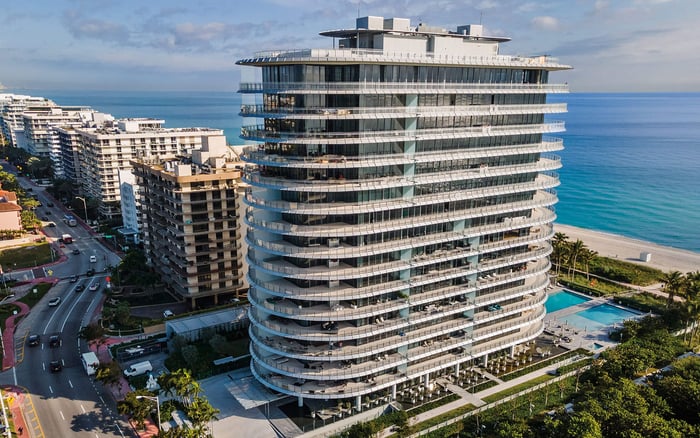
At Eighty Seven Park, walkability is more nuanced than a simple yes or no. The building occupies an oceanfront edge where northern Miami Beach meets the Surfside boundary, offering beach adjacency, proximity to Collins Avenue, and a setting that feels distinctly removed from the louder entertainment districts farther south. That distinction is central to the buying decision.
Eighty Seven Park Surfside is not positioned as a dense nightlife address. Nor is it a fully secluded estate-style compound where the car is the only realistic way to move. Its appeal lies partly in that in-between condition: architecturally significant, limited-key, resort-level, and close enough to nearby commercial districts in Surfside and North Beach to make nighttime movement relevant. For luxury buyers, the question is not whether the location has energy. The sharper question is whether its evening rhythm matches the way they actually live.
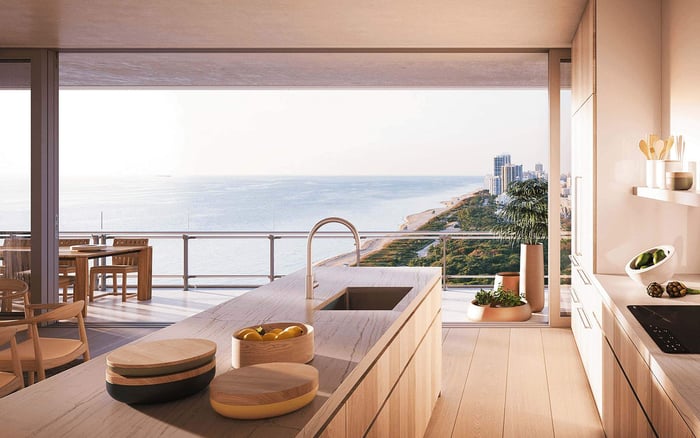
The building’s oceanfront character, deep wraparound terraces, and floor-through residences create a residential experience that is inwardly serene and outwardly connected. That combination is powerful, but it also makes after-dark walkability an asset-value issue. A buyer who expects evening dinners, post-beach strolls, or casual walks along Collins Avenue should examine the practical details before committing.
The strongest buyers for Eighty Seven Park often want discretion without surrendering urban convenience. This is not the same brief as South Beach nightlife, and it is not the same as a gated single-family enclave. The area’s nighttime environment is shaped by three conditions: oceanfront park adjacency, a quieter stretch of Collins Avenue, and access to nearby commercial pockets in Surfside and North Beach.
That mix can be highly attractive to a buyer who values calm. It can also be misunderstood by someone arriving from denser luxury districts where restaurants, hotels, and foot traffic create steady evening activity. Here, quiet is part of the value proposition. The task is to decide whether the quieter public realm feels elegant, under-activated, peaceful, or inconvenient for your household.
For a second-home owner, the answer may differ from that of a full-time resident. A buyer who spends evenings on a terrace overlooking the water may care less about frequent walking routes. A resident who prefers to leave the car behind for dinner will want to test those same routes after sunset, not only at noon.
The first question is lighting. Not in abstract terms, but route by route. Where would you actually walk after dark from the lobby? Which path would you use toward Collins Avenue? Which way would you go for nearby dining in Surfside or North Beach? A daytime showing cannot answer those questions with the same clarity as an evening visit.
The second question is pedestrian comfort. Buyers should pay attention to sidewalk continuity, curb cuts, driveway activity, crossing points, and the feeling of exposure along quieter stretches. The goal is not to assign a generic score to the location. The goal is to understand the lived experience between the private threshold of the building and the public realm just outside it.
The third question is access. Beach access is a defining part of the address, but after dark, buyers should ask how oceanfront and park-adjacent movement is managed, what entrances residents typically use, and whether any preferred paths change in the evening. These are practical questions, not alarmist ones.
The fourth question is whether your household will walk regularly. Some owners at an address like this will rely on chauffeured vehicles, private drivers, and concierge-supported transportation as a matter of routine. Others will expect to walk after dinner or enjoy the neighborhood at a slower pace. Both profiles can fit the building, but they evaluate value differently.
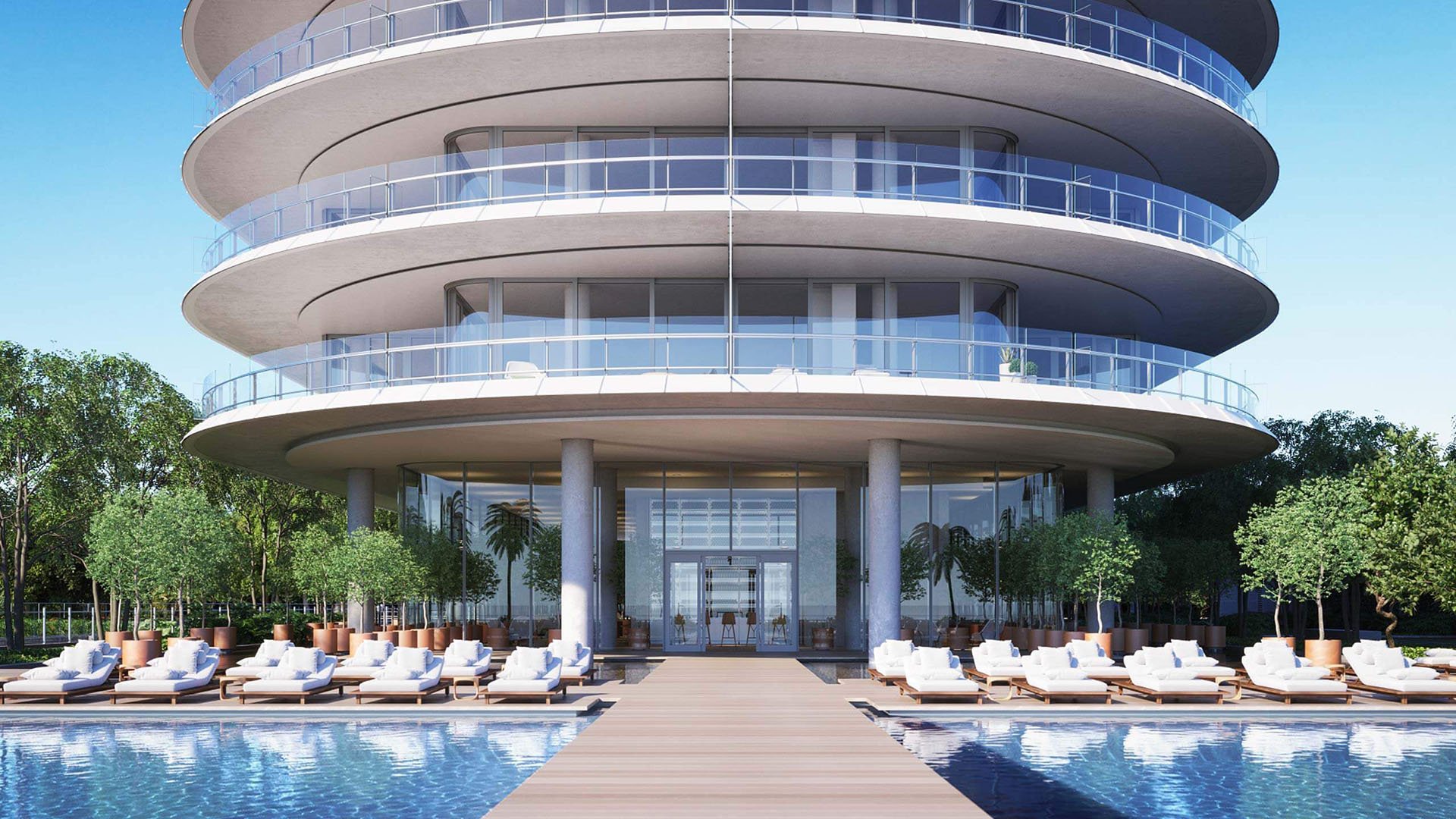
In ultra-premium condominiums, the experience of arrival and departure is part of the real estate. At Eighty Seven Park, buyers should ask how building security and concierge protocols coordinate with after-dark pedestrian access. The key issue is the transition from private control to public space.
That first 200 feet can matter more than a marketing phrase like walkable. How is a guest received at night? Where does a ride-share vehicle naturally wait? How does a private driver stage without creating friction? Is there a clear, comfortable pedestrian path from the lobby to the street? These questions reveal how the building functions when the evening is quiet, the household is dressed for dinner, and the expectation is seamlessness.
The answer should feel operational, not improvised. Luxury buyers are not only purchasing architecture. They are purchasing choreography: the way a doorman, a vehicle, a pedestrian route, and a resident’s privacy interact in real time.
A common mistake is to evaluate this location through the lens of entertainment-heavy Miami Beach. Eighty Seven Park belongs to a more selective coastal vocabulary. Oceanfront is the leading attribute, but it is paired with restraint. The building’s appeal is not a constant parade of restaurants and nightlife at the door. It is the ability to live at the edge of the sand, close to Collins Avenue, while retaining a quieter residential tone.
That makes the Miami Beach comparison more nuanced. Buyers accustomed to a high-traffic hotel district may find the calm refreshing. Buyers expecting constant pedestrian animation may need to recalibrate. Surfside adds another reference point, with nearby commercial life that may be useful without making the immediate setting feel like a nightlife corridor.
This is why the most informed showing should include an evening component. Arrive when the building is transitioning from day to night. Watch how residents leave for dinner. Observe the pace of the street. Ask how the staff supports pedestrian movement and vehicle flow. Luxury is often most visible in these unglamorous details.
After-dark walkability influences more than personal convenience. It can shape rental desirability for permitted long-term use, second-home satisfaction, family comfort, and eventual resale narrative. At the top of the market, buyers are increasingly precise about daily life. A spectacular residence still needs a credible answer to how one lives there on an ordinary Tuesday evening.
Eighty Seven Park has many of the fundamentals that sophisticated buyers seek: an oceanfront position, limited-key character, resort-level amenities, floor-through homes, and deep wraparound terraces. Those attributes create scarcity and emotional appeal. The nighttime walkability question does not diminish that appeal. It sharpens it.
A buyer should leave the due diligence process knowing whether this is an address for walking often, walking selectively, or using the concierge and driver ecosystem as the default. None of those answers is inherently superior. The right answer is the one aligned with the household’s habits.
Schedule one visit during daylight to understand the architecture, views, amenities, and beach relationship. Then return after dark to experience the public realm. Do not rely only on a balcony impression, because terraces reveal atmosphere but not necessarily route comfort.
Walk the paths you would actually use. Stand at the entrance and watch vehicle flow. Ask where residents are typically picked up. Ask how guests are handled in the evening. Ask whether the staff has preferred recommendations for walking to nearby destinations. A polished luxury building should be able to discuss those patterns clearly.
The best buyers are not trying to turn Eighty Seven Park into another neighborhood. They are trying to understand the one it already occupies. That is the difference between buying the image of coastal luxury and buying the reality of a daily life that still feels graceful after sunset.
Is Eighty Seven Park considered a nightlife-oriented address? No. Its positioning is quieter and more selective, with oceanfront living near Collins Avenue rather than an entertainment-heavy core.
Why should buyers evaluate walkability after dark? Evening conditions reveal how lighting, pedestrian comfort, access, and building operations work when daily life is actually unfolding.
Is the building close to Surfside? Yes. It is positioned near the northern end of Miami Beach, close to the Surfside boundary.
Does the oceanfront setting automatically mean strong nighttime walkability? Not necessarily. Oceanfront appeal and practical after-dark pedestrian comfort should be evaluated separately.
What should buyers ask the concierge or sales team? Ask about evening access points, guest arrivals, ride-share pickup flow, private driver staging, and typical resident walking routes.
Should buyers walk the area during a showing? Yes. A daylight tour should be paired with an evening visit along the routes the household would actually use.
Who is the best fit for this location? Buyers who value calm, beach access, architectural quality, and selective connectivity may find the setting especially compelling.
Do the residences support indoor-outdoor living? The homes are described with deep wraparound terraces and floor-through layouts, both important to the coastal living experience.
Is chauffeured transportation relevant to the decision? Yes. Buyers should decide whether they expect to walk often or rely primarily on private drivers and concierge-supported movement.
What is the best way to shortlist comparable options for touring? Start with location fit, delivery status, and daily lifestyle priorities, then compare stacks and elevations to validate views and privacy.
To compare the best-fit options with clarity, connect with MILLION.
If branded residences are on your mind — as a home or as an allocation — we would be glad to share what we are seeing, privately.
Begin a quiet conversation