A discreet guide to South Florida neighborhoods where serious collectors can think beyond display wine walls and plan for climate discipline, service flow, and daily living.
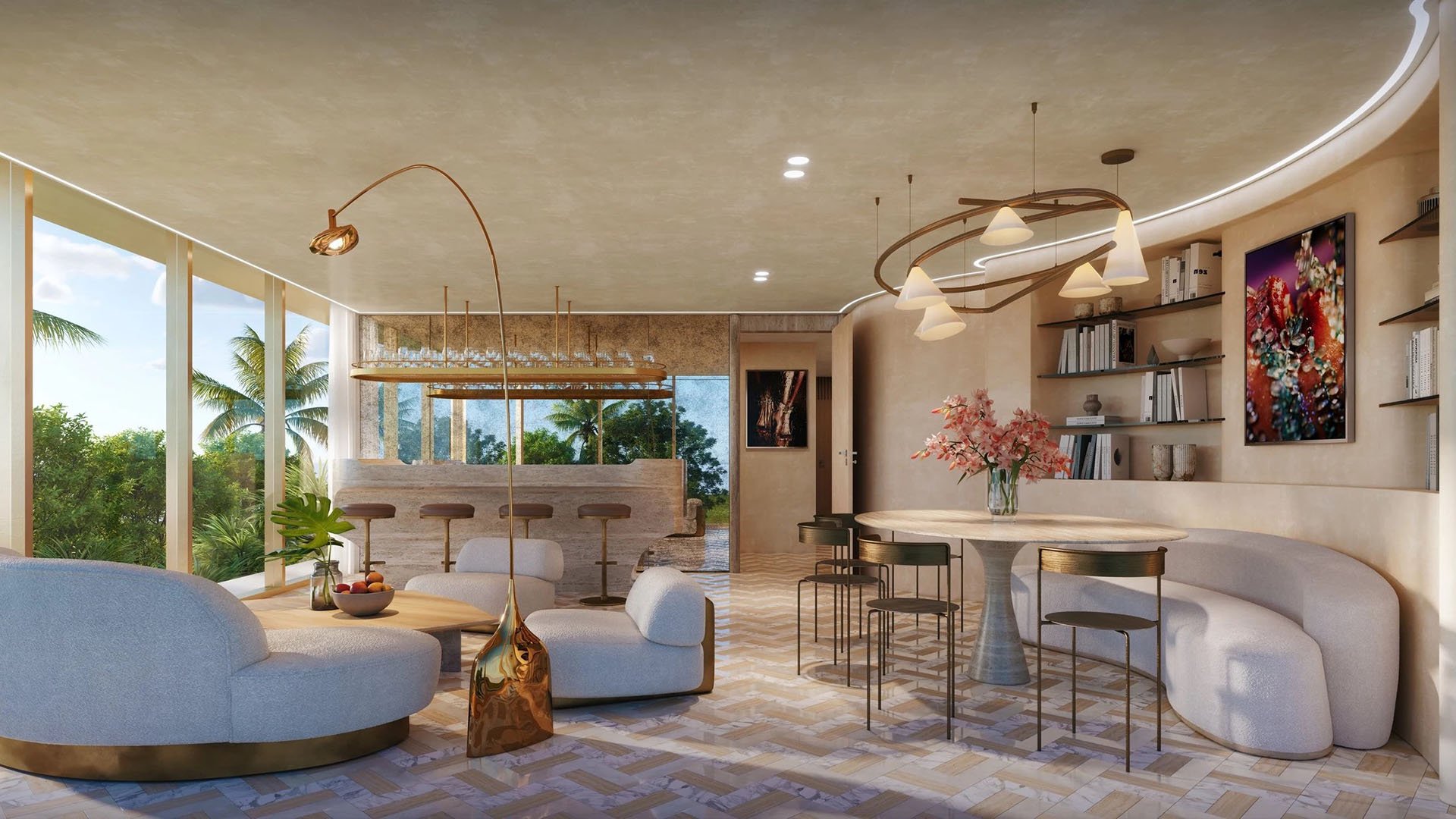
A decorative wine wall can be beautiful. For a collector, however, beauty is only the surface. Serious wine storage demands more from a residence: stable temperature, measured humidity, low vibration, protection from direct light, thoughtful inventory access, and a location that works within the rhythm of entertaining.
In South Florida, the conversation is especially precise because the climate outside is not gentle on wine. Buyers who collect by the case, host private dinners, or maintain a cellar as part of a broader lifestyle should evaluate wine storage as infrastructure. It belongs in the same discussion as kitchen planning, service circulation, backup power, acoustic privacy, and the way guests move through the home.
The strongest neighborhoods are not simply the most glamorous. They are the places where housing format, buyer profile, and entertaining culture can support wine storage beyond a glass feature wall. Brickell and Downtown may suit the vertical collector seeking a refined urban residence. Pinecrest may suit the buyer who wants more room to shape the home around a cellar. Investment thinking also matters, because a proper wine room should feel like a durable enhancement rather than a novelty. Second-home use changes the equation again, since storage must perform even when the owner is away.
1. Brickell - vertical collecting with formal entertaining
Brickell is the natural starting point for buyers who want a sophisticated urban base where wine service is part of the evening, not tucked into a distant utility zone. The ideal plan is not necessarily the largest residence, but the one with enough depth to separate display from preservation.
For a Brickell buyer, the question is whether the residence can support a true temperature-controlled room or cabinet system that feels integrated with the dining area, chef’s kitchen, or private lounge. A decorative wall near glass may impress guests, but a serious collector should look for reduced light exposure, stable mechanical support, and easy access for staff or private service.
2. Miami Beach - hospitality-minded storage for the social collector
Miami Beach suits the buyer who entertains often and wants wine to be part of a broader hospitality ritual. Here, the storage decision should be made in relation to arrival, dining, terraces, and late-evening service. A good wine room can add ceremony without turning the collection into a showroom.
The strongest layouts allow the collector to keep daily selections accessible while protecting bottles that should not be exposed to heat, glare, or traffic. In a beach setting, restraint is essential. The most elegant solution is often not the most visible one, but the one that quietly performs.
3. Coral Gables - architectural discipline and classic residential scale
Coral Gables appeals to buyers who want wine storage to feel permanent, architectural, and aligned with a more traditional sense of home. This is where a cellar can become part of a library, dining suite, club room, or service corridor rather than a decorative interruption.
Collectors should focus on placement and construction quality. A serious wine room in this setting should have a clear purpose: long-term storage, tasting, entertaining, or all three. The neighborhood’s appeal for this buyer lies in the possibility of discretion, with a wine program that feels considered rather than theatrical.
4. Coconut Grove - relaxed privacy with design flexibility
Coconut Grove works for buyers who want the cellar to feel personal, intimate, and slightly removed from the formality of a trophy display. A wine room here may sit near a family room, private dining area, or shaded entertainment space, depending on how the owner actually lives.
The key is to avoid treating wine storage as a decorative afterthought. Grove buyers often respond to material warmth and indoor-outdoor living, but wine requires the opposite of exposure. The best approach is to create contrast: airy living spaces for people, controlled spaces for bottles.
5. Pinecrest - room to plan around the collection
Pinecrest is compelling for collectors who want flexibility. When a buyer is thinking about a meaningful collection, the advantage is the ability to plan wine storage as part of the home’s internal logic rather than forcing it into a leftover niche.
This is the neighborhood for buyers who may want a larger tasting room, a concealed cellar, or a service-oriented layout that supports dinners without making the collection the center of every room. For serious owners, scale is valuable only when paired with discipline. The wine room should be close enough to use and separate enough to protect.
A wine wall is a visual cue. A wine room is a performance space. Before valuing one, buyers should ask where the cooling system lives, how the room is insulated, whether glass exposure is controlled, and whether the layout allows bottles to be handled without constant disruption.
Humidity and temperature stability are central, but so is behavior. If the wine storage sits beside a sunlit entertaining wall, a dramatic staircase, or a high-traffic corridor, it may be more decorative than functional. If it is buried too far from the dining area, it may be technically sound but inconvenient. The best homes resolve both issues.
Buyers should also think about the collection itself. Short-term drinking bottles can live differently from age-worthy bottles. Champagne, large formats, and rare allocations may require different spacing and handling. A home that acknowledges those distinctions will feel more mature to a collector.
A real wine room can change the tone of a home. It signals patience, hosting, and connoisseurship. It also introduces a layer of technical design that should be handled quietly. The most successful examples do not shout. They sit naturally within the architecture and make the owner’s lifestyle easier.
For resale, the value is not in spectacle alone. Buyers are more likely to respond to storage that looks intentional, maintainable, and adaptable. A temperature-controlled room with sensible access can appeal beyond a single owner’s taste. A highly theatrical wall, by contrast, may feel personal and harder to reinterpret.
That is why neighborhood choice matters. The right area supports the way the owner will use the room. Brickell may reward a polished entertaining sequence. Miami Beach may reward hospitality and arrival drama. Coral Gables and Coconut Grove may reward atmosphere and architectural integration. Pinecrest may reward privacy and scale.
What makes wine storage functional rather than decorative? Functional storage controls temperature, humidity, light, and vibration while allowing practical access. Decorative storage is primarily visual and may not protect bottles over time.
Is a glass wine wall enough for a serious collector? It can work for selected bottles if properly engineered, but glass alone is not the answer. Location, cooling, sealing, and exposure matter more than the display effect.
Which neighborhood is best for a vertical luxury buyer? Brickell is often the most intuitive fit for buyers who want an urban residence with wine service near formal living and dining areas.
Which neighborhood suits a private cellar concept? Pinecrest can be attractive for buyers who want more flexibility to shape a residence around storage, tasting, and service flow.
Does Miami Beach make sense for serious wine storage? Yes, if the residence treats preservation as a technical requirement. Buyers should be especially attentive to heat, light, and placement near entertaining zones.
How should collectors compare Coral Gables and Coconut Grove? Coral Gables may feel more formal and architectural, while Coconut Grove may feel more relaxed and intimate. Both can support discreet, well-integrated wine rooms.
Should wine storage be near the kitchen? It should be close enough for service but not exposed to heat or heavy traffic. The best location balances access with environmental control.
Can wine storage help resale appeal? It can, when it feels permanent, useful, and technically credible. Overly personal display concepts may not carry the same broad appeal.
Is a wine room important for a second-home buyer? Yes, especially if the collection remains in the residence while the owner is away. Remote performance, reliability, and service access become essential.
What is the best way to shortlist comparable options for touring? Start with location fit, delivery status, and daily lifestyle priorities, then compare stacks and elevations to validate views and privacy.
For a discreet conversation and a curated building-by-building shortlist, connect with MILLION.
If branded residences are on your mind — as a home or as an allocation — we would be glad to share what we are seeing, privately.
Begin a quiet conversation