Private elevators and valet service can shape far more than arrival. This buyer-focused guide explains how to evaluate cost exposure, privacy, circulation, staffing, resilience, and everyday convenience before selecting a Bay Harbor Islands residence.

In Bay Harbor Islands, a private elevator and polished valet arrival can feel like natural expressions of discreet residential design. Yet each is also an operating system, requiring space, equipment, staffing, protocols, maintenance, and thoughtful circulation. For buyers, the meaningful question is not whether these amenities appear in a presentation, but how they function on an ordinary Tuesday, during a crowded evening, and when part of the system is temporarily unavailable.
That distinction matters because apparent convenience can carry several forms of cost. Some are financial, reflected in association budgets or future capital needs. Others are experiential: waiting, crossing paths with service traffic, or depending on attendants for every vehicle movement. The right balance is highly personal. A primary resident, seasonal owner, and investment-minded buyer may assign very different value to the same service model.
Private elevator access can involve more than the cab serving a residence. Buyers should ask which components are common elements, how many homes share the equipment, which service contract applies, and how repairs are funded. Elevator count, complexity, controls, finishes, backup arrangements, and weather exposure can all influence a building’s operating obligations.
Valet service introduces another category of expense. Labor coverage, management, insurance, access control, uniforms, ticketing technology, garage operations, and peak-period staffing may fall within the broader association budget. A high-touch arrival can be valuable, but its cost should be weighed against how often an owner will use it.
Review the current budget, reserve information, recent meeting materials, governing documents, insurance allocation, vendor agreements, and pending capital plans with qualified advisers. Separate recurring operations from irregular repairs. Then determine how expenses are allocated among residences, parking spaces, commercial components, or shared facilities. The goal is not to avoid service, but to understand the price of the service standard being purchased.
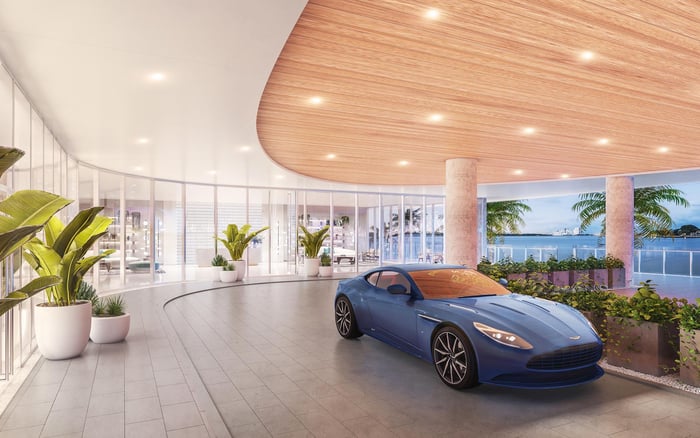
A private elevator is only as private as the route leading to it. Follow the journey from street to porte cochere, vehicle handoff, garage or lobby access, elevator call, and residence threshold. Note where residents, guests, deliveries, staff, movers, and contractors intersect. Privacy can be diluted well before the elevator doors close.
A serious tour should extend beyond a staged arrival. Ask to observe a busy period and consider rainy-day conditions. Determine whether residents may self-park, retrieve vehicles directly, or use a separate entrance. Ask how guest vehicles, ride-share pickups, bicycles, packages, and oversized deliveries are handled. For households with pets, the route from the residence to an exterior relief area can be as important as the formal lobby experience.
Apply the same discipline when comparing Bay Harbor Islands offerings. Review Alana Bay Harbor Islands as one starting point, but confirm all current access, parking, staffing, and elevator details in the applicable materials before drawing conclusions.
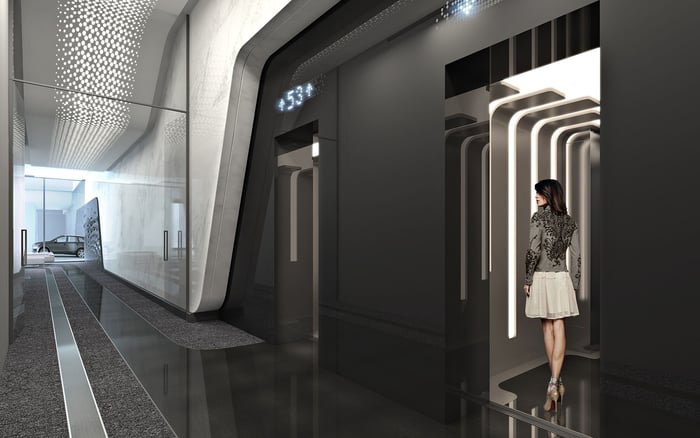
Direct elevator entry can create a composed transition into the home, particularly when the elevator opens into a controlled vestibule rather than directly into the living space. Buyers should examine credentialing, visitor authorization, camera placement, service access, fire-life-safety procedures, and the ability to secure the interior landing. Ask whether another passenger can reach the floor and what happens if access technology or power is interrupted.
Exclusivity can also create dependence. If one elevator is assigned to a limited group of residences, redundancy becomes a central concern. Where is the alternate route? Does it pass through a service corridor? Can groceries, luggage, art, and furniture move through it comfortably? A feature that feels effortless under normal conditions should also be judged by its fallback plan.
Comparable due diligence can begin with Bay Harbor Towers and Onda Bay Harbor. These links offer useful orientation, but do not replace confirmation of the precise systems serving a particular residence.
Lifestyle fit begins with an honest account of daily habits. Owners who entertain frequently may appreciate a managed guest arrival. Collectors may care more about garage access, vehicle-handling rules, and retrieval procedures. Families may prioritize car seats, strollers, school-run timing, and multiple simultaneous departures. A second-home owner may value an attended presence, but should still understand after-hours coverage and key-control procedures.
Consider the physical home as part of the circulation plan. Does the elevator landing provide enough room for luggage without exposing the interior? Is there a practical service route to the kitchen? Can balcony furniture or large artwork reach the residence? Does reliance on valet service add friction when several household members need cars at once?
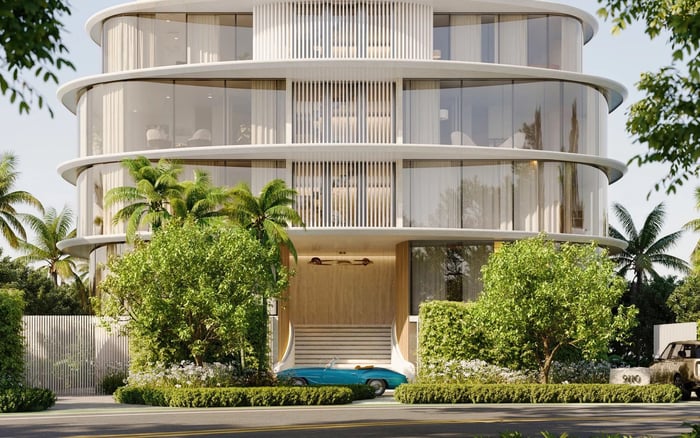
Project scale also shapes expectations. Boutique living may reduce the number of neighbors using shared spaces while spreading certain fixed costs across fewer residences. Waterfront conditions can make material durability, equipment protection, and maintenance planning especially relevant topics for professional review. Buyers considering The Well Bay Harbor Islands can apply the same framework: map each movement, identify every dependency, and price the operating model rather than the marketing phrase.
Create three columns: essential, preferred, and unnecessary. Sort private landing configuration, self-parking, valet hours, vehicle retrieval, guest authorization, delivery routing, elevator redundancy, service access, and emergency procedures among them. After reviewing the documents, add the estimated recurring and potential capital exposure associated with each system.
Then conduct scenario tests. Imagine arriving with children and luggage, hosting several couples, leaving before dawn, receiving a large delivery, or returning during heavy rain. Ask management or the appropriate representative to explain each sequence. Where permitted, observe rather than assume.
Finally, compare the operational answers with the home itself. Views and finishes may shape the first impression, but circulation governs the repeated experience. The most suitable residence is not necessarily the one with the most services. It is the one whose service architecture supports privacy and convenience at a carrying cost the owner considers proportionate.
Does private elevator access guarantee complete privacy? No. Privacy depends on the full route, access controls, shared landings, service circulation, and visitor protocols.
Can a private elevator increase carrying costs? It can add maintenance, inspection, repair, utility, reserve, and modernization exposure, depending on ownership and allocation structures.
Is valet service always mandatory? Not necessarily. Buyers should confirm whether self-parking, direct retrieval, and after-hours access are permitted.
What valet documents deserve review? Examine budgets, vendor agreements, insurance treatment, staffing assumptions, operating rules, and relevant meeting materials with advisers.
Why does elevator redundancy matter? An alternate route can preserve access when the primary elevator is being serviced or is otherwise unavailable.
How should seasonal owners assess valet value? Compare annual cost exposure with expected occupancy while considering vehicle storage, key control, and arrival convenience.
What should families test during a tour? Rehearse school runs, multiple-car departures, stroller movement, guest arrivals, packages, and bad-weather handoffs.
Can a smaller building be less expensive to operate? Not automatically. Fewer residences may share certain fixed staffing, equipment, maintenance, and reserve obligations.
Should buyers rely on a sales presentation for access details? No. Verify the applicable plans, rules, budgets, agreements, and residence-specific configuration before making a decision.
What is the best overall test of lifestyle fit? Map routine and exceptional days, then decide whether the building’s circulation and service model reduce or introduce friction.
For a discreet conversation and a curated building-by-building shortlist, connect with MILLION.
If branded residences are on your mind — as a home or as an allocation — we would be glad to share what we are seeing, privately.
Begin a quiet conversation