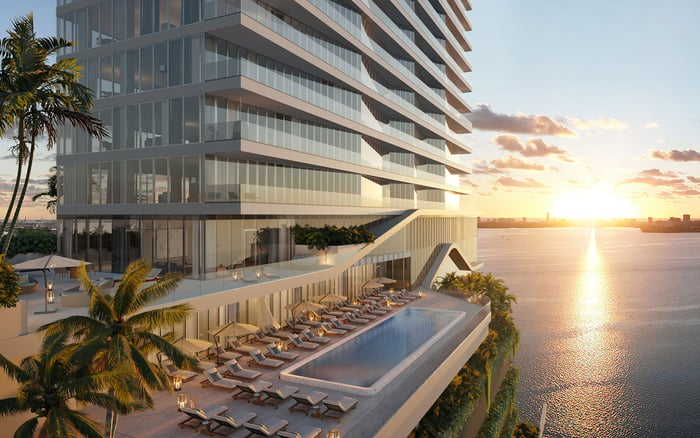
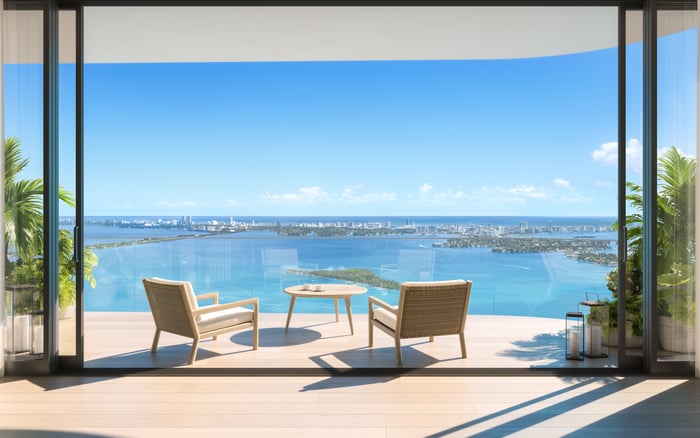
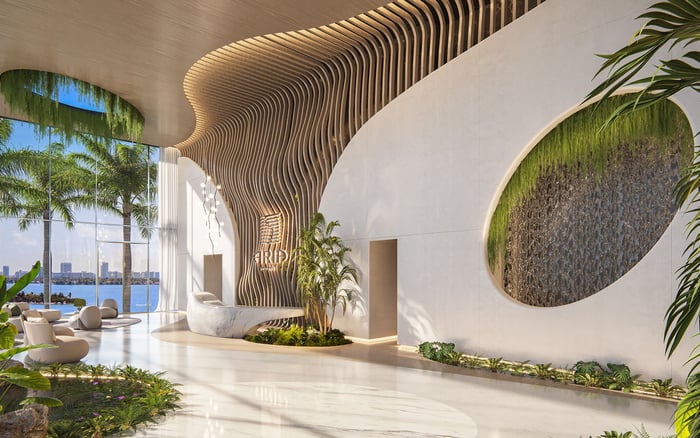
In Edgewater’s next wave of waterfront living, the choice is less about square footage and more about operating philosophy. Some buyers want a hospitality platform that feels like a private club with staffing, guest accommodations, and on-site dining; others want a smaller resident population with an amenity stack designed to serve owners, not transient turnover. This editorial looks at two defining case studies: EDITION Residences Miami Edgewater, positioned as the world’s first stand-alone EDITION branded residences, and Cove Miami, a boutique 40-story condominium with 116 residences and a notably robust, resident-only amenity program. Both aim at the same ultra-luxury buyer, but they deliver lifestyle in fundamentally different ways.
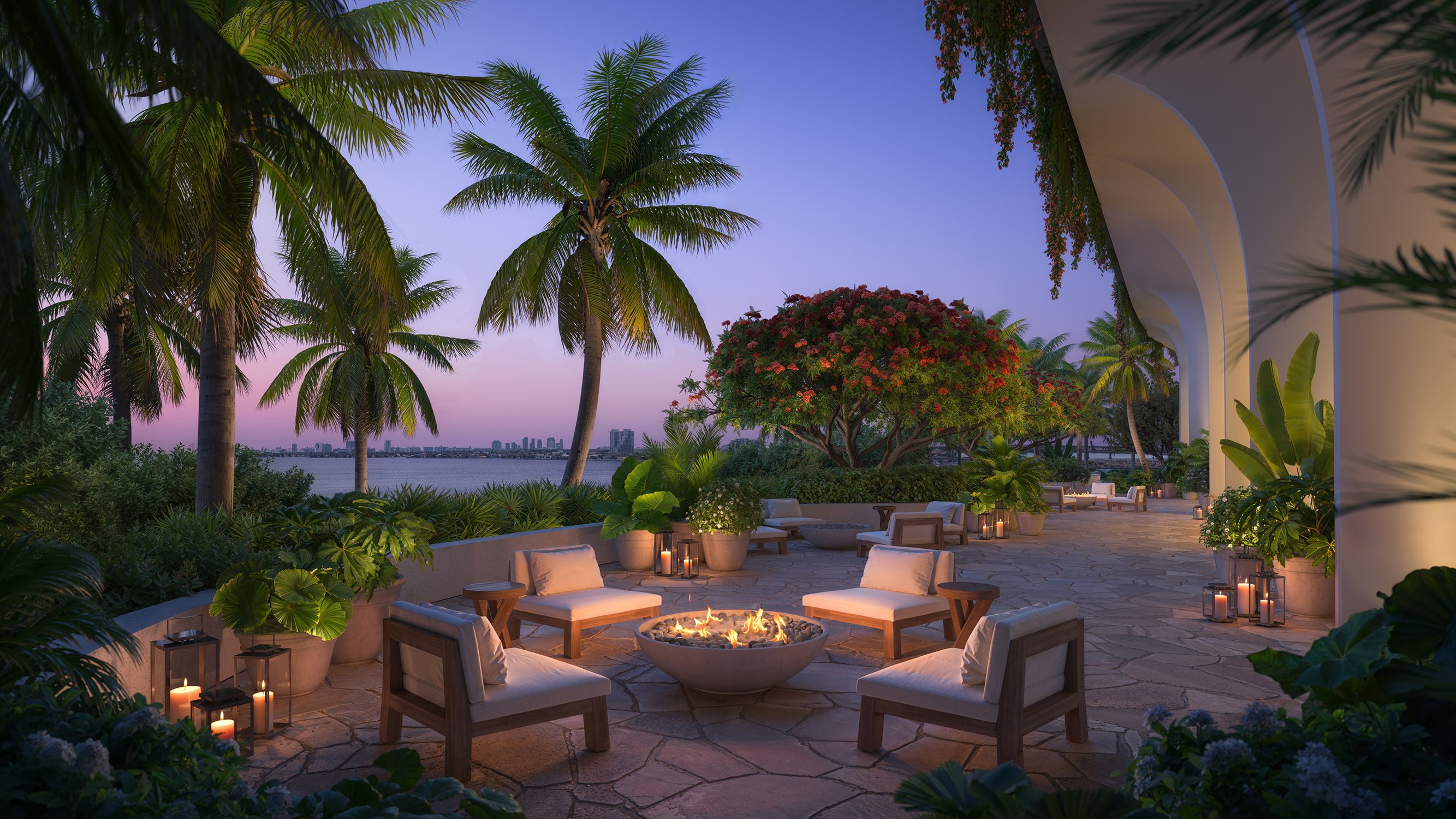
Edgewater’s rise from a well-located corridor into a premier luxury address has been steady and visible: a dependable cadence of design-forward towers, a more curated restaurant and cultural mix, and a waterfront lifestyle supported by public green space. As the neighborhood matures, the most consequential differentiator is no longer “new” versus “older” inventory. It is the ownership experience model that comes with the building.
Two projects capture this split with unusual clarity. EDITION Edgewater is a 55-story, 185-residence waterfront tower by Two Roads Development, marketed as the world’s first stand-alone EDITION branded residences. Cove Miami is a 40-story boutique luxury condominium with 116 residences, framed around resident-only lifestyle spaces and privacy-forward living.
For sophisticated buyers, the decision is operational as much as aesthetic. It is about how the building runs day to day: who is on site, how guests are accommodated, whether social spaces feel animated or hushed, and whether the property’s posture is shaped by a hospitality platform or by traditional condominium priorities.
Miami is widely described as one of the world’s largest branded-residences markets. Branded residences are also often associated with a measurable buyer premium compared with non-branded product. That premium is rarely just name recognition. It usually reflects an operating promise: established service culture, consistent standards, and a lifestyle narrative that extends beyond the architecture.
In practice, branding can influence the tone of a building. Training, response expectations, and even the design and programming of shared spaces often borrow from the hotel world. For many owners, that is precisely the appeal. For others, it can feel more structured, more activated, and more socially oriented than they want.
By contrast, a non-hotel, resident-first condominium can deliver a comparable level of finish and amenity sophistication without importing a hospitality identity. In Edgewater, the distinction increasingly shows up in how amenity decks are conceived and in the services developers choose to spotlight publicly, from guest accommodations to medical concierge relationships.
EDITION Residences Miami Edgewater is positioned for owners who want the sensibility of a top hotel without the turnover of a hotel within the same property. Two Roads Development describes it as a stand-alone EDITION branded residences concept, meaning it is residential-only while still aligned with EDITION’s hospitality-driven platform.
The lifestyle signaling is direct. Amenity programming includes multiple resident lounges and entertainment environments designed with hotel-style energy, including private dining and lounge-oriented settings, plus a screening room. Wellness is also framed in spa language, paired with a fitness center and studios.
A particularly telling feature is the inclusion of dedicated on-site guest suites for visiting friends and family. In South Florida, guest suites remain relatively uncommon in standard condominium towers, and their presence meaningfully changes how owners host. It can reduce friction around visitors while protecting the privacy of the residence itself.
EDITION also integrates an on-site food-and-beverage concept as part of the resident lifestyle model. For certain buyers, this becomes as important as the pool or gym. It can make the building a default meeting point and encourage a subtle, social rhythm that reads like a private club, supported by a recognizable service culture.
Cove Miami takes a different approach: less about a global hospitality flag and more about a controlled, boutique environment with a smaller resident population. With 116 residences in a 40-story tower, it positions itself against larger buildings where amenity areas can feel crowded and where ownership may lean toward higher turnover.
Cove markets a 42,000-plus square foot amenity program spanning multiple levels and a rooftop, emphasizing spaces designed for residents rather than hotel operations. The social and entertainment mix is explicitly owner-centric: a theater or performance-style room, lounges, and private dining anchored by a chef’s-kitchen-style entertaining environment.
Wellness is treated as a core pillar, not an add-on. Cove highlights a resort-style pool and spa components such as a hammam, sauna, and cold plunge, alongside a fitness program that includes spin and yoga programming. The intent is clear: a self-contained routine that reduces the need to leave the building for everyday wellness.
Cove has also publicly announced an exclusive in-house medical concierge relationship with LEAA (Local Emergency And Advanced Care). It reflects a broader ultra-luxury shift in Miami: wellness framed not only as ambiance, but also as access and responsiveness. Separately, Cove markets a Zipcar partnership as part of the resident experience, positioning on-demand vehicle access as a practical lifestyle service.
Finally, Cove’s service model is presented as traditional condominium living with a privacy-forward message that emphasizes rental restrictions versus short-term turnover. While buyers should review rules carefully during diligence, the market positioning is consistent: continuity, calm, and a more discreet building rhythm.
Edgewater’s most competitive new buildings increasingly share the same objective: replicate the best parts of five-star hospitality while keeping the ownership experience controlled.
In a branded setting, hospitality tends to show up through programming and maintenance: lounges designed for lingering, screening rooms that feel like private cinemas, guest suites that normalize hosting. In a non-hotel condominium, similar outcomes can be achieved by dedicating meaningful square footage and operational focus to resident-only spaces.
The more useful question is not “does the building have a screening room?” It is “who is it for, and what does it feel like on a Tuesday night?” A socially oriented building can be energizing for a primary resident who wants community, and it can feel like unnecessary noise for an owner who travels and prefers quiet re-entry.
Edgewater’s value proposition is not limited to new construction. The neighborhood’s outdoor appeal is anchored by Margaret Pace Park, a major public waterfront park that supports an active lifestyle for nearby residents. In practical terms, it offers an easy daily loop for walking or running, open-air workouts, and a simple reset when Miami’s pace accelerates.
This context also influences how you value a building’s amenity stack. If your outdoor “third space” is the bayfront park, you may place less weight on certain programmed social offerings. If you want the building to function as a full ecosystem, then lounges, private dining, guest accommodations, and spa-style programming become more central to your daily calculus.
Either way, Edgewater benefits from proximity to Miami’s commercial and cultural centers while retaining a more residential feel than higher-traffic corridors. For many buyers, that balance reads as more livable.
For ultra-premium buyers, this choice is best evaluated through four lenses.
First: identity and consistency. A branded residence can deliver a coherent service expectation tied to a hospitality platform. If you value predictable standards and the feeling of being actively looked after, that structure can be compelling.
Second: privacy and control. A smaller resident population combined with a traditional condominium posture can feel calmer and less performative. If discretion and a quieter building rhythm are priorities, boutique scale often reads as more intentional.
Third: hosting. If entertaining is central to your lifestyle, guest suites and private dining environments reduce friction. The differentiator is the flavor of hosting: a hotel-like experience supported by branded operations versus a residents-only entertaining suite designed to feel clubby but private.
Fourth: wellness as infrastructure. Spa components, studios, and programming matter most when you use them consistently. A publicly disclosed medical concierge relationship, as in Cove’s case, signals an expanded interpretation of wellness focused on access, not only ambiance.
Many Edgewater buyers keep a second map open: Miami Beach. The appeal is straightforward: iconic shoreline, an established luxury culture, and residential projects that have long integrated service and lifestyle into the ownership proposition.
If your benchmark is Miami Beach hospitality and design, it helps to view the broader ecosystem that normalized those expectations. Properties like Setai Residences Miami Beach and Faena House Miami Beach have helped define what service-forward living can feel like in a coastal setting. Meanwhile, newer additions such as Five Park Miami Beach reflect continued demand for amenity-rich, lifestyle-centric towers.
The point is not that Edgewater is copying Miami Beach. It is that the standards shaped on the beach are increasingly influencing what buyers expect across the bay: credible wellness, common spaces that are genuinely usable, and a service model that is easy to understand.
What is the primary difference between EDITION and Cove? EDITION is positioned as hospitality-driven branded residences, while Cove emphasizes boutique, resident-only condominium living.
Is EDITION Residences Miami Edgewater paired with a hotel? It is marketed as a stand-alone EDITION branded residences concept, meaning residential-only.
What kind of entertainment amenities does EDITION highlight? It includes multiple lounges and entertainment spaces such as private dining and a screening room.
What wellness elements are emphasized at EDITION? A spa-style program alongside a fitness center and studios.
What makes Cove Miami feel more boutique? It is a 40-story tower with 116 residences, aiming for a smaller resident population than many larger towers.
What types of social spaces does Cove include? Resident-focused venues such as a theater or performance room, lounges, and private dining with a chef’s-kitchen-style setup.
Does Cove offer any unique service relationships? Cove publicly announced an exclusive in-house medical concierge relationship with LEAA.
How does Cove address mobility and convenience? It markets a Zipcar partnership as part of the resident experience.
Why is Edgewater appealing beyond the buildings? Its waterfront lifestyle is supported by major public green space like Margaret Pace Park.
Are branded residences common in Miami? Miami is widely described as one of the world’s largest branded-residences markets, and branded product is often associated with a buyer premium.
Explore South Florida’s most discerning residences with MILLION Luxury.
If branded residences are on your mind — as a home or as an allocation — we would be glad to share what we are seeing, privately.
Begin a quiet conversation