In Edgewater, wellness amenities have shifted from spa-adjacent perks to buyer-facing performance features. Two of the most requested modalities, red light therapy and contrast hydrotherapy, sit at the intersection of recovery culture, design, and operations. Here is how to evaluate what developments actually deliver, what matters for daily use, and how to compare offerings without getting lost in marketing language.
Edgewater has matured into a lifestyle district where buyers compare more than views and layouts-they assess how a building supports the body between travel days, long meetings, and training cycles. In that context, red light therapy and contrast hydrotherapy are no longer niche. They have become shorthand for a development’s seriousness about recovery, and for its willingness to dedicate prime amenity square footage to something quiet, repeatable, and measurable.
For the luxury buyer, the question isn’t whether these modalities are “trending.” It’s whether the offering is designed for consistent, private use-and whether the building can operate it at a standard that feels closer to a members club than a shared condo gym. That distinction is often where value is created, or lost.
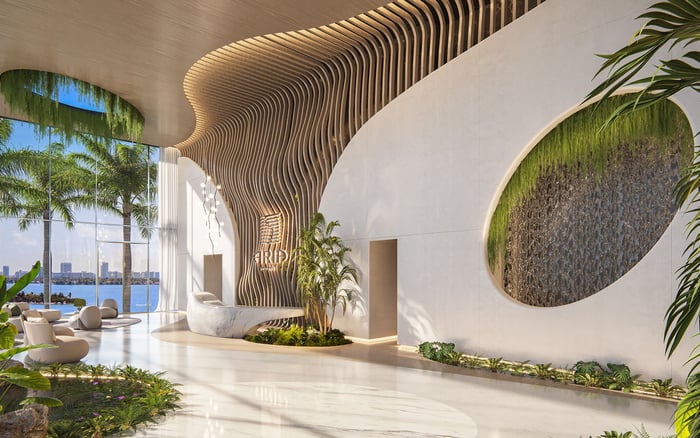
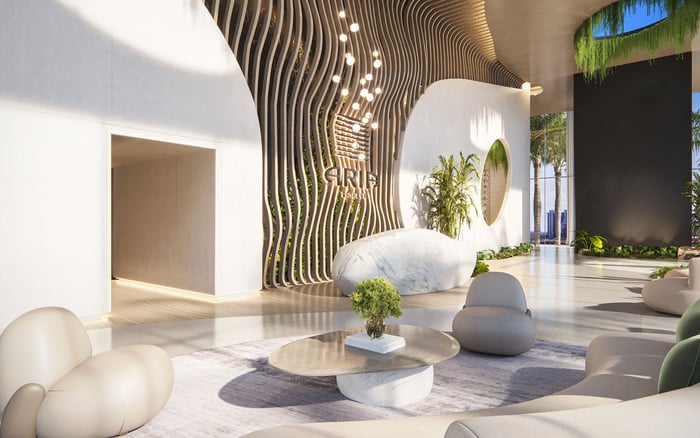
Edgewater’s newest towers increasingly position wellness within a broader hospitality posture, with amenity floors that read like curated destinations rather than afterthoughts. Developments such as Aria Reserve Miami, EDITION Edgewater, Villa Miami, and Cove Miami help define what buyers now expect in the neighborhood: a wellness program with real architectural intent.
Red light therapy is easy to market-and just as easy to under-deliver. A small panel bolted to a wall in a mixed-use gym area is not the same as a dedicated, reservation-based suite residents actually use. On tour, focus on the signals of performance, comfort, and repeatability.
First, evaluate the physical setup. A credible experience typically requires enough coverage to treat more than a small area at a time, plus the space to stand or recline without feeling exposed. In luxury buildings, prioritize an enclosed room or a well-screened alcove. If the device sits in a high-traffic corridor, most residents won’t use it consistently, regardless of brand.
Second, confirm how usage is managed. The strongest implementations feel like a private appointment: timed sessions, clear instructions, and a reservation process that’s frictionless. If the building relies on informal “first come, first served” etiquette, the amenity tends to be either monopolized or ignored.
Third, scrutinize hygiene and materials. Red light rooms can run warm and quickly feel uncomfortable if ventilation is an afterthought. Ask where residents place personal items, whether surfaces are truly wipeable, and how turnover is handled between sessions. In practice, luxury is less about the device and more about the operational calm around it.
Finally, look for a broader wellness narrative. From a lifestyle standpoint, red light therapy works best when it sits inside a sequence-mobility, light cardio, recovery. Buildings that plan for that flow typically position red light near stretching space, treatment rooms, or a quieter part of the amenity floor, rather than directly beside loud free weights.
Contrast hydrotherapy is where wellness design either becomes a true ritual-or collapses into a one-time novelty. The modality is simple: alternating heat and cold exposure. The user experience, however, is highly sensitive to execution.
Start with the circuit logic. A strong contrast setup lets a resident move naturally from heat to cold and back again without crossing public zones, dripping through a lobby-like spa, or waiting for equipment. The more seamless the loop, the more likely it becomes part of weekly life.
Next, examine privacy. Contrast therapy is intimate, even in swimwear. Premium buildings that do this well typically create separation through partitions, controlled lighting, and sound dampening. If the cold component is a bright, exposed tub beside the pool deck, most owners will skip it except when entertaining guests.
Then consider safety and supervision. Cold exposure can be intense. In the best environments, staff training, clear signage, and a well-considered layout reduce risk without feeling clinical. If a building can’t articulate basic protocols, it’s a signal that maintenance and long-term operability may be inconsistent.
Finally, ask about reliability. Contrast amenities are mechanical-chillers, heaters, filtration, and finishes that must withstand constant moisture and chemical treatment. A beautiful room that is frequently “down for service” is, functionally, not an amenity.
In Edgewater, many developments describe wellness in similar language. Your edge comes from questions that force specificity-especially around operations.
Reservation and access: Is the red light suite reservable in a residents app, at the desk, or not at all? Are sessions timed? Are there peak-hour limits? Can guests use it? These answers reveal whether the amenity is designed for equitable daily use or for brochure photography.
Temperature and performance: For contrast hydrotherapy, ask whether temperatures are fixed or adjustable, and how quickly the cold component recovers between uses. Even if exact numbers aren’t shared, the team should be able to describe the experience consistently.
Cleaning and turnover: Who cleans the room, how often, and on what cadence? Is there a documented routine or an informal expectation? A luxury building should treat these spaces with the same seriousness as its lobby.
Liability and waivers: Some buildings require resident acknowledgments for certain modalities. This isn’t necessarily negative, but it does indicate how formally the amenity is managed.
Costs and fees: Is access included in standard dues? Are there per-use charges, package options, or private bookings? Clarity matters-especially when buyers are comparing multiple buildings with similar monthly numbers.
When you strip away brand-name claims, the most useful evaluation tool is spatial literacy. Luxury buyers can read a room quickly, and wellness spaces are no exception.
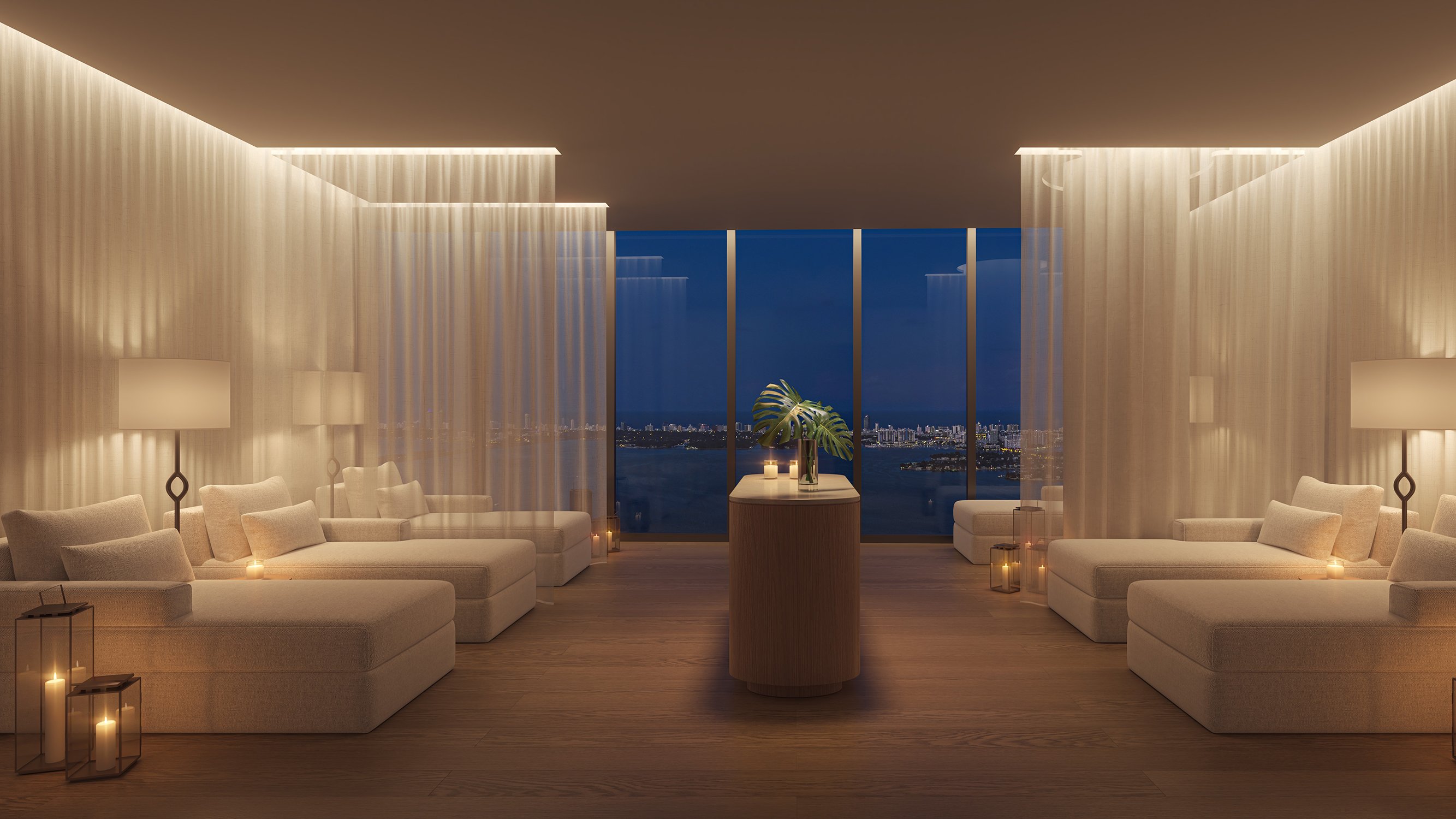
Sound and light control matter. Red light therapy benefits from a calm, dim environment, while contrast hydrotherapy becomes far more usable when lighting is flattering and not overly bright. If the wellness area feels like an extension of the gym rather than a destination, residents who prioritize recovery won’t build the habit.
Materials tell the truth. In wet zones, look for details that hold up: non-slip surfaces, resilient stone or porcelain, properly detailed drains, and hardware that doesn’t feel like a budget retrofit. If the room looks pristine on opening day but seems easy to stain or scuff, it won’t present as luxury for long.
Circulation is a hidden differentiator. The strongest wellness programs allow you to arrive, change, do the circuit, and leave without feeling on display. In Edgewater, where many owners entertain and host, discretion isn’t a preference-it’s a lifestyle requirement.
Wellness amenities can influence buyer decision-making in three ways: daily livability, identity signaling, and competitive resale positioning.
Daily livability is straightforward. Residents who train, travel frequently, or manage demanding schedules tend to choose buildings that reduce friction. When red light therapy and contrast hydrotherapy are easy to access and genuinely pleasant to use, they become part of the reason someone renews a lease, keeps a second home, or chooses not to relocate.
Identity signaling is more nuanced. A building that offers thoughtful recovery modalities communicates a specific kind of luxury: health-forward, performance-oriented, and contemporary. That aligns with how many modern buyers want to live-especially those who view wellness as part of productivity.
Resale positioning is increasingly relevant. As more Edgewater developments compete at the premium end, differentiation shifts to the amenity program and its execution. A buyer may compare multiple options with similar views and finishes; the building that delivers a private, reliable wellness routine often wins the emotional decision.
It’s tempting to compare wellness programs across the entire Miami market, but Edgewater’s advantage is concentration. Many buyers can tour multiple buildings in one afternoon and quickly sense which properties treat recovery as a true pillar.
Some shoppers will still cross-shop Brickell or other waterfront pockets for a more urban or more resort-forward feel. If you do, keep your criteria consistent: privacy, operability, and the ability to repeat the ritual without scheduling stress.
A building doesn’t need to promise everything. It needs to deliver a few things exceptionally well. When a wellness program is designed as a sequence, managed with intention, and maintained to a high standard, it becomes part of the property’s everyday luxury.
What is red light therapy in a residential amenity context? It typically refers to an on-site light therapy suite or device intended for short, repeatable recovery sessions.
What is contrast hydrotherapy in a condo building? It is usually a hot-and-cold circuit such as sauna plus cold plunge or similar cooling component for recovery.
How can I tell if a red light setup is truly usable day to day? Look for privacy, easy reservations, good ventilation, and clear cleaning routines that support frequent use.
Do these amenities require staffing to be worthwhile? Not always, but strong management, protocols, and maintenance planning often matter more than headcount.
Should I expect additional fees for wellness modalities? Some buildings include access in dues, while others may charge per session or for private bookings.
What privacy features should I look for with contrast therapy? Enclosed or screened areas, discreet circulation, and sound control make the experience far more practical.
Are these features more important than a large fitness center? For many buyers, recovery amenities complement fitness and can be the deciding factor when gyms look similar.
What maintenance red flags should I watch for on a tour? Ask how often equipment is down, who services it, and whether temperature and filtration are consistent.
Can these amenities influence resale appeal in Edgewater? Yes, because wellness programs can differentiate comparable towers when buyers are choosing on lifestyle.
What is the best way to compare multiple Edgewater developments quickly? Use the same checklist each time: privacy, operations, reliability, and how seamlessly the ritual can repeat.
For a tailored shortlist and next-step guidance, connect with MILLION Luxury.
If branded residences are on your mind — as a home or as an allocation — we would be glad to share what we are seeing, privately.
Begin a quiet conversation