A buyer-focused editorial guide to evaluating wellness-positioned luxury residences through operations, governance, costs, resilience, service standards, and future resale liquidity.
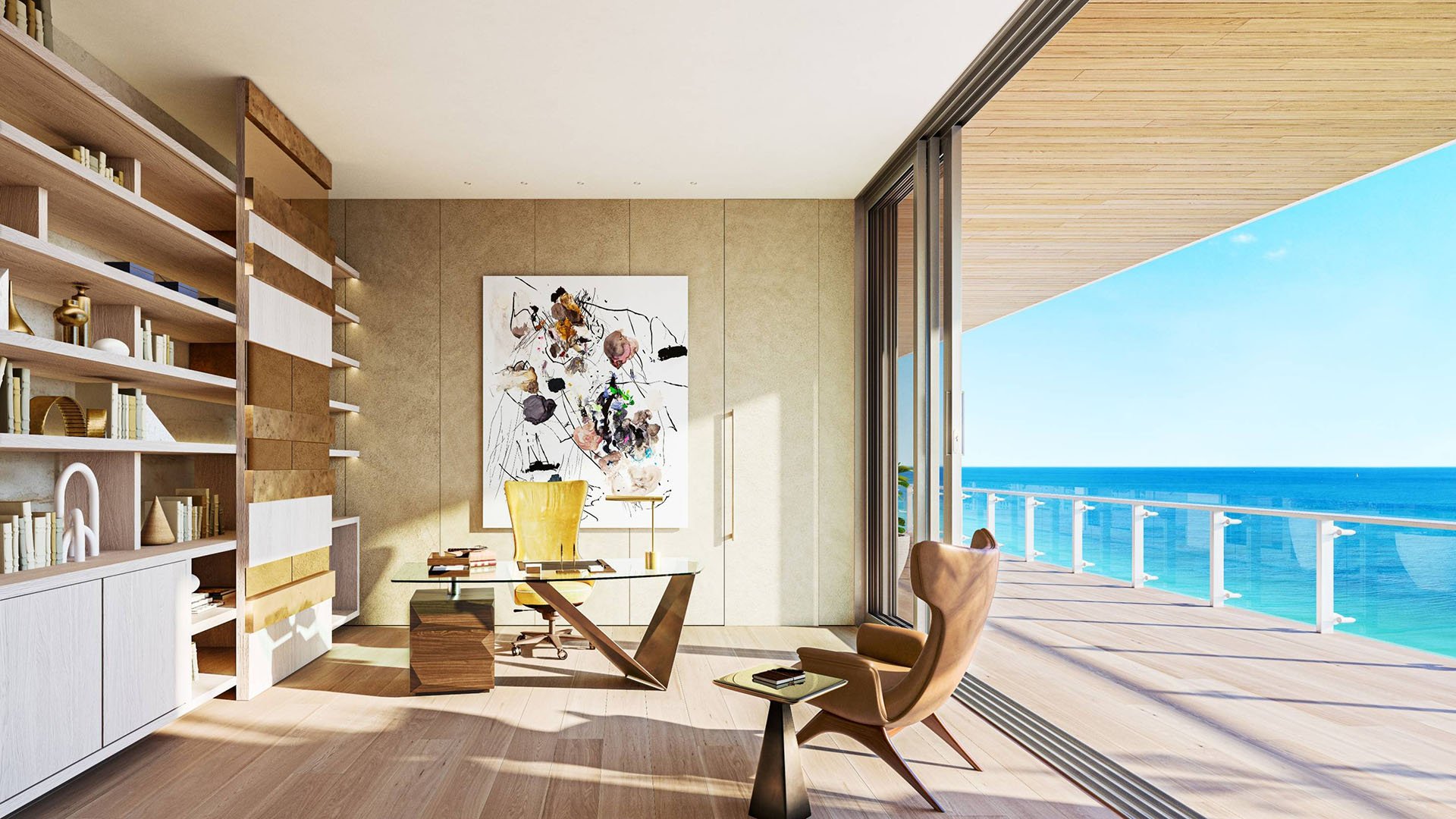
For South Florida’s ultra-premium buyer, evaluating a luxury condominium now extends well beyond finishes, views, and price per square foot. The more consequential question is operational: what, exactly, is the buyer inheriting after closing? In projects shaped by wellness, hospitality, service, and brand identity, the residence is only one part of the acquisition. The other is a living operating system: association budgets, amenity staffing, rules, insurance exposure, service standards, maintenance obligations, and resale dynamics.
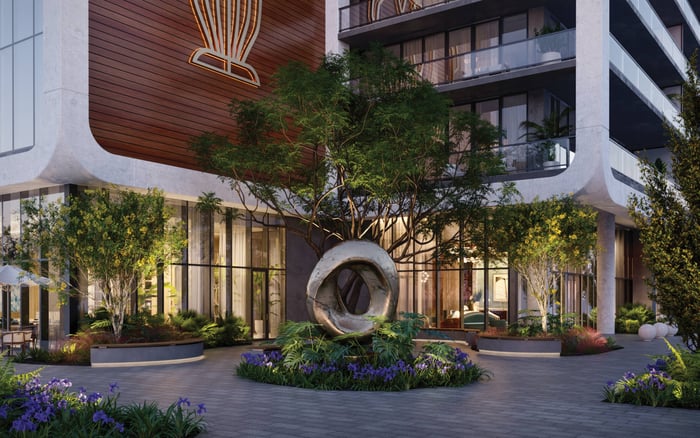
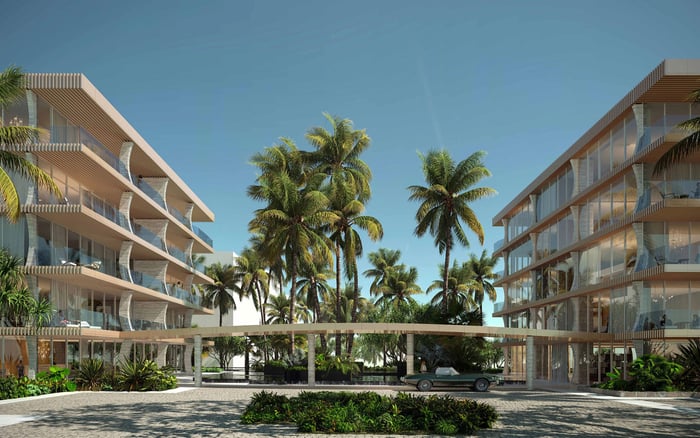
That is the lens buyers should bring to 57 Ocean Miami Beach, The Well Coconut Grove, and Banyan Tree Residences West Palm Beach. Each name speaks to a market in which lifestyle is not merely a backdrop. It is part of the value proposition. The diligence challenge is determining whether that proposition is durable, well governed, and appropriately funded.
The most sophisticated purchasers are no longer asking only, “What does the unit cost?” They are asking, “What does the building require to remain exceptional?”
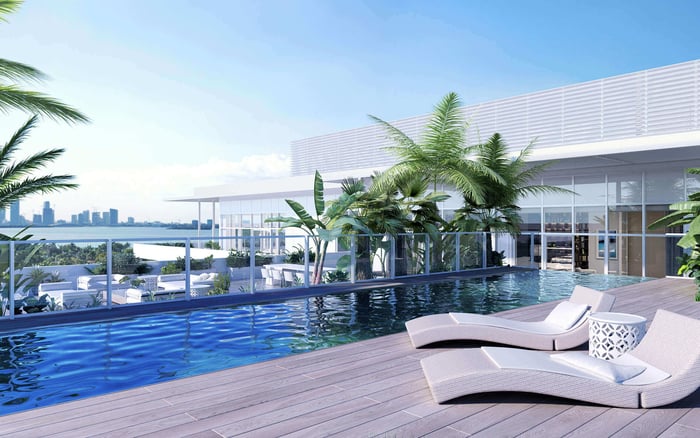
57 Ocean Miami Beach is positioned as a boutique, oceanfront, wellness-oriented residential concept. That gives buyers two parallel diligence tracks. The first is experiential: how the building feels, how private it is, how its amenities support daily living, and whether the wellness identity is meaningful to the household. The second is structural and financial: whether the association, maintenance plan, and insurance framework can support that experience over time.
For a Miami Beach oceanfront residence, coastal resilience belongs at the center of the review. Buyers should examine insurance costs, building maintenance obligations, exposure to climate risks, and the reserve planning needed to maintain a high-service asset in a demanding waterfront environment. A beautiful oceanfront setting can be an enduring advantage, but only when paired with disciplined building stewardship.
The wellness component deserves equal scrutiny. Buyers should distinguish between programming embedded in durable building operations and programming that functions primarily as marketing language. A true wellness-oriented residence has implications for staffing, vendor relationships, maintenance, scheduling, access rules, and ongoing owner costs. The more robust the amenity promise, the more important the budget behind it becomes.
Resale liquidity is another essential theme for 57 Ocean Miami Beach. Boutique scale and oceanfront identity can appeal to a specific luxury buyer, but future demand will still depend on carrying costs, operational consistency, perceived construction quality, and the building’s ability to maintain its lifestyle standard without undue financial pressure.
The Well Coconut Grove sits within South Florida’s amenity-rich, wellness-branded luxury residential market. For buyers, the central question is not whether wellness has market appeal. It plainly does. The more refined question is whether the wellness platform is clear, enforceable, and financially aligned with the ownership structure.
Diligence should begin with the scope of services and branded programming. Buyers should ask what is included, what is optional, what may change, and what obligations are embedded in the governing documents. A wellness brand can create daily value, but that value depends on execution. If amenities require unusually high staffing, specialized maintenance, recurring vendor agreements, or elevated service levels, those costs must be visible in the association budget.
Coconut Grove adds another layer. The neighborhood is prized for its softer urban rhythm, canopy, waterfront proximity, and residential feel. A project such as The Well Coconut Grove must be assessed not only as a building, but as a lifestyle proposition within Coconut Grove. The question is whether the brand deepens the Grove experience or narrows the buyer pool to purchasers specifically seeking a wellness-branded environment.
Future resale should be considered with nuance. Branded residences can support confidence when the brand promise is understood, professionally administered, and valued by the next buyer. They can also narrow liquidity if future purchasers view the programming as too specific, too costly, or too dependent on management quality. The diligence task is to determine which outcome is more likely based on documents, budgets, and rules rather than presentation alone.
For buyers evaluating Banyan Tree Residences West Palm Beach, the most prudent approach is to apply the same discipline used for wellness and lifestyle-led projects across South Florida. West Palm Beach has become increasingly relevant to luxury buyers seeking a polished urban setting, cultural access, and proximity to Palm Beach without replicating its exact residential character. That broader appeal makes operating quality especially important.
Because the topic here is due diligence rather than marketing comparison, the buyer’s checklist should remain grounded in documents. Review the association structure, budget assumptions, service obligations, amenity rules, insurance framework, construction and maintenance responsibilities, and any branded or hospitality-related commitments that affect owners. If the project’s identity depends on a service culture, buyers should understand how that culture is funded and governed.
The same principle applies across West Palm Beach and Miami Beach alike: a luxury residence must be evaluated as a long-term ownership position. The right question is not whether the brand or lifestyle sounds compelling today. It is whether the operating structure gives that promise a credible path to remain compelling years after delivery or resale.
Across 57 Ocean Miami Beach and The Well Coconut Grove, the core due-diligence theme is that buyers are assessing an operating ecosystem, not only a physical condominium unit. That ecosystem is documented in budgets, rules, association materials, service standards, management contracts, and maintenance planning. Marketing language may frame the experience, but governance documents define what owners can actually rely on.
Buyers should compare promised amenities and services against the documents that will control daily life. Are service standards described with clarity? Are owner costs projected realistically? Are amenity hours, reservation rules, guest policies, and staffing assumptions consistent with how the buyer expects to use the property? Are wellness services included, à la carte, or subject to future revision? These questions can materially affect both quality of life and monthly carrying costs.
The budget should be read as a lifestyle document. A low association estimate may look attractive, but if it does not adequately support staffing, maintenance, insurance, reserves, and amenity operations, the buyer may face future increases or service compromises. Conversely, a higher carrying cost can be rational if it is transparent, well justified, and consistent with the level of service expected in an ultra-premium building.
Resale in the wellness-luxury category depends on more than market mood. It depends on whether the building’s identity continues to feel relevant, whether its costs remain understandable, and whether its operations perform at the level promised. Buyers should ask how broad the future audience may be. Is the residence appealing to a general luxury buyer, a wellness-specific buyer, a second-home buyer, or a narrow subset seeking a particular branded experience?
This is especially important in a market where lifestyle, new construction, and branded concepts often overlap. The more specialized the offering, the more the buyer should evaluate depth of demand. A distinctive identity can enhance value when it is rare and well executed. It can become a constraint if future purchasers perceive the operating model as expensive, rigid, or unclear.
For the best-capitalized buyers, the smartest posture is not skepticism. It is precision. Luxury today is increasingly defined by the quality of management after the keys are delivered.
What is the main due-diligence theme for these projects? Buyers should evaluate the full operating ecosystem, including amenities, budgets, governance, insurance, staffing, and resale liquidity.
Why is 57 Ocean Miami Beach different from a conventional condo review? Its boutique, oceanfront, wellness-oriented positioning makes operations, coastal maintenance, and insurance exposure especially important.
What should buyers ask about The Well Coconut Grove? They should examine the scope, cost, and enforceability of wellness services, branded programming, staffing, and future owner obligations.
How should buyers approach Banyan Tree Residences West Palm Beach? Buyers should apply an operating-first review focused on documents, budgets, amenity obligations, insurance, and long-term service standards.
Are wellness amenities always positive for resale? Not automatically. They may support value if well executed, but they can narrow the buyer pool if costs or obligations feel too specialized.
What documents matter most before contract commitment? Association budgets, rules, service descriptions, reserve planning, insurance assumptions, and governance materials deserve close review.
Should buyers focus on price per square foot? Price per square foot is only one metric. Carrying costs, service quality, maintenance planning, and resale depth may matter more over time.
Why are association costs so important in wellness-branded buildings? Elevated amenities often require staffing, maintenance, vendors, and management oversight, all of which can shape monthly ownership costs.
How does climate exposure affect Miami Beach due diligence? Oceanfront buyers should evaluate insurance, maintenance obligations, resilience planning, and the long-term cost of coastal ownership.
What separates marketing from durable value? Durable value is supported by enforceable documents, realistic budgets, consistent operations, and services that can be maintained over time.
To compare the best-fit options with clarity, connect with MILLION.
If branded residences are on your mind — as a home or as an allocation — we would be glad to share what we are seeing, privately.
Begin a quiet conversation