A buyer-focused look at Jade Signature Sunny Isles Beach, where direct ocean exposure makes terrace design, furniture selection, cleaning routines, and long-term upkeep central to luxury ownership.
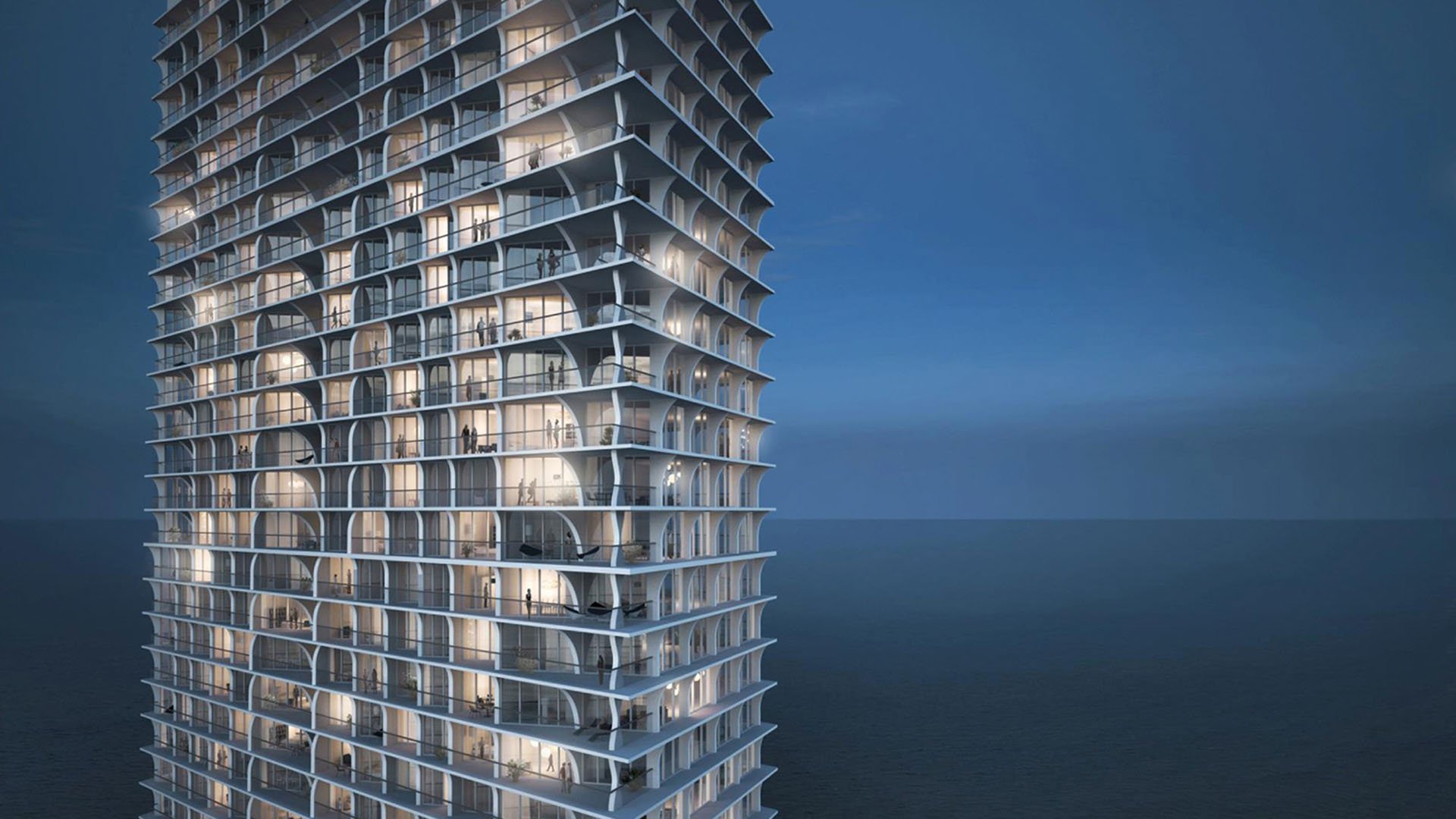
Jade Signature Sunny Isles Beach is not simply an oceanfront condominium with outdoor space. It is a building where the terrace is central to the architectural premise. Designed by Herzog & de Meuron, the tower treats geometry, exposure, and indoor-outdoor living as defining parts of the residential experience rather than decorative additions.
That distinction matters because a direct Atlantic position changes how a buyer should read a floor plan. The terrace is not a casual balcony appended to a living room. It is a daily-use exterior room, a view platform, a dining setting, a place for morning light, and, just as importantly, the most climate-exposed part of the residence.
At Jade Signature Sunny Isles Beach, the privilege is immediacy: ocean air, horizon views, and a strong physical relationship to the beach. The responsibility is just as clear. Salt air, wind, humidity, sun, and storm-driven spray all influence what should be placed outside, how often it should be cleaned, and how carefully it should be inspected over time.
In South Florida luxury real estate, direct ocean frontage often carries the emotional premium. Buyers want the view, the sound, the light, and the sense of living at the edge of the Atlantic. Yet the same exposure that creates that premium also asks more from the owner.
Ocean-facing terraces receive the first impact of marine conditions. Salt film can accumulate on glazing, railings, flooring, and furniture. Wind can change the way furniture performs, especially on high floors or at corner conditions. Humidity and sun can test fabrics, finishes, cushions, and decorative objects. Periodic storm-driven spray can deposit salt well above beach level, so exposure is not limited to lower residences.
This is not a reason to avoid the ocean side. It is a reason to buy with precision. A well-planned terrace can age beautifully, but it should be furnished and maintained with the same discipline an owner would apply to interior millwork, stone, or art lighting.
Jade Signature is known for large outdoor terraces that operate as extensions of interior living space. That depth is meaningful. It gives residents room to create zones: a seating area, a dining area, perhaps a quieter place to read or take in the horizon. The terrace becomes usable architecture rather than a narrow ledge.
The tradeoff is surface area. More exterior living space means more furniture, more flooring, more rail exposure, more drains, more hardware, and more material choices that must perform in a marine environment. A larger terrace is a luxury, but it is also a larger maintenance field.
That is where buyers sometimes underestimate ownership. They may focus on square footage and view corridors, then treat the terrace as a styling project. At Jade Signature, terrace planning should begin with durability: corrosion-resistant metals, outdoor fabrics suited to salt exposure, finishes that can tolerate sun and humidity, and furniture frames that will not look tired after a season of ocean air.
Nearby Sunny Isles projects such as Jade Ocean Sunny Isles Beach and Turnberry Ocean Club Sunny Isles reinforce the broader local lesson: in an oceanfront high-rise setting, exterior living space is both lifestyle and asset management.
The most elegant terrace is not always the one with the most objects. On an exposed oceanfront high-rise, restraint can be practical. Lightweight chairs, loose decorative pieces, umbrellas, and unanchored planters may become difficult to manage when gusts arrive. Higher elevations can feel more wind than lower terraces, while corners may experience stronger air movement than more protected interior stack positions.
For Jade Signature owners, furniture selection should therefore start with weight, stability, and materials. Low-profile seating, substantial frames, and marine-suitable finishes are more appropriate than delicate pieces selected only for showroom appeal. Cushions should be considered not only for color and texture, but also for drying behavior, salt tolerance, and how securely they can be stored or fastened when conditions change.
Umbrellas deserve particular caution. They can create valuable shade, but they also introduce wind risk. In many cases, integrated shading, thoughtful furniture placement, and more permanent solutions will feel more refined than movable pieces that require constant monitoring.
Salt is subtle until it is not. It can appear as a film on glass, residue on railings, dulling on furniture, or staining around hardware. Routine rinsing and cleaning are part of life on a direct ocean terrace, especially when the residence is used as a second home and outdoor surfaces sit between visits.
The most important shift is mental. Terrace care should not be treated as a housekeeping afterthought. It is asset protection. Visible corrosion, stained finishes, worn fabrics, and neglected drains can affect how a luxury residence presents to future buyers. Even if the interior remains impeccable, a tired terrace sends the wrong signal because it is the first place many buyers imagine themselves living.
Owners should pay particular attention to railings, hardware, drains, furniture frames, exterior flooring, and glazing. Less-exposed bay-facing outdoor areas may not demand the same rhythm, but ocean-facing terraces call for more frequent eyes on detail.
Many Jade Signature residences use flow-through layouts, giving owners exposure toward both the ocean and the Intracoastal side. This is one of the most compelling planning ideas in Sunny Isles Beach because it creates contrast within a single home. The ocean side offers drama, light, and immediate Atlantic presence. The western side can offer a different mood, including sunset tones and a quieter waterfront perspective.
For buyers, the comparison is useful. The ocean terrace may be the prestige view, but it is also the most exposed. The Intracoastal-facing side may feel less intense in terms of salt spray and direct ocean wind. That does not make one side better than the other. It makes them different tools for daily living.
This is where Bentley Residences Sunny Isles and The Ritz-Carlton Residences® Sunny Isles fit naturally into the broader Sunny Isles Beach conversation: buyers at this level are not only comparing views, but also how exposure, elevation, and outdoor living shape ownership.
Low floors can feel more connected to the beach, sand, and immediate soundscape. The ocean is close, the relationship to the shoreline is tactile, and the terrace can feel almost resort-like. That connection may also come with a more direct sense of spray and beach-level atmosphere.
High floors often offer broader horizons and a more panoramic experience, but wind can become a larger part of the terrace decision. Furniture, planters, and shade strategies should be judged accordingly. A high-floor terrace that looks perfect in still weather may require a different design approach once daily ocean winds are considered.
Privacy and glare also deserve attention. Morning sun can be magnificent, yet it can affect comfort, screen visibility, fabrics, and dining patterns. A buyer should stand outside, feel the exposure, and imagine the terrace at different times of day rather than evaluating it only as a photograph.
The best terrace decisions are made before closing. Buyers should ask how the terrace is likely to be used: quiet coffee, frequent entertaining, outdoor dining, lounging after the beach, or seasonal occupancy. Each use case implies different furniture, cleaning, and storage decisions.
They should also look closely at exterior finishes, railing condition, drainage behavior, furniture age, and signs of staining or corrosion. None of these details should be viewed in isolation. Together, they reveal whether the exterior room has been cared for with the seriousness it deserves.
At Jade Signature, the central takeaway is elegant but practical: the most desirable ocean-facing exposure carries the highest upkeep burden. For the right buyer, that is not a drawback. It is the cost of owning the view at its most immediate and cinematic.
Why does Jade Signature’s ocean exposure matter for terrace upkeep? Direct Atlantic exposure places terraces in contact with salt air, wind, humidity, sun, and occasional storm-driven spray.
Are Jade Signature terraces central to the living experience? Yes. The building emphasizes large outdoor terraces that function as extensions of the interior living space.
Should ocean-facing terrace furniture be different from indoor furniture? Yes. Outdoor pieces should be chosen for salt exposure, wind stability, durable fabrics, and corrosion-resistant frames.
Do higher floors require different terrace planning? Often, yes. Higher terraces may experience stronger wind exposure, so furniture weight and anchoring become more important.
Are lower terraces easier to maintain? Not necessarily. Lower terraces may feel closer to sand and spray, while upper terraces may face more wind.
What exterior areas should owners inspect regularly? Railings, hardware, drains, flooring, glazing, furniture frames, and exterior finishes deserve consistent attention.
Can salt film affect how a residence presents to buyers? Yes. Visible residue, corrosion, staining, or worn exterior finishes can weaken the impression of a luxury residence.
Do flow-through layouts change terrace use? They can. Ocean and Intracoastal exposures create different moods, comfort conditions, and maintenance considerations.
Is the ocean-facing terrace always the most desirable? For many buyers, yes, but it also carries the greatest exposure and the most demanding upkeep profile.
What is the main buyer lesson at Jade Signature? Treat the terrace as an exterior room that requires design discipline, not as leftover outdoor space.
If you'd like a private walkthrough and a curated shortlist, connect with MILLION.
If branded residences are on your mind — as a home or as an allocation — we would be glad to share what we are seeing, privately.
Begin a quiet conversation