For South Florida lock-and-leave buyers, the stronger position is not always the one with no loan. Cash can simplify closing, but portfolio financing can preserve liquidity, estate flexibility, and long-term optionality.
For the South Florida buyer arriving for long weekends, high season, or a handful of family holidays, the debate between a cash purchase and portfolio financing is less about status than control. A lock-and-leave residence has to function elegantly when the owner is present and remain administratively quiet when the owner is elsewhere.
Cash can feel definitive. It removes a lender from the closing table, may reduce documentation friction, and can reassure a seller evaluating competing offers. Yet for many affluent buyers, tying substantial capital to one residence may not be the most efficient way to own. Portfolio financing, when thoughtfully arranged, can preserve liquidity and keep the rest of the buyer’s balance sheet working.
The right answer is not universal. It depends on how often the property will be used, whether it is a second home or part of a broader investment plan, how quickly the buyer wants to close, and how much flexibility the family wants after closing.
Cash remains powerful because it reduces uncertainty. In competitive settings, a buyer who does not need loan approval may be easier for a seller to trust. There is no appraisal contingency unless the buyer chooses one, no financing delay unless negotiated, and fewer outside parties with influence over timing.
For a lock-and-leave owner, that simplicity matters. If the purchase is meant to solve a lifestyle need before a season, school calendar, board meeting cycle, or family milestone, the cleaner path may justify the opportunity cost. Cash can also appeal to buyers who prefer a low-administration ownership experience and do not want periodic lender requests, loan covenants, or refinancing decisions.
Cash also creates psychological clarity. The residence is owned outright, carrying costs are easier to isolate, and the owner can focus on property management, insurance, association obligations, and seasonal use rather than debt service. For some families, that quiet is the luxury.
Portfolio financing can be equally sophisticated when the buyer’s wealth is concentrated across securities, private holdings, business interests, or multiple properties. Rather than liquidating assets or creating taxable events, a buyer may prefer to borrow against a broader relationship or asset base while keeping capital available for other priorities.
That can matter in South Florida, where high-end ownership often extends beyond the purchase price. Carrying costs, reserves, design work, furnishings, insurance, staff coordination, travel, marina needs, and family-office administration may all require liquidity. A residence acquired without enough flexible capital can become less effortless than it first appears.
For buyers comparing vertical living in Brickell with quieter waterfront enclaves, financing structure should be evaluated alongside lifestyle. A buyer considering The Residences at 1428 Brickell may value urban convenience and a financial structure that keeps capital available for business or market opportunities. The premium decision is not simply whether to borrow. It is whether borrowing improves the owner’s total position.
A seller rarely cares whether a buyer prefers cash as a principle or financing as a wealth strategy. The seller wants confidence that the contract will close. That means the buyer’s presentation can matter as much as the funding source.
A financed offer can still be compelling when it is organized, discreet, and supported by a credible timeline. Conversely, an all-cash offer can lose force if proof of funds is unclear, the deposit is weak, inspection terms are open-ended, or the closing date does not match the seller’s needs.
For lock-and-leave buyers, the strongest posture is often a hybrid mindset: present the offer with the certainty of cash while preserving the possibility of financing if the contract and timing allow. Some buyers close with cash and finance later. Others arrange credit in advance so the purchase reads as controlled rather than conditional. The core issue is execution.
The financing question should be considered together with the residence itself. A highly serviced condominium, a boutique beachfront building, a branded tower, and a private estate each create different requirements for convenience, control, and liquidity.
In Miami Beach, for example, a lock-and-leave owner may place a premium on ease of arrival, privacy, and property readiness. A buyer looking at The Perigon Miami Beach may be thinking about seasonal ritual, entertaining, and the ability to step into a carefully prepared environment. In that setting, cash may simplify the initial acquisition, but portfolio financing may preserve resources for design, art, and long-term ownership needs.
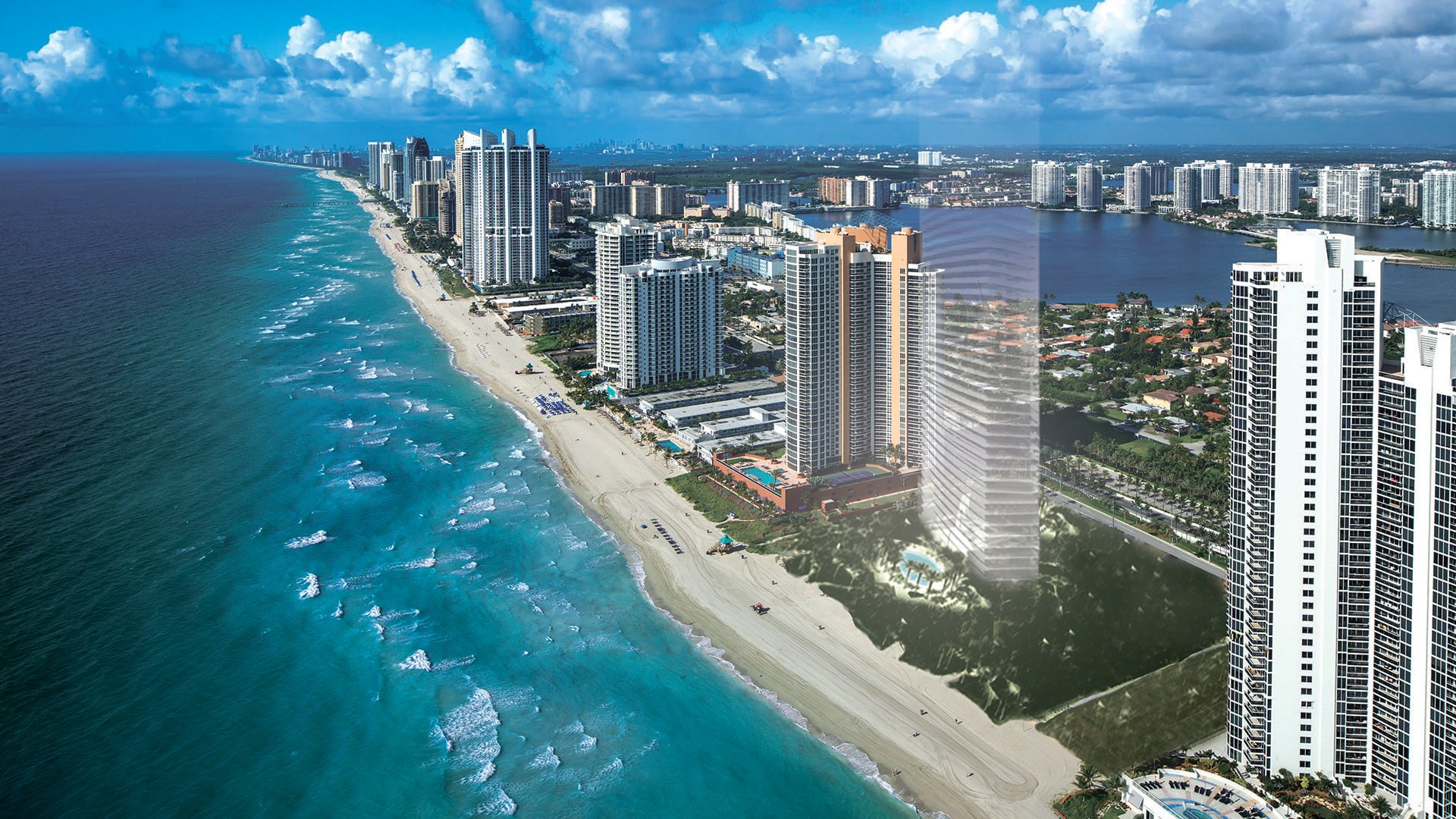
Sunny Isles Beach can present a different calculus, especially for buyers who want coastal living with a high-rise rhythm. At The Ritz-Carlton Residences® Sunny Isles, the broader question is not only acquisition cost. It is how the property fits within a family’s travel pattern, asset allocation, and desire for a low-friction coastal base.
In West Palm Beach, buyers may be coordinating residential use with business, philanthropy, family visits, or Palm Beach social life. A residence such as The Ritz-Carlton Residences® West Palm Beach may appeal to an owner who wants polish without constant oversight. In that case, the better financing structure is the one that protects both discretion and optionality.
Many buyers focus on purchase price and overlook the liquidity needed to own well. A lock-and-leave residence should feel frictionless, but frictionless ownership is rarely accidental. It requires reserves, responsive management, insurance planning, association coordination, preventive maintenance, and sometimes rapid decisions when the owner is not in town.
Cash buyers should ask whether the funds used for closing will reduce flexibility elsewhere. Portfolio-financed buyers should ask whether the debt structure will remain comfortable in changing market conditions. Both should model the property under realistic usage, not aspirational usage. If a home will sit vacant for extended periods, management and oversight are not secondary details. They are part of the asset plan.
This is where the conventional idea of being “debt-free” can be too narrow. The premium outcome is not simply the absence of leverage. It is the presence of options. Liquidity allows an owner to move quickly on improvements, hold through market shifts, respond to family needs, or acquire another property without undoing the first decision.
For many South Florida lock-and-leave owners, the winning answer is neither pure cash nor automatic financing. It is a purchase strategy built before the offer is written. That strategy should clarify the maximum price, preferred closing timeline, acceptable contingencies, post-closing liquidity target, and the role the property plays in the family’s broader balance sheet.
Cash matters most when speed, certainty, and simplicity are the priorities. Portfolio financing matters most when liquidity, tax-aware planning, and asset flexibility are the priorities. The most sophisticated buyers understand both tools and use the one that gives them the greatest control at that moment.
The residence should support the lifestyle. The capital structure should support the owner. When those two ideas align, lock-and-leave ownership in South Florida becomes what it is meant to be: a private base that is ready when needed and quiet when not.
Is cash always better for a South Florida lock-and-leave purchase? No. Cash can strengthen certainty, but portfolio financing may preserve liquidity and flexibility for a high-net-worth buyer.
What is portfolio financing in this context? It generally refers to borrowing supported by a broader financial relationship or asset base rather than treating the home loan in isolation.
Why does liquidity matter after closing? Lock-and-leave ownership still requires reserves for carrying costs, management, insurance, improvements, and unexpected decisions.
Can a financed offer compete with a cash offer? Yes, if it is well prepared, credible, and structured to reduce uncertainty for the seller.
Should a buyer close with cash and finance later? Some buyers consider that approach, but it should be reviewed in advance with legal, tax, and lending advisors.
Does the building type affect the financing decision? Yes. A serviced condominium, beachfront residence, or private home can create different liquidity and management needs.
Is a second home different from an investment property? Yes. Intended use can influence financing terms, risk tolerance, management strategy, and exit planning.
What should buyers decide before making an offer? They should define timing, contingencies, deposit comfort, liquidity targets, and whether financing is essential or optional.
Is debt inappropriate for ultra-luxury buyers? Not necessarily. For some buyers, prudent leverage is a tool for preserving capital and maintaining optionality.
What matters most for lock-and-leave ownership? Certainty, discretion, liquidity, and a residence that remains easy to own when the owner is away.
To compare the best-fit options with clarity, connect with MILLION.
If branded residences are on your mind — as a home or as an allocation — we would be glad to share what we are seeing, privately.
Begin a quiet conversation