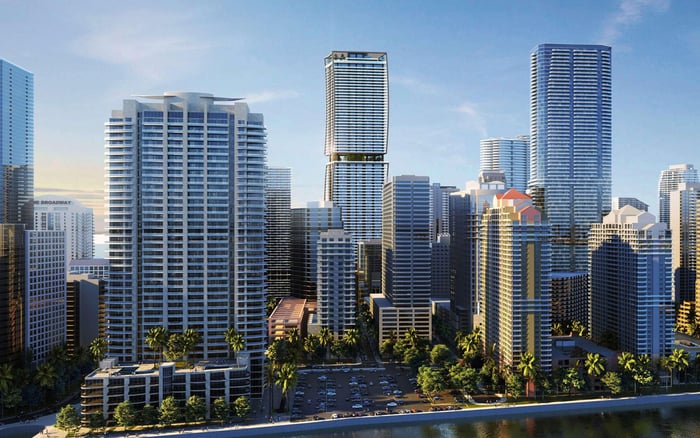
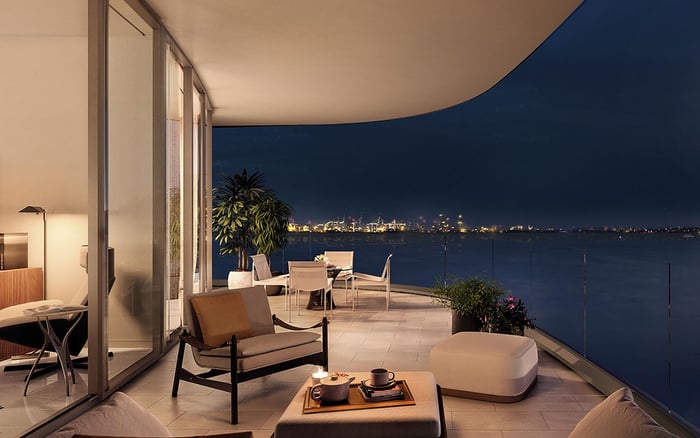
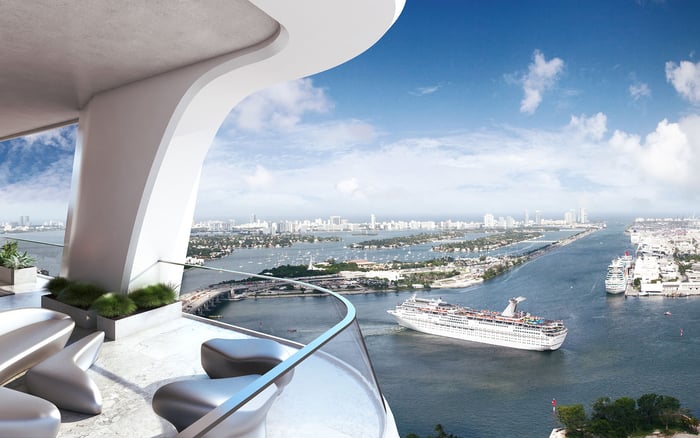
A discreet, buyer-oriented comparison of Brickell and Downtown Miami luxury condo life in 2026, from pricing context and walkability to culture, transit, and building rules that shape day-to-day ownership.
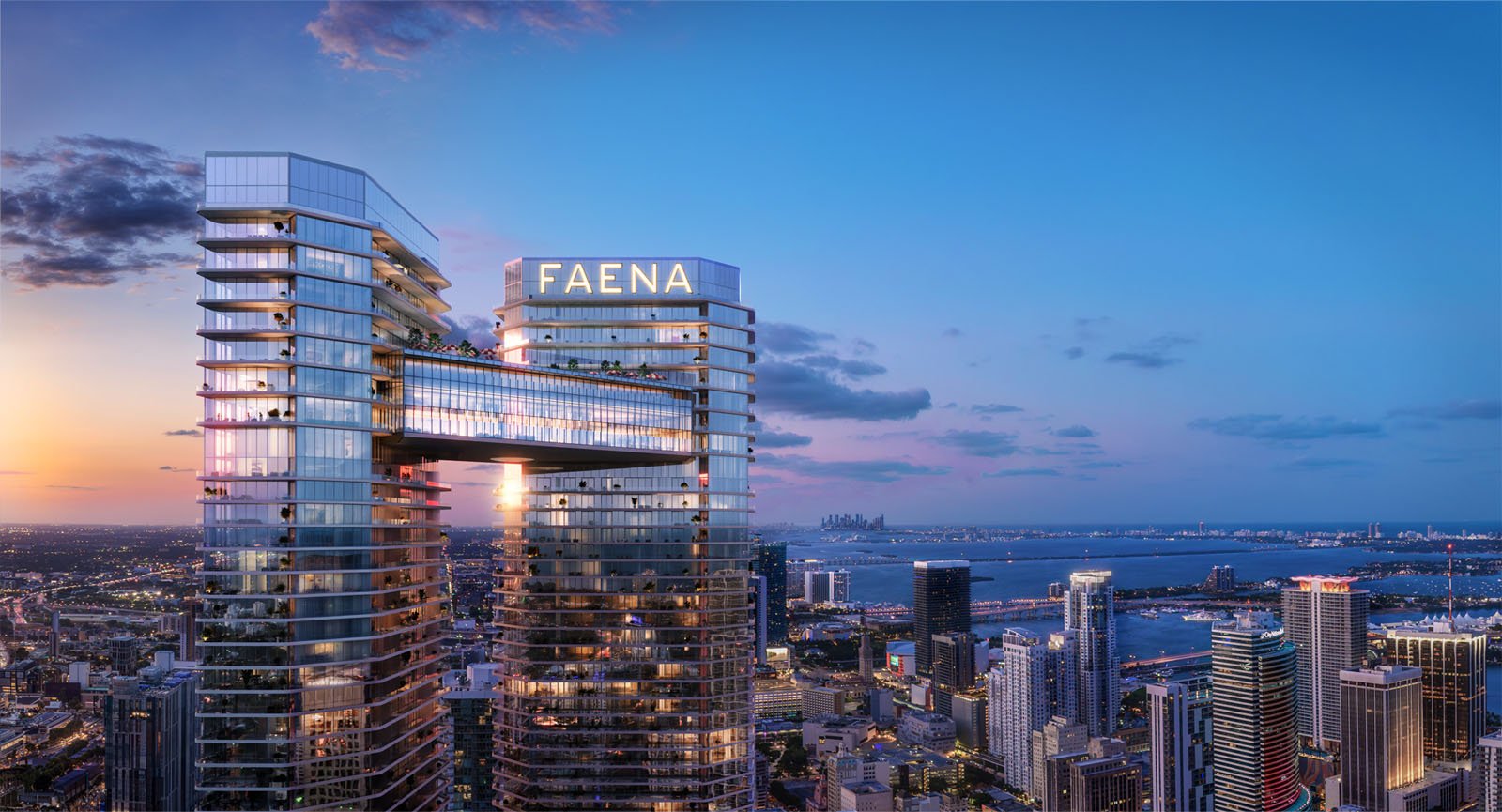
Brickell and Downtown Miami sit close enough to share a horizon, yet they represent two distinct expressions of luxury. Brickell is polished and intensely vertical, with a live-work cadence shaped by offices, waterfront promenades, and a deep bench of high-service residences. Downtown, by contrast, is increasingly defined by culture, park adjacency, and a new generation of large-scale development that is shifting the neighborhood block by block.
In 2026, many luxury buyers are moving with more intent. Instead of simply chasing the newest lobby or the highest floor, they are underwriting lifestyle, liquidity, and building governance. That means asking: Where does daily life actually happen on foot? Which district is best positioned to benefit from major transit and infrastructure? And what rules could quietly limit flexibility after closing?
Brickell’s headline pricing signal remains elevated, with a median asking price around $699,000 and median pricing around $647 per square foot in a recent market snapshot. Rents have also held strong, with average monthly figures around $5,750. These are directional markers-not a substitute for unit-level diligence-but they underscore the area’s durable demand for convenience and high-rise living.
At the broader index level, both Brickell and Downtown have shown year-over-year softening in recent readings. Brickell’s home value index was around $591,800 as of late summer 2025, while Downtown’s was around $527,730, each down year-over-year. For luxury buyers, the takeaway isn’t that either district is simply “up” or “down.” It’s that pricing is more nuanced than the post-2021 narrative, and prepared buyers can often negotiate from a position of clarity.
At the top end of the condo market across Miami, luxury pricing per square foot has hovered around the $995 level with moderate year-over-year gains, while inventory conditions have leaned buyer-advantaged. Put plainly: there is selection. Selection creates leverage for buyers who know exactly what they want-and can move decisively when the right residence appears.
If you value a daily life that can be executed on foot, Brickell is difficult to beat. The neighborhood posts a Walk Score of 96, and the built environment supports repeatable routines: coffee, fitness, dinner, and the office, all within a compact radius.
Downtown’s walkability can also be strong in specific pockets, but its defining advantage is proximity to anchors that change how weekends feel. Museum Park, for example, places major institutions like Pérez Art Museum Miami and the Phillip and Patricia Frost Museum of Science within easy reach for residents who prefer membership cards to valet stubs.
The distinction is subtle, but consequential. Brickell often feels like a luxury system built for efficiency. Downtown, at its best, reads as the city’s living room-where parks and culture do as much work as amenities.
As one marker of the area’s construction cadence, a 32-story residential tower at 600 Miami Worldcenter has topped off. The point isn’t a single building; it’s the pattern. Downtown is in a phase where cranes and delivered projects are steadily filling in the urban fabric.
Brickell’s momentum is different. It isn’t a new neighborhood-it’s an established luxury corridor that continues to upgrade itself through signature, design-forward towers and brand-driven concepts. If your preference is to buy into a district that already reads as finished, Brickell offers that reassurance.
Downtown holds an advantage in regional connectivity. MiamiCentral is the Miami station for Brightline, creating a practical on-ramp to car-light travel when you want it. That kind of access matters for second-home owners, frequent travelers, and buyers who want a city lifestyle without the constant friction of driving.
Looking ahead, Miami-Dade’s planned Northeast Corridor envisions a 13.5-mile rapid transit connection from MiamiCentral Station to West Aventura, with five new stations planned along the route: Wynwood, Design District, Little Haiti, North Miami Beach, and FIU North Campus. Even before any ribbon cutting, the concept is meaningful: Downtown is positioned as the node.
Brickell is hardly disconnected, but its transportation advantage is more local and experiential. You can live in a high-service tower and still handle much of the week on foot.
Luxury buyers often underestimate how strongly a condominium’s rules shape the ownership experience. In Brickell, many buildings restrict or prohibit short-term rentals, and enforcement is often driven by condo associations. Depending on your priorities, that can be a feature-or a constraint.
If you want a serene, owner-leaning environment with fewer transient occupants, strict rules can support that outcome. If you want maximum flexibility to monetize downtime or rotate usage, those same rules can feel limiting. The point is to treat rental policy as core due diligence, not an afterthought.
Downtown has a wider mix of building types, including condo-hotel formats in certain locations. For instance, The Elser Hotel & Residences is located at 398 NE 5th Street. The takeaway isn’t that one district is permissive and the other restrictive-it’s that the building can matter as much as the neighborhood.
Brickell and Downtown can both deliver true luxury, but the right fit depends on the version of Miami you’re buying.
For a buyer who wants a modern, design-forward Brickell address with a clear identity, The Residences at 1428 Brickell positions itself as a high-conviction choice in the neighborhood’s newest chapter.
If your lifestyle leans curated and branded, the city’s next wave of hospitality-forward living is well represented by The Residences at Mandarin Oriental, Miami, a project associated with Brickell Key and the broader Brickell Bay area.
For Downtown buyers who want their home to read as a statement piece as much as a residence, One Thousand Museum Downtown Miami is a recognizable anchor in the luxury skyline, with active inventory tracked across the market.
And if you want a Downtown location that feels sleek and transportation-forward, Aston Martin Residences Downtown Miami places you in a district where major connectivity and continued development are part of the long view.
Choose Brickell if you prioritize:
Choose Downtown Miami if you prioritize:
In both districts, the best outcomes come from aligning your personal cadence with the building’s governance. A spectacular view cannot compensate for rules that don’t match how you intend to live.
Is Brickell or Downtown Miami better for walking? Brickell is exceptionally walkable, with a Walk Score of 96. Downtown can be walkable in pockets, especially near parks and cultural venues.
Are prices in Brickell still rising in 2026? Pricing signals have been mixed, with some measures showing year-over-year softening. Unit-by-unit strategy and negotiation matter more than broad headlines.
What is the main lifestyle difference between Brickell and Downtown? Brickell is a live-work luxury district built around convenience. Downtown leans cultural, anchored by parks and major institutions.
How important are short-term rental rules in Brickell? Very important, because many buildings restrict or prohibit short-term rentals. Always confirm rules directly with the condominium documents before buying.
What is Miami Worldcenter and why does it matter to Downtown buyers? It is a 27-acre, roughly $6 billion mixed-use development reshaping Downtown. It can influence retail depth, streetscape quality, and long-term neighborhood energy.
Is there new construction momentum in Downtown Miami right now? Yes, multiple towers are planned or underway, and a 32-story condo tower at 600 Miami Worldcenter has topped off. The area is actively evolving.
Does Downtown have an advantage for regional travel? Downtown is home to MiamiCentral, the city’s Brightline station. That adds meaningful optionality for travel without relying solely on driving.
What is the Northeast Corridor transit plan? It is a planned 13.5-mile rapid transit corridor from MiamiCentral to West Aventura. The plan includes five new stations: Wynwood, Design District, Little Haiti, North Miami Beach, and FIU North Campus.
Which Downtown amenities support a luxury lifestyle beyond the building? Museum Park is a major draw, with Pérez Art Museum Miami and the Frost Museum of Science nearby. For many buyers, this creates a richer week-to-week routine.
How do I choose between two similar luxury units, one in Brickell and one in Downtown? Start with governance and lifestyle: rental rules, HOA culture, and your daily routine. Then evaluate views, floor plan, and long-term neighborhood trajectory.
For a confidential assessment and a building-by-building shortlist, connect with MILLION Luxury.
If branded residences are on your mind — as a home or as an allocation — we would be glad to share what we are seeing, privately.
Begin a quiet conversation