A discreet 2026 guide for family buyers evaluating Downtown Miami luxury condos through the lens of school access, privacy, amenities, and daily rhythm.

For a certain South Florida buyer, the 2026 Downtown Miami search is not simply about views, finishes, or a recognizable tower silhouette. It is about whether a high-service residence can support the daily architecture of family life: school mornings, sports bags, visiting grandparents, a nanny’s routine, quiet homework hours, and the occasional formal dinner that still needs to feel effortless.
The phrase “near private schools” means more than distance on a map. For families considering Downtown, Brickell, Edgewater, or adjacent waterfront pockets, proximity should be understood as a combination of drive pattern, building access, garage logistics, elevator flow, and the child’s actual schedule. A residence can be physically close yet operationally inconvenient if valet timing, lobby congestion, or route predictability is ignored.
That is why the most sophisticated family buyers now read condominium product differently. They look beyond sales-gallery language and ask whether a building can absorb the family’s week without friction. In Downtown Miami, that lens changes the search from glamorous to strategic.
Private-school families often operate on a more complex calendar than buyers first expect. Admissions visits, early drop-offs, after-school enrichment, tutoring, athletics, and weekend commitments can make even a short commute feel repetitive if the residence is not chosen carefully. Private-school diligence should begin before the property tour, not after a contract is signed.
The first test is the morning route. Families should drive it during school-hour conditions, not during a quiet weekend showing. The second test is vertical timing. How long does it take to leave the unit, reach the car, exit the garage or valet court, and merge into the day? The third is redundancy. If one bridge, corridor, or access point is crowded, does the family have another practical way out?
Downtown living can be compelling for families who want a sophisticated urban base without maintaining a large house. Yet the strongest purchases tend to be made by families who treat the condo as a living system. The best residence is not always the largest one. It is the one that keeps the weekday composed.
Downtown and Brickell attract different versions of the same buyer: someone who wants service, skyline energy, a lock-and-leave lifestyle, and a more curated daily footprint. For families, the distinction often comes down to rhythm. Downtown may appeal to those who want a cultural, civic, or waterfront orientation, while Brickell often attracts buyers who prefer a financial-district cadence with quick access to dining, wellness, and professional life.
A family considering Aston Martin Residences Downtown Miami is not only comparing architecture. The real question is how the building’s location and lifestyle align with morning departures, evening returns, and the family’s preference for either formal privacy or a more active urban threshold.
Similarly, Casa Bella by B&B Italia Downtown Miami may enter the conversation for buyers who want a design-forward Downtown address while still evaluating whether the residence can support family routines. The child’s school day, the parents’ work pattern, and the household’s staffing needs should all be weighed together.
In Brickell, projects such as 2200 Brickell can be part of a broader comparison for families who want the neighborhood’s convenience but still need a residence that feels calm once the elevator doors close. The priority is not simply being in Brickell. It is finding the version of Brickell that matches the household’s tolerance for motion.
Family buyers often get distracted by the amenities that photograph best. The more important amenities are usually quieter: secure arrival, practical parking, generous storage, children-friendly outdoor space, acoustic separation, and places where a parent can work without being removed from the household.
A lap pool, screening room, private dining room, play area, fitness suite, spa, or residents’ lounge can all matter, but only if they are usable in daily life. Parents should ask how amenities are reserved, whether guests are managed discreetly, and whether children are welcomed in a way that feels polished rather than merely tolerated. Luxury is not the number of amenities. Luxury is how naturally those amenities fit into the family’s week.
The layout inside the residence deserves equal scrutiny. Split bedrooms can help with older children or visiting relatives. A den may be more valuable than a dramatic but unused formal area. Service entries, laundry placement, pantry volume, and elevator-to-kitchen flow can become defining details once school starts.
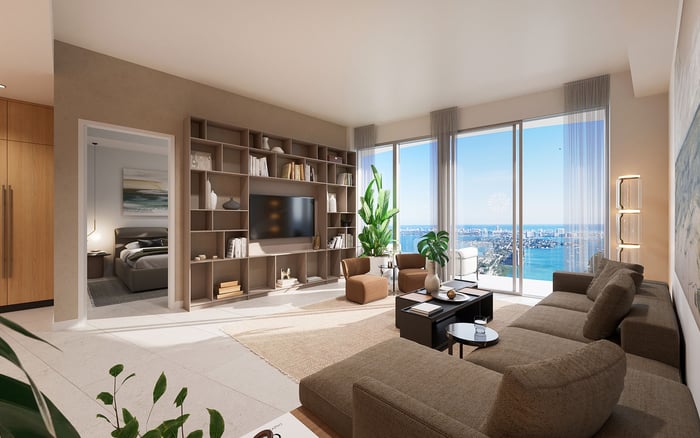
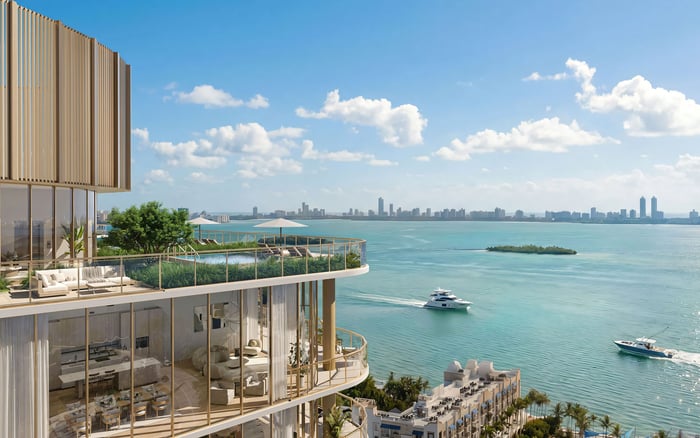
New-construction buyers should also compare promised lifestyle with real family use. Glossy renderings may suggest serenity, but a parent should imagine backpacks at the entry, uniforms in the laundry, groceries arriving with a caregiver, and a teenager returning from practice. If the plan still works in that scenario, the residence is worth deeper study.
For affluent families, privacy is not a luxury add-on. It is part of the living brief. A building’s arrival sequence, staff training, guest protocol, package handling, elevator access, and residence-to-amenity transitions all influence how protected a family feels.
This is especially important for buyers relocating from single-family homes. A tower can offer substantial convenience, but it introduces shared spaces and staff interfaces that should be evaluated carefully. Parents should ask how children move through the building, whether caregivers can be credentialed appropriately, and how visiting friends, tutors, drivers, and extended family are managed.
A project such as Waldorf Astoria Residences Downtown Miami may be considered by buyers who value a branded residential environment, but the family decision should remain practical: Does the residence feel secure, intuitive, and calm at the moments when the household is least choreographed?
The most productive family tours are staged like real days. Arrive when you would normally return from school. Bring the questions you would ask after a long weekday. Where do children drop bags? Where does a stroller, scooter, sports equipment, or instrument go? Can a caregiver park or access the residence efficiently? Is there a place for homework that is not the dining table?
Families should also tour at different times if possible. A building can feel serene midmorning and very different at pickup-hour return, dinner time, or a holiday weekend. For a primary residence, consistency matters. The right tower should feel composed in multiple moods.
In Brickell, a residence such as Baccarat Residences Brickell may appeal to buyers seeking a refined branded setting, but parents should still test the practical details: arrival, elevator sequence, storage, light, noise, and daily movement. The family buyer’s discipline is to admire the glamour, then measure the utility.
A disciplined 2026 search should begin with the school plan, then move to the property plan. Families should identify likely school locations, admissions timelines, commute windows, and after-school patterns before narrowing buildings. Once those constraints are understood, the condo search becomes more precise.
The best short list will usually include three categories: a Downtown option, a Brickell option, and at least one alternative neighborhood comparison if the family is still calibrating lifestyle. The goal is not to chase every new tower. It is to find the few residences that can support the family without constant compromise.
For South Florida’s luxury buyer, the family condo is no longer a secondary thought. It is a highly intentional purchase that blends education, design, service, privacy, and mobility. When those elements align, Downtown Miami can offer a sophisticated base for parents who want the energy of the city without surrendering the order of a well-run home.
Should families choose Downtown Miami before finalizing private school admission? Ideally, the school plan and residence search should move together. Admissions timing, commute rhythm, and household logistics can materially shape the right building choice.
Is Brickell different from Downtown for family buyers? Yes. The feel of daily life can differ. Brickell often reads as more business-oriented, while Downtown may appeal to buyers seeking a broader urban and waterfront context.
What should parents test during a condo tour? Test arrival, parking, elevator timing, storage, noise, and the path from car to residence. These details shape school mornings more than finishes alone.
Are larger condos always better for families? Not necessarily. A thoughtful layout, useful den, good storage, and bedroom separation can matter more than sheer square footage.
How important are amenities for children? Amenities matter when they are practical, well managed, and welcoming to families. Parents should focus on usability rather than quantity.
Should buyers prioritize a branded residence? Branding can signal a particular service culture, but it should not replace diligence. The building must still suit the family’s daily routine.
What does private-school due diligence include? It includes admissions timing, morning and afternoon routes, extracurricular schedules, and how each building supports the household’s weekly pattern.
Can a Downtown condo replace a single-family home? For some families, yes, if the residence offers privacy, storage, service, and a layout that supports children and caregivers gracefully.
When should a 2026 family buyer begin looking? Begin early enough to coordinate school decisions, financing, inspections, and move timing. Family purchases often require more calendar management than pied-a-terre searches.
What is the best way to shortlist comparable options for touring? Start with location fit, delivery status, and daily lifestyle priorities, then compare stacks and elevations to validate views and privacy.
If you'd like a private walkthrough and a curated shortlist, connect with MILLION.
If branded residences are on your mind — as a home or as an allocation — we would be glad to share what we are seeing, privately.
Begin a quiet conversation