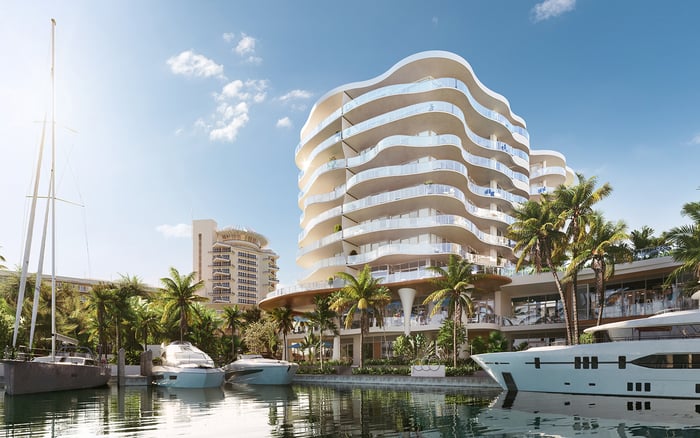
A discreet due diligence guide for Fort Lauderdale waterfront buyers, focused on marina access, slip rights, navigation realities, seawall condition, association rules, and resale strength.
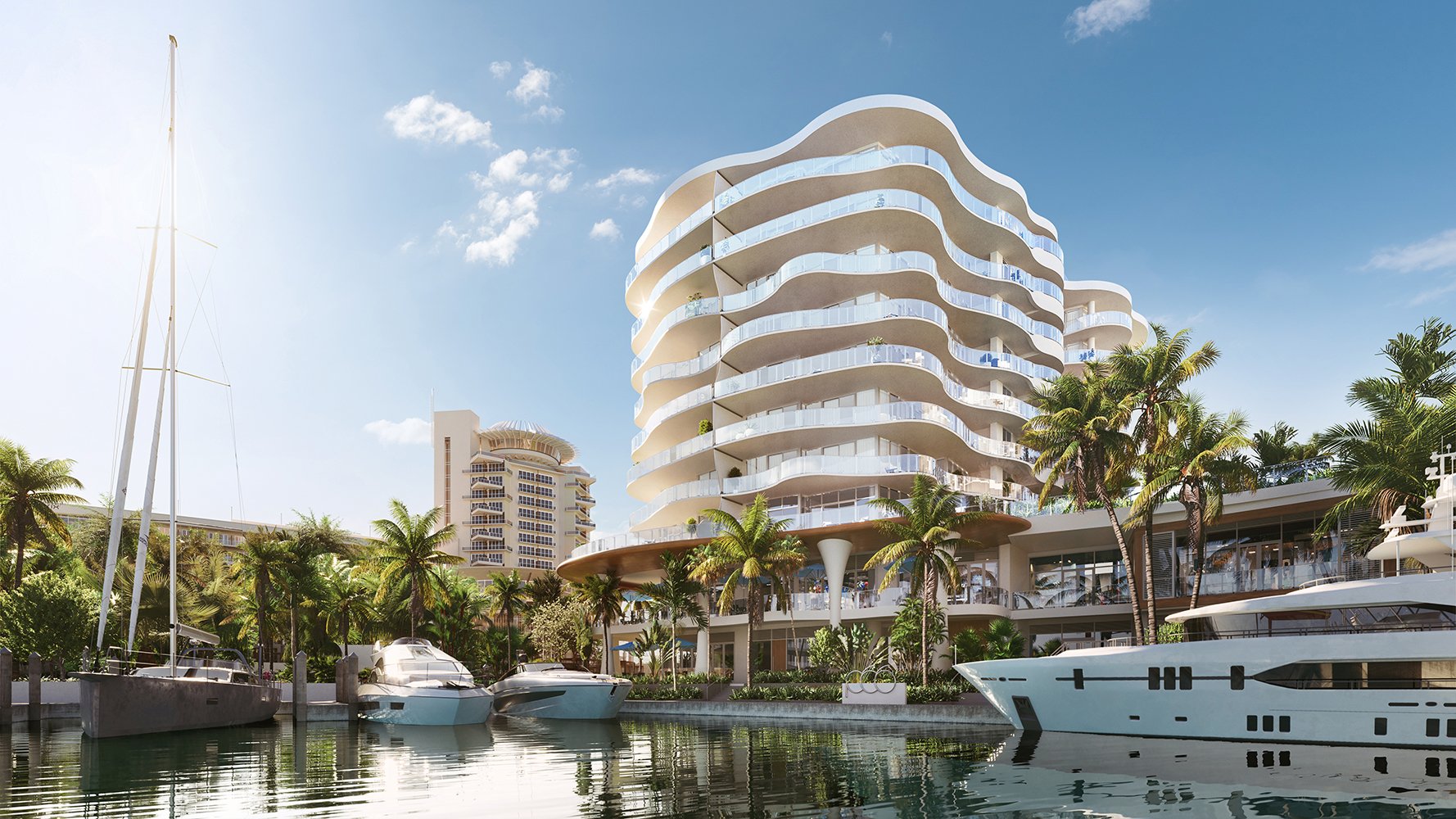
Fort Lauderdale waterfront ownership is often framed by the glamour of open terraces, reflected sunsets, and a boat waiting below. Yet for a serious buyer, boating access is not an aesthetic promise. It is a bundle of legal rights, physical conditions, operating rules, and daily conveniences that must be verified before value can be understood with confidence.
A residence can have a magnificent water view and still offer limited, or no, practical boating use. A building can sit near a marina and still require a separate slip arrangement. A private dock can appear ideal at a showing, then become complicated once vessel size, tide, bridge clearance, insurance, utilities, and association documents are reviewed. The distinction is not cosmetic. It can affect lifestyle, carrying costs, resale liquidity, and the depth of the future buyer pool.
This is especially important for buyers comparing waterfront and near-waterfront residences such as St. Regis® Residences Bahia Mar Fort Lauderdale, Four Seasons Hotel & Private Residences Fort Lauderdale, or boutique riverfront offerings. The right question is never simply, “Can I see the water?” It is, “What exactly can I do from here, with my vessel, under the documents that govern this property?”
A boat slip can be deeded, assigned, leased, licensed, reserved by association policy, or subject to a waiting list. Those categories are not interchangeable. A deeded slip may carry a different value profile than a temporary license. An assigned slip may be transferable, or it may revert to the association when the residence is sold. A lease may be renewable, but only under conditions that require careful review.
Buyers should request the governing documents before treating any slip as part of the purchase. The review should clarify whether the slip is included in the sale, separately priced, subject to approval, or limited to specific vessel dimensions. It should also address whether liveaboard use, chartering, commercial use, personal watercraft, lifts, tenders, and maintenance work are restricted.
In Fort Lauderdale, where yachting culture is woven into the identity of the luxury market, this distinction is more than administrative. It is central to the integrity of the acquisition.
A waterfront address may be beautiful, but the route matters. Buyers should evaluate the practical journey from dock to intended cruising grounds, including bridges, no-wake zones, channel conditions, turning radius, current, tide behavior, and congestion at peak boating times. A route that feels effortless for a center console may be unsuitable for a larger yacht with different height, beam, and draft requirements.
The right diligence is vessel-specific. Do not rely on a generic statement that the property is “boater friendly.” Ask whether your actual boat can be accommodated, maneuvered, serviced, and used without unreasonable constraint. If a captain manages the vessel, involve that person early. If a future purchase may include a larger boat, evaluate the property against the next vessel, not only the current one.
For condominium buyers considering refined addresses such as The Ritz-Carlton Residences® Fort Lauderdale, boating convenience should be analyzed separately from the prestige of the building. A name, a view, and a shoreline position do not replace route verification.
The physical edge of the property deserves the same attention as the interiors. A dock may appear serviceable, but the condition of pilings, decking, cleats, fenders, lifts, ladders, lighting, electrical service, water supply, and drainage can influence both usability and cost. The seawall is equally important. Buyers should understand its age, maintenance history, visible condition, and any planned or recommended work.
For single-family waterfront estates, responsibility may sit largely with the owner. For condominium or townhome settings, the association may control maintenance, replacement timing, vendor selection, and cost allocation. The key is to determine who pays, who decides, and what reserves or assessments may apply.
New-construction buyers should not assume that new finishes automatically resolve marine infrastructure questions. A new residence can still require careful review of dock delivery, slip allocation, warranties, operating rules, and completion timing. Waterfront due diligence should run parallel to architectural and construction review, not follow it as an afterthought.
In a condominium or managed waterfront community, the association can define how boating is actually experienced. Rules may address hours of access, guest use, fueling, provisioning, dock carts, pets on docks, outside vendors, dockmaster authority, safety requirements, and insurance documentation. These details shape daily convenience.
They also shape resale. A future buyer with a larger vessel, a captain, or a more active boating lifestyle will evaluate those rules with precision. Properties that combine elegant living with clear, usable, transferable boating rights tend to communicate value more efficiently than properties where access is ambiguous.
This is relevant across Broward waterfront searches, from full-service luxury towers to more intimate residences such as Riva Residenze Fort Lauderdale and Andare Residences Fort Lauderdale. The lifestyle may feel seamless only when the documents, staff procedures, and marine facilities align.
A waterfront residence can command attention for architecture, service, beach proximity, dining access, wellness amenities, and views. Boating value is its own category. A buyer should avoid blending every waterfront advantage into a single emotional premium.
The cleanest approach is to separate the value stack. First, price the residence for its interior quality, building services, location, view, and privacy. Then evaluate the marine component: slip rights, vessel fit, route quality, dock condition, and operating rules. This framework helps prevent overpaying for access that is limited, uncertain, or non-transferable.
It also supports stronger negotiation. If a seller presents a property as ideal for boating, the documentation should support that position. If the evidence is incomplete, the buyer can request clarification, adjust valuation, or make the contract contingent on satisfactory review.
Before signing, buyers should ask direct questions. Is the slip included? Is it deeded, leased, assigned, or waitlisted? What vessel size is permitted? Are beam, draft, height, lift capacity, or insurance requirements specified? Are there bridge or tide constraints? Who maintains the dock and seawall? Are improvements planned? Are there current or proposed assessments? Are outside marine vendors allowed? Can the slip be rented, transferred, or sold separately?
The answers should be documented, not merely discussed. In the luxury market, discretion is valued, but precision protects everyone. A well-run transaction can be elegant and exacting at the same time.
Does a waterfront condo automatically include a boat slip? No. Slip rights must be verified in the governing documents, contract terms, and association records.
What is the most important marina access question for a buyer? Confirm whether the specific vessel can be accommodated legally, physically, and operationally.
Is a deeded slip more valuable than an assigned slip? It can be, but transferability, restrictions, maintenance obligations, and market demand all matter.
Should a captain review the property before purchase? Yes, if the vessel is significant. A captain can assess route, maneuvering, draft, clearance, and docking practicality.
Can bridge clearance affect resale value? Yes. Any limitation that narrows the range of suitable vessels can influence the future buyer pool.
Who usually pays for seawall repairs? Responsibility depends on ownership structure and governing documents, so the buyer must verify it before closing.
Are boat lifts always permitted? No. Lifts may be limited by association rules, permits, engineering constraints, or vessel specifications.
Can a slip be rented when not in use? Sometimes, but many communities restrict rental, guest use, commercial activity, or transfer rights.
How should buyers compare a marina residence with a beach residence? Treat them as different lifestyle assets. Beach access, views, and boating function should be valued separately.
What is the best contract protection for boating access? Use clear contingencies requiring satisfactory review of slip rights, association rules, vessel fit, and marine infrastructure.
For a confidential assessment and a building-by-building shortlist, connect with MILLION.
If branded residences are on your mind — as a home or as an allocation — we would be glad to share what we are seeing, privately.
Begin a quiet conversation