A practical, design-minded guide for Palm Beach buyers evaluating terraces, balconies, outdoor finishes, and the maintenance obligations that shape daily enjoyment and long-term ownership.
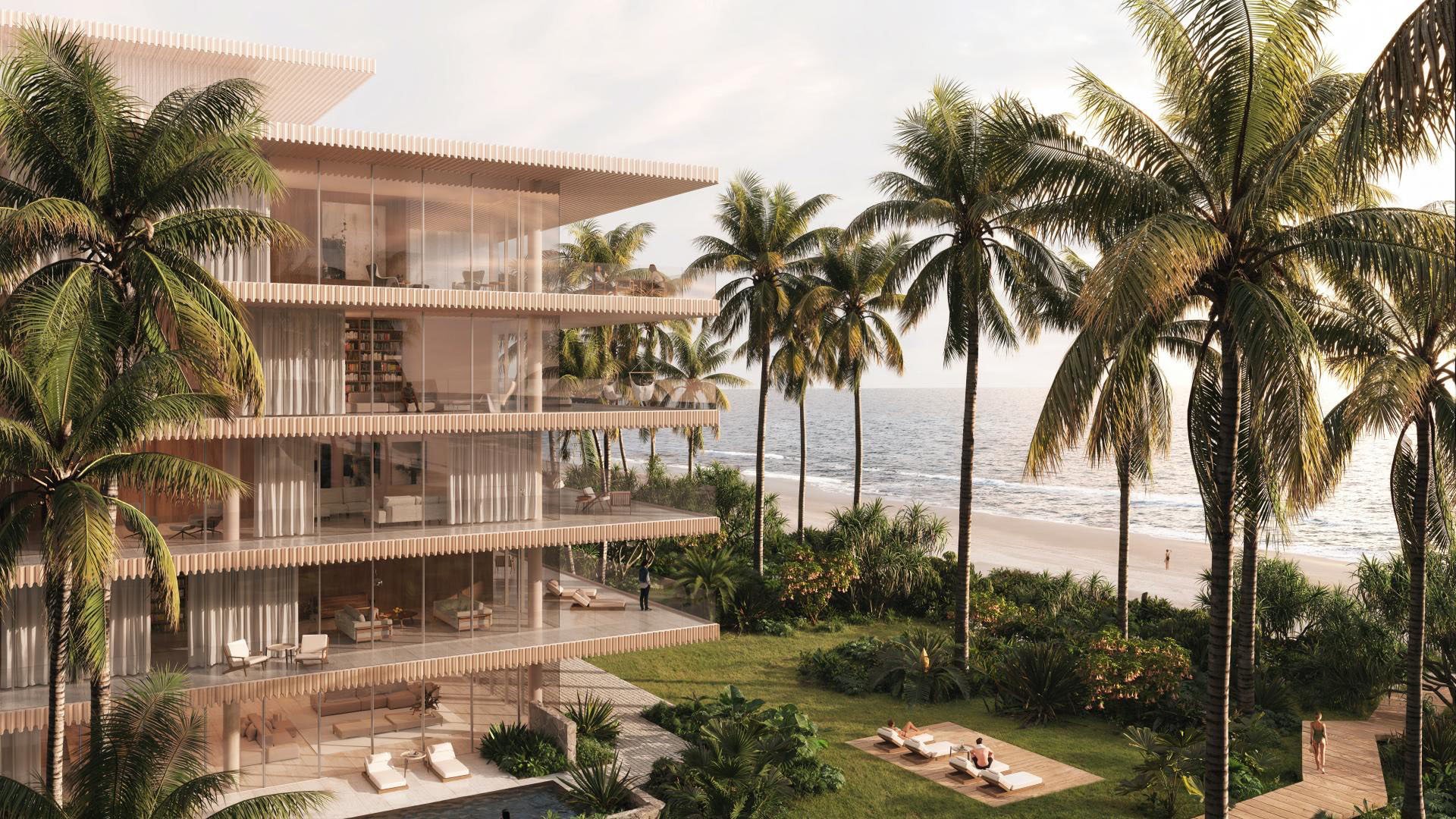
In Palm Beach, outdoor living is not an afterthought. For many buyers, the terrace is the emotional center of the residence: the place for morning coffee, shaded lunches, quiet reading, sunset drinks, and discreet entertaining. It is also one of the most practical spaces to evaluate, because outdoor beauty depends on maintenance, materials, exposure, privacy, and building rules.
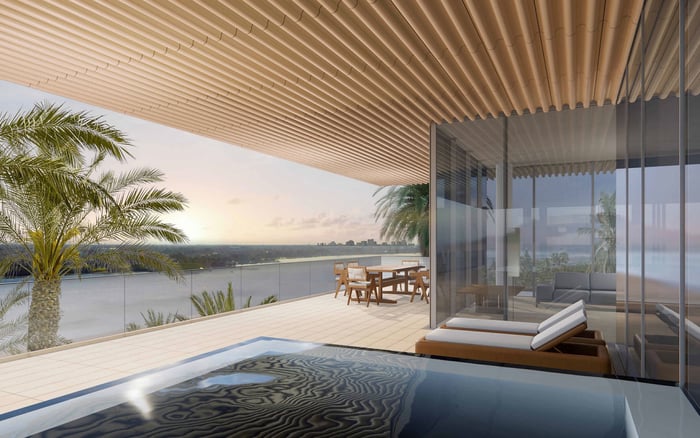
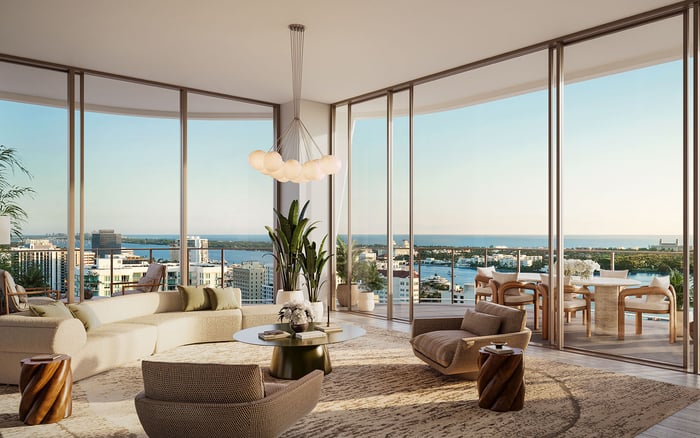
The strongest buyers treat terraces as outdoor rooms, not bonus square footage. They ask how the space will be used, how often it will require care, who is responsible for repairs, and whether the design supports the way they actually live. A deep terrace can feel like a second living room. A narrow balcony may still be valuable if it frames a prized view, brings air into the residence, or offers a private perch away from shared amenities.
This is especially relevant for buyers comparing condominium living with single-family privacy. A well-conceived residence such as Palm Beach Residences invites a more nuanced conversation than a traditional house: not only what the outdoor space looks like, but how the building supports its daily use.
The language matters. A terrace often suggests a more usable outdoor platform, while a balcony may be more compact and view-oriented. A loggia typically implies a covered or partially sheltered outdoor area, creating a more architectural feeling and a gentler transition between inside and outside. Buyers should not assume that every outdoor area will function the same way.
A useful first question is simple: can the space hold real furniture without feeling staged? Dining chairs need room to pull back. Lounge seating needs circulation. Planters need depth and weight tolerance. Outdoor kitchens, if permitted, require building approval, ventilation considerations, and clear rules around fuel, electrical work, and cleaning.
Sightlines also deserve scrutiny. A terrace that looks magnificent in marketing photography may feel exposed from neighboring residences or visible from amenity decks. Conversely, a more modest outdoor space can become exceptional when it offers privacy, shade, and direct connection to the main living area.
In luxury ownership, maintenance is not merely a cost issue. It is a lifestyle issue. Before placing significant value on a terrace, buyers should understand what belongs to the owner, what belongs to the association, and what requires formal approval.
Ask whether flooring, railings, drains, exterior lighting, planters, waterproofing, and ceiling finishes are considered private or common elements. Ask who cleans glass, who services drains, who approves furniture, and who responds if water intrusion appears. The answer may differ by building, by governing documents, and by the exact location of the residence.
For buyers considering The Ritz-Carlton Residences® West Palm Beach or similar service-driven environments, the appeal often lies in a more managed lifestyle. Even so, a service-rich address does not eliminate the need to review rules. It makes the questions more important, because expectations are higher.
A terrace finish should be judged twice: once for the eye and once for ownership. Stone, tile, decking, metal, glass, cushions, cabinetry, and planters can all read beautifully when new. The more important question is how they age with use, cleaning, moisture, sun exposure, and daily handling.
Buyers should look for surfaces that are comfortable underfoot, appropriate when wet, and compatible with the building’s maintenance standards. Glossy materials may photograph well but can be less forgiving. Textured surfaces may feel safer but can require more attentive cleaning. Light colors can soften heat visually, while darker palettes may create drama. Neither is inherently better; the right answer depends on the home’s exposure, architecture, and intended use.
Furniture matters just as much. Outdoor pieces should feel substantial without overwhelming the terrace. Cushions should be easy to remove or store. Covers should be realistic to use. If the owner travels often, simplicity becomes a luxury.
The least glamorous details often determine the quality of outdoor living. Drainage should be reviewed carefully, not as a technical footnote but as part of the terrace experience. Water should have a clear path. Planters should not block drains. Furniture placement should not create cleaning problems.
Slope can be subtle, but it matters. A terrace that feels perfectly flat may not move water efficiently. A terrace that slopes correctly should still feel comfortable for dining and seating. Buyers should also consider how maintenance teams access the space, whether hose bibs or water access points are available, and how exterior glass or railings are cleaned.
At properties such as Alba West Palm Beach, outdoor space should be read in context with the residence as a whole. The terrace is not separate from the floor plan. It is an extension of circulation, storage, views, and daily rhythm.
Outdoor space is most valuable when it is easy to use often. Privacy helps. So does shade. So does the ability to sit outside without feeling visually or acoustically exposed. Buyers should visit at different times of day when possible and stand in the exact places where dining, lounging, or conversation would occur.
Consider the relationship between the terrace and the primary rooms. Does the outdoor area extend the living room, the bedroom, or both? Is access intuitive for guests? Can doors remain open without disrupting furniture placement inside? Does the terrace create a composed view from the interior even when no one is outside?
For buyers looking across the Palm Beach and West Palm Beach market, The Berkeley Palm Beach shows why the indoor-outdoor conversation must be property-specific. The same square footage can feel formal, resort-like, garden-oriented, or purely view-driven depending on design.
A polished terrace depends on invisible planning. Before purchasing, buyers should review rules for furniture, umbrellas, planters, exterior decor, lighting, speakers, grills, pets, and holiday installations. Some buildings prioritize strong visual consistency. Others allow more personal expression. Neither approach is wrong, but the buyer should understand the culture before closing.
Storage is another understated issue. Where do cushions go before a storm or during an extended absence? Are there dedicated owner storage areas? Can outdoor items remain in place year-round? Is staff allowed to handle terrace setup, plant care, or furniture covers? For a seasonal owner, these questions can matter as much as the view.
The buyer vocabulary is practical: terrace, balcony, pool, Palm Beach, West Palm Beach, and new construction are not decorative search terms. They point to the ways people compare lifestyle, convenience, and long-term fit.
When comparing residences, avoid valuing outdoor space by size alone. A smaller terrace with shade, privacy, and direct access from the main living area may be more livable than a larger terrace with awkward proportions. A broad balcony with excellent depth may outperform a showier outdoor area that is difficult to furnish.
Create a personal use case. If you host dinners, measure for a proper table. If wellness is central, consider space for yoga, lounging, or quiet morning routines. If you travel frequently, favor low-maintenance finishes and a building culture that supports lock-and-leave ownership. If you entertain often, ask how guest circulation works from elevator arrival to terrace seating.
The best terrace is not always the largest or most dramatic. It is the one that will be used without friction.
Should I prioritize terrace size or usability? Usability should come first. Depth, privacy, shade, access, and furniture planning often matter more than headline square footage.
What should I ask the association before buying? Ask what terrace elements are private, what is common, and what requires approval for repair, replacement, or decoration.
Are balconies less valuable than terraces? Not necessarily. A balcony with excellent views, privacy, and a strong indoor connection can be highly desirable.
Can I add an outdoor kitchen to a terrace? Only if the building rules, approvals, utilities, and safety requirements allow it. Confirm before assuming any upgrade is possible.
How important is drainage? Very important. Drainage affects cleaning, comfort, material longevity, and the overall ease of maintaining the outdoor area.
Should I visit the terrace at different times of day? Yes. Light, shade, sound, and privacy can change meaningfully from morning to afternoon and evening.
Who typically maintains railings and exterior glass? Responsibility varies by property documents and building policy. Buyers should confirm the exact arrangement before closing.
What makes outdoor furniture suitable for Palm Beach living? Choose pieces that are substantial, comfortable, easy to clean, and realistic to protect when the residence is unattended.
Do terrace rules affect resale value? They can. Clear, well-managed rules may preserve the building’s presentation, while overly restrictive rules may limit personal use.
What is the best first step when evaluating a terrace? Imagine a normal day in the residence, then test whether the terrace genuinely supports that routine.
To compare the best-fit options with clarity, connect with MILLION.
If branded residences are on your mind — as a home or as an allocation — we would be glad to share what we are seeing, privately.
Begin a quiet conversation